Prinsenhof in Kuringen: A Castle and Residence of the Counts of Loon
Site at a Glance
- Popularity
- Medium
- Country
- Belgium
- Primary era
- Early Modern
- Eras represented
- Medieval, Early Modern, Modern
- Civilizations
- Belgian, Holy Roman Empire, Prince-Bishopric of Liège
- Site type
- Military
- Remains
- Castle
On this page9 sections
History
Prinsenhof in Kuringen, now part of Hasselt in Belgium, is a castle that became the principal residence of the counts of Loon in 1232. A motte, a raised mound used as a castle base, stood on the site by the thirteenth century; a castle later replaced it, probably in the fourteenth century. The estate also became a residence of the prince-bishops of Liège, rulers who held both religious and secular authority.
Residence of the counts of Loon
The County of Loon was a medieval territory in present-day Belgian Limburg. Its counts regularly disputed with their feudal lord, the prince-bishop of Liège, and chose Kuringen for a more centrally placed residence. Gerard II of Loon was the first count to move there. After the castle of Loon was destroyed in 1232, the court at Kuringen became the counts’ principal residence and was known as the “hall of Curange.”
The castle was besieged and destroyed several times during the fifteenth century. It lost importance after the County of Loon was annexed to the Prince-Bishopric of Liège, an ecclesiastical principality governed by the prince-bishops. The site remained associated with these rulers: Prince-Bishop John of Heinsberg died there on the night of 18–19 October 1459, and Prince-Bishop Gerard of Groesbeek was born there in 1517.
Transformation and decline
In the early sixteenth century, Prince-Bishop Érard de La Marck transformed the castle into a prestigious residence. Emperor Charles V visited twice. The estate acquired the name Prinsenhof in the eighteenth century. In the seventeenth century, French soldiers destroyed the castle’s towers. The building was not restored and fell into ruin.
Private estate and municipal use
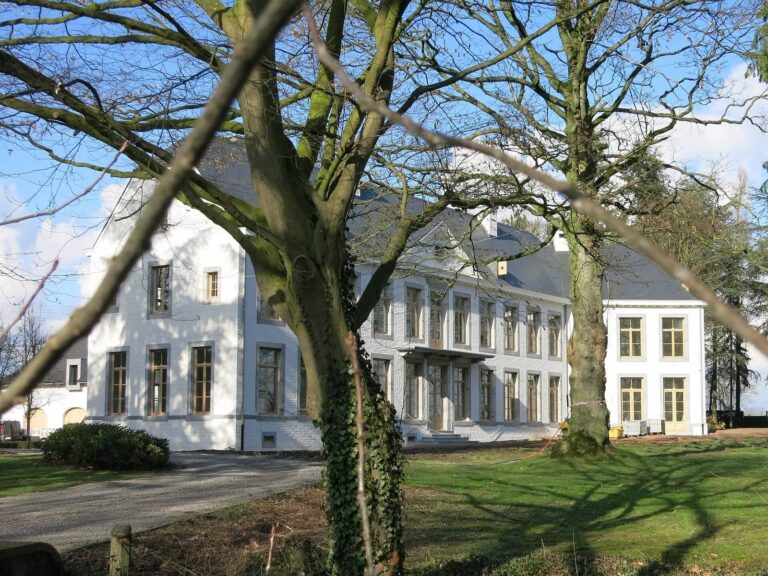
The estate was confiscated and sold publicly in 1798. Antoon Bamps bought it in the early nineteenth century and converted part of the ruin into a summer house. His son-in-law made it into a manor in the early twentieth century, and Tony Hermant-de Keuster inherited the property in 1914. Constant Bamps (1847–1907), a physician and Hasselt municipal councillor and alderman, also lived at the Prinsenhof.
In 1930, Hasselt textile manufacturer Louis Gérard bought the estate, renovated the castle and pond, and had two tennis courts built. Several painters stayed as his guests. Limburg governor Hubert Verwilghen, who had lived there from 1950, bought the estate on 1 January 1951. Hasselt acquired it in 1984, and municipal services have since been based there.
Remains
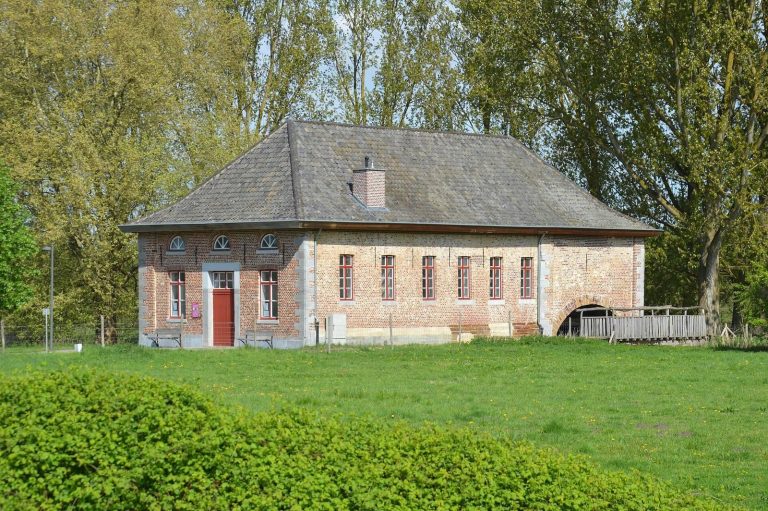
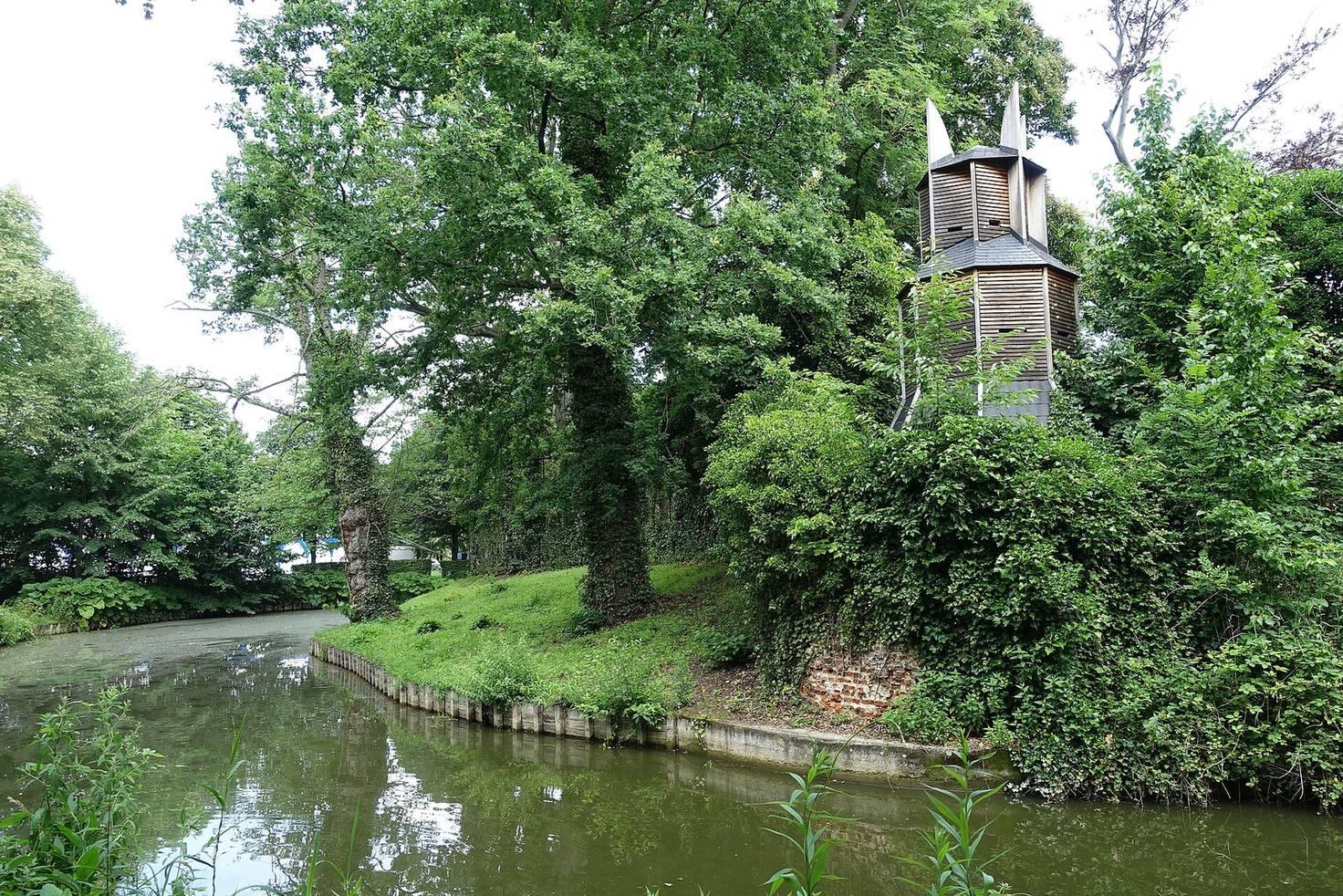
The physical remains reflect successive castle phases, with moats and estate grounds shaped by later improvements. The surviving castle remains include fabric attributed to the thirteenth century, while the most visible structures belong to the early-sixteenth-century residence.
Castle and estate grounds
Early defensive remains
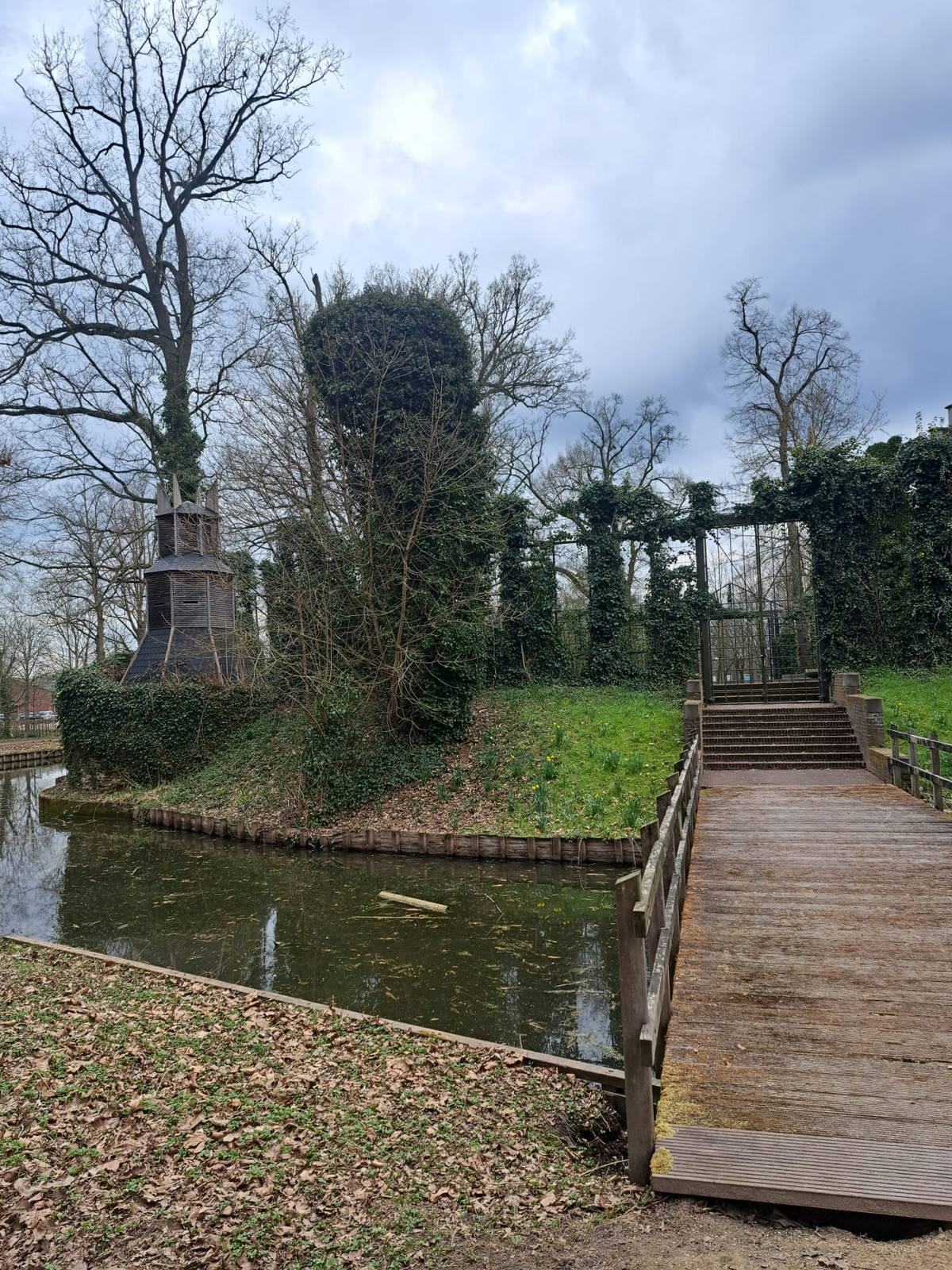
A motte stood on the site by the thirteenth century. Remains of a thirteenth-century castle survive, and the motte was later replaced, probably in the fourteenth century, by a castle with a moat and four towers.
The 1515 castle and park
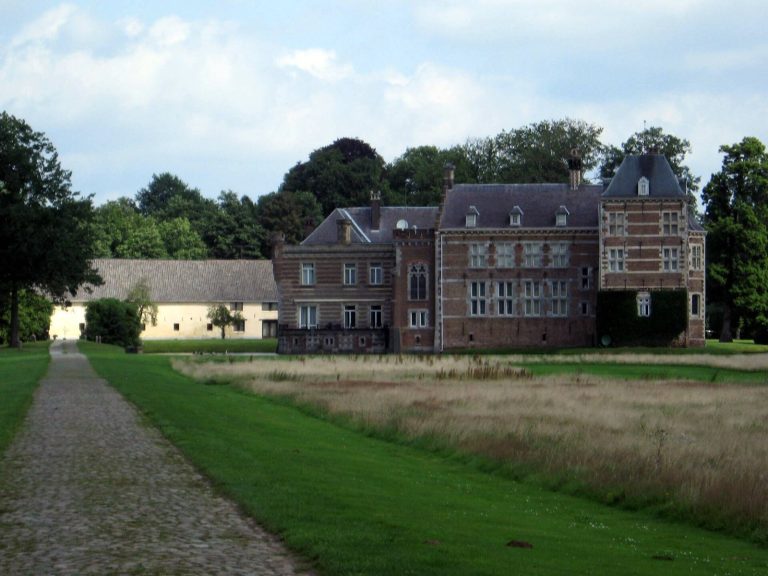
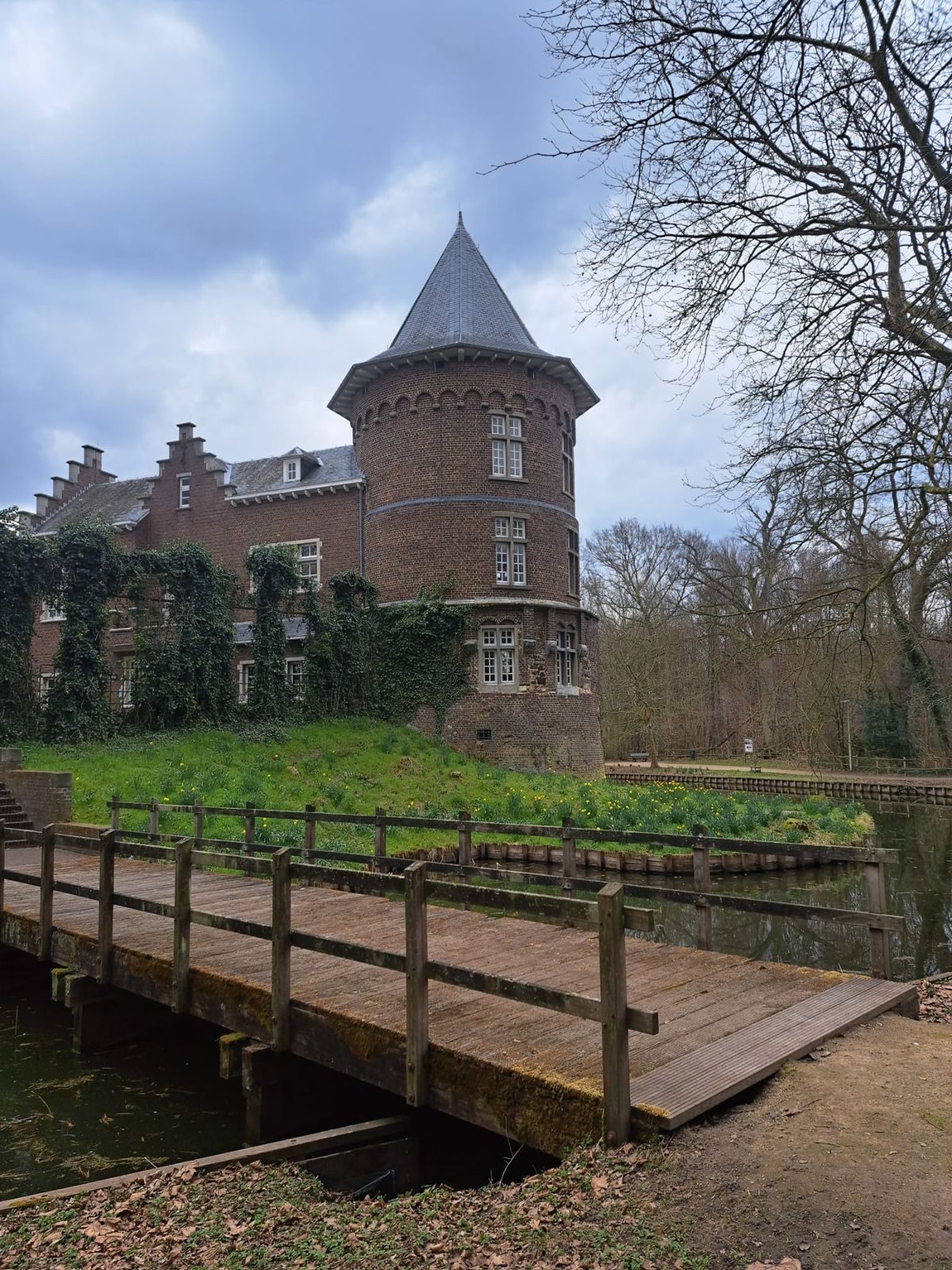
The most visible castle remains are from the residence built by Érard de La Marck in 1515, together with its moats. The park laid out during this transformation included statues and fountains.
Later estate features
Improvements made in 1930 included renovation of the estate pond and the construction of two tennis courts. The Prinsbeemden nature reserve lies east of the Prinsenhof.