Reuversweerd: An Empire-Style Country House in the Netherlands
Site at a Glance
- Rating
- 4.3
- Popularity
- Low
- Country
- Netherlands
- Primary era
- Modern
- Eras represented
- Modern
- Civilizations
- Dutch
- Site type
- Domestic
- Remains
- Elite Residence
On this page4 sections
History
Construction and early ownership
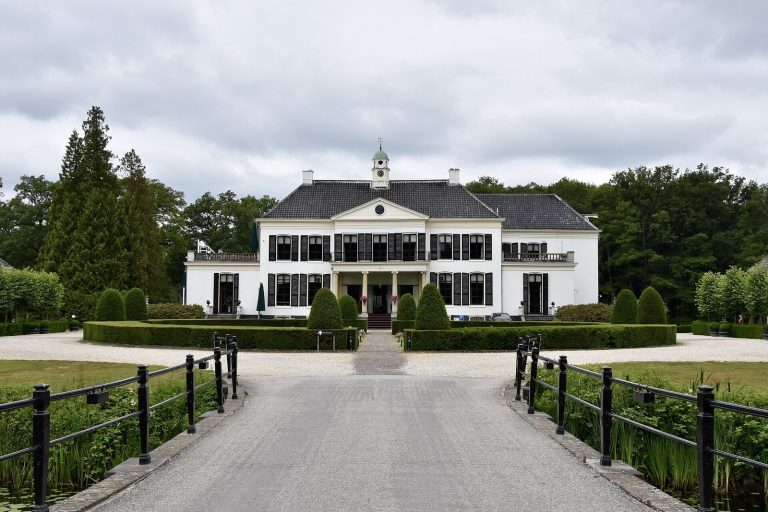
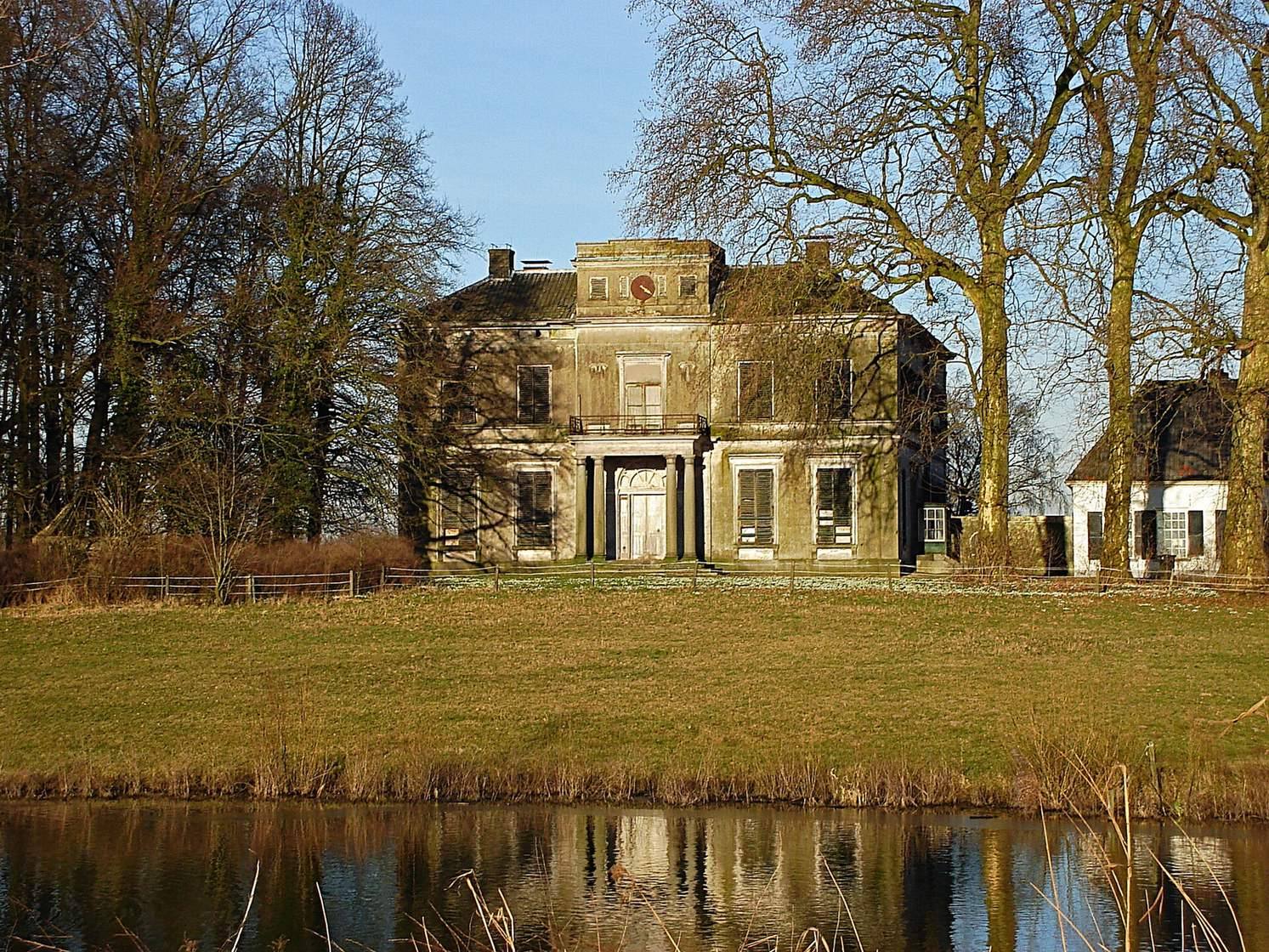
Reuversweerd is a stone country house in Cortenoever, a hamlet in the municipality of Brummen, Gelderland, Netherlands. Built in 1830 in the Empire style, an early nineteenth-century architectural style associated with the Napoleonic Empire, it initially belonged to the Colenbrander family of Gelderland. After the family died out, Dutch nobleman J.G.W.H. baron van Sytzama acquired the house in 1941.
War and later history
During the Second World War, German forces used Reuversweerd as a radio direction-finding station, which used radio signals to locate their source. Members of the Dutch SS, a Dutch Nazi collaborationist organization associated with the German SS, later executed Van Sytzama. At the end of the war, Canadian shelling severely damaged the house. It stood vacant from April 1945 and was later used for offices and storage.
Reuversweerd became a Dutch national monument on 15 March 1978, a heritage site protected under the Netherlands’ national system. Plans to convert the house into apartments could not meet residential-use requirements because the owner’s farm was only 43 metres away. The farm’s resident left in 2017.
Remains
The house is built of stone. Restoration work was underway in 2018, with the aim of bringing it as close as possible to its former condition.