Crollage Castle: A Historic Agricultural Estate in Germany
Site at a Glance
- Rating
- 4.3
- Popularity
- Very Low
- Country
- Germany
- Primary era
- Early Modern
- Eras represented
- Early Modern
- Civilizations
- Brandenburg-Prussia, Holy Roman Empire
- Site type
- Domestic
- Remains
- Castle
On this page5 sections
History
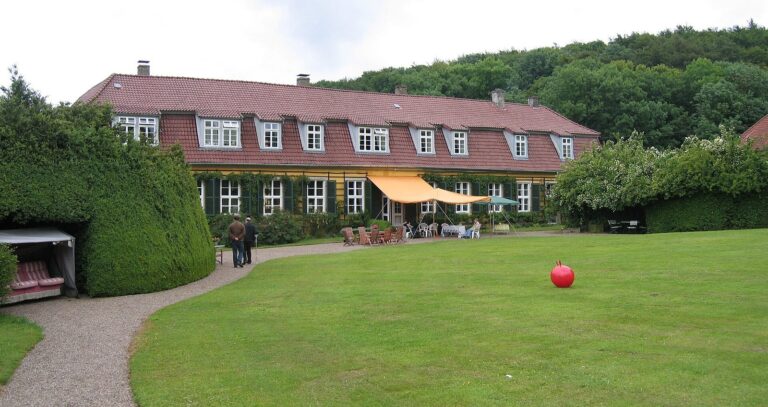
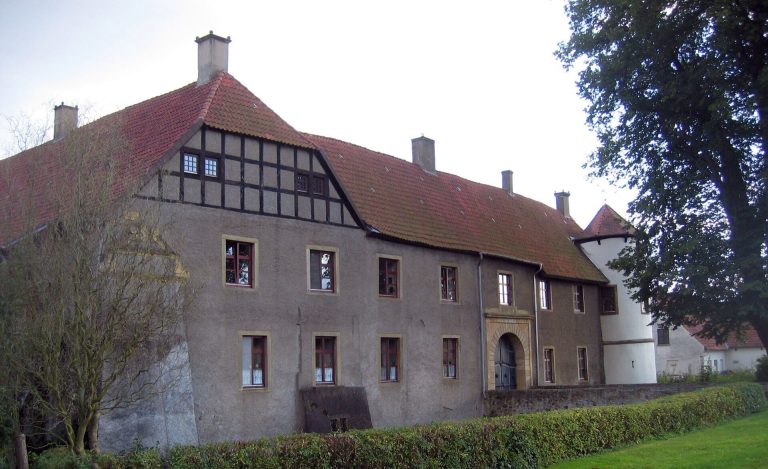
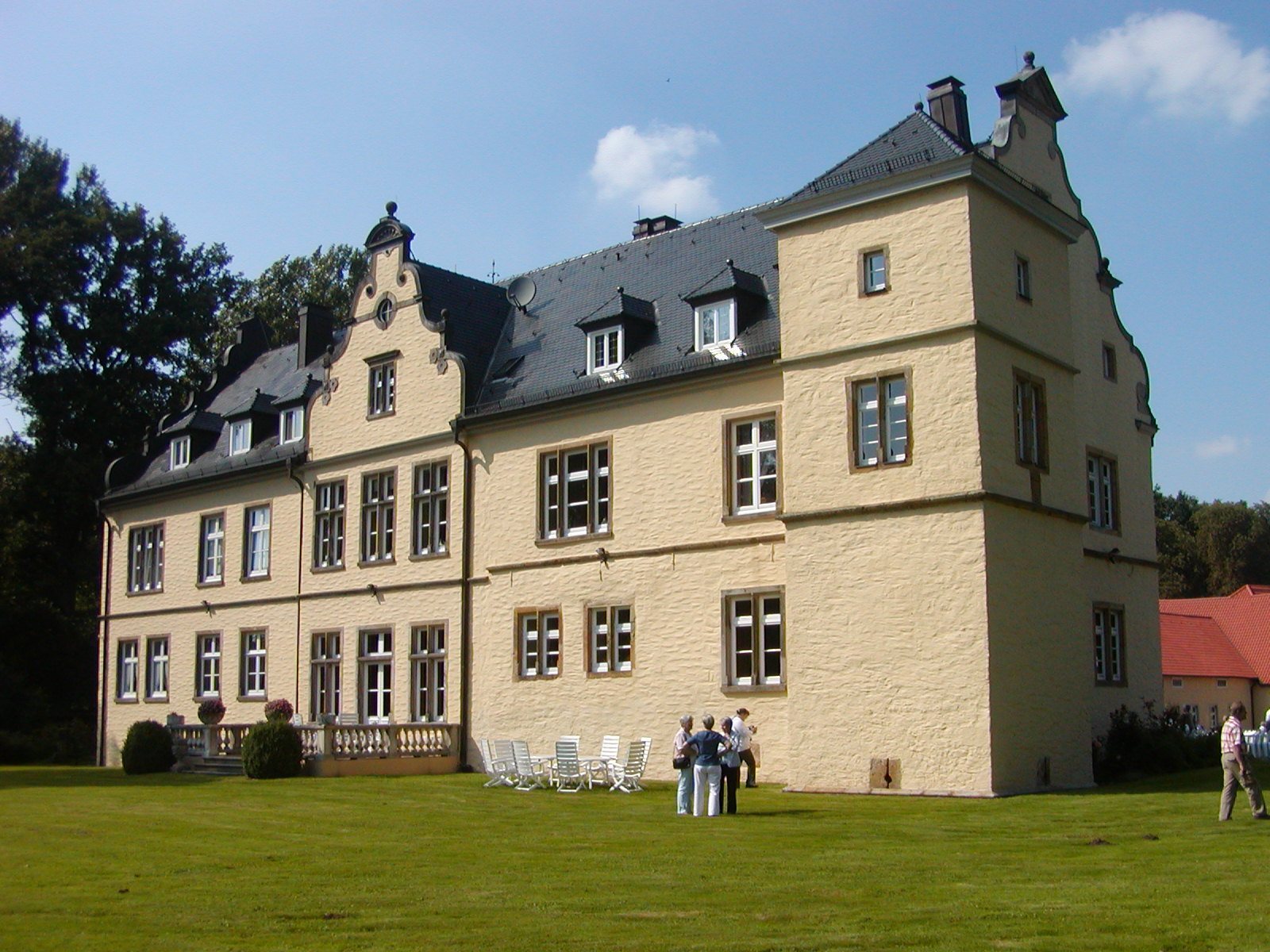
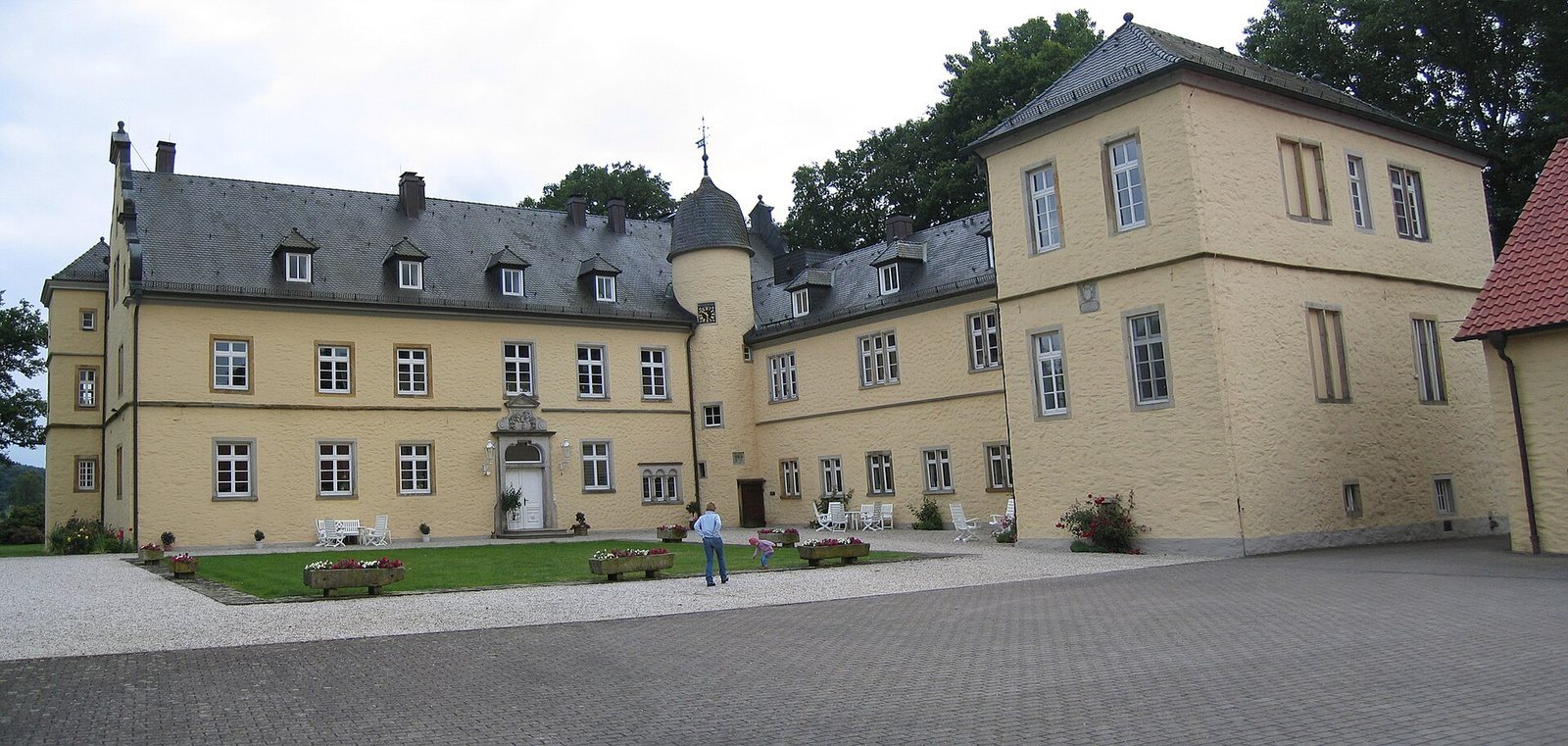
Crollage Castle is a historic estate near Bad Holzhausen in Germany, established as a knightly estate in the 14th century. Its castle reflects the Weser Renaissance, a regional style of the Weser area associated especially with buildings of the 16th and early 17th centuries. The estate was entitled to representation in the estates assembly of the County of Ravensberg, a Westphalian territory whose assembly represented privileged social orders.
From estate to castle
First recorded in 1350, Crollage was a fief of Herford Abbey, a Benedictine women’s abbey in the town of Herford. Its first owner was the knight Bertold von Haren. In the early 16th century, the estate passed through marriage to the von Langen family. Herbort von Langen had a castle built there in 1578, replacing the estate buildings.
Von Ledebur ownership
The von Ledebur family acquired Crollage in 1623. Between 1664 and 1668, Gerhard Jan von Ledebur enlarged and remodelled the castle, which was remodelled again in 1856. Wilhelm von Ledebur was born at Crollage in 1859, and Luise von Bodelschwingh, born into the von Ledebur family, in 1868.
Modern ownership and use
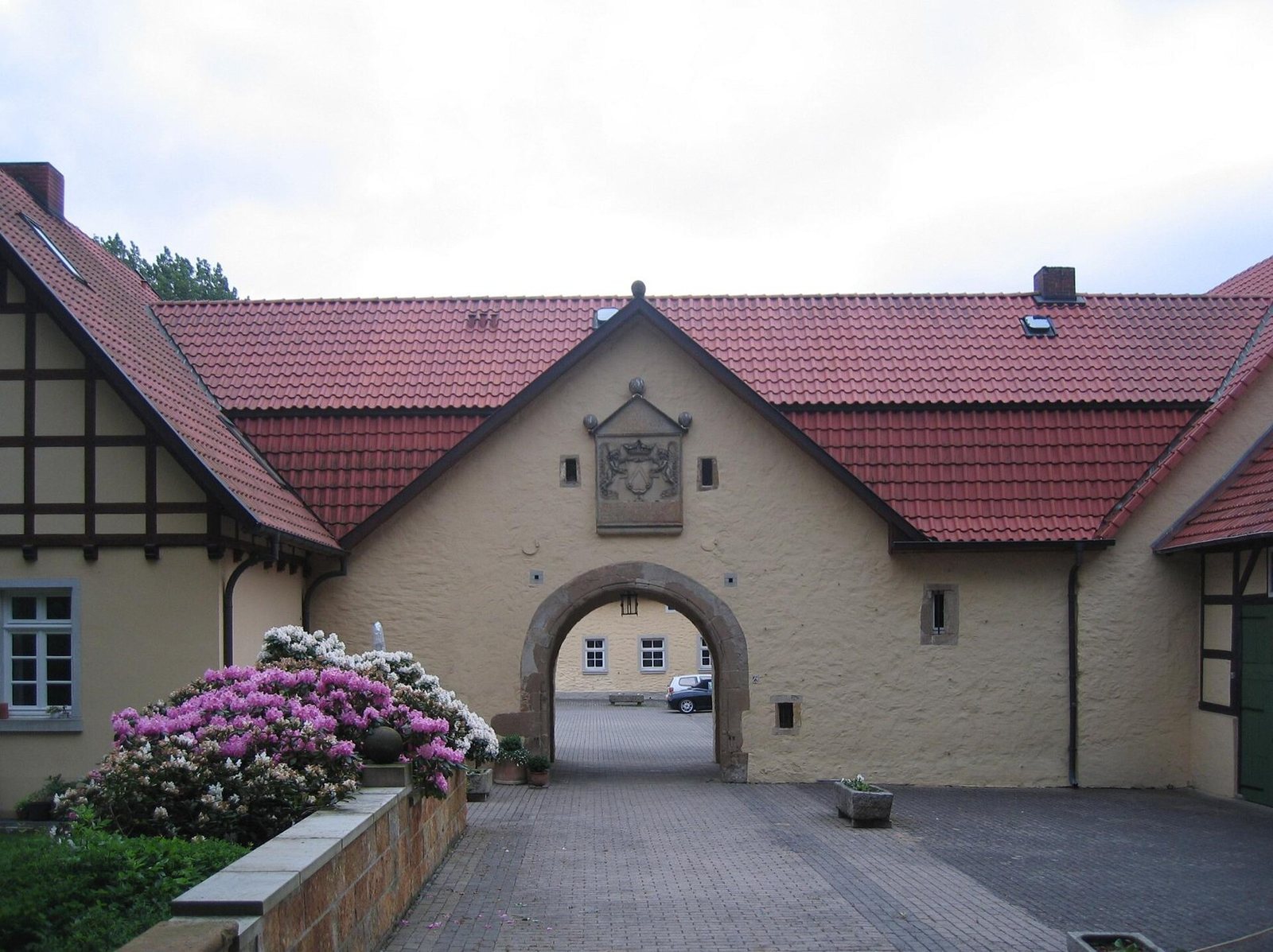
The von Ledeburs sold the estate in 1968 to H. Rafflenbeul, who arranged extensive renovation and modernization of the castle and expanded the agricultural operation. Crollage continues to be used for agriculture.
Remains
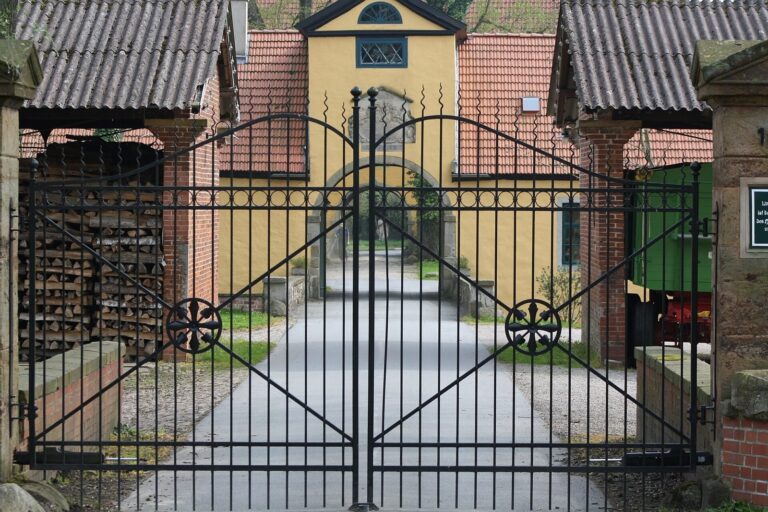
The estate lies about 1.5 km south of Bad Holzhausen, in the valley of the Great Aue on the north side of the Wiehen Hills. Its surviving features include the castle and a former estate park that remains recognizable.