Maarsbergen Castle: A Country House in the Netherlands
Site at a Glance
- Popularity
- Medium
- Country
- Netherlands
- Primary era
- Early Modern
- Eras represented
- Early Modern
- Civilizations
- Dutch
- Site type
- Domestic
- Remains
- Castle
On this page9 sections
History
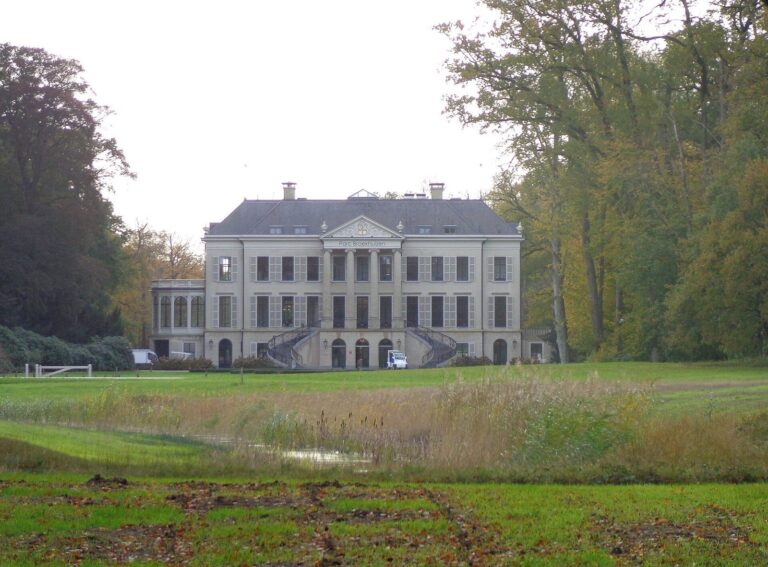
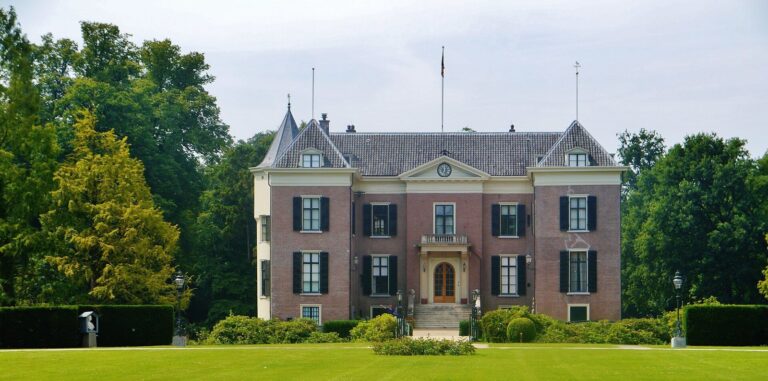
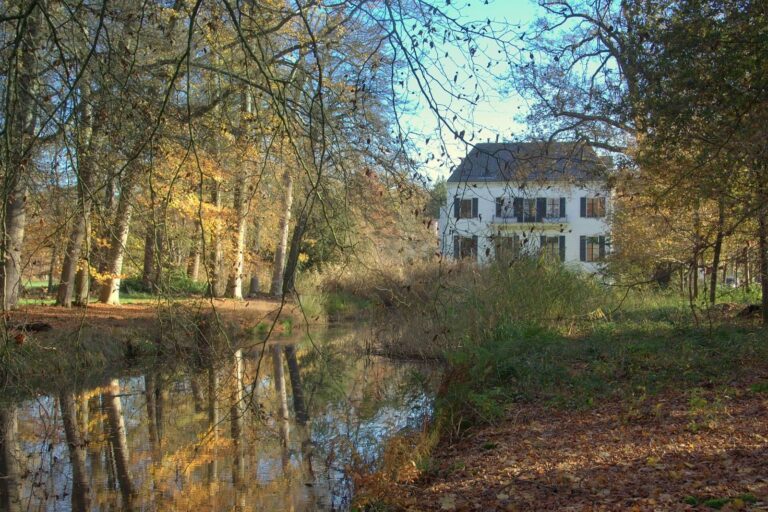
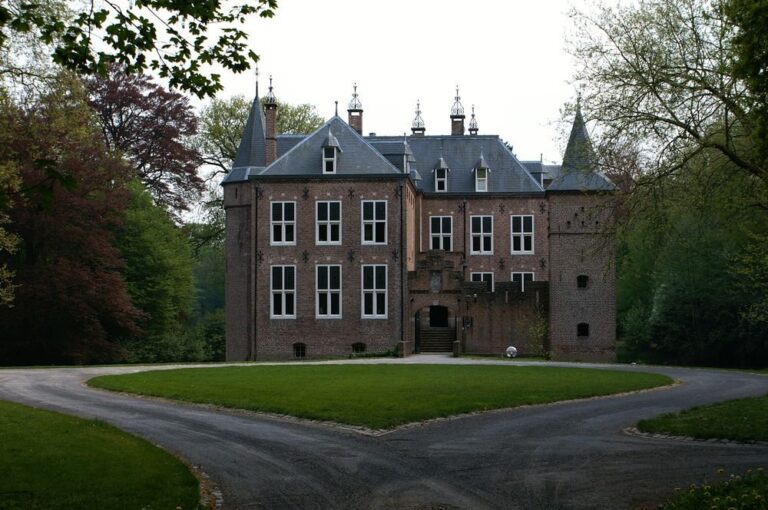
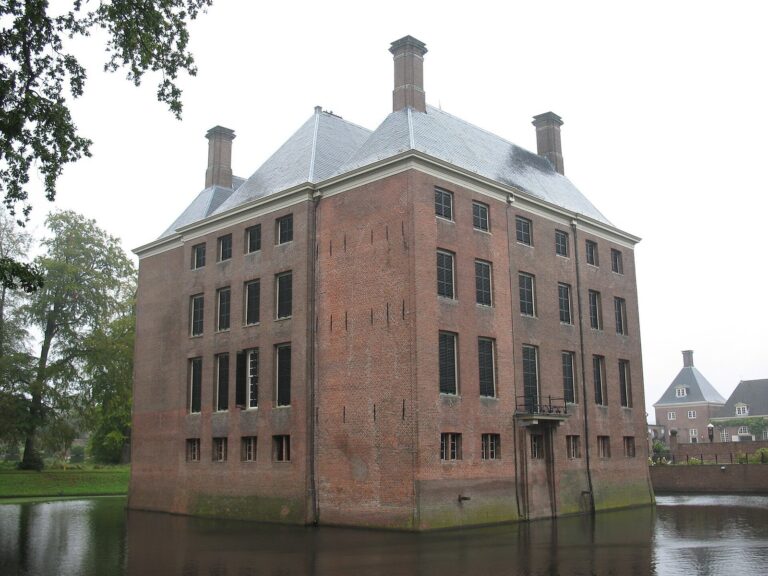
Maarsbergen Castle is a country house in Maarsbergen, Netherlands, built in 1660 on an estate with medieval monastic origins. Its architecture is described as Neo-Gothic, a nineteenth-century revival of Gothic forms, while its broad present appearance was already established by the seventeenth century. The property developed from an abbey holding into a private estate.
Medieval abbey estate
In the early Middle Ages, much of the land around Maarsbergen belonged to the knightly estate of Berne, near Heusden. Knight Fulco van Berne, also known as Folcoldus, acquired land there through his marriage to the daughter of the lord of Heusden. In 1134, he donated his holdings, including Maarsbergen, to Norbertine monks, a Catholic religious order founded by Norbert of Xanten. Bishop Andries of Utrecht confirmed the foundation of an abbey.
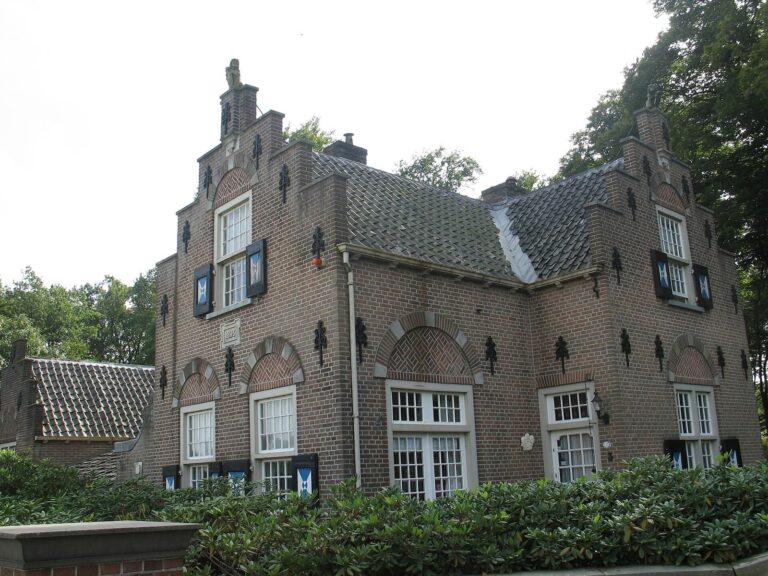
The monastery was destroyed and rebuilt in 1218 and again in 1430. It later served as a residence for provosts, senior church officers who leased the abbey’s land. The house became known as the Provost’s House.
From abbey holding to country house
In 1610, the estate was described as a moated, fortified farm with a duck decoy, a pond or waterway arranged to catch wild ducks. It remained an outlying holding of the Abbey of Berne until 1621, when its last provost was dismissed for mismanagement.
In 1648, the Peace of Münster, a treaty between the Dutch Republic and Spain that ended the Eighty Years’ War, enabled the States of Holland, the province’s governing assembly, to confiscate the lands. They sold the property in 1656 to Amsterdam merchant Samuel de Marez. The old Provost’s House had fallen into severe neglect, so de Marez selected another site for a new house, completed in 1660.
Family ownership and later history
The house remained in the de Marez family until 1764. Karel Antonie Godin de Beaufort bought it in 1882, and it has remained family property since then. Its best-known resident was automobile racing driver Carel Godin de Beaufort. The house continues to serve as a residence and is designated a national monument.
Remains
Buildings and landscape features
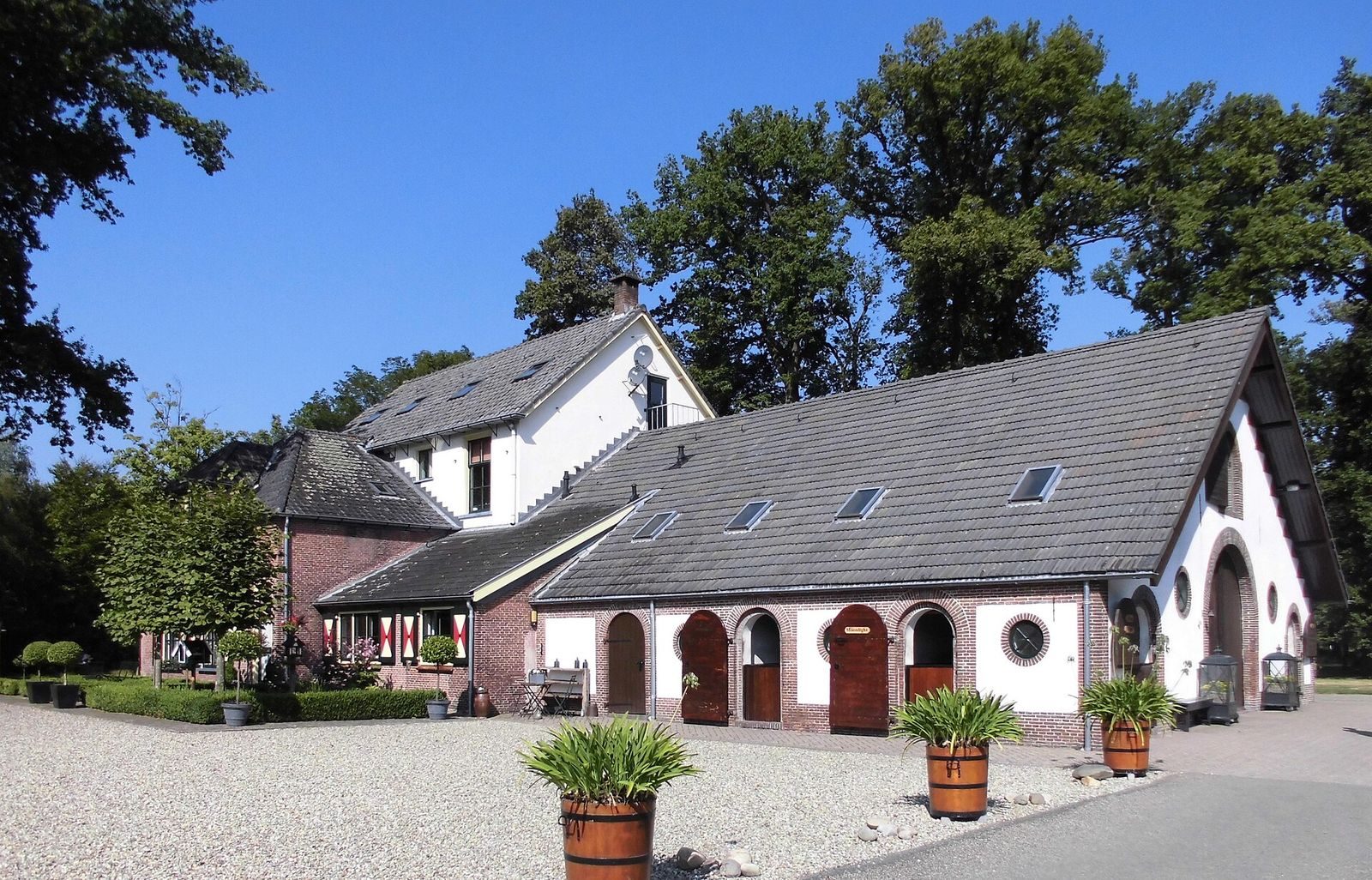
Present country house
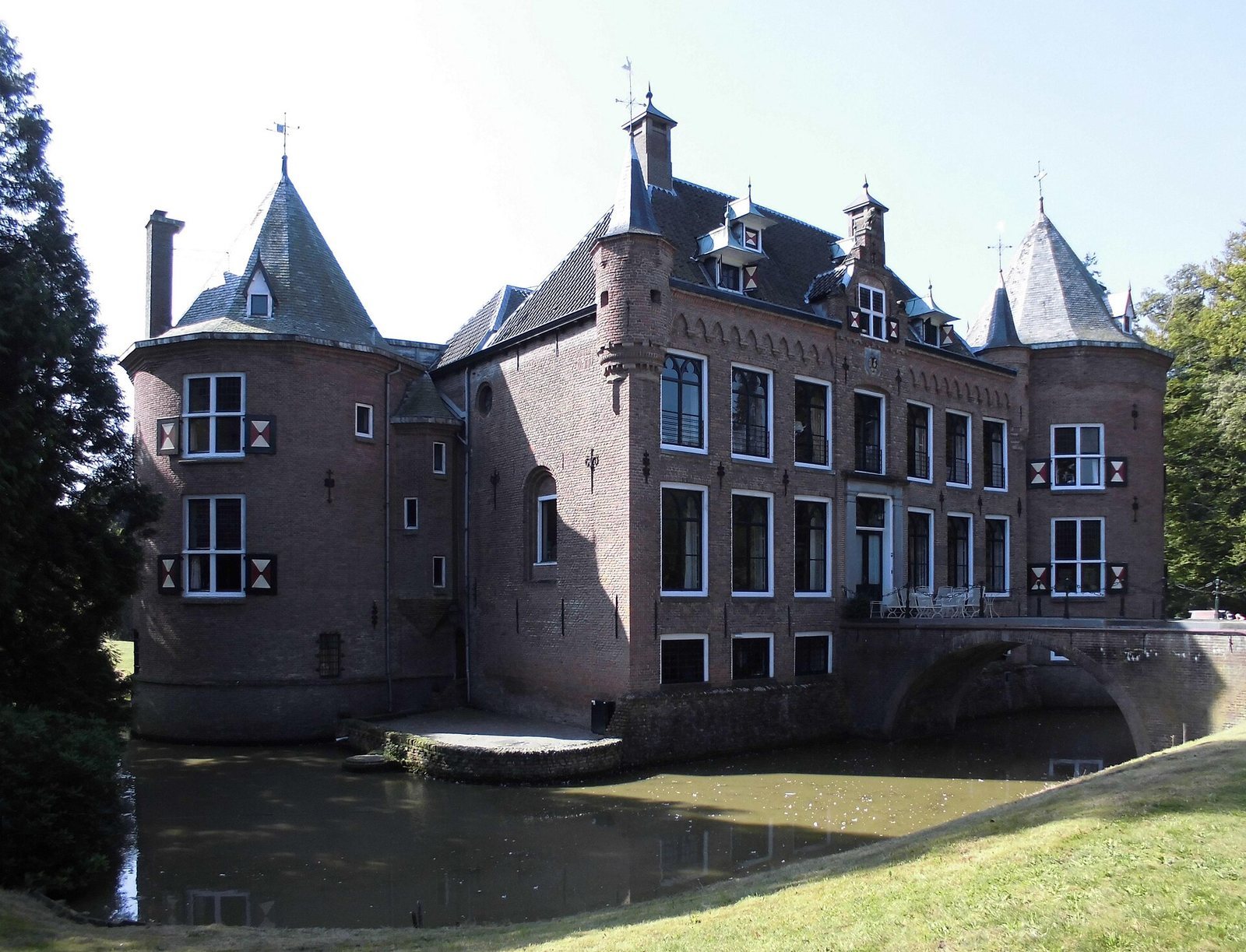
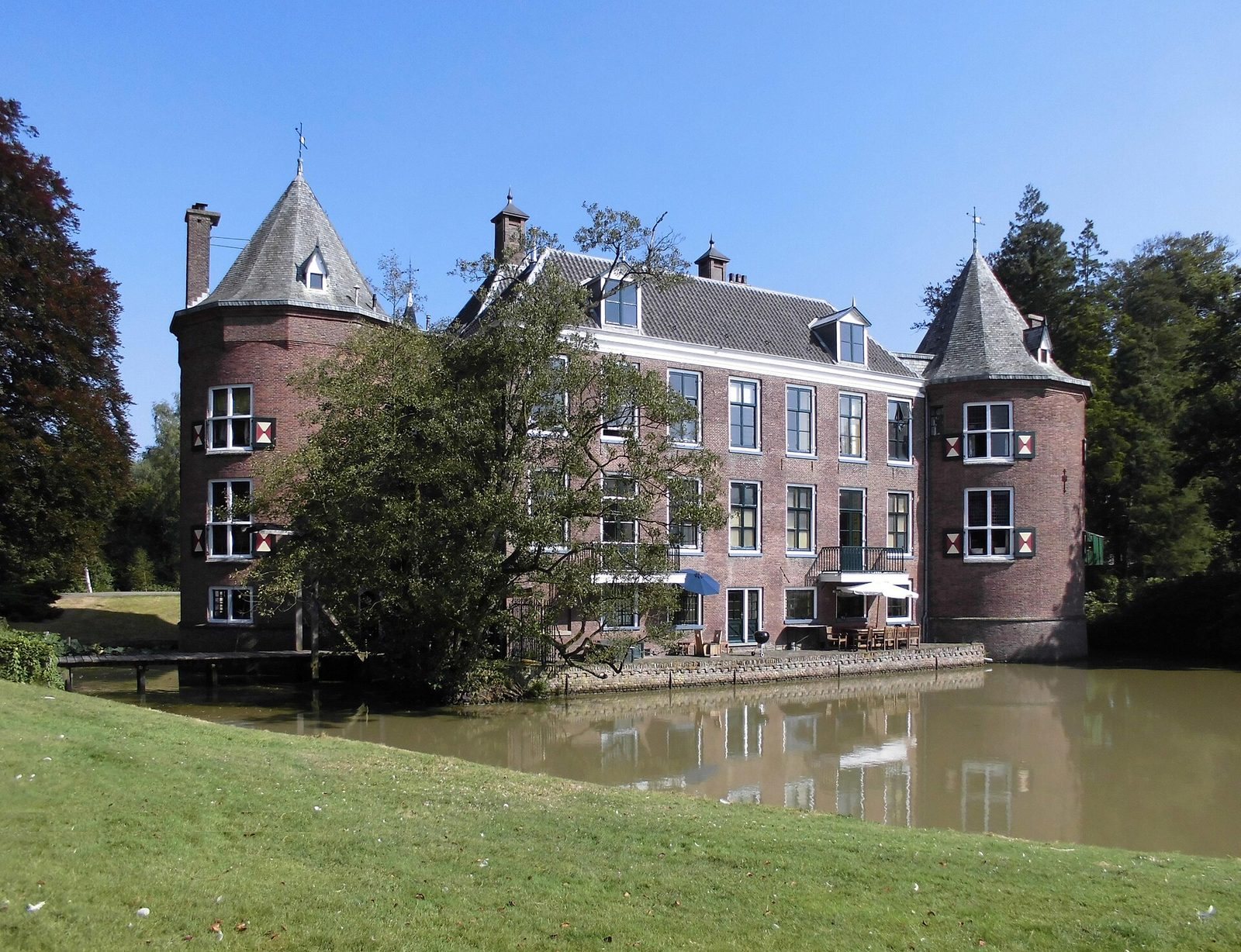
The castle-like country house stands on a different site from the earlier Provost’s House. Its design includes two round corner towers. Both towers were demolished in 1804 and rebuilt in 1930.
Provost’s House and farm
The former Provost’s House stood near the present-day farm De Koedam. It still appeared on a map from 1676, and remnants of its walls were found there in 1870. The earlier farm complex also included a duck decoy, situated in the area of today’s De Kom nature reserve.
Folcoldus Hill
Folcoldus Hill lies south of the park and contains the tomb of the Godin de Beaufort family.