Kasteel IJsselstein: A Medieval Castle in the Netherlands
Site at a Glance
- Popularity
- Medium
- Country
- Netherlands
- Primary era
- Medieval
- Eras represented
- Medieval
- Civilizations
- Holy Roman Empire
- Site type
- Military
- Remains
- Castle
On this page4 sections
History
Kasteel IJsselstein is a medieval castle in the center of IJsselstein, in the Netherlands. It was built before 1144, the year it first appears in a record.
Origins and growth of IJsselstein
In 1297, Bertha van Heukelom, wife of the local nobleman Gijsbert van IJsselstein, defended the castle through a siege that lasted a year. Around 1300, members of the medieval Van Amstel noble family founded the settlement of IJsselstein from the castle and adopted the name Van IJsselstein.
Gijsbrecht van IJsselstein, a local medieval lord, received permission from the bishop of Utrecht to build a parish church in the settlement. Dedicated to Saint Nicholas, a Christian saint traditionally identified as a bishop of Myra, the church was consecrated in 1310. Under Gijsbrecht, IJsselstein developed from a castle with a few surrounding farms into a prosperous town.
Rebuilding and decline
The castle was demolished in 1418 with the approval of Jacoba of Bavaria, also known as Jacqueline of Hainaut, a 15th-century ruler in the Low Countries. It was rebuilt in 1427. Floris van Egmont, a nobleman of the prominent House of Egmont, is also identified as a commissioner associated with the castle.
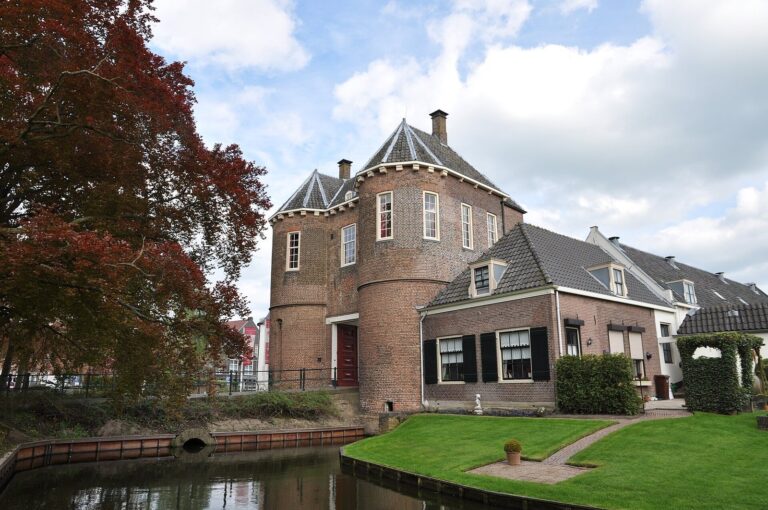
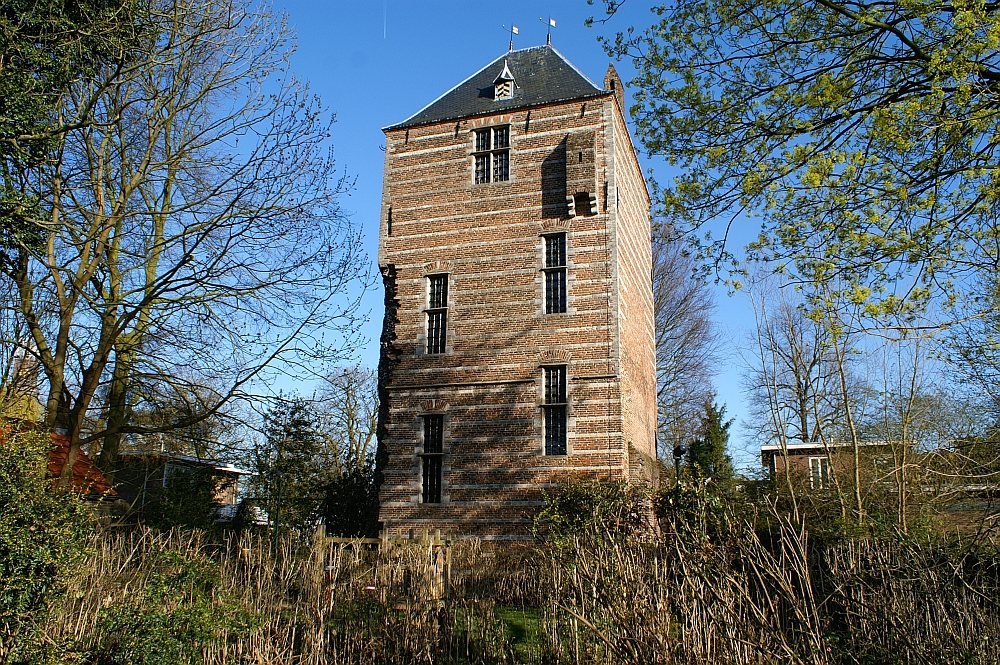
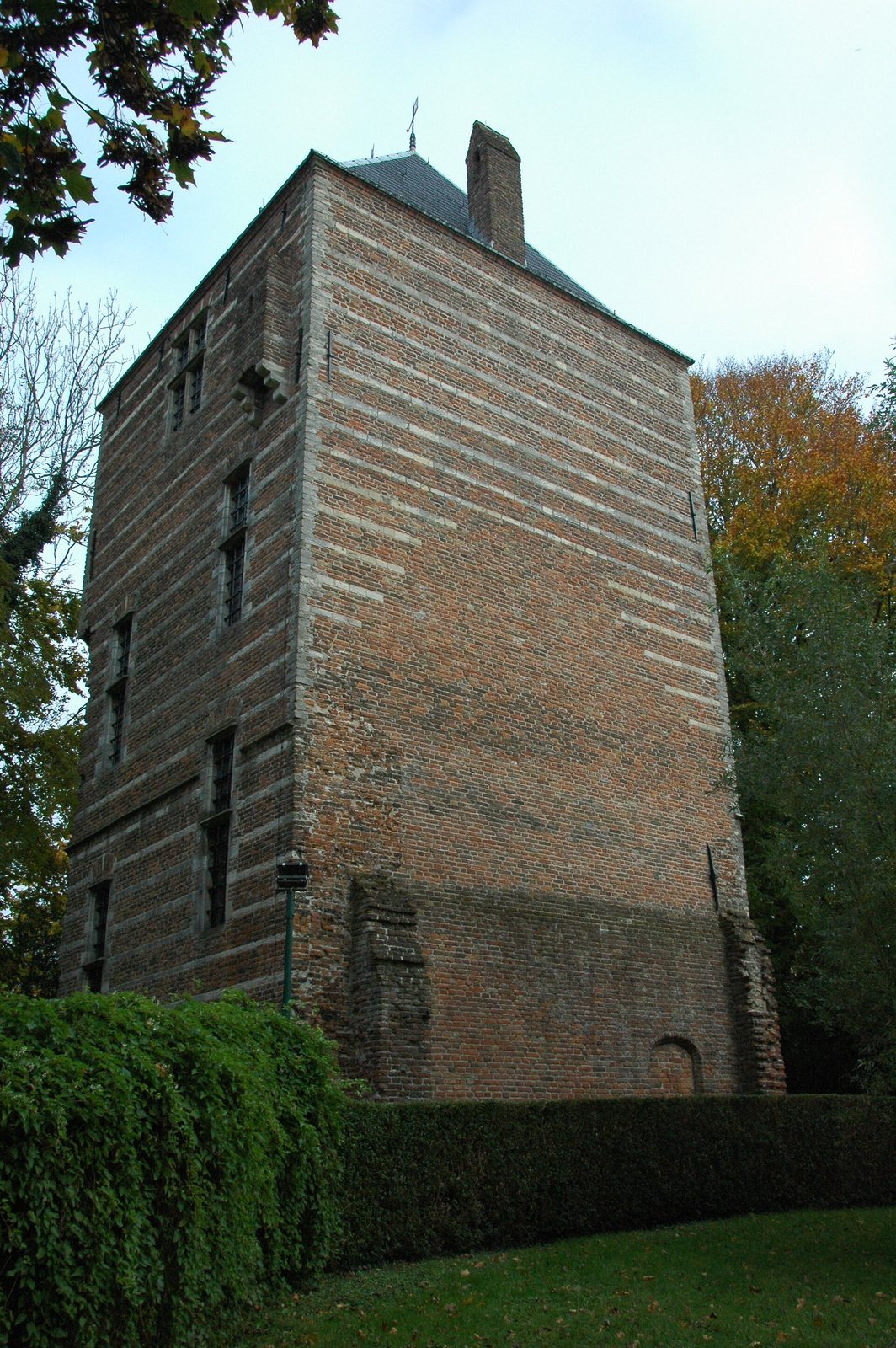
The castle lost its function after 1511. Its condition declined steadily from around 1700, and it was demolished in 1887, with the main tower retained. Kasteel IJsselstein is listed as a Dutch Rijksmonument, a monument protected as national heritage. It also plays a leading role in the 19th-century children’s book Fulco the Minstrel.
Remains
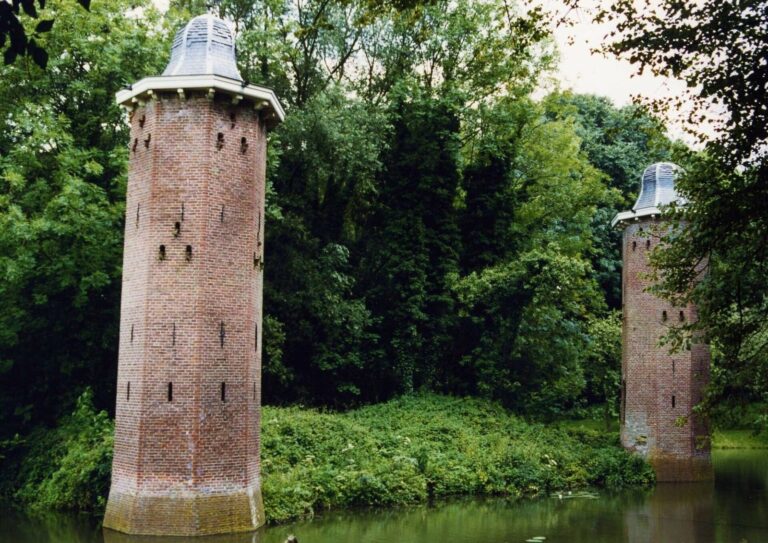
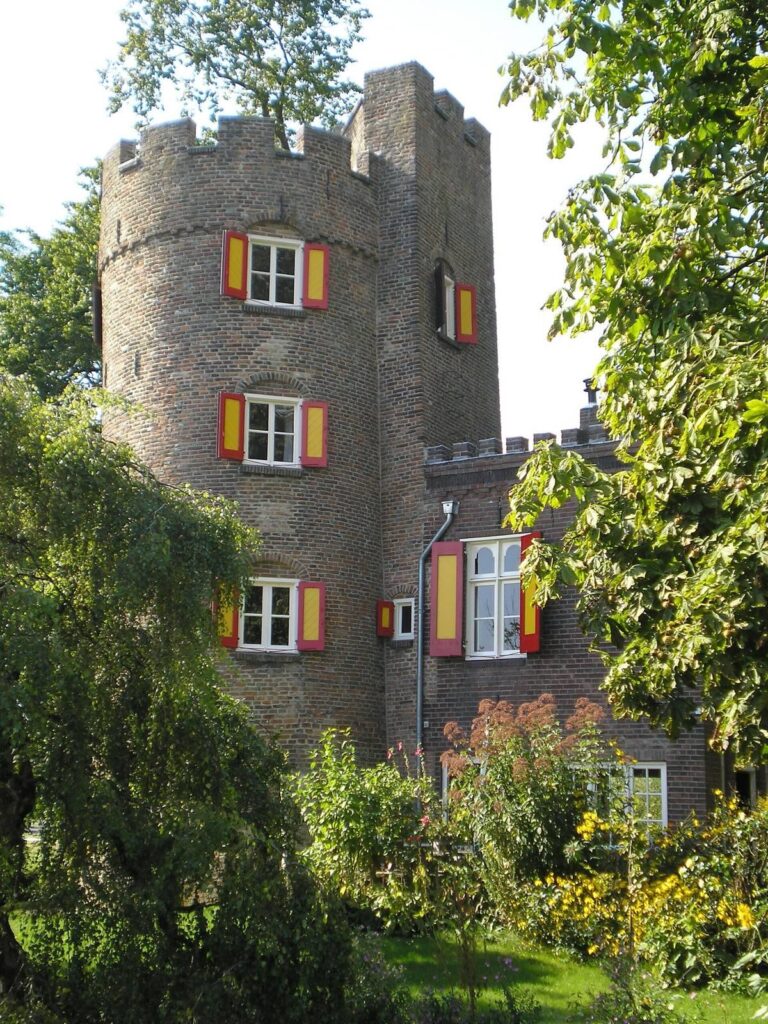
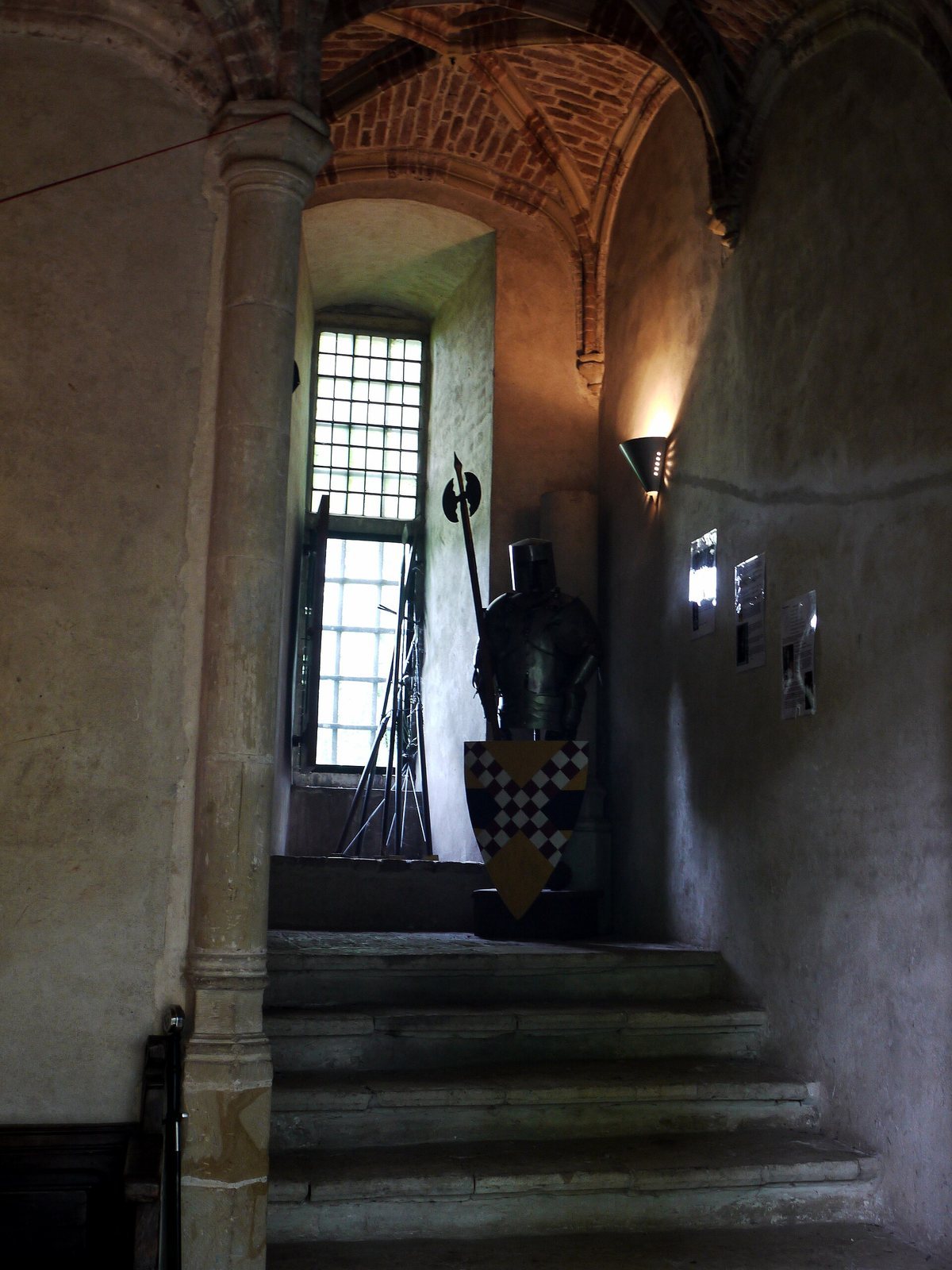
The castle was built in the Gothic style, a medieval architectural tradition associated with pointed arches and ribbed vaults. Its main tower, the Looierstoren, also called the Traptoren, stands on Kasteellaan. Jan de Beijer drew the castle around 1745. An etching by Jacobus Schijnvoet, based on a drawing by Roelant Roghman, dates to about 1750–1774.