Drie Koningen Castle: An Empire-Style Estate in Beernem
Site at a Glance
- Popularity
- Low
- Country
- Belgium
- Primary era
- Modern
- Eras represented
- Modern
- Civilizations
- Belgian, French
- Site type
- Domestic
- Remains
- Castle
On this page9 sections
History
From Carmelite lands to a family residence
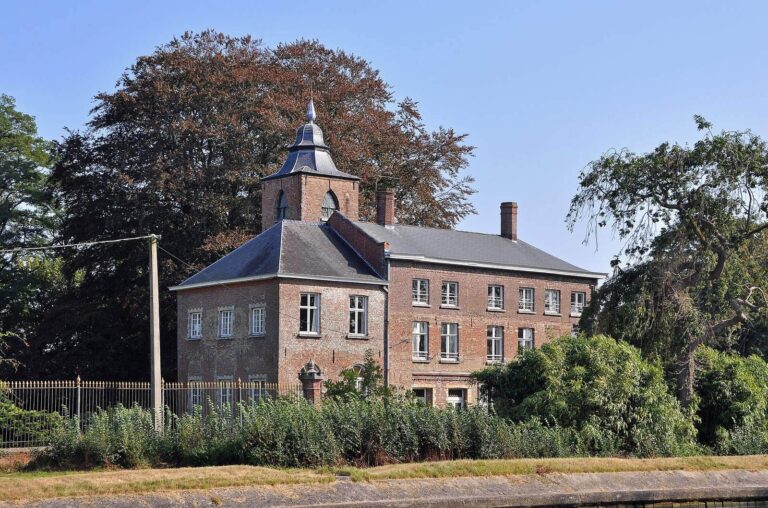
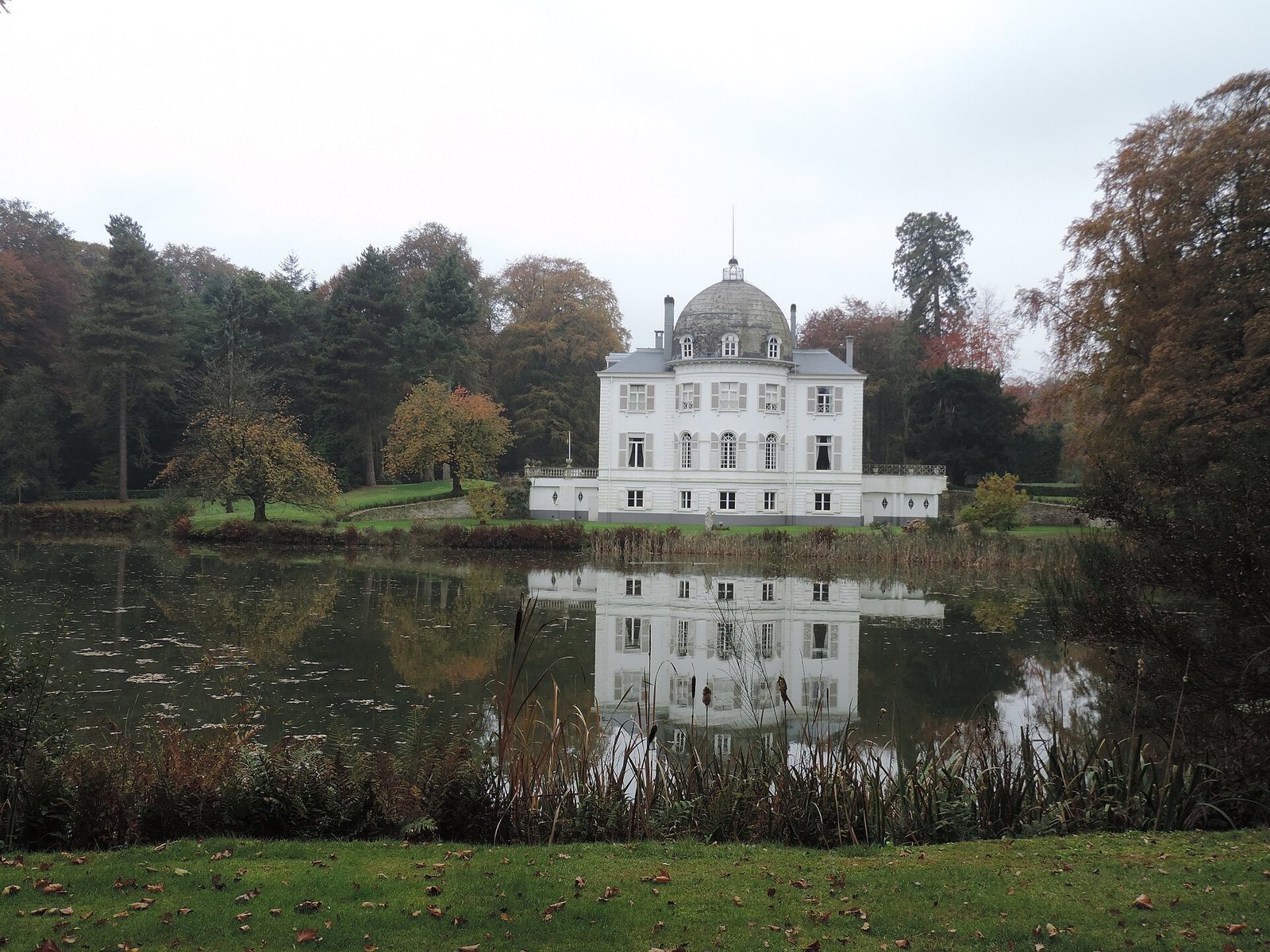
Drie Koningen Castle is an Empire-style residence in Beernem, Belgium, built in 1802 by Franciscus-Josephus-Joannes, Baron de Serret van Outryve. Before the French Revolution, the estate belonged to the Discalced Carmelites, a reform branch of the Carmelite order traditionally associated with bare feet or simple sandals. French revolutionary authorities confiscated church lands and sold them as National Property to raise money for the state. Canon Jean-Georges van Outryve, a cleric belonging to a cathedral chapter, bought the grounds in 1798 and transferred them in 1802 to his brother-in-law, who built the castle.
The castle was first known as Meerberg or Hoge Maere, names referring to the estate’s highest hill. Its present name came from an inn called Drie Koningen, which stood at a nearby crossroads from 1565. The inn later became a farmstead, now at Drie Koningen No. 13. Some of the castle’s building material is thought to have been salvaged from St Donatian’s Cathedral in Bruges. French authorities demolished the cathedral in 1799, after it had also been sold as National Property.
The estate in the nineteenth century
Baron François de Serret, a forestry specialist, laid out the estate’s 20-hectare park around 1815. In 1813, after an audience with Napoleon, François received the title Baron of the Empire, a rank in the French imperial nobility. The castle was renovated in 1858, 1871, and 1909.
A chapel was built at a burial site on the estate in 1884. Its design was by Jean-Baptiste de Béthune, a Belgian architect associated with the Gothic Revival.
Wartime and cultural gatherings
Hubert van Outryve d’Ydewalle succeeded his father as mayor of Beernem and held the office from 1940 until his death. German occupying troops arrested him at the castle on 11 June 1944. He died in Straubing prison in Germany on 5 April 1945. His remains were returned and buried a few dozen metres from the castle.
From the 1950s through 1982, Hubert’s widow, Hélène du Sart de Bouland, held art weekends at the castle in his memory. Hubert had written Noblesse en Flandre, a book urging the nobility to engage with the wider public and participate in cultural life. Hélène had married Count Charles d’Hespel in 1947. The gatherings included writers Bertien Buyl and Paul Lebeau; painters Jack Godderis, Joris Houwen, Godfried Vervisch, and Frans Minnaert; sculptor Géo Vindevogel; cartoonist Marc Sleen; actor-director Marc Leemans; and composers Herman Roelstraete and Jef Tinel. Prince Charles, who served as regent of Belgium from 1944 to 1950, also attended.
Protection and ownership
A ministerial order protected the castle as a monument on 17 January 1985. After Raynier van Ouytryve d’Ydewalle died, the estate was divided among his children Aude, Isaure, and Harald. Harald Van Outryve d’Ydewalle has owned the castle itself since 2007.
Remains
The castle stands on the highest hill of its estate, beside the provincial park of Lippensgoed-Bulskampveld. The Empire-style building’s reception room overlooks a pond, and the estate includes a 20-hectare park.
Estate park
The park contains several rare trees, including a giant sequoia that measured 25 metres in height in 1990, a Spanish fir, a tulip tree, and large chestnut trees.
Road and Carmelite farm
An old road begins in the Drie Koningen district, passes through the Bulskampveld estate, and continues to Bruges. Along it, the Carmelite fathers owned a farm called Oude Paterij and built a chapel.
Burial chapel and memorial
The estate has a funerary monument to Hubert van Outryve d’Ydewalle. Of the chapel erected at the burial site, only the façade at the altar end survives.