Károlyi Mansion, Fehérvárcsurgó: A Family Castle and Cultural Centre
Site at a Glance
- Popularity
- High
- Country
- Hungary
- Primary era
- Modern
- Eras represented
- Early Modern, Modern
- Civilizations
- Austria-Hungary, Austrian Empire, Habsburg, Habsburg Austria, Hungarian
- Site type
- Domestic
- Remains
- Castle
On this page12 sections
History
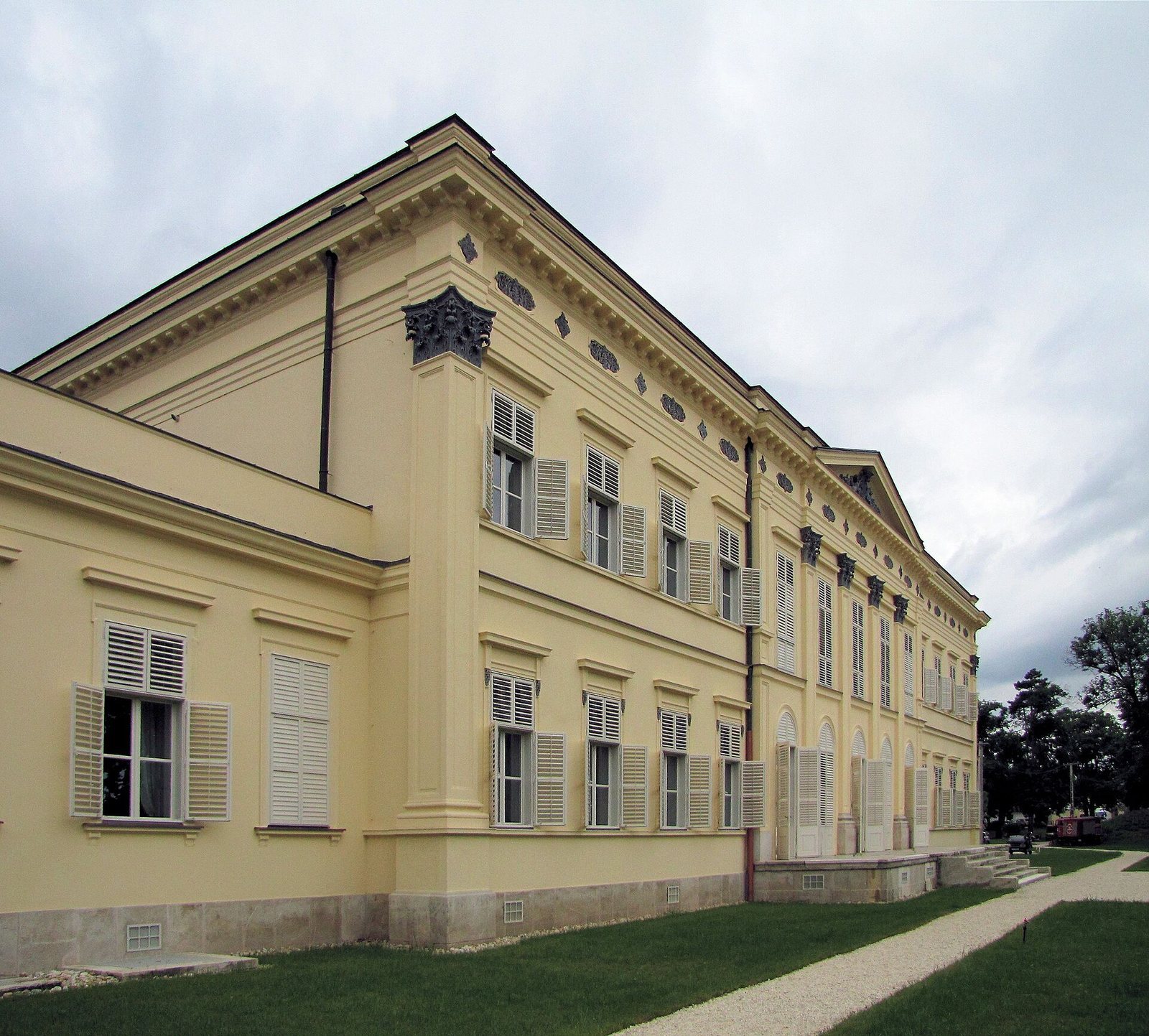
Károlyi Mansion, Fehérvárcsurgó, is a castle in Hungary built for the Károlyi family between 1844 and 1851. Its architecture combines classicist design, based on classical forms, with eclectic elements that bring together features from different styles. It now serves as a cultural meeting centre.
Before the Károlyi castle
The Hochburg family owned the Fehérvárcsurgó estate from 1691. It later passed to the Berényi family through the marriage of a Hochburg daughter, and subsequently to the Perényi family. Before 1786, Baron Ignác Perényi had a Baroque castle on the site of the present building. Baroque is a European style associated with elaborate ornament and dramatic forms.
In 1825, Count György Károlyi became a founding member of the Hungarian Academy of Sciences, Hungary’s national learned institution, after offering 40,000 forints at the reform parliament. In 1834, Imre Perényi mortgaged the estate to Károlyi.
Construction and family ownership
The Károlyi family had the present castle built between 1844 and 1851, during György Károlyi’s marriage to Countess Karolina Zichy. Henrich Koch designed the building. Miklós Ybl represented Koch and contributed to planning its artistic direction. The family formally purchased the estate in 1853.
After György’s death in 1877, his second son Viktor inherited the castle. By 1888 it belonged to Gyula Károlyi, an organizer and the first president of the Hungarian Red Cross Society, Hungary’s national Red Cross organization. Around 1910, József Károlyi oversaw changes to the courtyard-facing façade. He was a member of parliament and Lord Lieutenant, a senior county official, for Fejér County and Székesfehérvár. István Károlyi, founder and owner of Budapest’s Madách Theatre during the Second World War, was the family’s last owner.
Nationalization and new uses
After the Second World War, the state took the castle and estate from the Károlyi family and nationalized them without compensation. From 1946, Budapest Gas Works used the castle as a holiday resort. In 1949 it became a home for Greek refugee children, and later a state foster home. Deterioration led to its evacuation in 1979.
Conservation and current use
The State Conservancy of Monuments assumed management in 1995. Two years later, it agreed to work on the castle’s renovation and future use with the Károlyi József Foundation, established by György Károlyi, a grandson of József Károlyi. Renovation has continued through the Károlyi Castle Development and Operation Company.
The castle now operates as a cultural meeting centre and belongs to the European Network of Cultural Meeting Centers. It is owned by the Government of Hungary.
Remains
Building and courtyard
Main block and tower
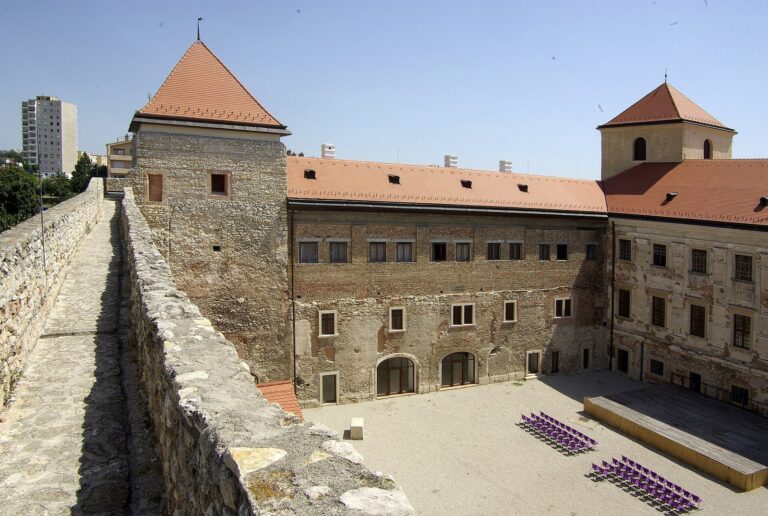
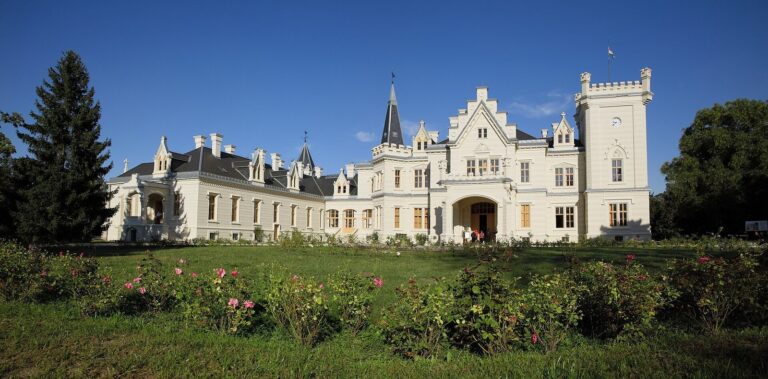
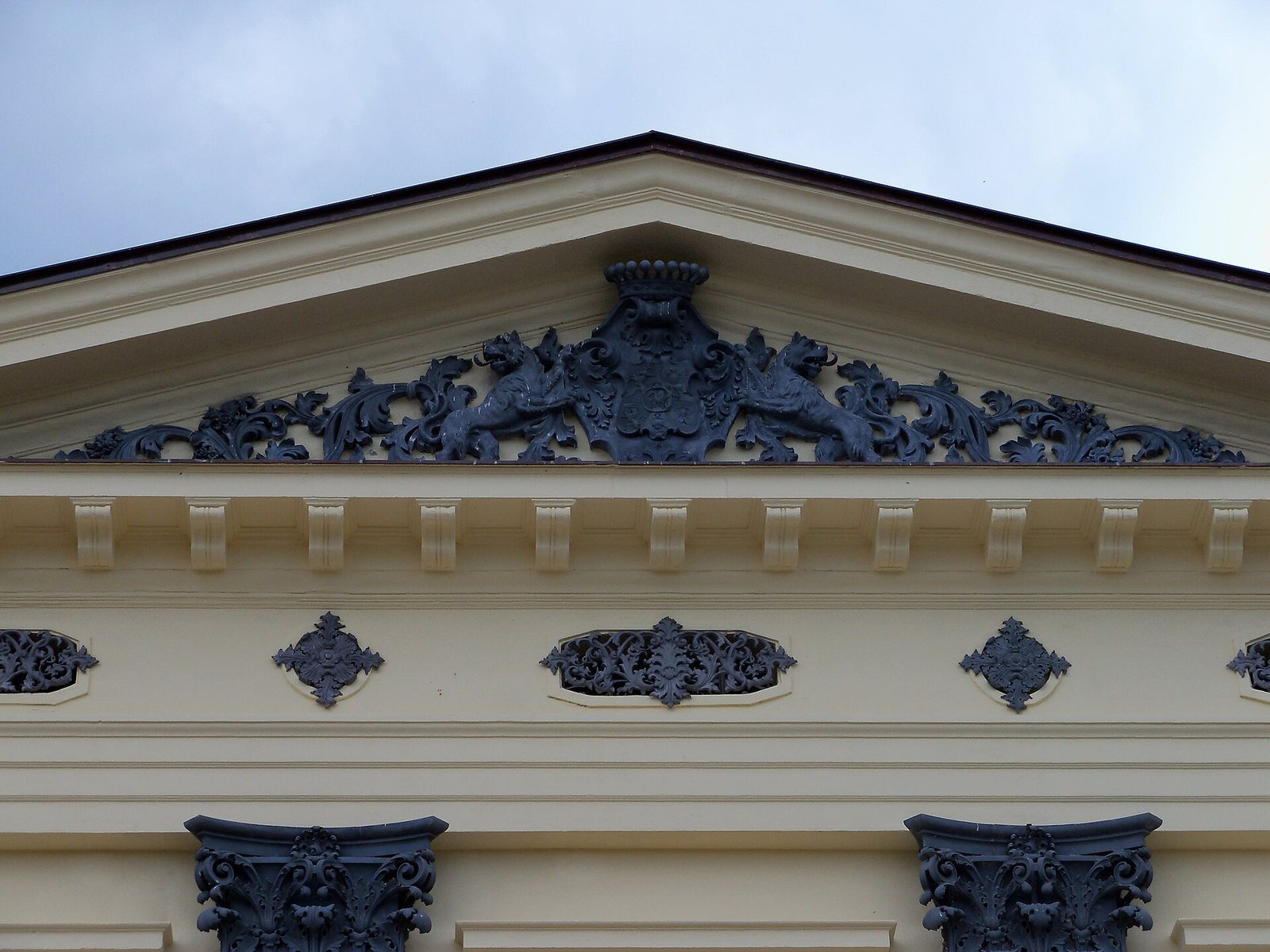
The castle has a U-shaped plan and combines classicist forms with eclectic features. Its central projection is topped by a tympanum, the central field within a pediment. A 30-metre-high tower stands at one side of the building. Each of its four corners has a small turret, with a balustrade, or railing formed from a row of supports, between them.
Courtyard
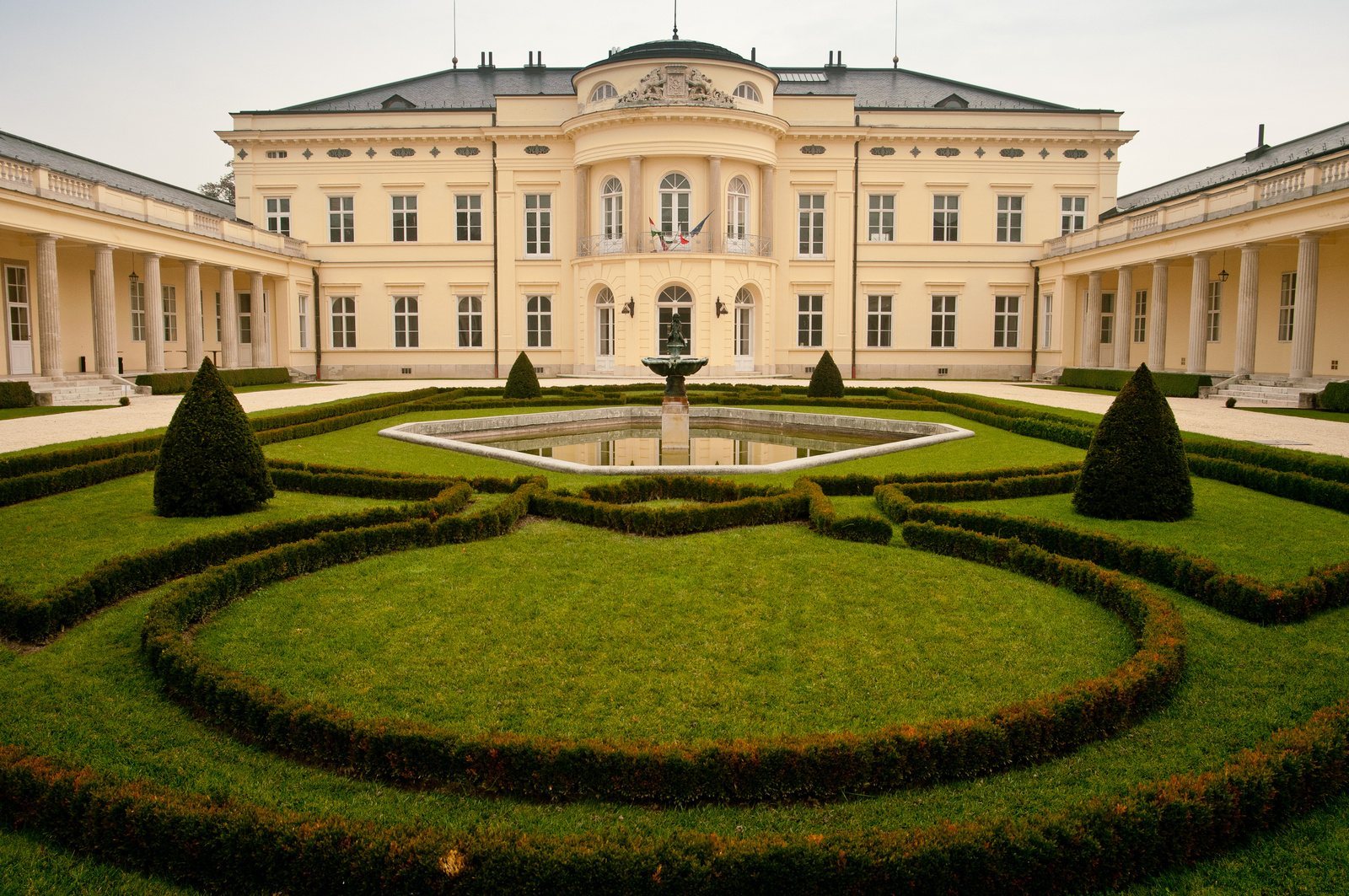
Around 1910, the courtyard-facing façade was remodelled in an eclectic Baroque manner. The work included a curved, elliptical extension at the middle of the U and a library room in the central part of the building. A French garden, a formal design with an ordered and often symmetrical layout, was created in the courtyard.
Collections
Szabolcs Vajay collection
The castle holds the book collection of Szabolcs Vajay, a historian and researcher of genealogy, the study of family descent, and heraldry, the study of coats of arms. The collection includes material on Hungarian and European family history, as well as correspondence, notes, and manuscripts.
Ferenc Fejtő library
Writer Ferenc Fejtő, who lived in France, donated a library of several thousand volumes to the castle, including his own works.