Karaman Castle: A Historic Fortress in Karaman, Turkey
Visitor Information
Google Rating: 4.1
Popularity: Medium
Official Website: karaman.ktb.gov.tr
Country: Turkey
Civilization: Medieval Islamic
Site type: Military
Remains: Castle
History
Karaman Castle is situated in the city of Karaman, Turkey. It was originally constructed by the Anatolian Seljuk Turks, with its earliest walls dating back to the late 11th or early 12th century. The inner fortifications were built during the reign of Sultan II Kılıç Arslan, who ruled from 1156 to 1192, while the outer walls were added shortly after by his successor, Sultan I. Gıyâseddin Keyhüsrev, between 1192 and 1196.
During the 14th and 15th centuries, the castle became the seat of the Karamanid beys, a prominent Turkish dynasty that controlled the region. They used the inner castle as their residence, overseeing administrative functions and governance from within its walls. Archaeological evidence shows that the Karamanids developed an extensive administrative complex in this period, which included halls for reception and throne ceremonies, living quarters, and facilities serving both private and public needs.
With the expansion of Ottoman control over Anatolia, the castle fell into decline and disrepair. The Ottomans repurposed some parts of the inner castle for the use of their provincial governors. At this time, building materials from other demolished structures within the city were incorporated into partial restorations of the fortress. Over the centuries, the castle was neglected, with its defensive use diminishing as the region’s military and political landscapes evolved.
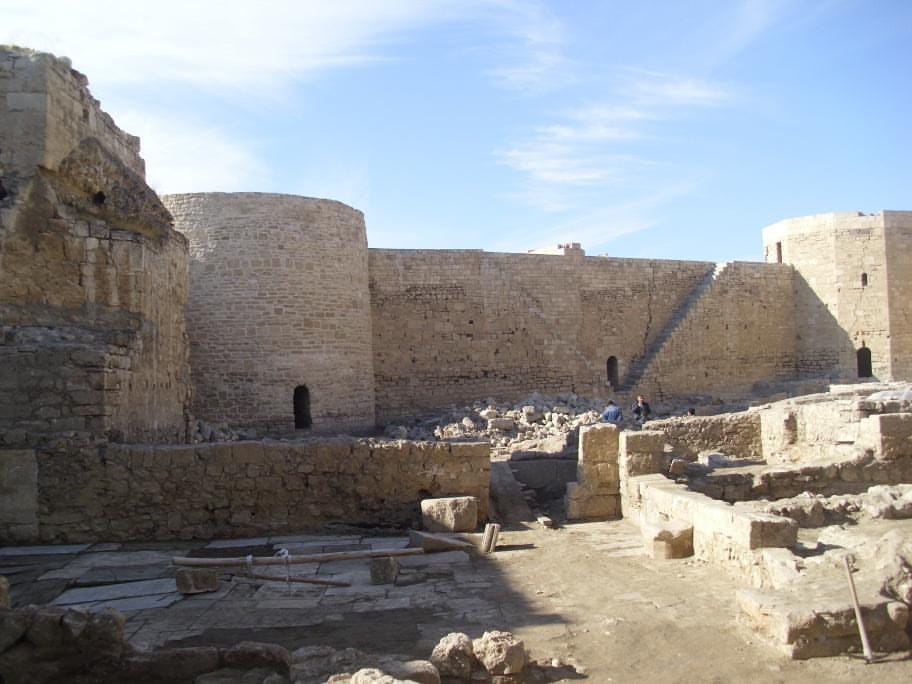
In the modern era, the site underwent several restoration campaigns aimed at preserving its historical value. Major conservation efforts took place in 1961 and 1975, followed by extensive archaeological excavations from 2013 to 2018. These efforts revealed key aspects of the castle’s history and architecture, confirming its role as a central administrative and residential complex during the Karamanid period. The site was officially recognized for its cultural importance in 1981 and given higher protection status in 1995. Later in the 20th century, part of the inner courtyard was transformed into a theater and event space. However, in 2012, the seating was removed to facilitate renewed restoration and archaeological research, and the castle now serves as a museum preserving its layered history.
Remains
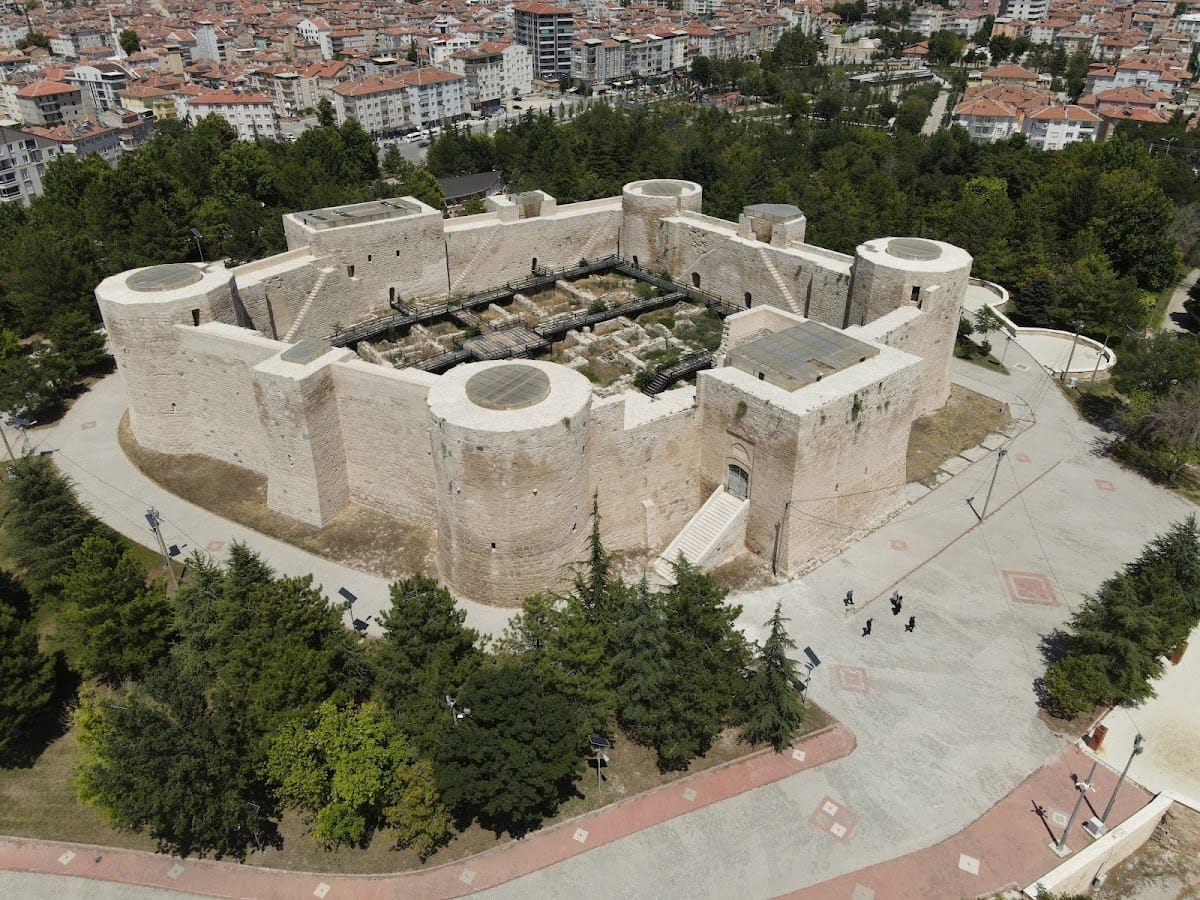
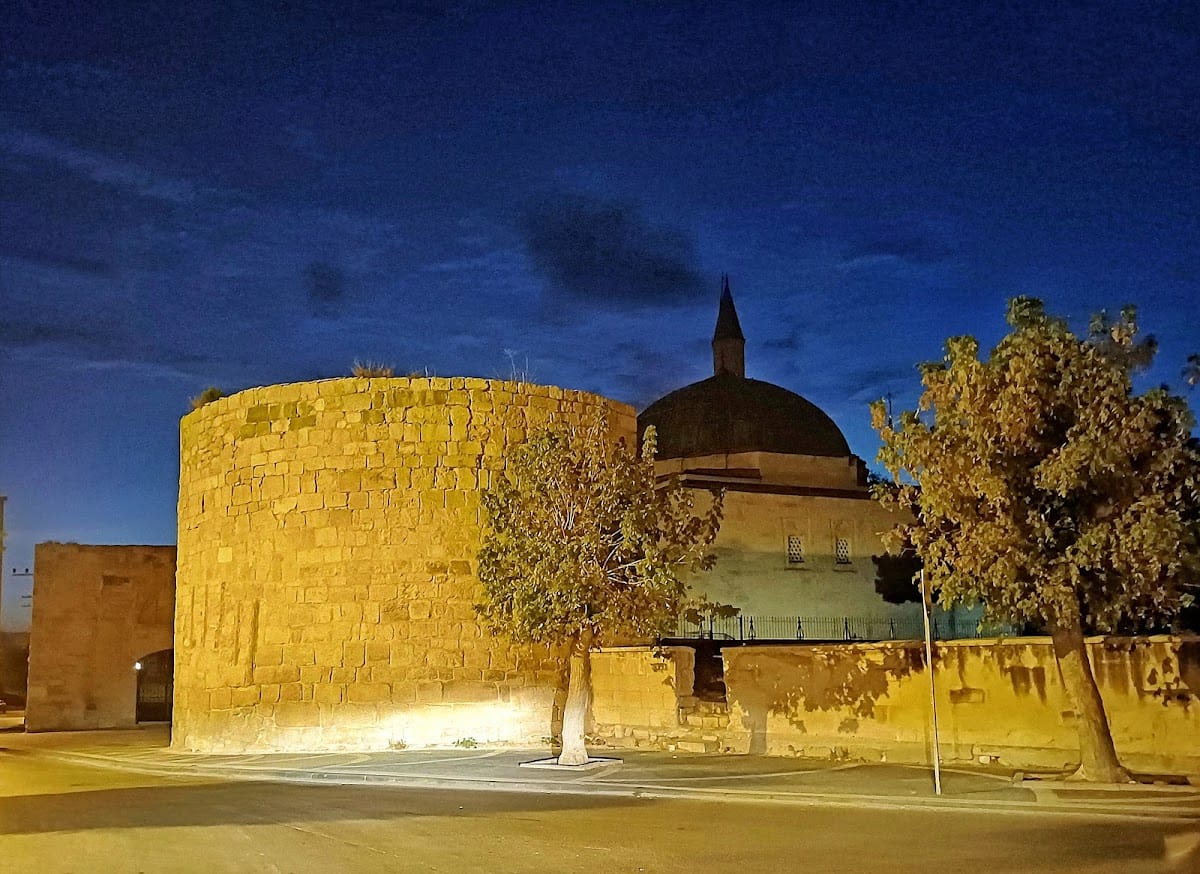
Karaman Castle is built on an ancient mound, or tumulus, which contains archaeological layers from the Bronze Age, Roman, and Byzantine periods underneath. The fortress exhibits a roughly rectangular shape and includes three main defensive walls arranged concentrically: the outer rampart (Dışkale), the middle (Ortakale), and the inner core fortress (İçkale). Each of these served different functions, with the inner section primarily housing the ruling elite during the Karamanid era.
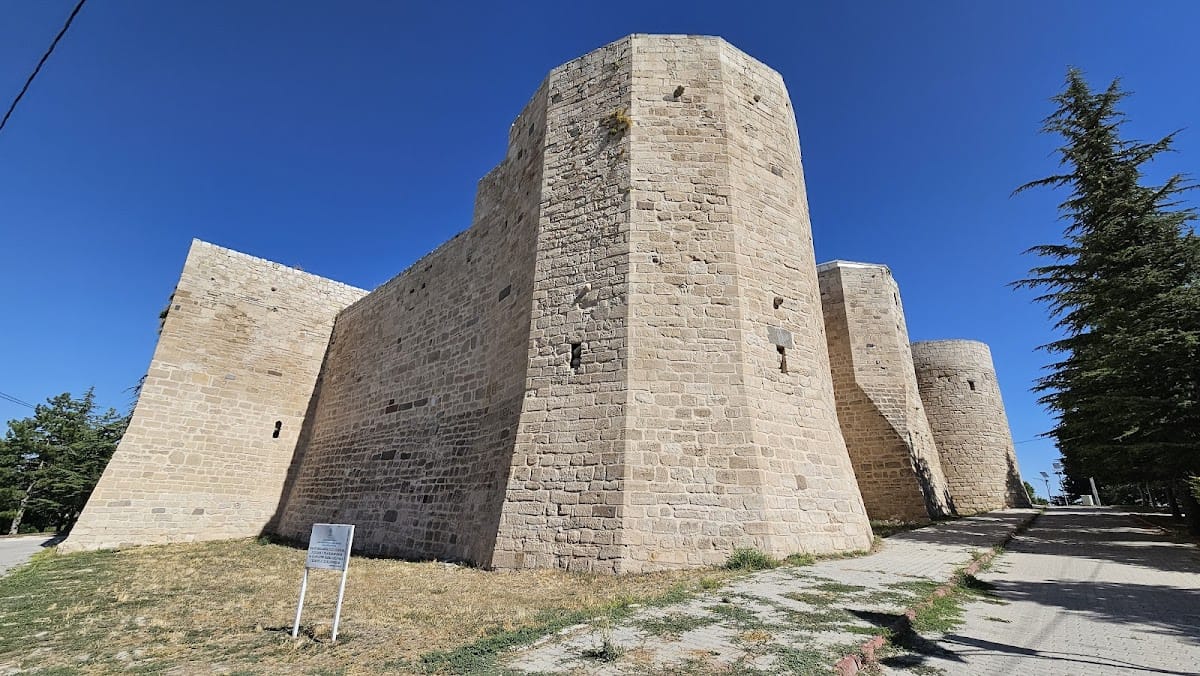
The castle features nine bastions of various forms. These consist of four circular and five rectangular bastions, with the corners marked by distinctive prismatic and cylindrical towers that provided strong defensive points. The lower sections of the bastions are made from a darker stone, set wider at the base, indicating they were part of earlier construction phases predating the upper walls.
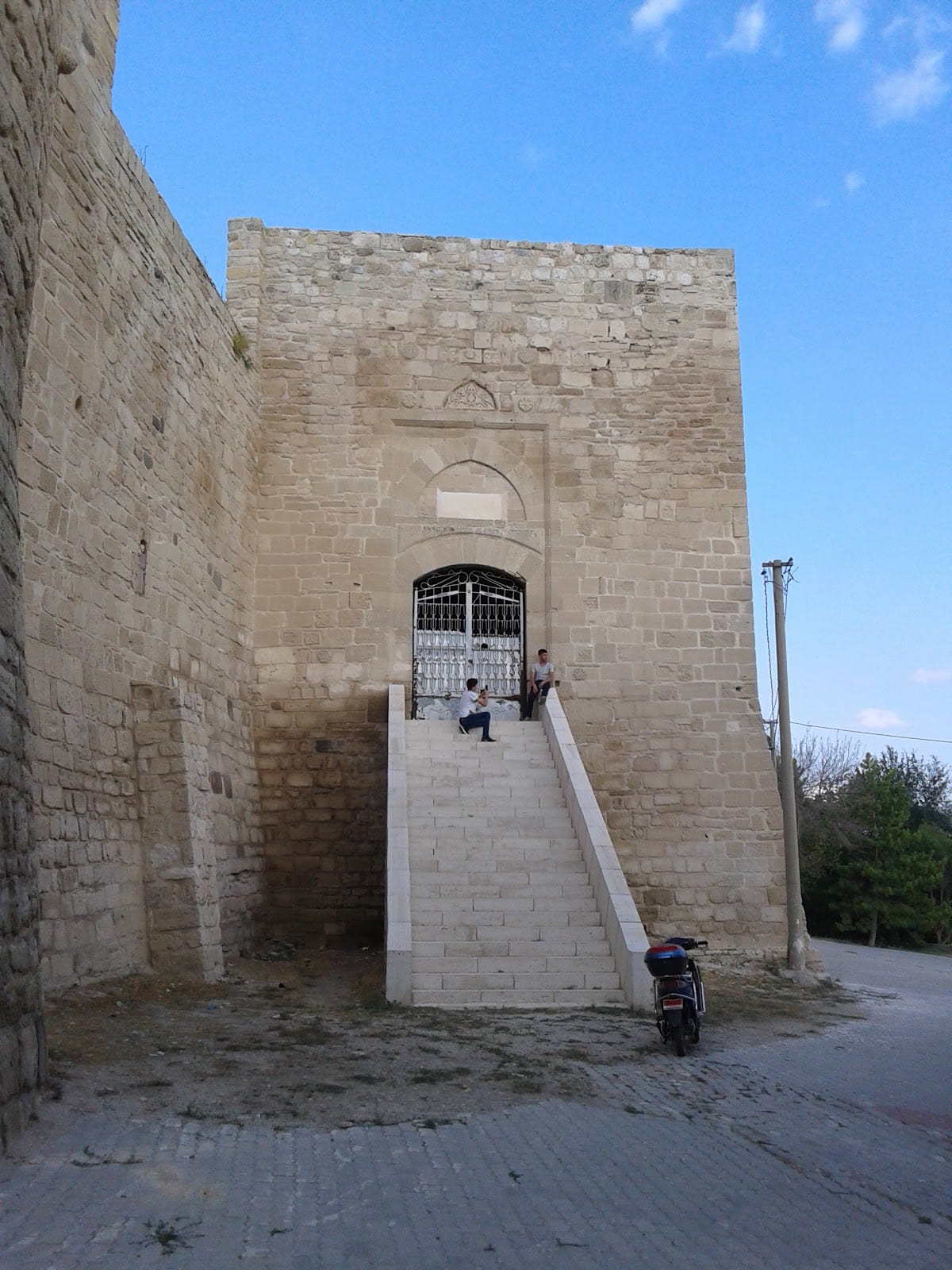
One of the most notable elements of the castle is its main entrance, located on the south side where a rectangular bastion stands. This gate originally rose two stories and is characterized by a low-arched doorway topped with a pointed arch. Above the entrance is a marble panel framed by a rectangular border, though it bears no inscription. Decorative features such as pointed arches, carved scroll patterns known as rumi motifs, and rosette reliefs adorn the gate, reflecting a blend of Islamic artistic styles with other regional influences.
Inside the courtyard, there is a second main gate believed to date back to the 15th-century Karamanid period. Its stone blocks are carved with half-star motifs framed by concave moldings and flanked by cylindrical pilasters. On the lower level of this bastion, narrow openings called arrow slits face east and south, designed for defense. The courtyard also contains doorways leading into the lower floors of the bastions, connected internally by stone staircases. These bastions once had wooden floors dividing them into multiple stories, but these have not survived.
The castle’s original moat, which once surrounded the inner fortress, has been filled in over time. Modern restoration efforts have removed later additions such as theater seating from the inner courtyard, returned some open areas to green space, and installed night lighting to highlight the site’s structure. These interventions have helped preserve and reveal the castle’s historic fabric while respecting its diverse architectural heritage.