Kapušany Castle: A Medieval Hill Fortress in Slovakia
Site at a Glance
- Rating
- 4.7
- Popularity
- High
- Country
- Slovakia
- Primary era
- Medieval
- Eras represented
- Medieval, Early Modern
- Civilizations
- Habsburg, Hungarian
- Site type
- Military
- Remains
- Castle
On this page5 sections
History
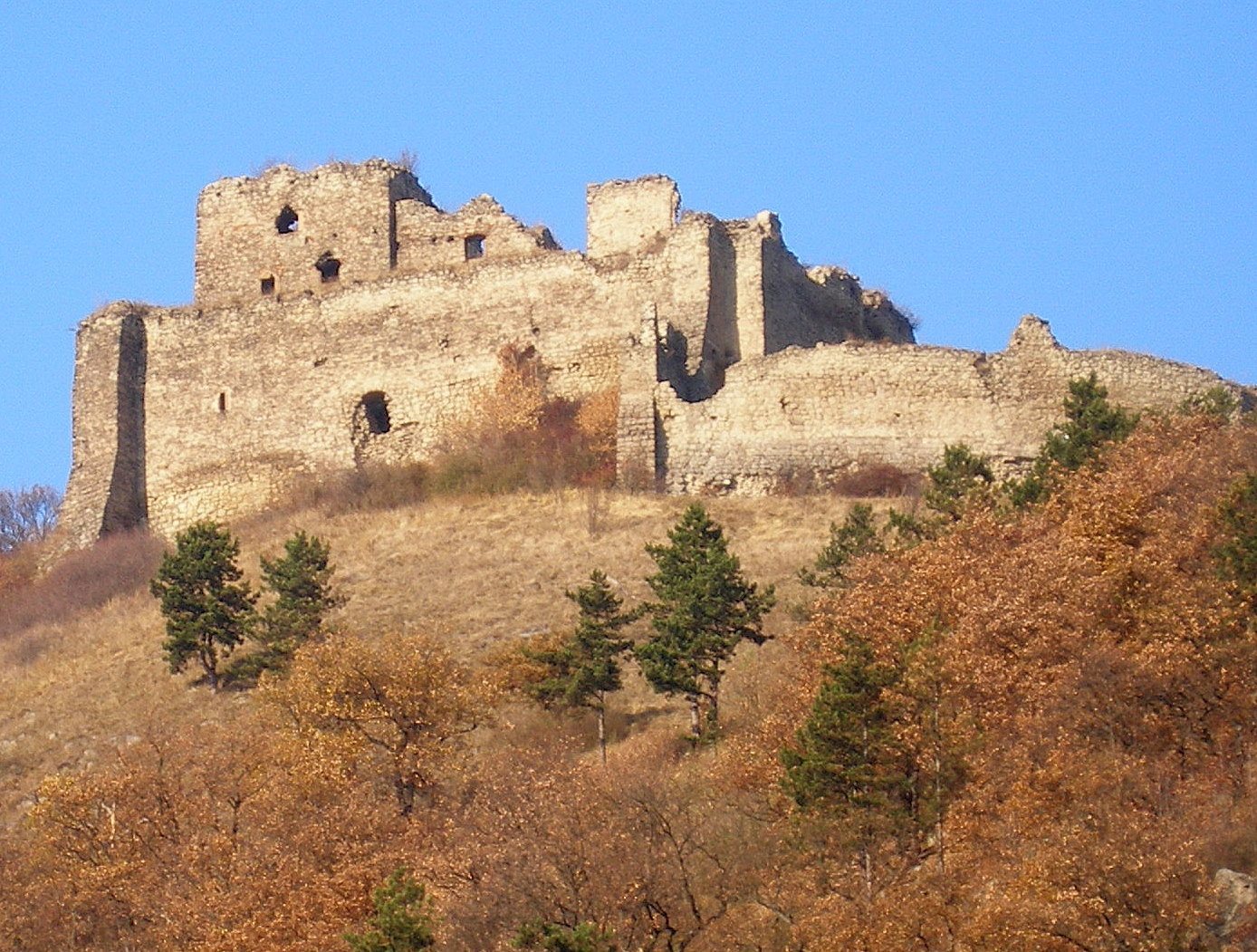
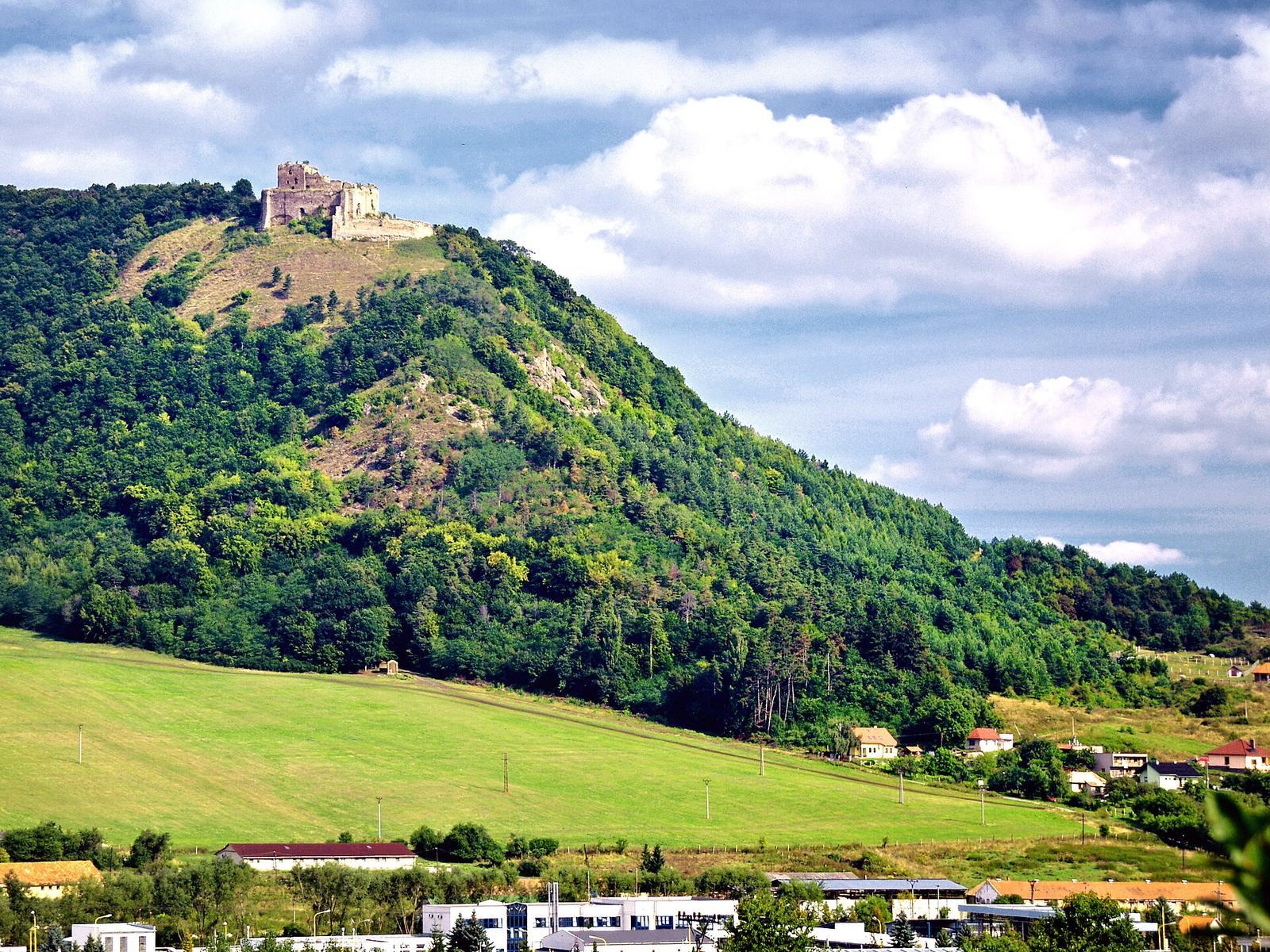
Kapušany Castle is a ruined medieval hill fortress on a rocky spur of Zámčisko hill near Kapušany in eastern Slovakia. Built in the thirteenth century over an earlier Slavic fortified settlement, it guarded a route north from Prešov toward the Kingdom of Poland.
Foundation and rebuilding
The name Kapušany derives from the Hungarian word kapu, meaning “gate.” The castle’s first lords belonged to the Moglód family. After the family died out, ownership passed to the royal chamber, the crown’s financial administration. Its castellan, or castle administrator, Heinrich Tarczy, supported Matthew Csák, a powerful Hungarian magnate who opposed royal authority. In 1312, King Charles I of Hungary destroyed the castle during his campaign against Csák.
In 1347, King Louis I granted the castle lordship to his tutor, Peter Poharus, but prohibited him from rebuilding it. The ruin passed in 1410 to András de Koka, a citizen of Buda, who rebuilt the castle. His family took the name Kapy from the town and castle.
Conflicts and fortification
Political unrest in the mid-fifteenth century brought troops led by the military commander John Giskra through the Kingdom of Hungary. Later, the Kapy family supported John Zápolya, elected king of Hungary, in his contest for the crown with the Habsburg ruler Ferdinand I. Ferdinand’s forces captured the castle in 1537. It was returned to the Kapy family in 1545 after they changed sides.
Fear of Ottoman raids led to extensive alterations and new fortifications in the second half of the sixteenth century. The castle was heavily contested in 1685 during an anti-Habsburg uprising led by Imre Thököly. In 1709, troops of Francis II Rákóczi, another leader of an anti-Habsburg uprising, captured the castle and set it on fire.
Fire, repair and demolition order
The castle received provisional repairs after 1712. In 1715, the Hungarian Diet, the kingdom’s representative assembly, ordered its demolition to prevent insurgents from using it again. The ruin is now recognized as a national cultural monument in Slovakia, a state heritage designation.
Remains
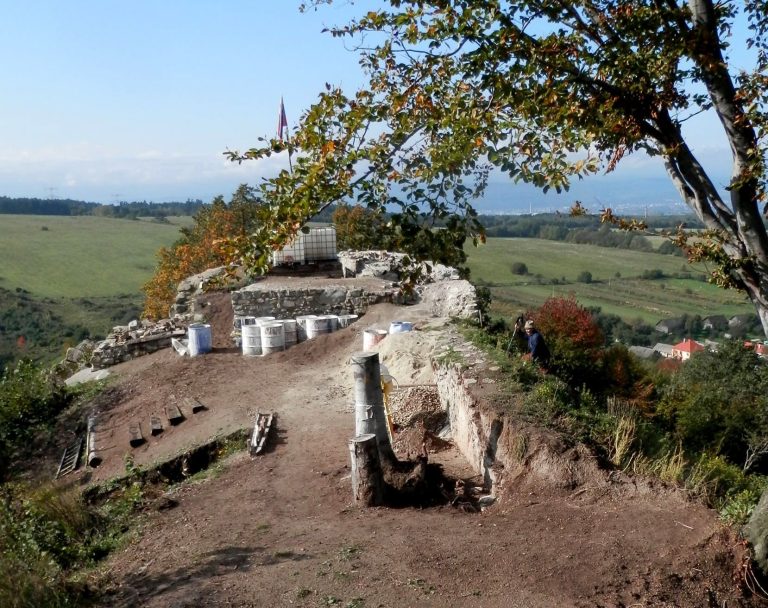
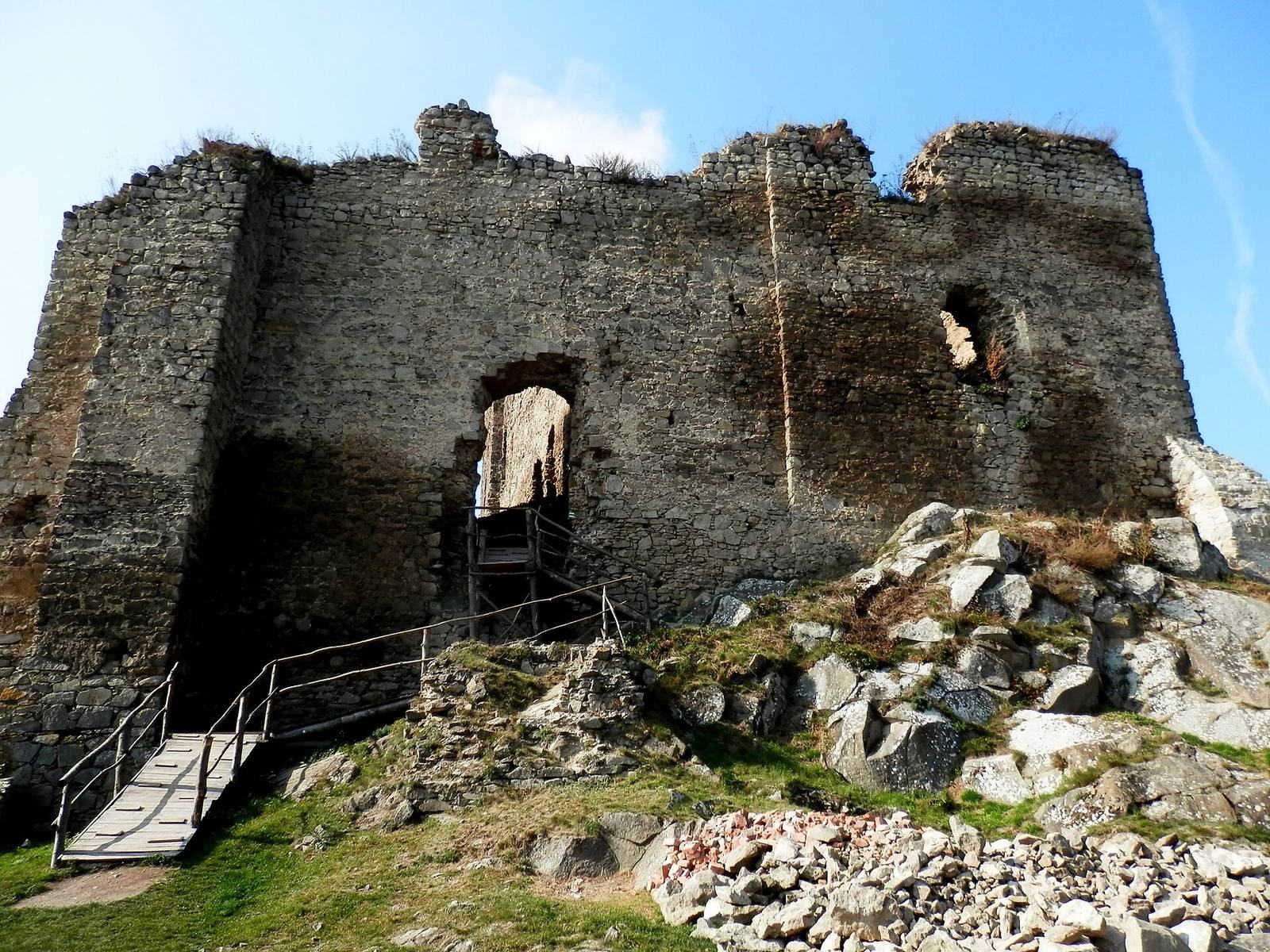
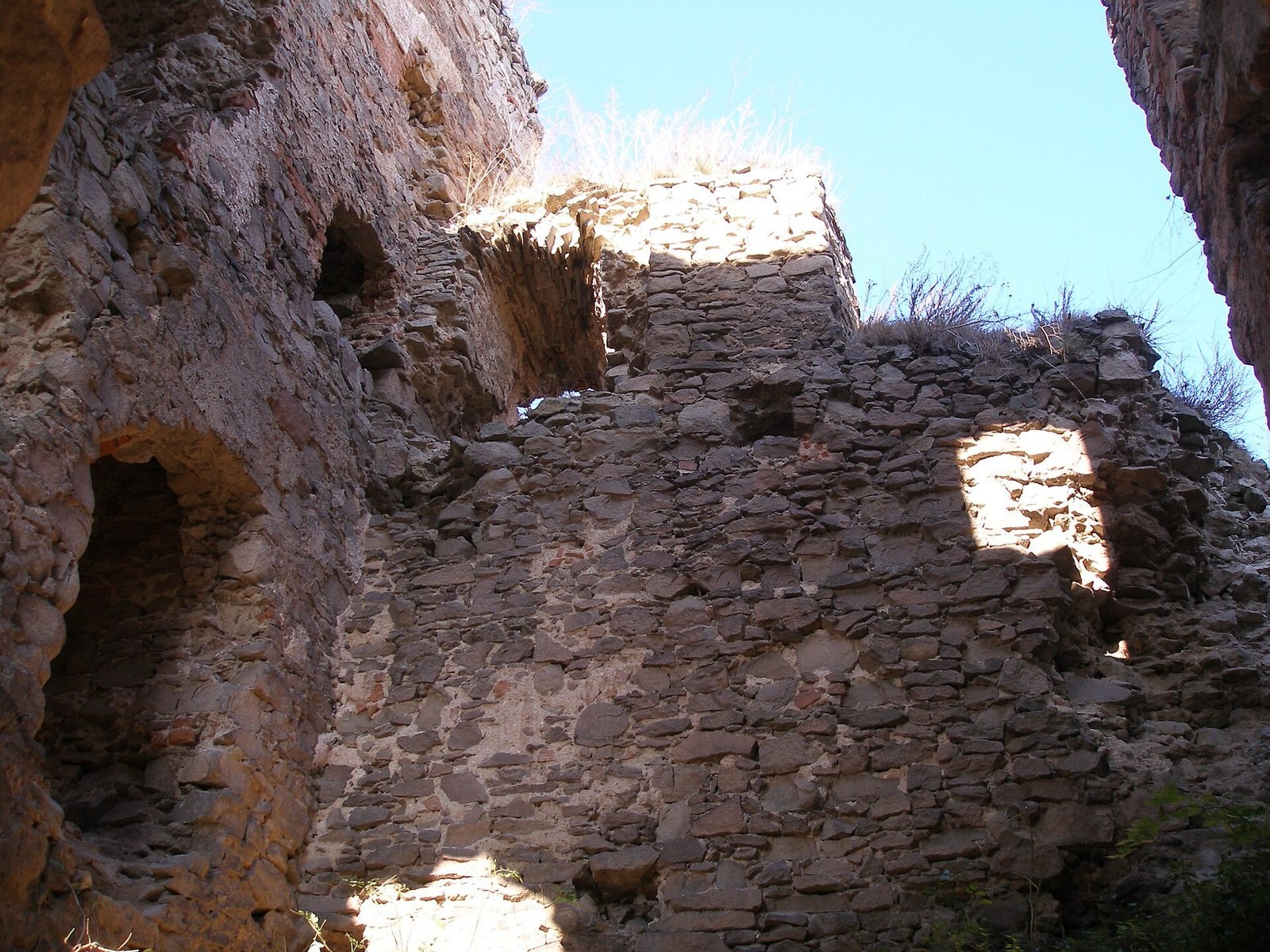
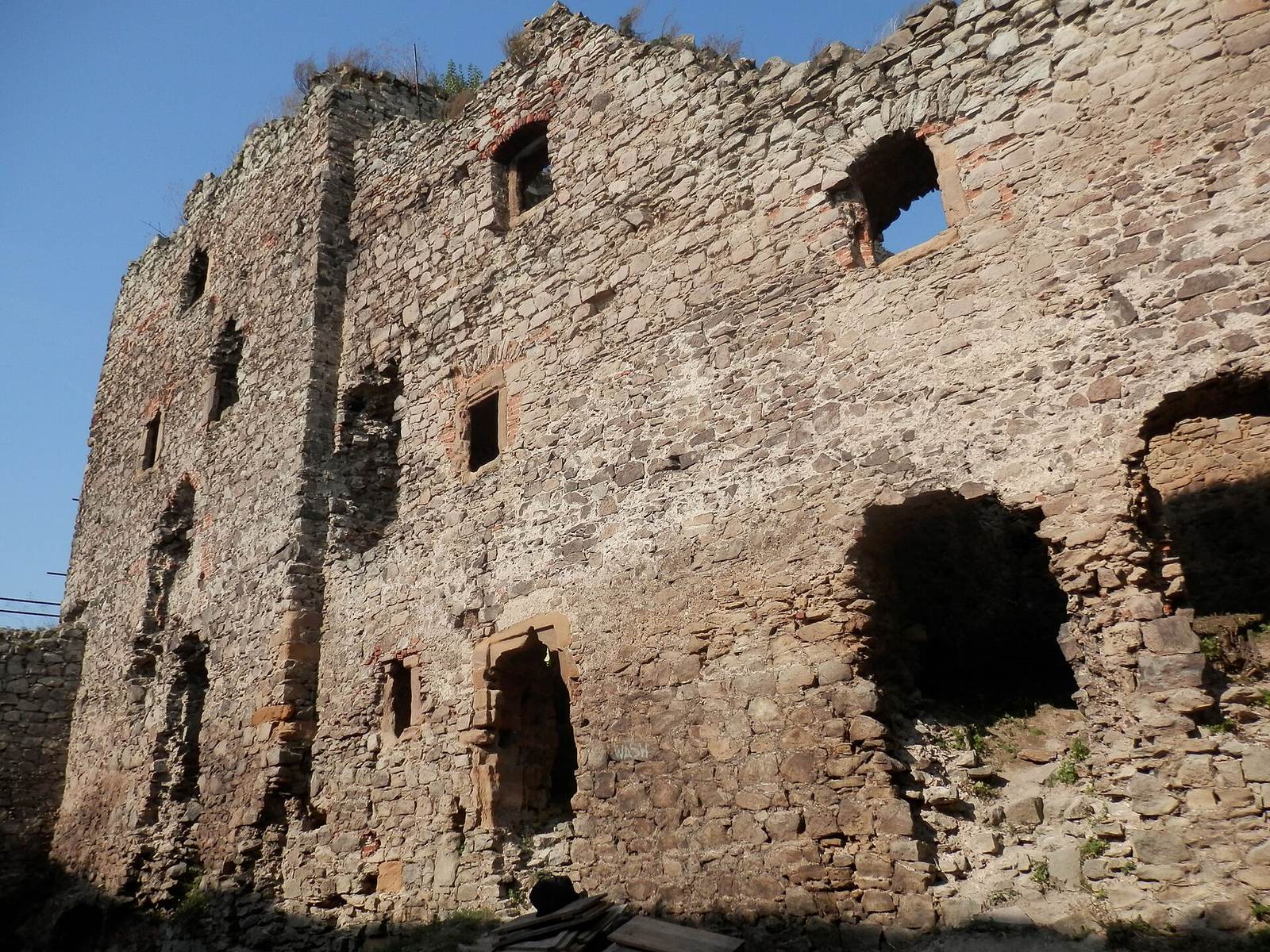
The ruined castle stands on a rocky spur of Zámčisko hill. Its stone walls survive to considerable heights. In places, traces of plaster and stone surrounds around window openings remain visible, along with narrow openings for firing weapons and stone doorways.