Lutheran College of Prešov: A Renaissance Lutheran School and College
Site at a Glance
- Popularity
- Medium
- Country
- Slovakia
- Primary era
- Early Modern
- Eras represented
- Early Modern
- Civilizations
- Habsburg, Hungarian
- Site type
- Civic
- Remains
- University
On this page5 sections
History
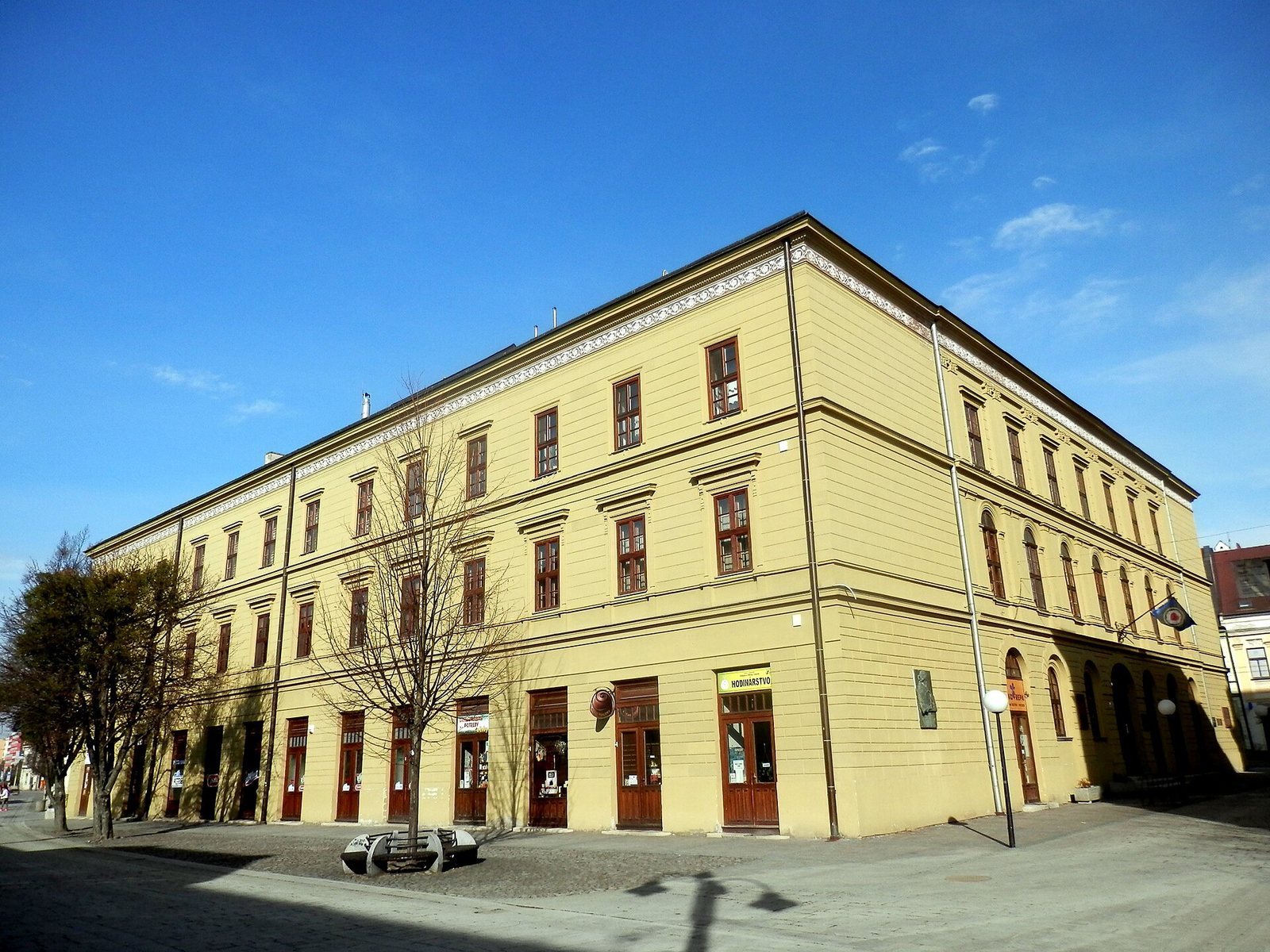
The Lutheran College of Prešov is an educational institution in Slovakia whose Renaissance building was erected in 1666; teaching began in 1667. It became the first Lutheran college in historical Hungary, the Kingdom of Hungary before the post-World War I territorial changes.
From city school to Lutheran college
A school had operated in Prešov since the fifteenth century. After the city became Lutheran in 1531, it served as a Lutheran school. In 1665, Protestant nobles and representatives of towns in Upper Hungary, the northern region of the Kingdom of Hungary, agreed to establish a higher college there. They chose Prešov because of its Lutheran community and the city’s promise of financial support. The plan also addressed difficulties in educating clergy at German universities and the growing need for civic and administrative training.
István Thököly led the Protestant nobles involved in the project. The college was conceived as a counterweight to the Jesuit university at Trnava, run by the Jesuits, a Catholic religious order. Its educational model drew on Lutheran colleges in Germany and Poland. A donation of 100,000 forints, a Hungarian currency, supported the institution, and classes opened on 18 October 1667.
The school had ten classes, combining secondary education with advanced study. Senior pupils studied theology and philosophy. The philosophy curriculum used Protestant scholasticism, a systematic approach to theological and philosophical inquiry, while also engaging with newer ideas. Early teachers included Samuel Pomarius, the first rector, Eliáš Ladiver, Ján Rezik, Samuel Mathaeides, Jan Bayer, and Izák Caban. An attempt to appoint the educator John Amos Comenius as rector was unsuccessful; he had visited Prešov in the 1650s. Among the early students were Imre Thököly, later an anti-Habsburg political leader, and Jakab Bogdani, who became a Baroque painter.
Confiscations and restoration
In 1671, during the Habsburg Counter-Reformation, a Catholic effort to strengthen the Church’s institutions and influence after the Reformation, the college was confiscated. Imre Thököly returned it to the Protestants in 1682, but it was seized again in 1687 and transferred to the Jesuits. Francis II Rákóczi, a Hungarian prince and leader of an uprising against Habsburg rule, restored it to its former owners in 1705. On 30 September 1711, Eleonora, widow of Leopold I and serving as regent, ordered the Protestants expelled. The Jesuits took control in 1713 and remained until 1773.
While the Jesuits held the college, the Lutheran school’s lower classes continued in suburban premises from 1713 to 1785. The college building itself served as a military food storehouse from 1774 to 1785. With permission from Joseph II, the Habsburg emperor associated with religious-policy reforms, the Lutherans reacquired the building in 1785. They made a contribution valued at 6,000 forints to the Church of the Holy Trinity, and teaching resumed.
Expansion and the end of the college
The institution added legal instruction in 1815, a theological academy in 1851, a teacher-training institute in 1873, and a law academy in 1878. Following the end of absolutism and the Austro-Hungarian Compromise of 1867, it expanded further. By the later nineteenth century, it comprised a secondary school, legal and theological academies, and teacher training, and was regarded as one of Hungary’s leading higher schools.
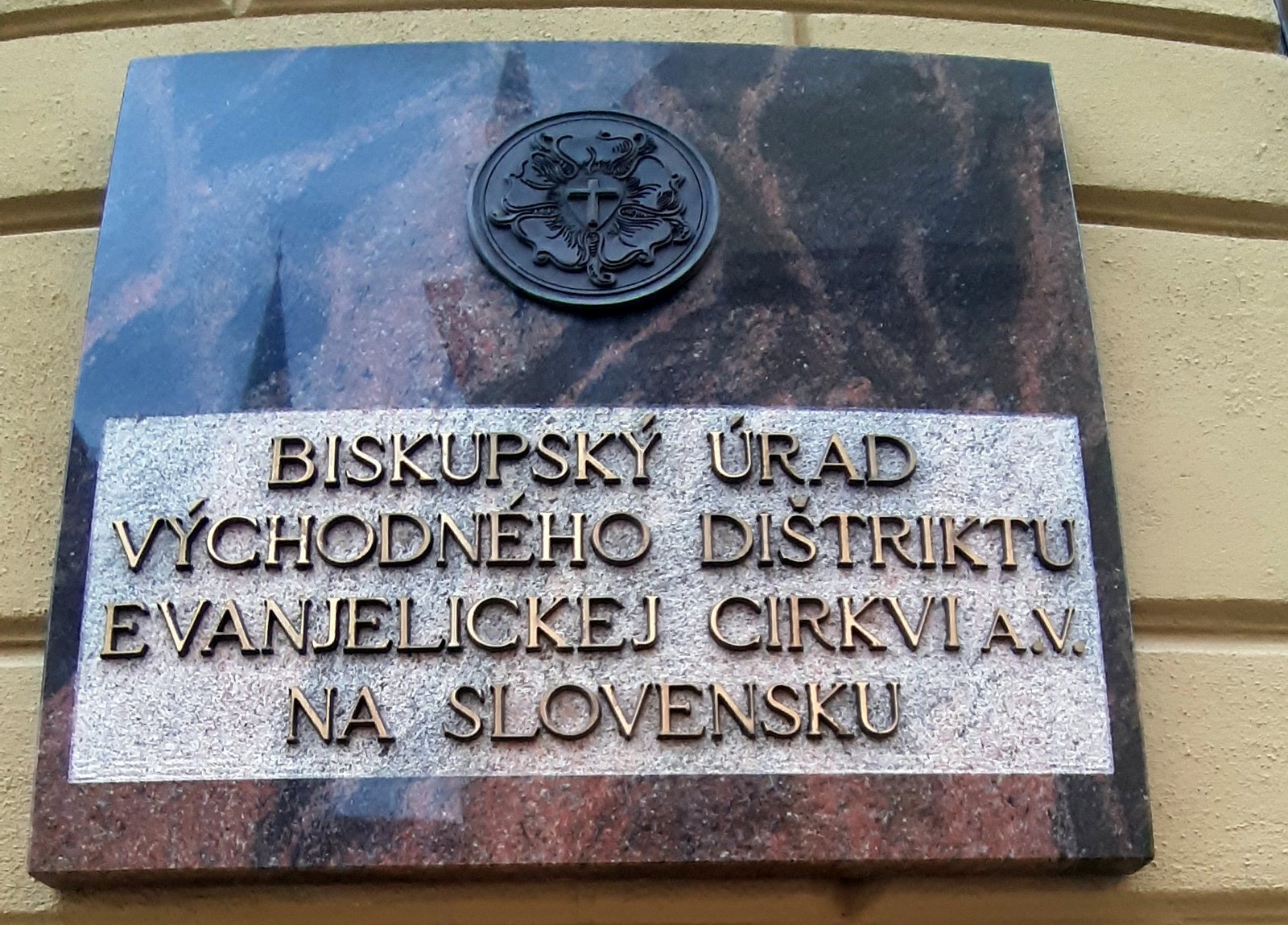
The college ceased to exist in 1918, following the establishment of Czechoslovakia. Since 1919, its building has housed offices of the regional Lutheran bishopric. It is registered as a Slovak National Cultural Monument, with registration dating to 1977.
Remains
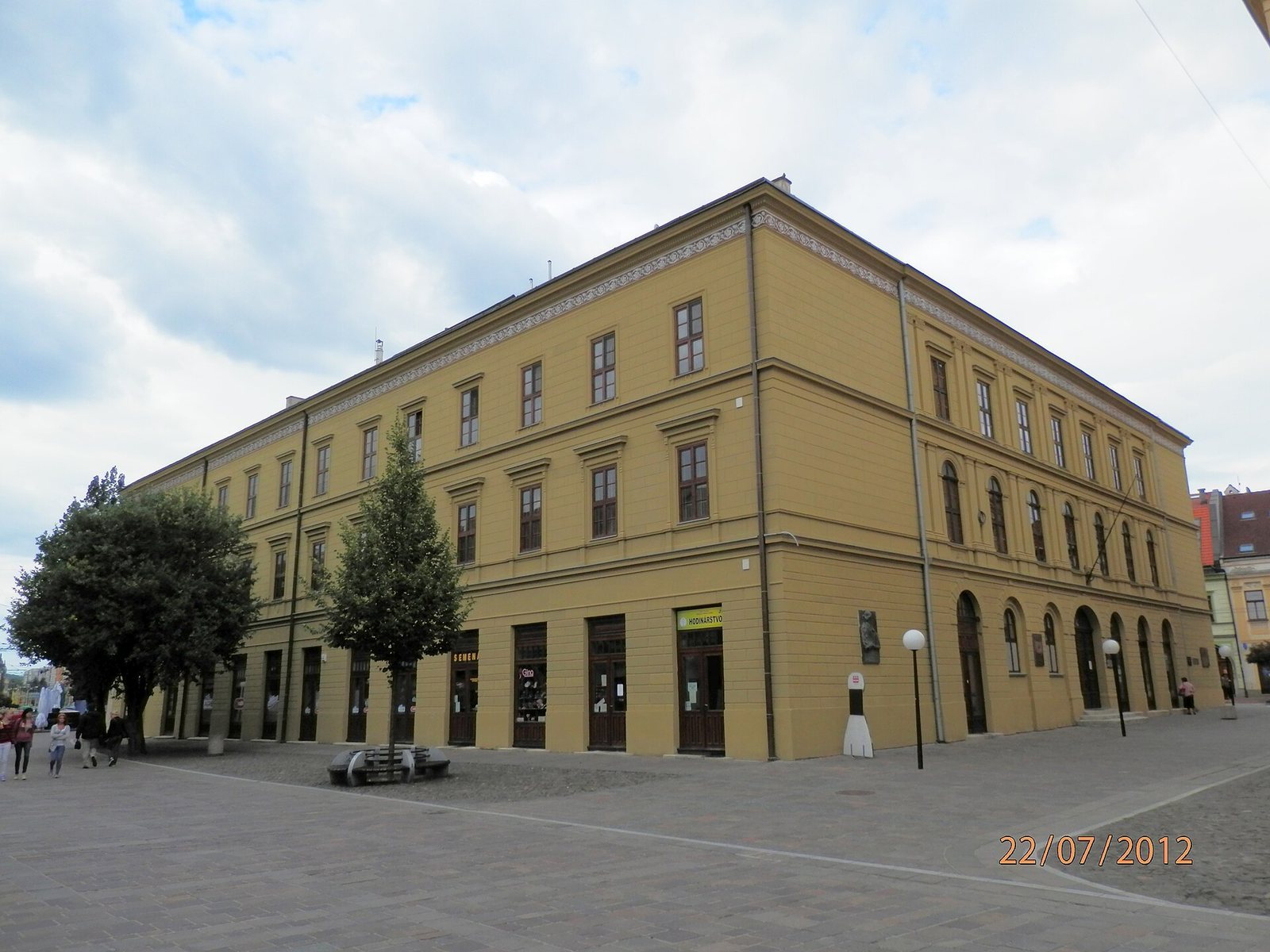
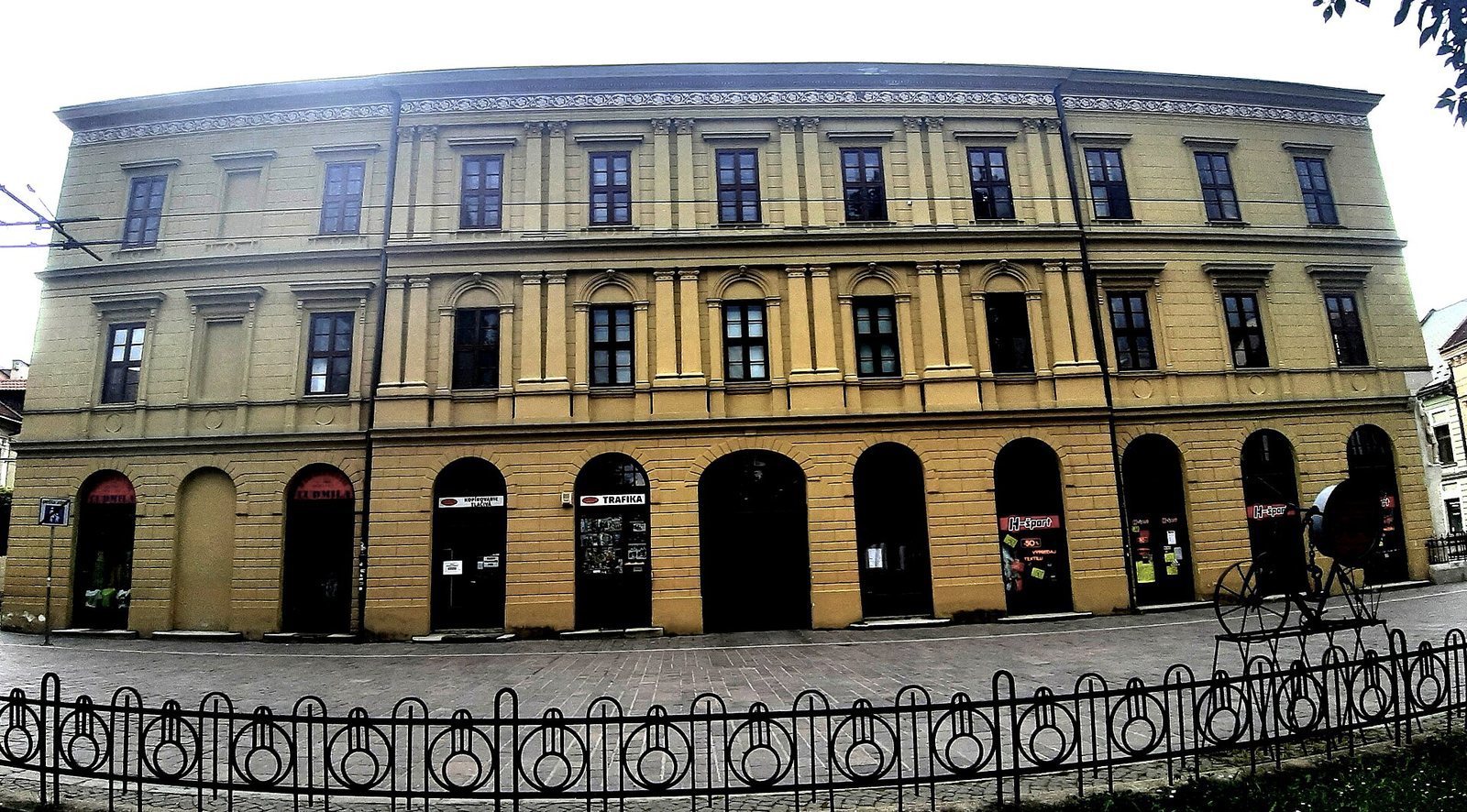
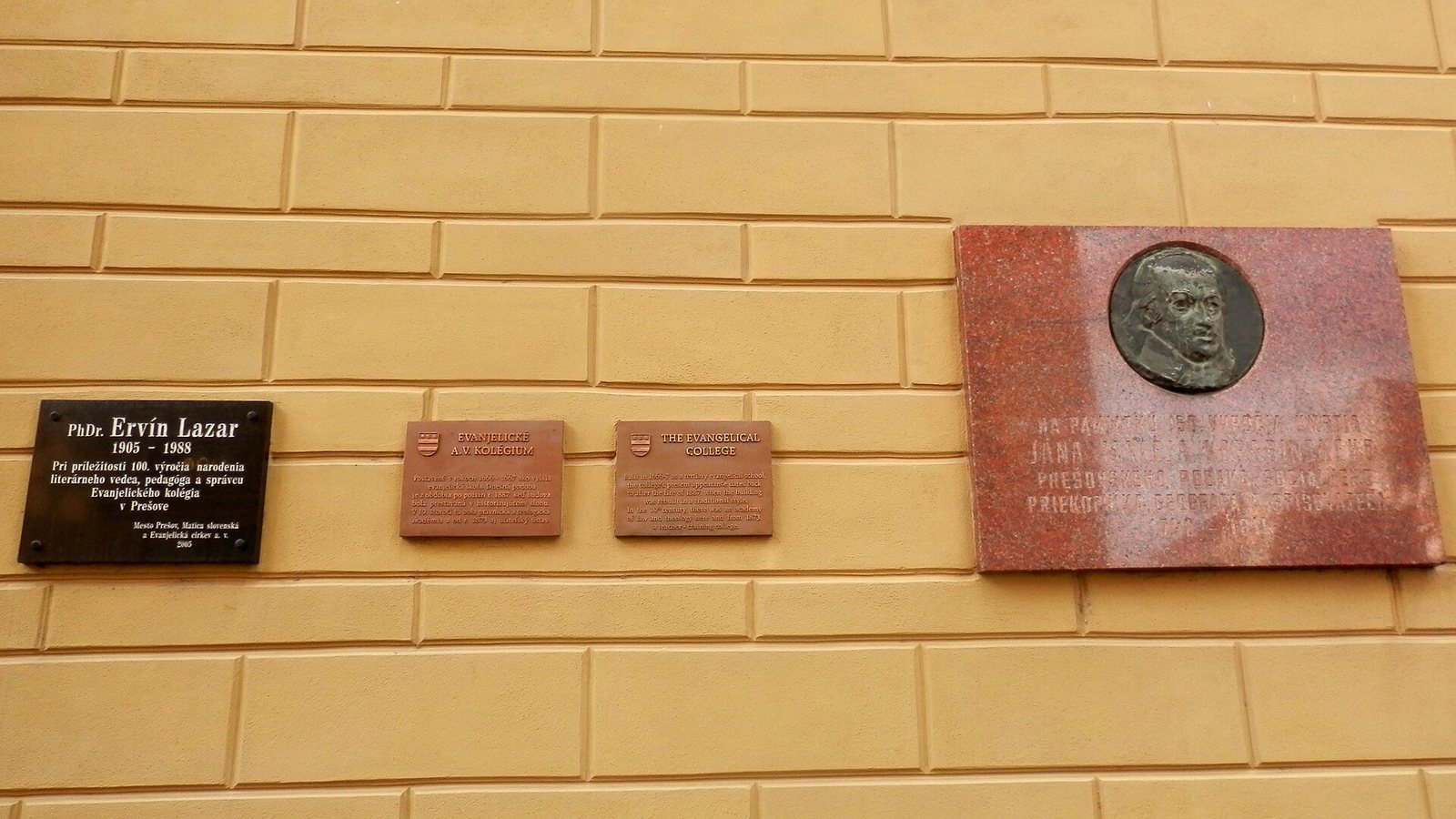
The physical remains center on the historical college building. Erected in 1666 in Renaissance style, it was rebuilt after a fire in 1887.