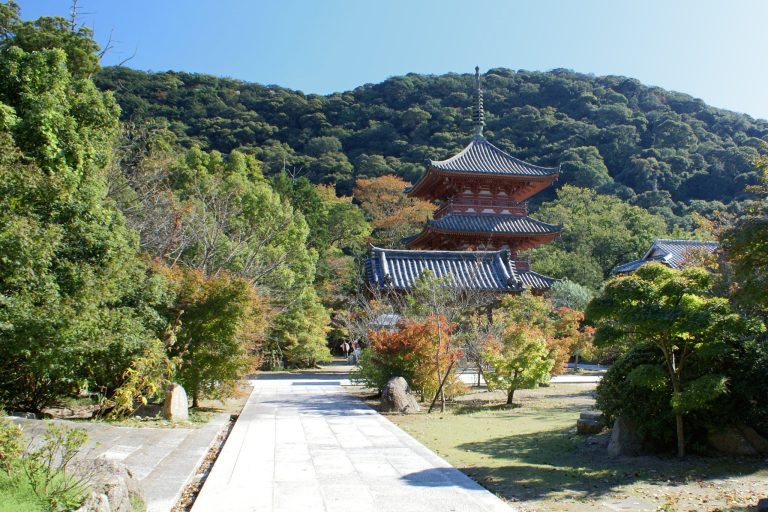
Kakinomoto Shrine: A Shinto Shrine of Waka Poetry in Akashi, Japan


Site at a Glance
- Rating
- 4.2
- Popularity
- Low
- Country
- Japan
- Primary era
- Unclassified
- External website
- Open
- Eras represented
- Unclassified
- Civilizations
- Unclassified
- Site type
- Religious
- Remains
- Sanctuary
On this page14 sections
History
Kakinomoto Shrine is a Shinto shrine in Akashi, Japan, built to venerate Kakinomoto no Hitomaro, a major waka poet of the late seventh and early eighth centuries. Waka is a classical Japanese poetic form, and Hitomaro’s reputation as a master poet led to his later worship as a deity of poetry, learning, and literature. The shrine, also called Hitomaru Shrine and locally known as Hitomaru-san, stands today on Hitomaru Hill.
Foundation and Hitomaro traditions
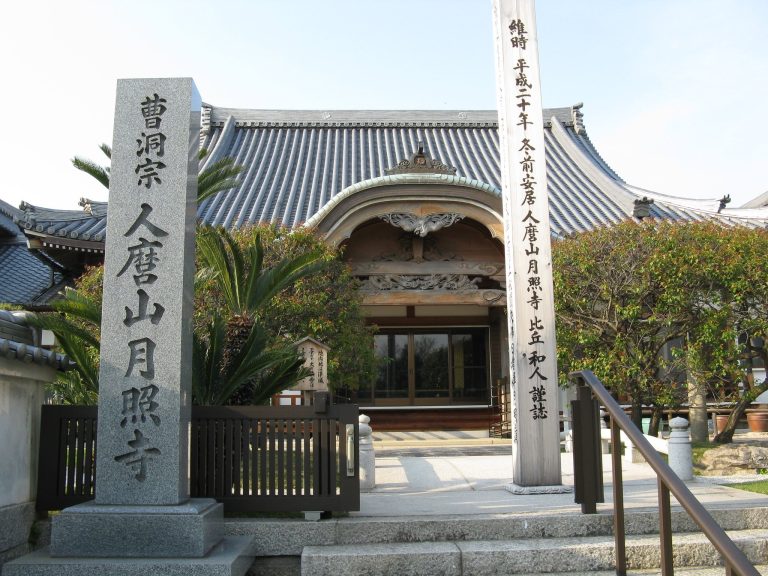
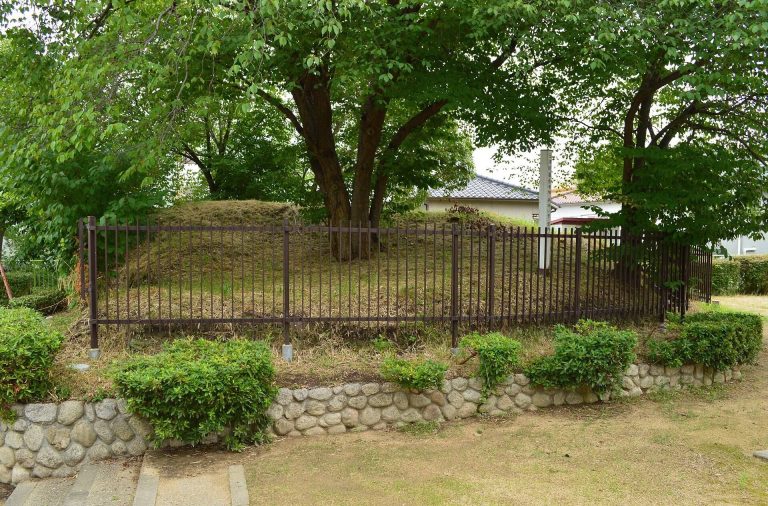
Tradition places the shrine’s foundation in 887. Kakushō, a Buddhist monk of the temple later known as Gesshō-ji, is said to have encountered Hitomaro’s spirit in a dream. He identified a burial mound behind the temple as the poet’s resting place, built a small shrine there, and made it the temple’s guardian shrine.
The purpose of the foundation has been understood in more than one way. Since Hitomaro was said to have died by drowning, the shrine may have been intended to calm his unsettled spirit. Another tradition links it to a poem about a boat disappearing among the islands of Akashi Strait. The poem was attributed to Hitomaro in a note to the Kokin Wakashu, although it was formally presented as the work of an unknown poet. Its association with Hitomaro may have encouraged the shrine’s later connection with secret poetic teachings and the oral transmission of poetic knowledge.
A related tradition says that Kakushō brought an image of eleven-faced Kannon from Yamato and installed it in the inner sanctuary of Gesshō-ji. Kannon is a Buddhist figure associated with compassion and different forms of salvation. The image was said to have been a devotional image of Hitomaro, originally bestowed on him by Emperor Monmu, although another version places it at Kakimoto Temple in Yamato. The image remains at neighboring Gesshō-ji, the Buddhist temple that formerly administered the shrine, where it is regarded as the Buddhist manifestation of the shrine’s principal deity.
Recognition and early endowments
In 1476, a fundraising document for the revival of Kakimoto Temple stated that Hitomaro’s tomb also existed at Akashi Bay. This shows that the connection between Hitomaro and Akashi was already widely recognized by the late fifteenth century.
In 1581, Toyotomi Hideyoshi donated revenue from 30 koku of newly cultivated fields in Oakashimura to the shrine. The donation described Hitomaro as the foremost divine figure of waka poetry, and it was confirmed in 1612.
Relocation during the construction of Akashi Castle
When Ogasawara Tadazane began constructing Akashi Castle on Akashi Hill in 1619, Kakinomoto Shrine and Gesshō-ji were moved to their present hilltop location in 1621. The shrine received a new estate of 40 koku. The new site became known as Hitomaru Hill, although the earlier location had previously carried that name. A Hitomaru shrine remained at the former site as the castle’s guardian shrine until it was later discontinued, while Hitomaro’s mound survives within the castle’s former main enclosure.
Imperial elevation and continuing rites
In 1723, regarded as the thousandth anniversary of Hitomaro’s death, a petition by Emperor Reigen led to the shrine receiving the first rank in the shrine-ranking system and the divine title Kakinomoto Dai-myōjin. An imperial document was also bestowed, and a major anniversary festival took place on March 18, the traditional date of Hitomaro’s death.
March 18 thereafter remained the principal festival date, and the shrine received formal notifications when classical poetic teachings or teniwoha teachings were transmitted. Emperor Reigen sent a ritual substitute and three silver pieces for three years of prayers. Emperors Sakura-machi, Momozono, and Go-Sakuramachi later designated the shrine as an imperial prayer shrine. Members of the imperial family and successive lords of the Akashi domain also sent silver offerings and ritual substitutes at various times. Court figures and Akashi lords particularly revered the shrine for its association with waka poetry.
Under the former shrine-ranking system, Kakinomoto Shrine was classified as a village shrine in 1874, a district shrine in 1879, and a prefectural shrine in 1926. In the early modern period, rites were held on the 18th of each month as well as on March 18. The main festival later moved to April 18 and is now held on the second Sunday of April, when five portable shrines, including children’s portable shrines, pass through the city. An Autumn Fire-Prevention Grand Festival takes place on October 18, while waka offering ceremonies are held in spring and autumn. The association between March 18 and Kannon’s auspicious day reflects the belief that eleven-faced Kannon was Hitomaro’s Buddhist counterpart.
Remains
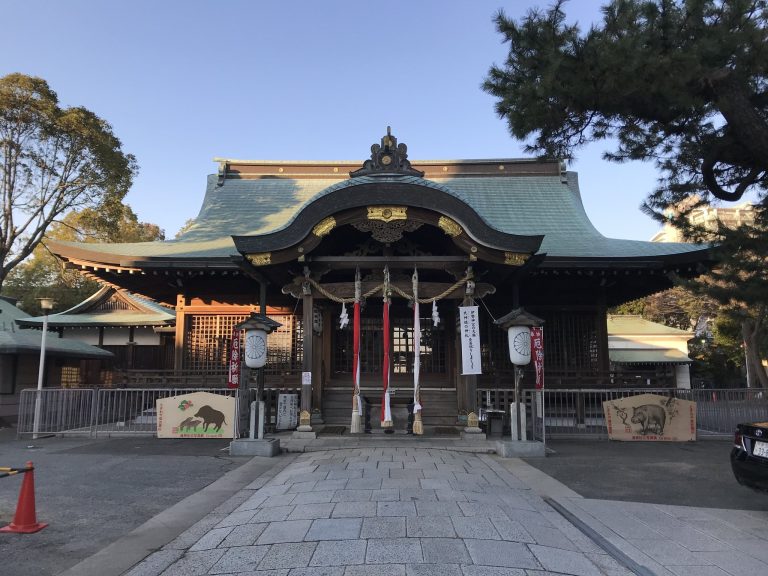
Kakinomoto Shrine occupies the summit of Hitomaru Hill within what is now Hitomaru Hill Park. The shrine stands on the edge of a small hill overlooking the surrounding area. Its buildings form a compact traditional Shinto complex, with the main sanctuary behind the worship hall and an offering hall connecting the two. The grounds are associated with a view toward Akashi Strait that suits the poem connected with the shrine’s foundation. The 135th-meridian line passes by the site, while the Akashi Municipal Planetarium and its tall tower occupy the hillside in front of the shrine and partly obstruct the view.
Shrine buildings
Main sanctuary
The main sanctuary is a single-bay building in nagare-zukuri, a Shinto style in which the front roof slope extends forward over the entrance. It has a copper-sheet roof and occupies the innermost position in the principal group of shrine buildings.
Worship and offering halls
The worship hall is five bays wide and three bays deep. Its roof combines hipped and gabled sections, a form known as irimoya, and is covered with tiles. The entrance faces the gable end. A chidori hafu, or decorative triangular gable, appears on the front, while a projecting copper-sheet karahafu gable forms another ornamental element.
Behind the worship hall is a gabled-roof offering hall with a copper-sheet roof. It links the worship hall to the main sanctuary, creating the physical connection between the public-facing and innermost parts of the shrine.
Subsidiary shrines and memorial monument
Subsidiary shrines
Three subsidiary shrines stand within the grounds. Tenjin Shrine enshrines Sugawara no Michizane, a revered scholar and court official. Sanbo Kojin Shrine enshrines a hearth deity, while Gosha Inari Shrine enshrines Inari Okami, a Shinto deity associated especially with rice, agriculture, and prosperity.
Hitomaro biography monument
The grounds also contain a monument commissioned by Matsudaira Nobuyuki, an early modern Japanese feudal lord. Its inscription consists of a 1,712-character biography of Kakinomoto no Hitomaro, providing a memorial expression of the poet’s place within the shrine’s traditions.
Gesshō-ji and the Kannon image
Eleven-faced Kannon
Neighboring Gesshō-ji preserves the eleven-faced Kannon image associated with the shrine’s foundation traditions. Within the honji-butsu framework, in which a Buddhist figure could be understood as the underlying manifestation of a Shinto deity, the image is identified as the Buddhist form of Kakinomoto Shrine’s principal deity. Its presence preserves the shrine’s former institutional and religious connection with the temple.