Ismi Khan Jami Mosque: A Sunni Mosque in Bakhchysarai
Site at a Glance
- Rating
- 5
- Popularity
- Very Low
- Country
- Russia
- Primary era
- Early Modern
- Eras represented
- Early Modern
- Civilizations
- Crimean Khanate, Ottoman
- Site type
- Religious
- Remains
- Mosque
History
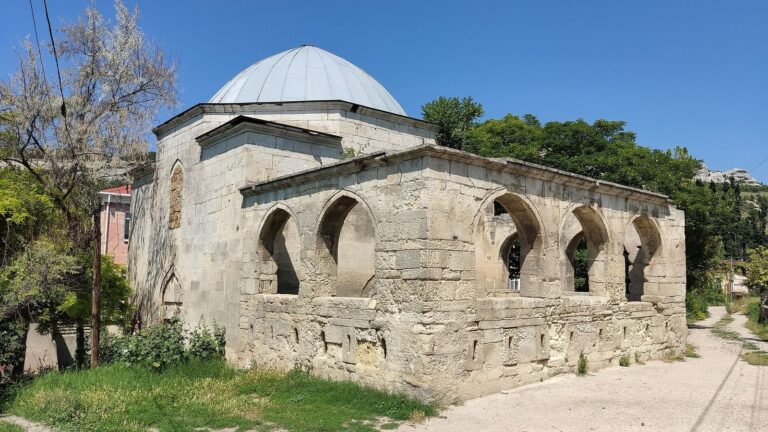
The Ismi Khan Jami Mosque is a Sunni congregational mosque in Bakhchysarai, Crimea, Russia. It was probably built sometime between the sixteenth and eighteenth centuries with donations from Ismi Khan, a niece of one of the Crimean khans, rulers of the Crimean Khanate. The mosque took her name. Sunni Islam is one of the two major branches of Islam.
A congregation associated with the mosque appears in seventeenth-century registers. Worship there ended in the 1930s, after which the grounds served as a warehouse for an extended period. The building deteriorated and is now inactive.
Ukraine designated the mosque an architectural monument of local significance in 1986. During Russia’s occupation of Crimea, it also received regional cultural-heritage status in Russia.
Remains
Setting and architectural details
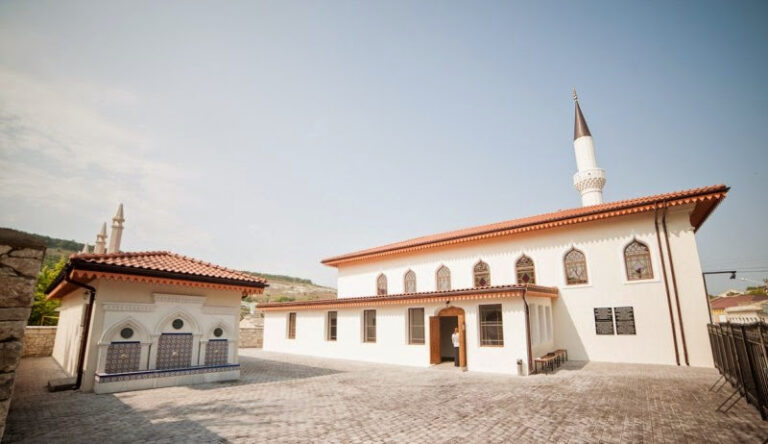
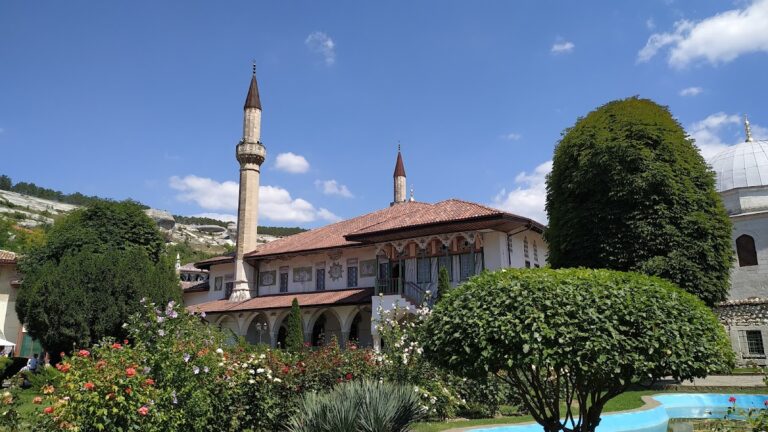
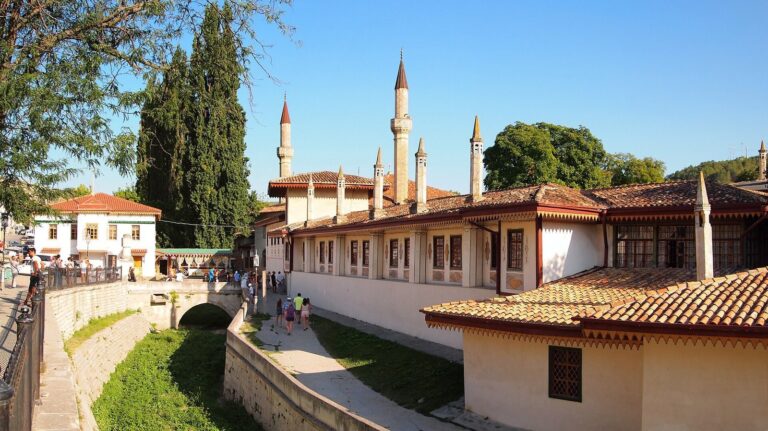
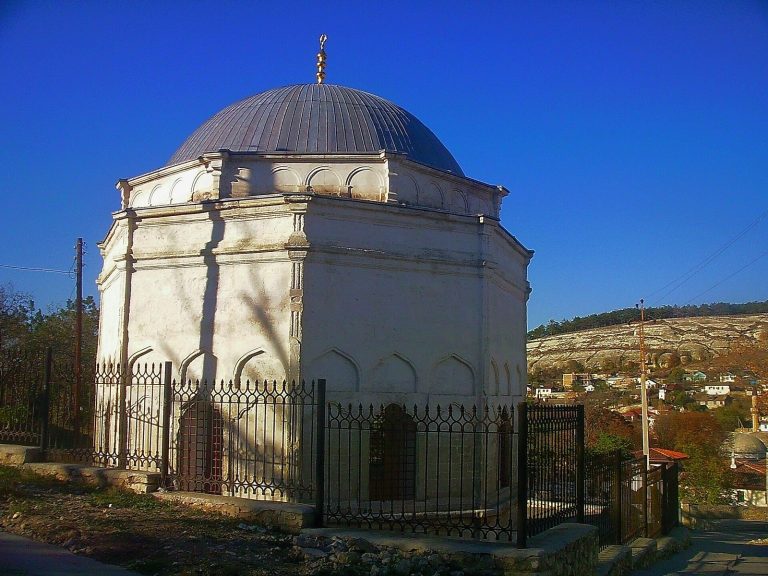
The ruined mosque stands beside a city street on a steep mountain slope. Its carefully leveled foundations support the building. The exterior decoration has been interpreted as Baroque, a style associated with elaborate, dramatic forms, although another interpretation identifies Classical elements, drawing on ancient Greek and Roman art.
Openings high on the building contain six-pointed patterns made from wooden slats. These motifs are traditionally called seals of Solomon, a name associated with Solomon, known in Islamic tradition as the prophet Sulayman. The roof, which had fallen into ruin, was restored in 2004 by the Bakhchisaray Historical and Cultural Reserve, a heritage-preservation institution.