Ilkley Roman Fort: A Roman Military Installation in England
Site at a Glance
- Popularity
- Medium
- Country
- United Kingdom
- Primary era
- Classical
- Eras represented
- Classical
- Civilizations
- Roman
- Site type
- Military
- Remains
- Fort
On this page6 sections
History
Ilkley Roman Fort was a Roman military installation at Ilkley in the United Kingdom, established around AD 80. It formed part of the Roman military presence in England, where about 150 forts are known.
Roman military phases
Roman forts began to be built after the invasion of Britain in AD 43, and construction continued into the fourth century. Many served as a buffer between northern British peoples and the Romanized south. Ilkley’s first fort, built mainly of timber, was abandoned in the 120s. A second was erected around AD 161, then burned down after roughly three decades, perhaps during an uprising by people in northern Britain. A stone fort immediately replaced it and remained in use until the end of Roman rule. The site was abandoned in the late fourth or early fifth century.
The fort’s Roman name is uncertain. Around AD 150, the geographer Ptolemy mentioned Olikana as a settlement of the Brigantes, an ancient people of northern Britain; Olikana has traditionally been linked with Ilkley. Some scholars favor Olenacum, treating Olikana as a corrupted form, while others associate the Roman name with the fort near Elslack, close to Skipton. Verbeia, also proposed as a Roman name for the River Wharfe, has likewise been suggested as a name for the fort.
Later settlement and archaeological study
A substantial vicus, or civilian settlement associated with a Roman fort, grew around the installation and became the nucleus of the later village. A village may also have formed within the fort’s ramparts after Roman departure, although continuity from Roman occupation into this later settlement remains uncertain.
Anglo-Saxon settlement probably began in the seventh century. Sculptured crosses point to a church at the site by the eighth or ninth century. In 1086, the Domesday Book recorded Ilkley as Ilecliue.
Excavations in the first half of the twentieth century focused mainly on the fort’s north-west quarter, including work in 1919–21. Further work in 2014 yielded less information than expected.
Remains
Fort and defenses
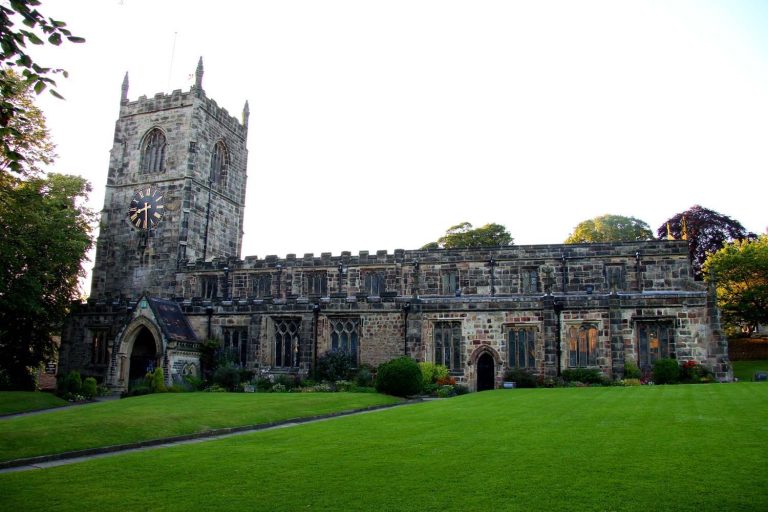
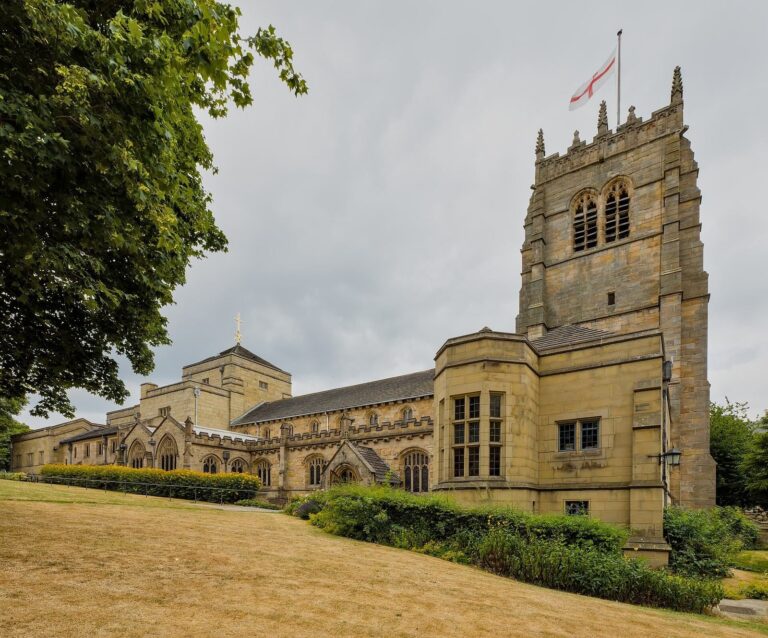
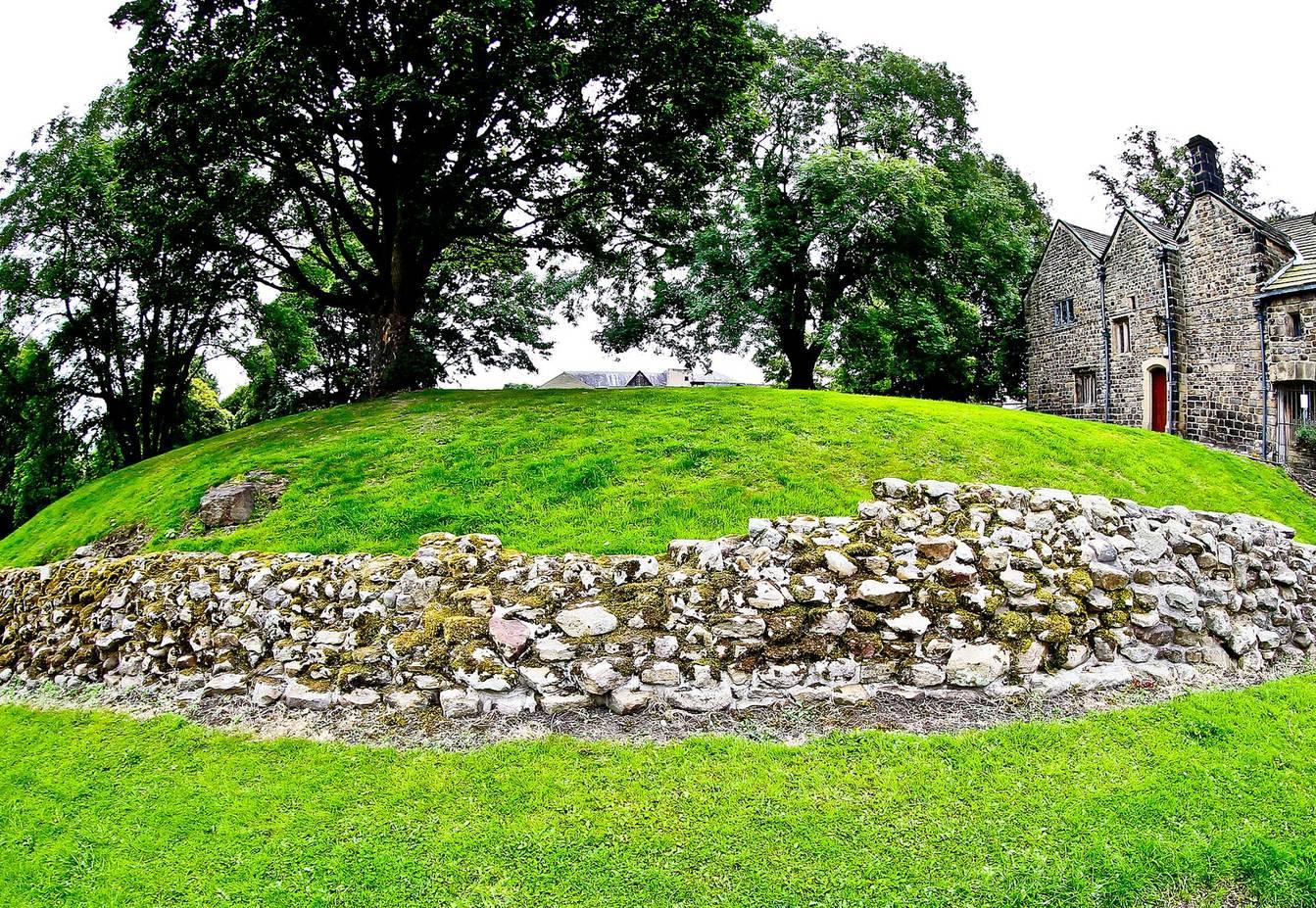
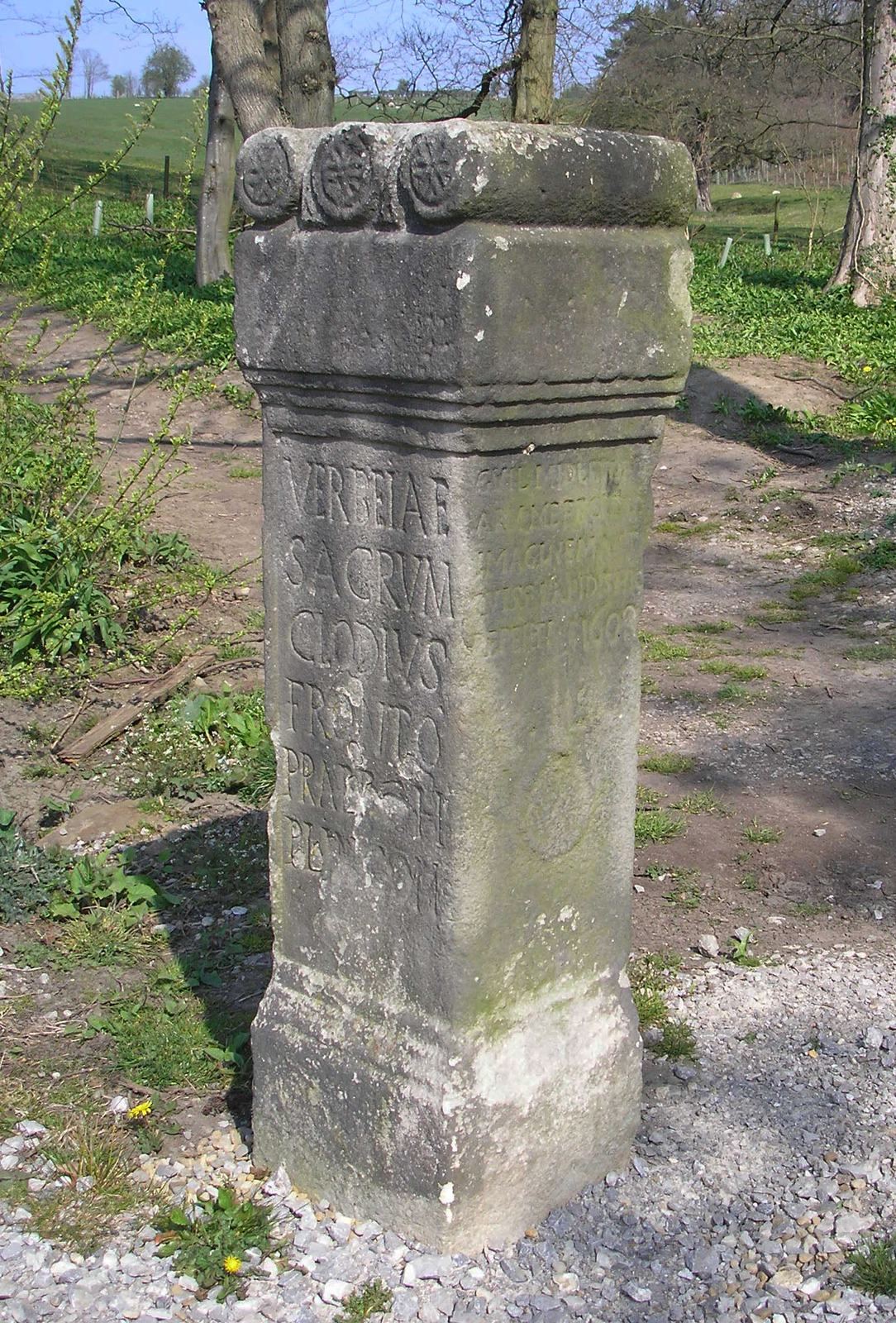
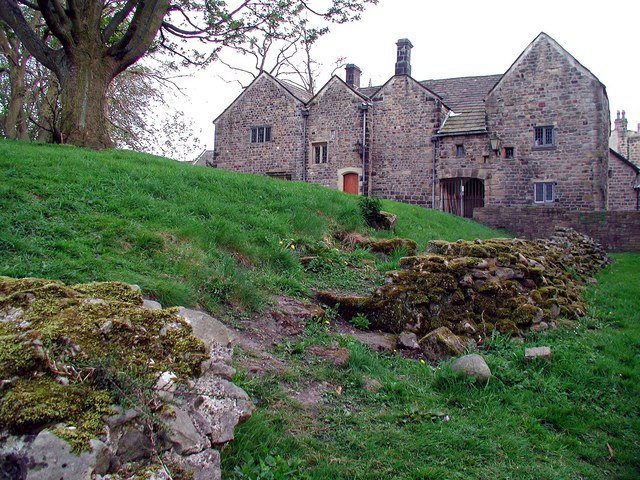
The fort stood on the south bank of the River Wharfe, beneath parts of Ilkley Manor House and All Saints Parish Church. Three ditches remain on its western side. A short section of the western wall survives near the Manor House art gallery and museum, and stones from the wall are held in the local museum. Four markers indicate the line of the former walls and stand at the positions of the former gate entrances. A defensive ditch was uncovered in 1962.
Civilian settlement and finds
The vicus lay south of the fort and extended at least 800 metres from east to west. It is also thought to have reached between the central car park and Christchurch on The Grove. Collections at Ilkley Manor House and All Saints Parish Church include Roman altars, funerary and medieval tombstones, and Anglo-Saxon crosses. The Roman altars date to the reign of Antoninus Pius (AD 138–161) and to the period of Septimius Severus and his son Caracalla (AD 211–217). An altar dedicated to Verbeia, a goddess also identified with the Roman name of the River Wharfe, is thought to have originated at the site.