Brontë Parsonage Museum: The Brontë Family Home and Literary Museum
Site at a Glance
- Popularity
- Very High
- Country
- United Kingdom
- Primary era
- Early Modern
- Eras represented
- Early Modern
- Civilizations
- British
- Site type
- Domestic
- Remains
- House
On this page5 sections
History
The Brontë household, 1820–1825
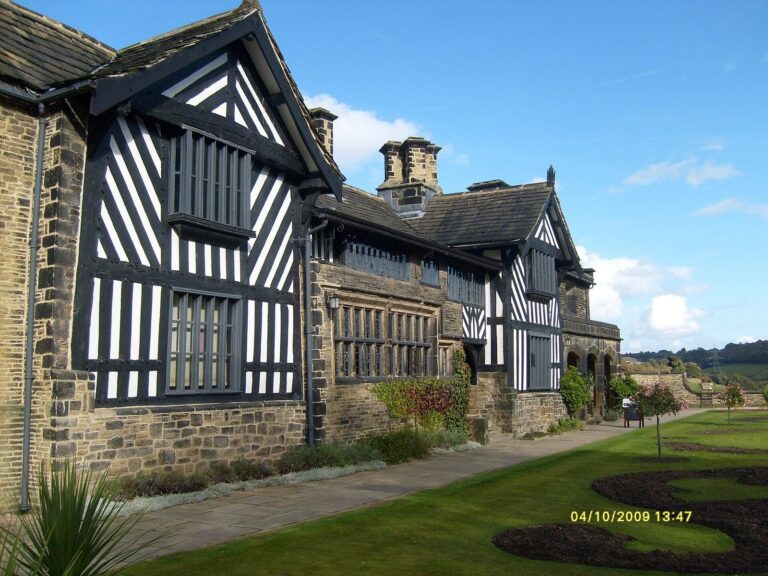
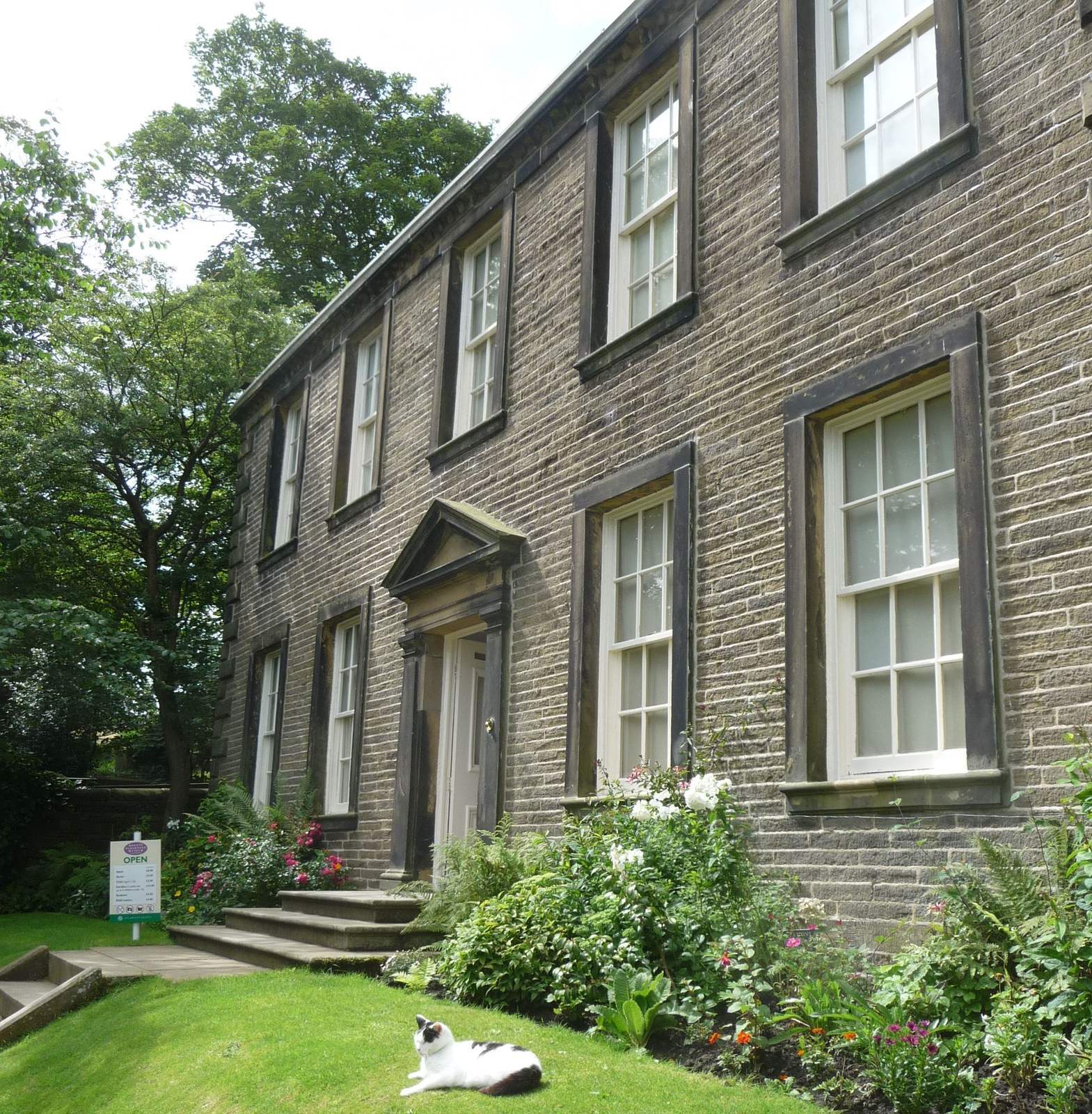
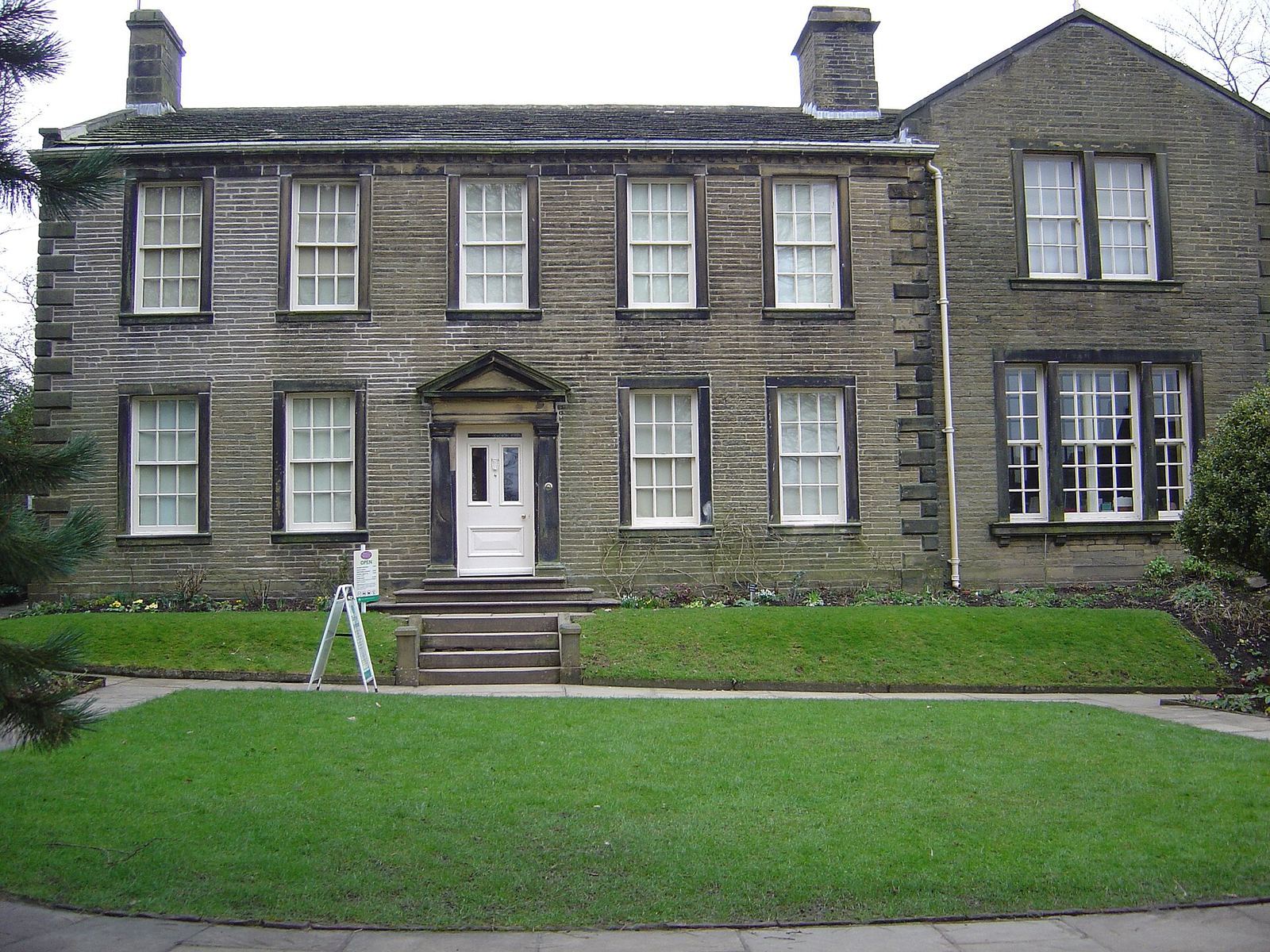
The Brontë Parsonage Museum is the former Brontë family home in Haworth, West Yorkshire, England, a house built between 1778 and 1779. The family moved there in 1820, when Patrick Brontë became the priest responsible for St Michael and All Angels’ Church. The surrounding moorland influenced the writing of his daughters Charlotte, Emily, and Anne, who spent much of their lives in the house and composed novels there.
Patrick arrived with his wife, Maria, and their six children. Maria died of cancer on 15 September 1821, and her unmarried sister, Elizabeth Branwell, came from Penzance to care for the household. In 1824, the four eldest daughters were sent to the Clergy Daughters’ School at Cowan Bridge. The eldest, Maria, returned ill with tuberculosis and died at the parsonage in May 1825, aged eleven. Elizabeth, aged ten, was sent home soon afterward and died on 15 June.
Writing and loss, 1846–1861
In 1846, Charlotte, Emily, and Anne used part of Branwell’s inheritance to publish a volume of poetry under the names Currer, Ellis, and Acton Bell. Aylott and Jones issued the book, but it sold only two copies. After several publishers turned down Charlotte’s novel The Professor, Smith, Elder & Co. encouraged her to submit another work. The firm accepted Jane Eyre, publishing it on 19 October 1847. London publisher Thomas Cautley Newby accepted Emily’s Wuthering Heights and Anne’s Agnes Grey; the two novels appeared together in a three-volume edition in December 1847. Following Anne’s second novel, The Tenant of Wildfell Hall, Charlotte and Anne had to disclose their identities.
Branwell became dependent on alcohol and opium, contracted tuberculosis, and died on 24 September 1848, aged 31. Emily was also ill with the disease. She stayed inside after his funeral and died on 19 December, aged 30. Anne, who also had tuberculosis, went to Scarborough seeking relief from seaside air and bathing. She died there on 28 May 1849, four days after arriving, aged 29. Her gravestone mistakenly gives her age as 28.
Charlotte completed Shirley, begun before Branwell’s death; it appeared in October 1849. Her last novel, Villette, was published in 1853. On 29 June 1854, she married Arthur Bell Nicholls, an assistant clergyman to her father, at Haworth Church. Charlotte died on 31 March 1855, aged 38, in the early stages of pregnancy. Patrick remained at the house for six more years, cared for by Nicholls, and died there on 7 June 1861, aged 84.
From family home to museum
After Patrick’s death, the parsonage’s contents were sold at auction, while friends and servants sold keepsakes and letters. In 1893, Bradford Library’s chief librarian called a meeting to propose gathering and preserving objects, letters, and documents associated with the Brontës. The Brontë Society was founded at a public meeting and began building a collection. By 1895 it had opened a museum above the Yorkshire Penny Bank in Haworth. About 10,000 people visited during its first year, when the Society had 260 members.
In 1926, Philadelphia collector Henry Bonnell bequeathed his Brontë collection to the Society. It was moved to the parsonage when the museum opened, making it available to scholars. In 1928, Sir James Roberts bought the house for £3,000, equipped it as a museum, and gave it to the Society. The collection continued to grow, with additional materials supplied on loan. The Society maintains the museum in honour of Charlotte, Emily, and Anne; it is a registered charity and one of the oldest literary societies in the English-speaking world. The parsonage is listed Grade I, the English category for buildings of exceptional interest. In 2009, an anonymous donor bought Charlotte’s mahogany writing desk and gave it to the museum in 2011.
Remains
The former parsonage occupies a moorland setting and now houses the museum. Its collections include books and other materials connected with the Brontës. Among the objects is a mahogany desk Charlotte used while writing her novels; it had previously been held in private collections for more than a century.