Hutovo Fortress: An Ottoman Fortification in Bosnia and Herzegovina
Site at a Glance
- Popularity
- Low
- Country
- Bosnia and Herzegovina
- Primary era
- Early Modern
- Eras represented
- Early Modern
- Civilizations
- Ottoman
- Site type
- Military
- Remains
- Fort
On this page7 sections
History
Ottoman tower and fortification
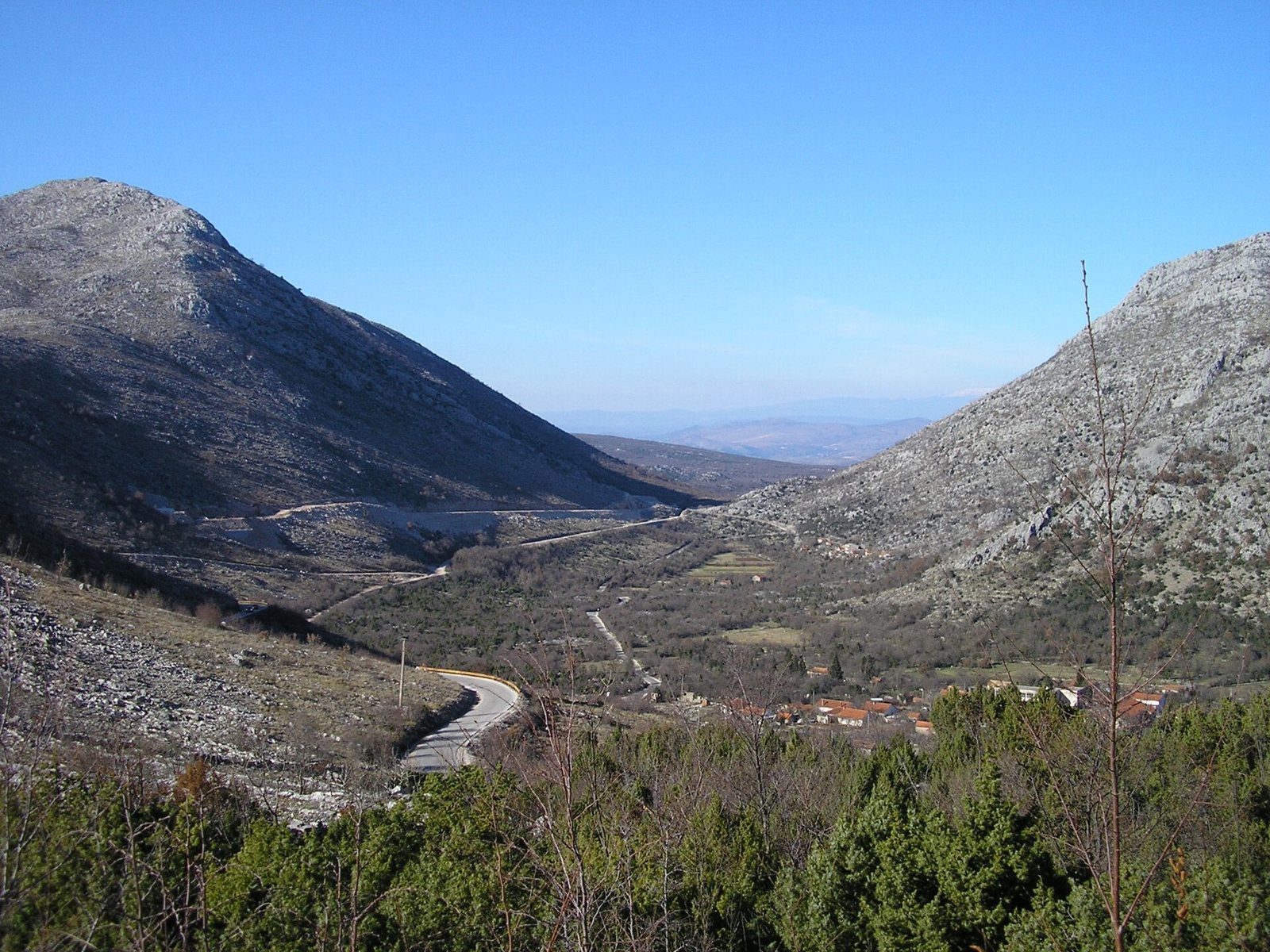
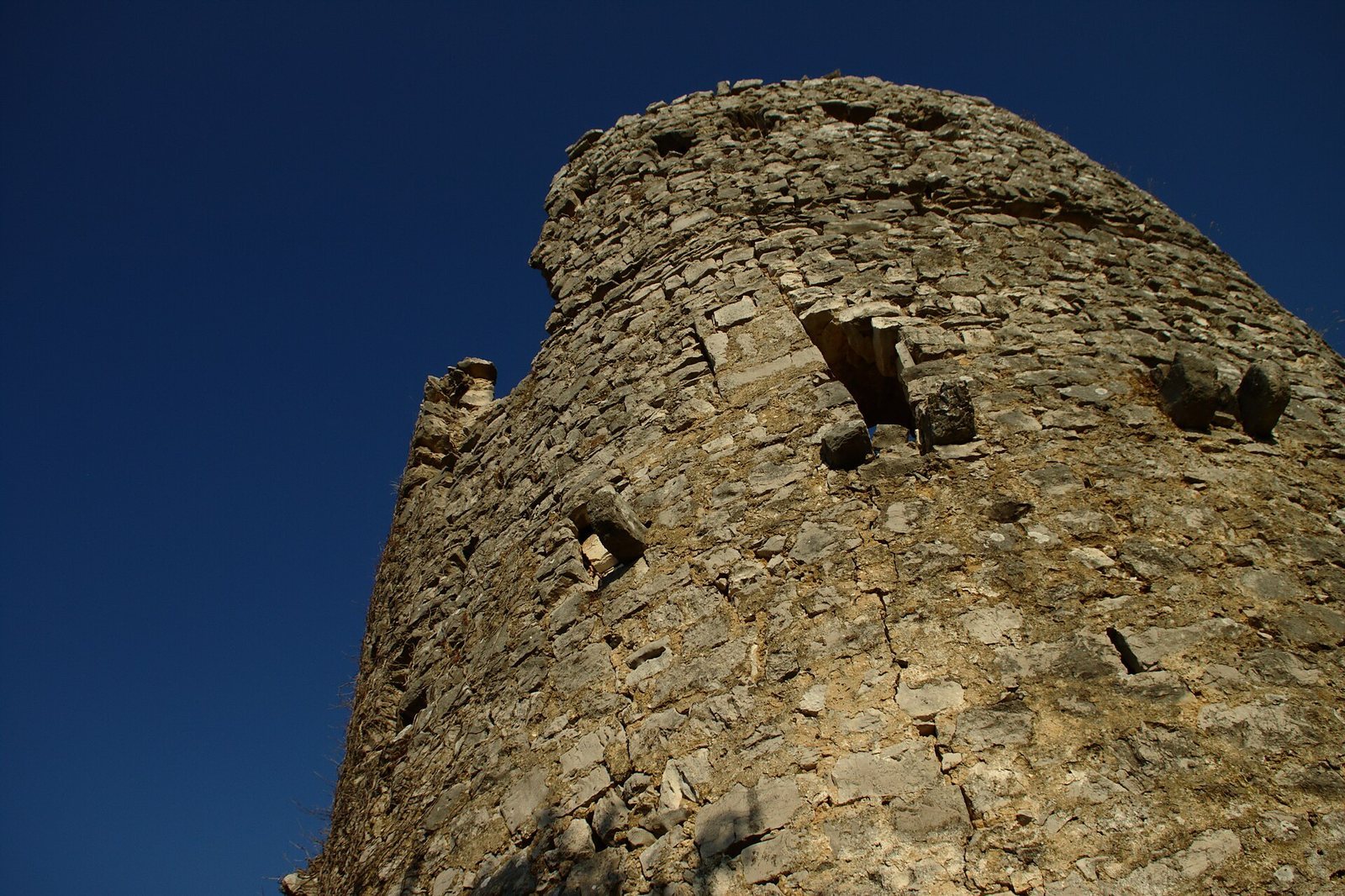
Hutovo Fortress is an Ottoman fortification near Hutovo in Bosnia and Herzegovina, overlooking the Prešjeci pass. Its earliest recorded date is June 28, 1525, and it remained in use from 1525 to 1878. In 1714, a large circular building at the site served as a tower in the Captaincy of Stolac, an Ottoman military-administrative district governed by a captain. Seven or eight guards watched the pass and collected taxes.
During the eighteenth century, the Rizvanbegović family took control of the Captaincy of Stolac from the Šarić family. Hajji Mehmed bey Rizvanbegović, son of Captain Zulfikar-bey Rizvanbegović, commanded the fort from 1795 to 1802. “Hajji” was an honorific for a Muslim who had made the pilgrimage to Mecca, while “bey” was an Ottoman title of rank or status. Mehmed was entitled to part of the taxes paid by Nevesinje. Before 1802, he converted the tower building into a proper fortification. His family owned the fortress, and he controlled it from 1802 to 1832.
The name Hadžibegov Grad, meaning “Hajji Bey’s Fort,” comes from the name of its last lord, Hadžibeg Rizvanbegović. The fortress is also known as Hutovski Grad.
Uprising and later preservation
At the start of the Herzegovinian uprising of 1875–1878, an insurrection against Ottoman rule in Herzegovina, the Ottoman army took the fortress. During a rebel attack led by Ivan Musić, the town was set on fire and its wooden structures were destroyed. The fortress was torched during 1875–1878 and abandoned during the uprising.
Revitalization began in 1969 under the National Museum of Bosnia and Herzegovina. In May 2004, the Commission to Preserve National Monuments of Bosnia and Herzegovina designated the fortress a National Monument.
Remains
Enclosure and inscribed stones
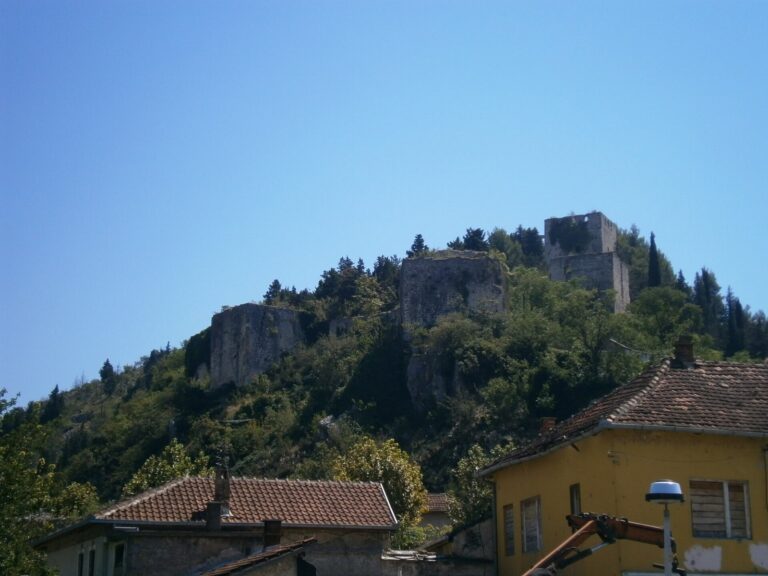
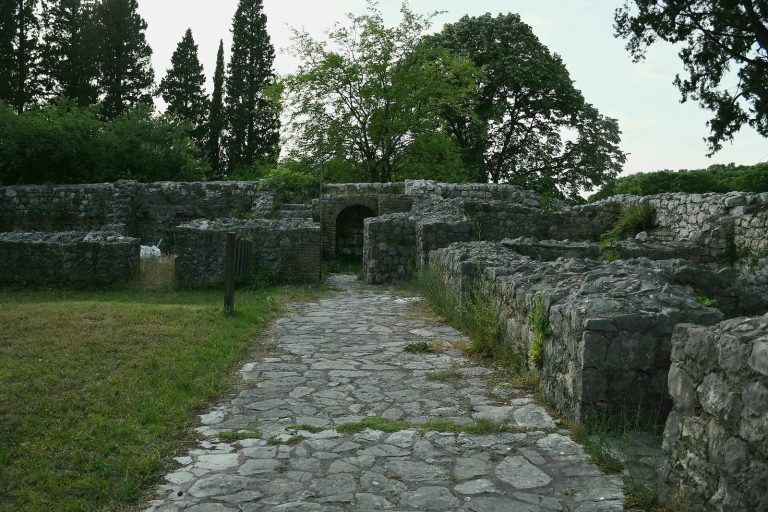
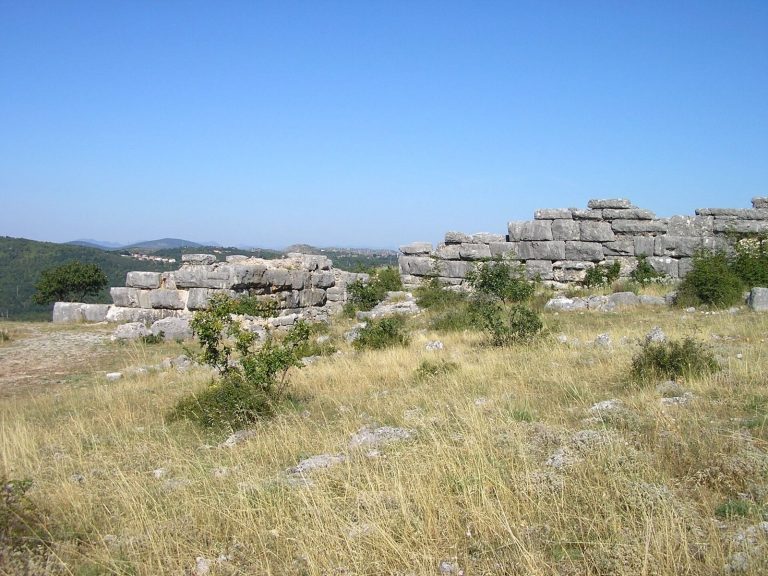
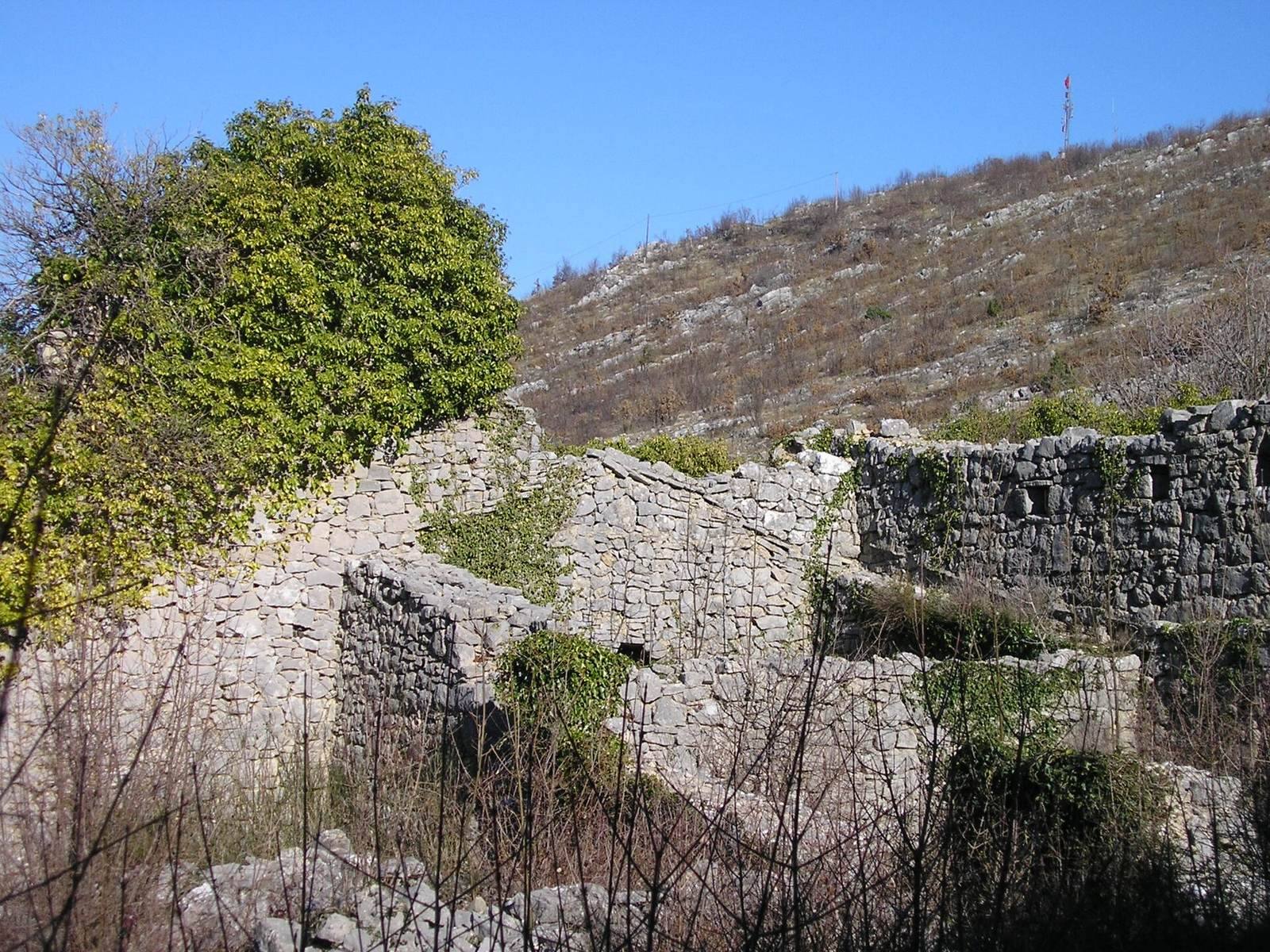
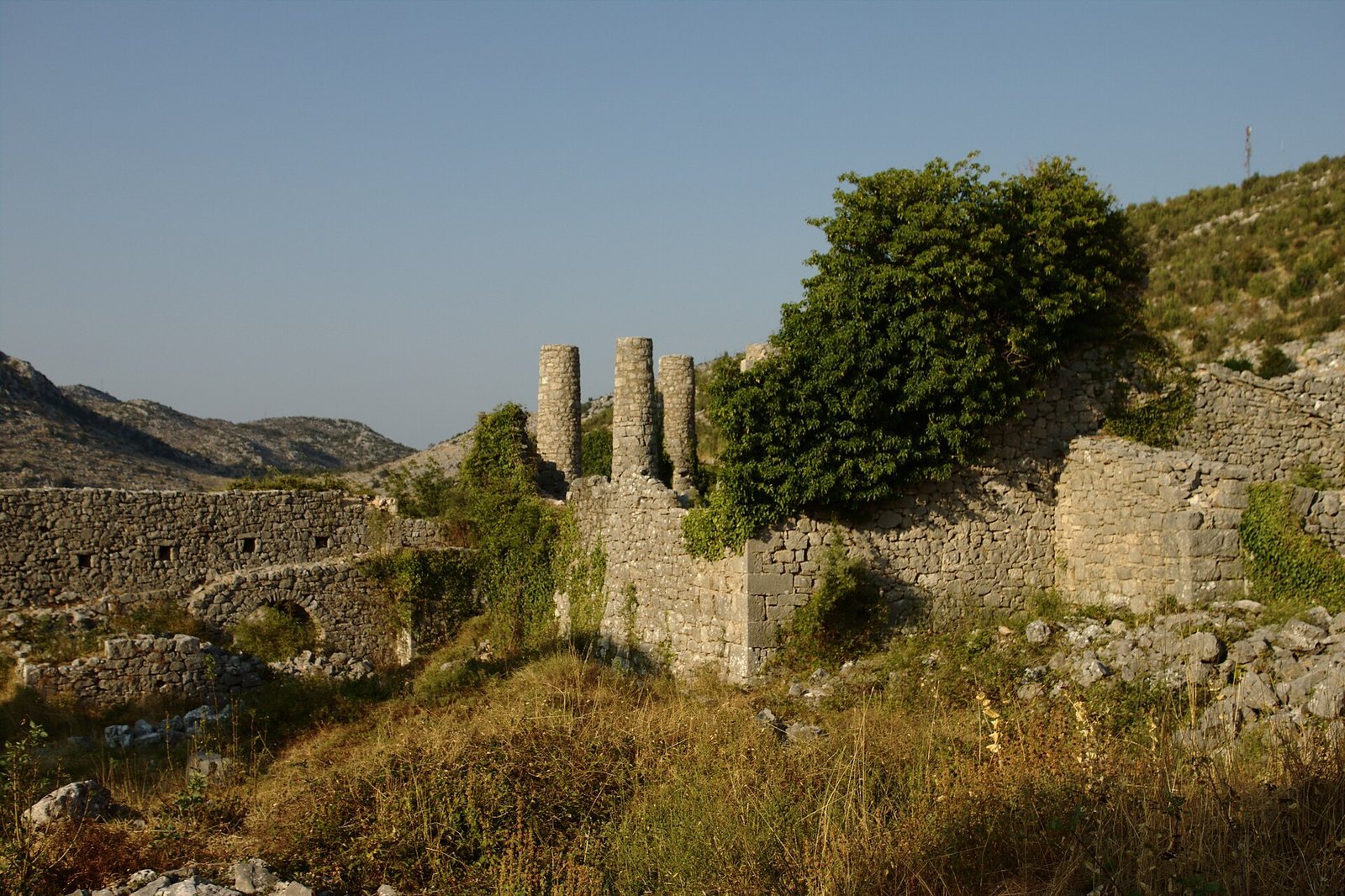
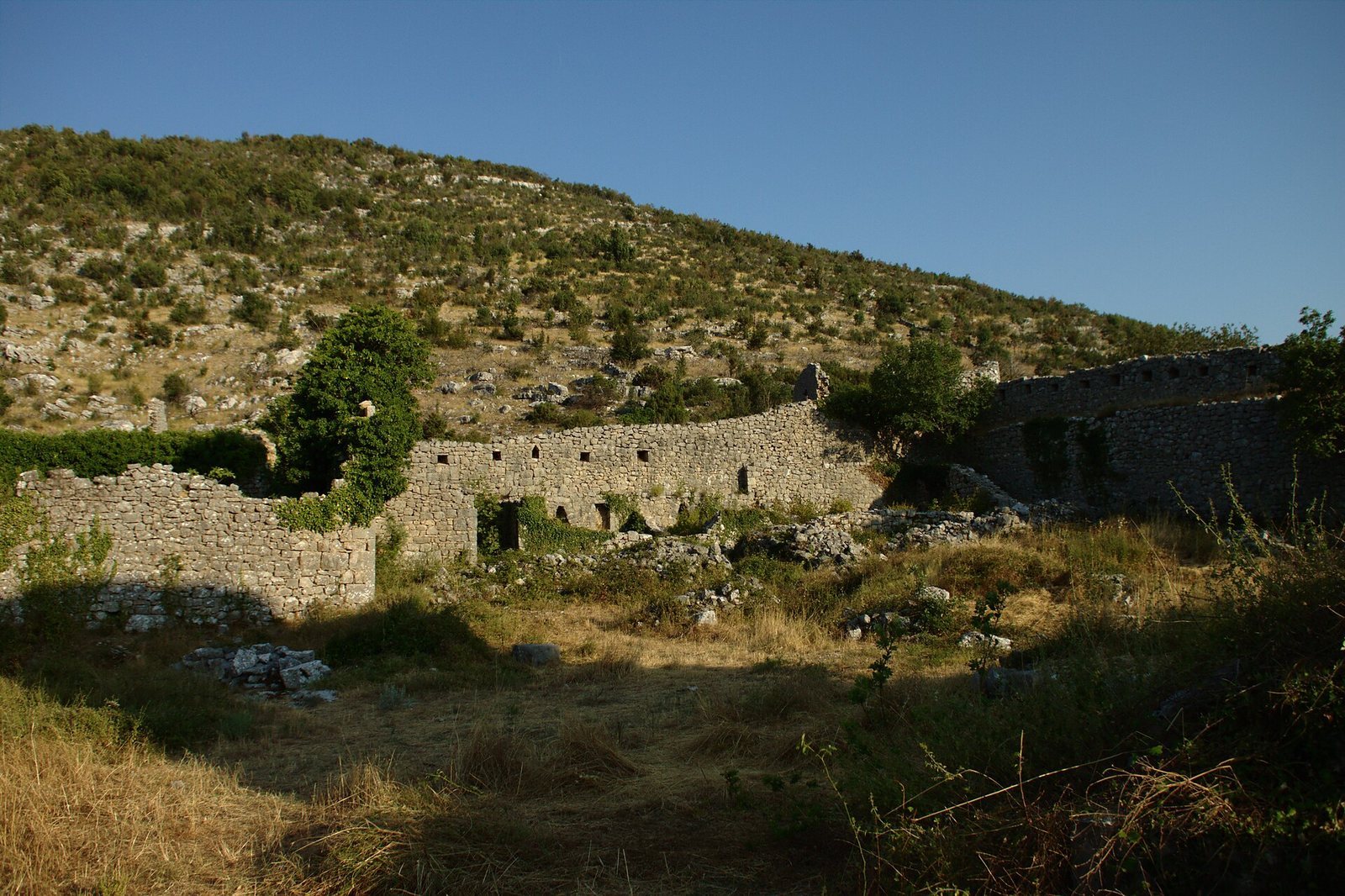
The ruined fortress stands on a hill southwest of Hutovo, below Žaba Mountain, and overlooks the Prešjeci pass. The pass was crossed by salt caravans traveling inland from Ston. The enclosure has an irregular pentagonal plan, with high walls surrounding a level interior.
Walls and towers
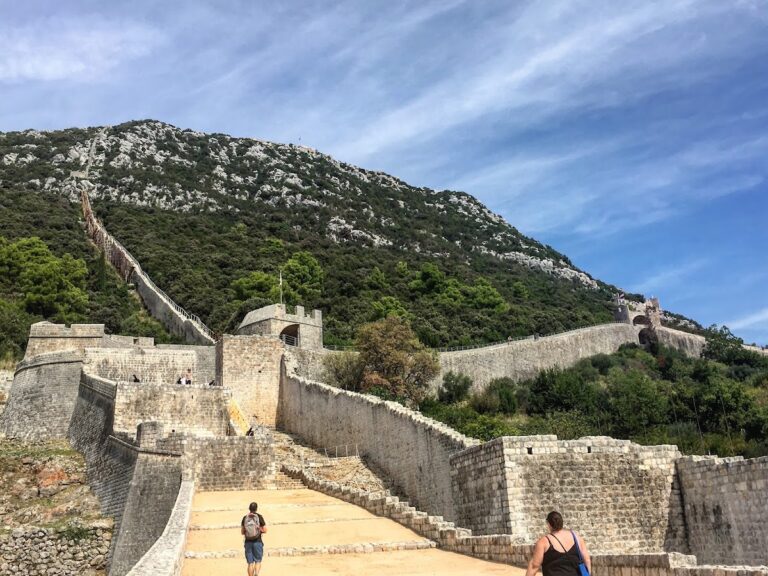
Built of limestone, the fortification extends about 70 metres from east to west. Its eastern part is roughly 50 metres wide, while the western part is about 30 metres wide. Nine towers stand at the corners. The walls were arranged so that soldiers armed with firearms could defend every angle.
Inscribed stones
Two stone tablets are associated with the fortress, among eight counted across the town. Three inscribed slabs found at the fortress are displayed in the stone-inscription collection of the local heritage museum in Hutovo.