Huaca Templo Con Con: An Andean Ceremonial and Pilgrimage Center
Site at a Glance
- Rating
- 4.8
- Popularity
- Very Low
- Country
- Peru
- Primary era
- Medieval
- Eras represented
- Medieval
- Civilizations
- Unclassified
- Site type
- Religious
- Remains
- Temple
On this page5 sections
History
Huaca Templo Con Con is an Andean ceremonial and pilgrimage site in Carabayllo, Peru, built around AD 1000. Also known as the Temple of Kon, it was dedicated to Con and belonged to the Late Intermediate Period, a pre-Inca era of regional kingdoms and lordships. A huaca is a sacred place or object in Andean traditions, a term also used for archaeological and ceremonial sites.
Con worship and the site’s name
The name Con has been linked with water and drinking. In Culli, Con means water, while Culli Cumú, Colán Cum and Catocaos Conecuc are terms for drinking. The variation between u and o has been attributed to the three-vowel system of Andean languages and to later Spanish spellings, which used u in sixteenth-century documents.
Con was worshipped before Pachacamac, a major deity of pre-Columbian Peru, particularly along the central coast. Although Pachacamac later displaced Con, people continued to pray and make offerings to Con. Tradition depicted Con as a flying man with long, loose hair and puma or jaguar teeth. The teeth were associated with thunder and lightning, understood as messengers of rain. Con was also a solar deity said to suppress coastal rain, yet people appealed to him for a continuing water supply. Puma, condor and hawk imagery was widespread in Andean religion and may have been associated with worship of Con and the Sun.
Regional authority and ceremony
During a period of favorable climate and expanding agriculture, approximately AD 1000 to 1300, the site may have served administrative as well as religious purposes. Cultivation spread into areas previously less suited to farming, bringing prosperity. The Colli and their neighbors, the Canta, disputed control of the Chillón River’s water and fertile land, including coca-growing areas. Both communities claimed water rights, while also trading and sharing interests in waterworks. The Colli lordship, governed by Colli Cápac from Pueblo Viejo, also called Guarnec, near Colli Castle, extended from the coast toward Chukikoto and included lands above Kiwi facing Canta, but not the upper Chillón Valley.
Kon-Kon ceremonies combined food, music and chicha de jora, a fermented maize drink. Flute and drum players traveled through the territory performing music intended to lift people’s spirits. Their principal function was also to exert hidden control over the work of farmers and artisans; the Colli ruler rewarded them generously and gave them preferred places at religious festivals. Meals included peanuts, beans, maize, cassava, squash, lima beans, pumpkin, goldenberry, sweet potato, lúcuma, pacay and chili peppers. Refreshments made from tara and molle were served, and some meals also included fish, mollusks, shellfish, seabirds and sea lions.
Decline and colonial transformation
The site was abandoned around AD 1400. A colder interval, described as a small ice age, contributed to the region’s decline. Around the same time, the Incas invaded surrounding territories, and the Colli transferred their administrative center to the more defensible fortress of Collique, leaving the site’s exposed position behind.
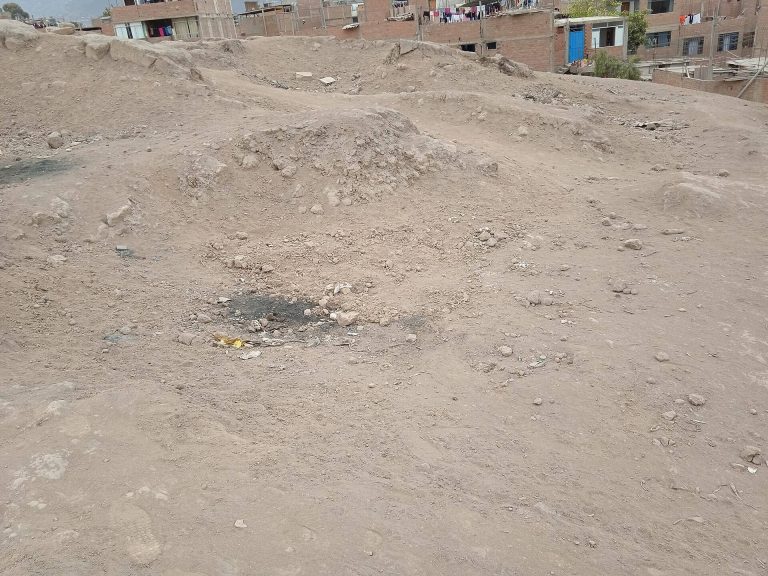
After the Spanish conquest of the Inca Empire in 1532, the huaca became part of the encomienda system, a colonial arrangement granting a holder rights to collect Indigenous tribute, in principle in exchange for protection and religious instruction. The area was gradually depopulated, and the site eventually fell into neglect.
Remains
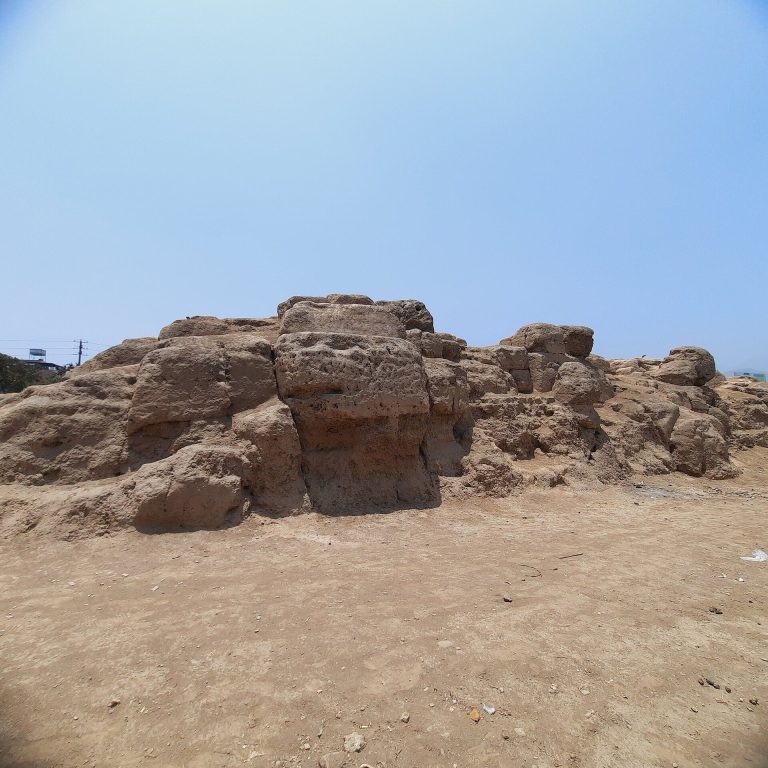
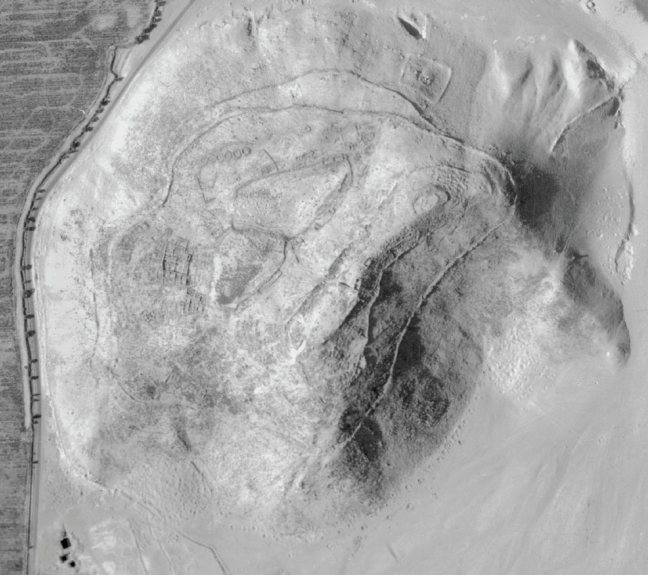
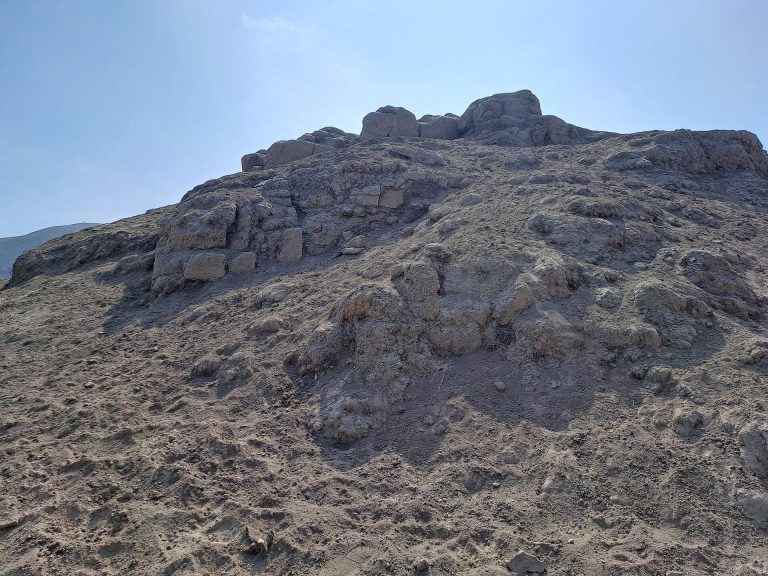
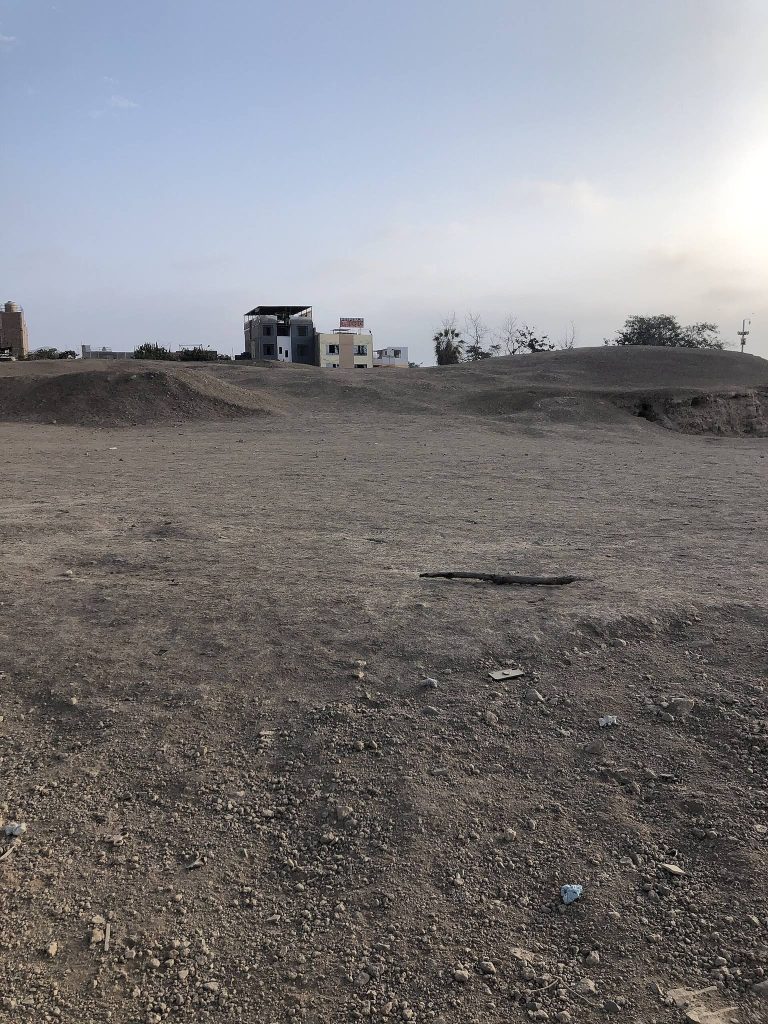
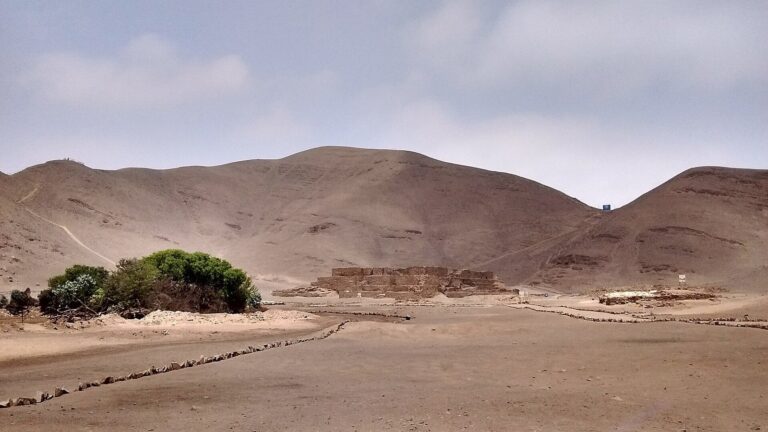
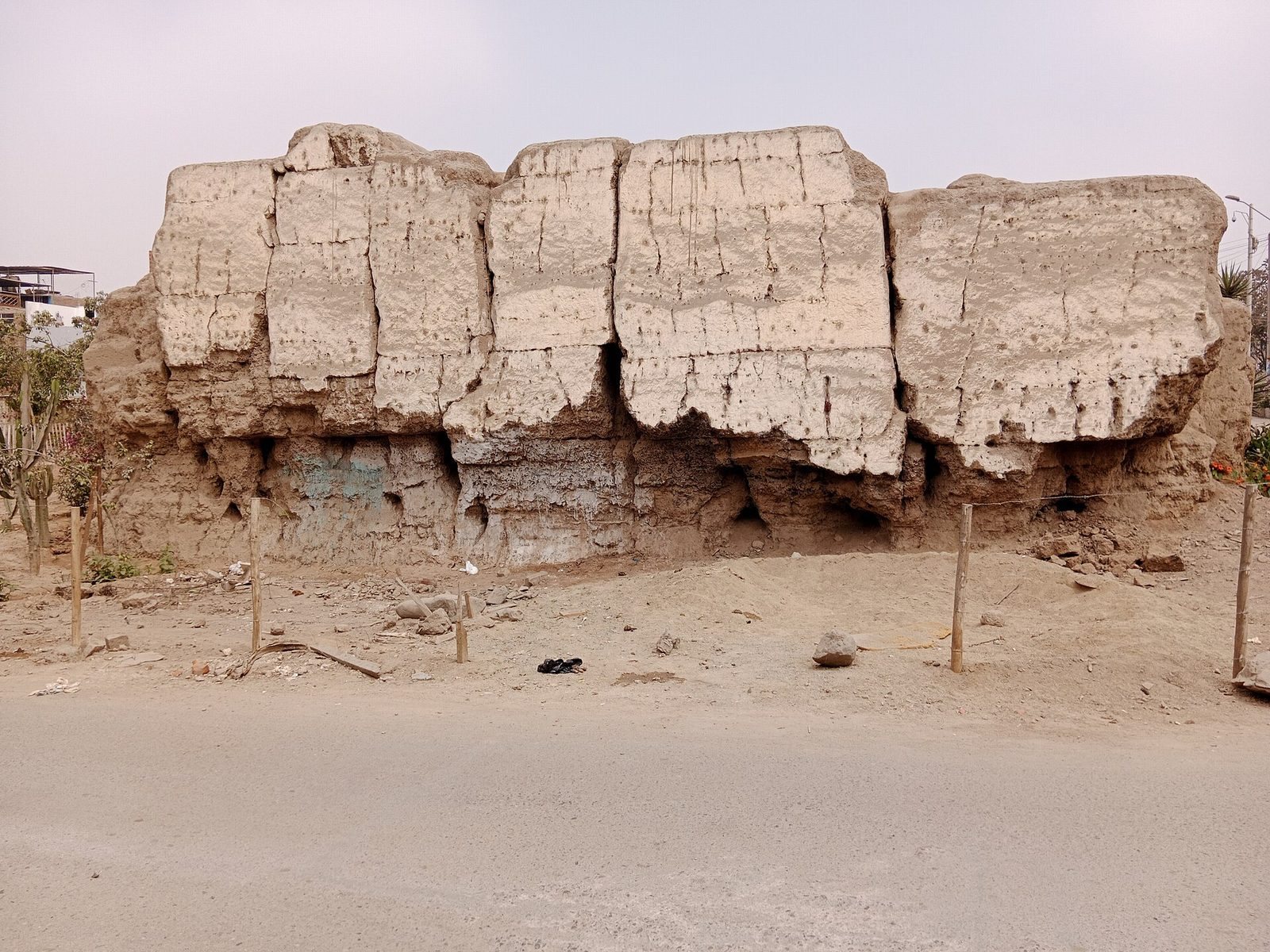
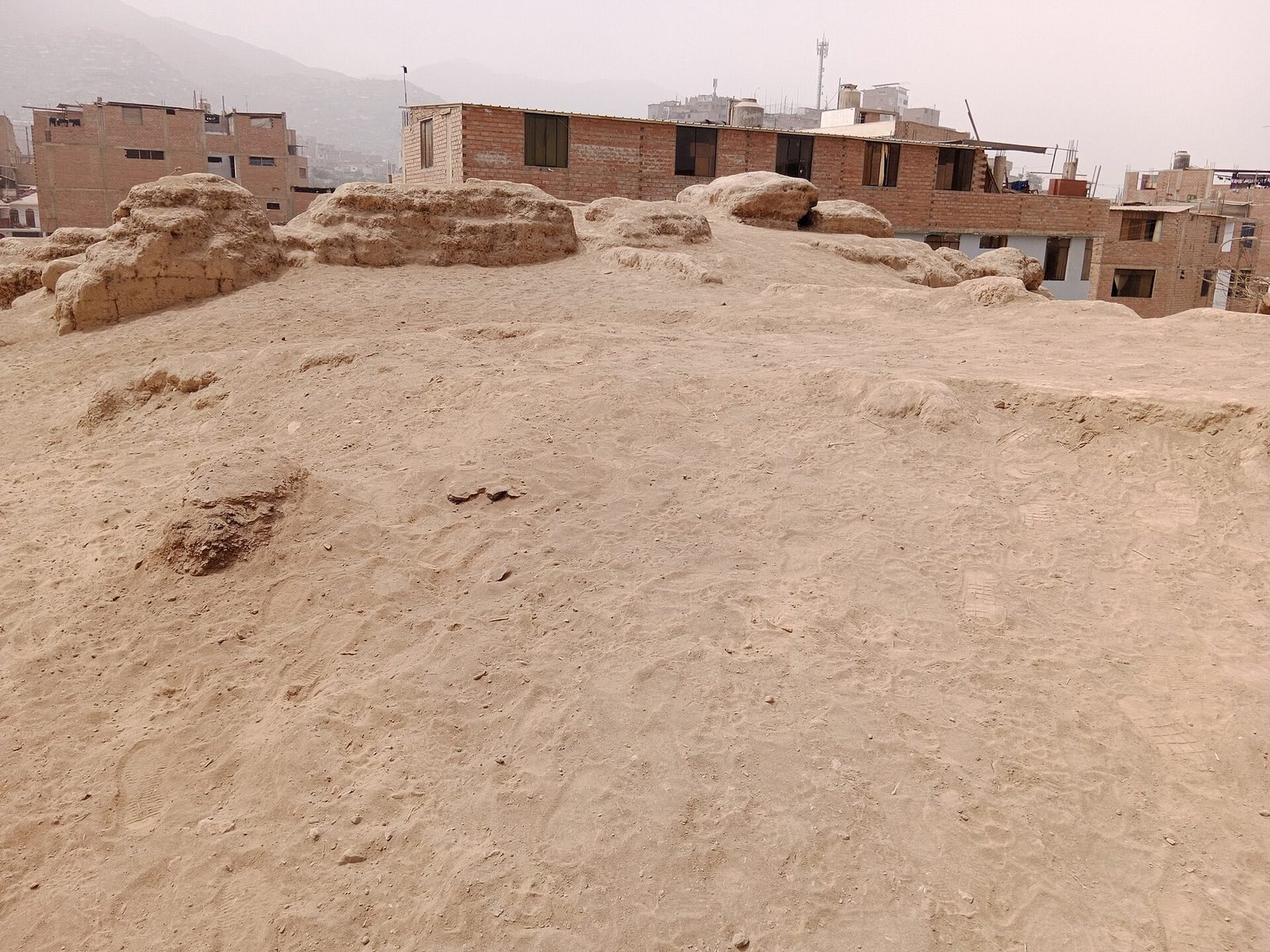
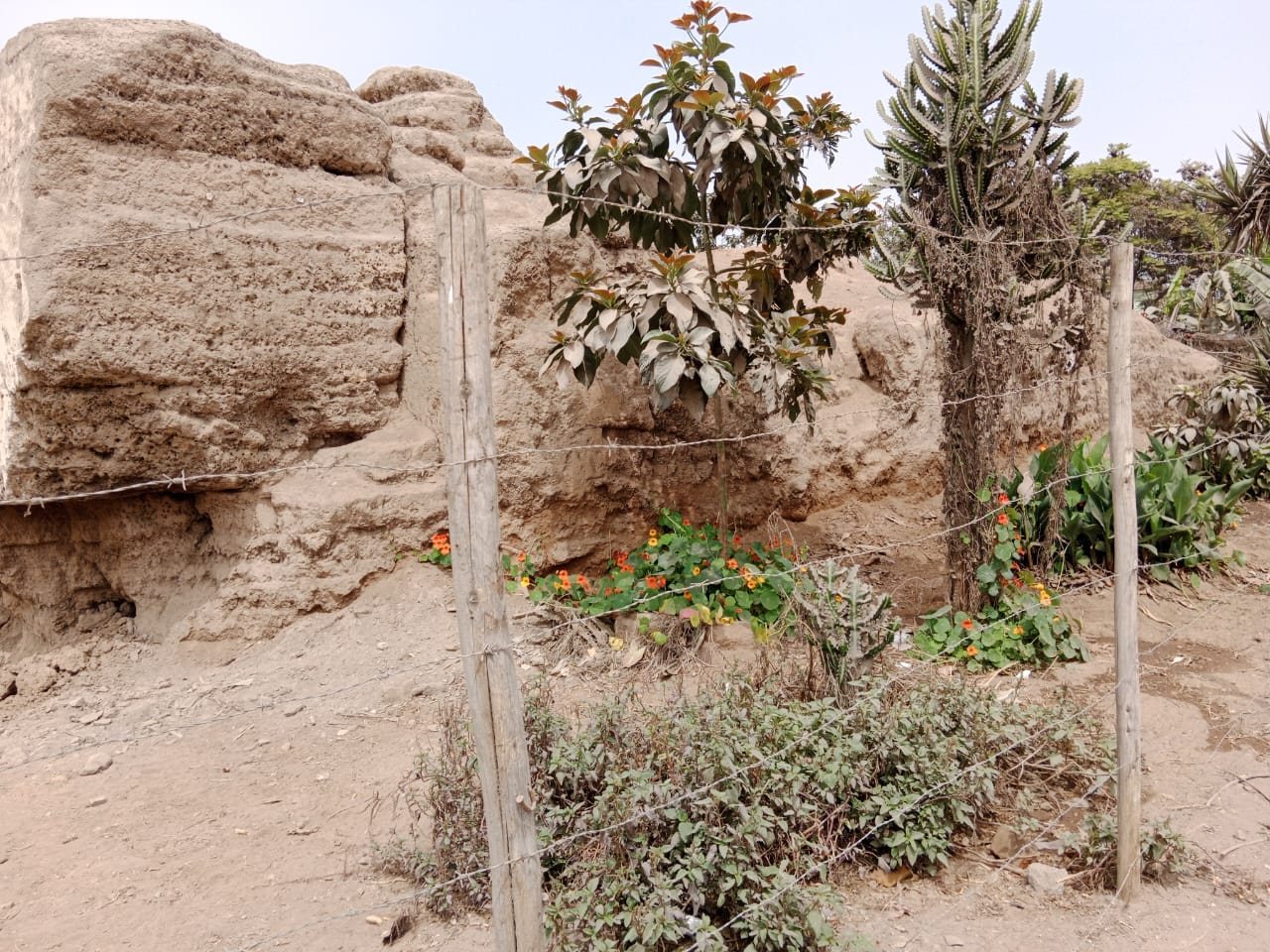
The archaeological zone survives as ruins that include a ceremonial complex with thick walls. Its construction used several forms of adobe, or sun-dried earth building material, including conical or triangular units, small rectangular units, bricks and large blocks. Builders also poured mud into place and set river and hillside stones in mud.
A tradition holds that beans were mixed into the mud, perhaps to strengthen it or to express gratitude for the earth’s produce.