Hosenji: A Sōtō Zen Buddhist Temple in Seto, Japan


Site at a Glance
- Rating
- 3.7
- Popularity
- Very Low
- Country
- Japan
- Primary era
- Early Modern
- Eras represented
- Early Modern
- Civilizations
- Tokugawa
- Site type
- Religious
- Remains
- Monastery
On this page11 sections
History
Hosenji is a Sōtō Zen Buddhist temple in Seto, Japan, founded in 1252 during the Kamakura period, a medieval era conventionally dated from 1185 to 1333. Its mountain name, an honorific title used by many Japanese Buddhist temples, is Daishōzan, and its principal image is Shakyamuni Buddha.
Foundation and Destruction
Temple tradition places Hosenji’s origin in 1252, when it was established as a jinguji, an institution that connected Buddhist worship with a Shinto shrine. Its first principal image was Yakushi Nyorai, the Buddha associated with healing and medicine, and the image was attributed to Gyōki, a Nara-period Buddhist monk traditionally linked with temple foundations and religious works.
The temple buildings and principal image were destroyed by wartime fires during the Tenshō era, a late-sixteenth-century Japanese period lasting from 1573 to 1592. The destruction brought an end to the early physical form of the institution.
Rebuilding and Local History
In 1647, Kōnan, a monk from Unkōji Temple, built a new hall, installed an Enmei Jizō as the principal image, and gave the temple the name Daishōzan Hosenji. The fifteenth abbot later renewed the temple’s various halls. Hosenji’s present religious identity is Sōtō Zen, one of the major Zen schools, whose practice places particular emphasis on seated meditation, or zazen.
Hosenji also became connected with the development of local education. Tohara School was established at the temple in 1873, following the introduction of Japan’s modern education system. After a temporary period in private houses, the school moved in 1884 to a purpose-built building at Kurasho beside the Seto River. It is now Seto Municipal Tohara Elementary School.
Around 1881, Hosenji entered the Eight Views of Seto collection under the title “Hosenji Evening Bell.” The temple is also associated with Seto’s ceramic history. Gravestones for Kato Kagemasa, known as Tōshirō and regarded as the founder of Seto pottery, and Kato Tamikichi, regarded as the founder of Seto porcelain, were erected at Hosenji in 1953 and transferred to the grounds of Kamagami Shrine in 1995. The temple register preserves a posthumous Buddhist name for Kato Tōzaemon, regarded as a revitalizer of Seto’s ceramic industry; his grave is in Nishitani Cemetery.
Religious and Cultural Status
Hosenji is the twenty-sixth site on the Owari Thirty-Three Kannon Pilgrimage and the twenty-fifth site on the Tokai Forty-Nine Yakushi Pilgrimage. Kannon is a Buddhist bodhisattva associated with compassion. The name Teramotocho is traditionally said to have originated from the temple.
The gate has been designated by Seto City as an important landscape building. The Ceramic Sixteen Rakan Sculptures received designation as Seto City cultural properties in 1982, while an Old Seto ware heishi vessel received the same status in 2005. A heishi is a narrow-necked vessel used in Buddhist and Shinto rituals.
A Yakushi Nyorai associated with the Eastern Pure Lapis Lazuli World is enshrined on the left side of the main hall. It is believed to help people with eye diseases, and a Yakushi grand festival has been held each November, with its associated mantra recited during the observances. The event was suspended for four years from 2020 because of the COVID-19 pandemic and resumed in November 2024 under the name Amenbo Festival.
Remains
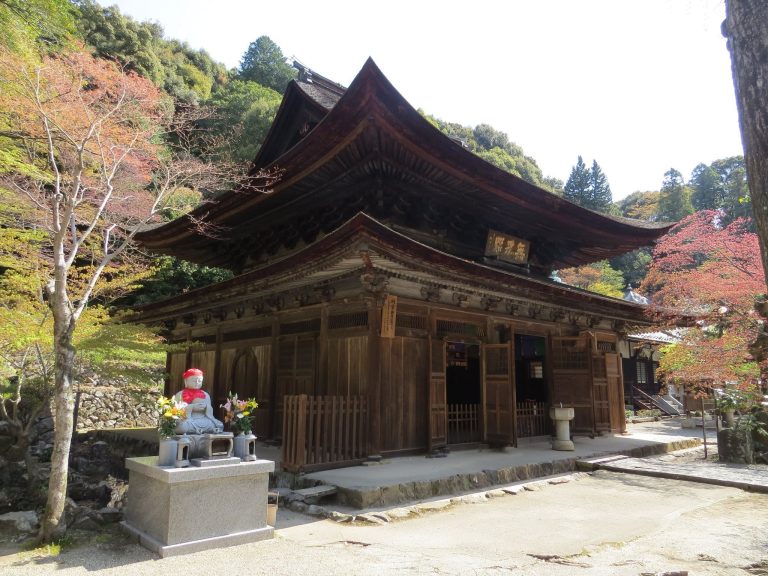
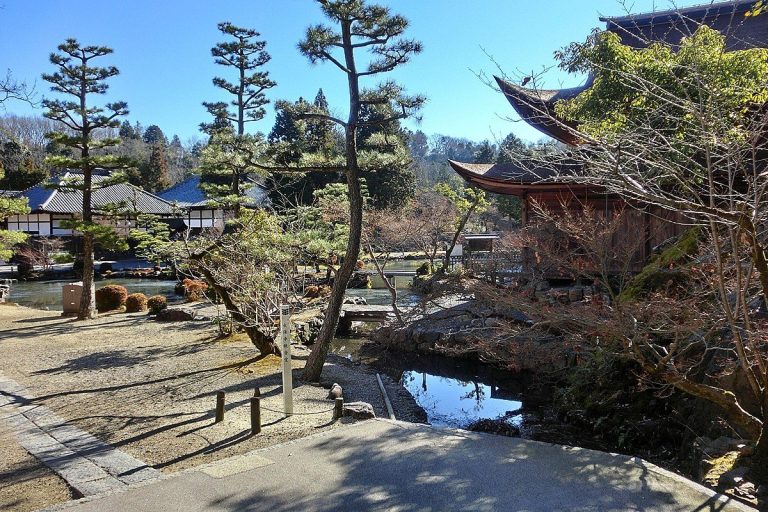
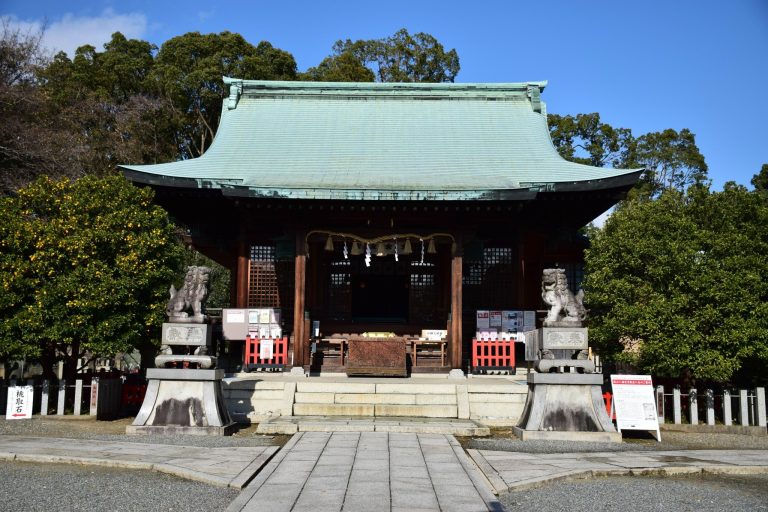
Hosenji’s precinct includes a main hall, a Kannon Hall, priests’ quarters, a mountain gate, and a bell tower. The entrance is a Ryūgūmon, or Dragon Palace Gate, while the group of surviving buildings reflects the temple’s continuing Buddhist use and its later rebuilding.
Temple Buildings
Mountain Gate
The mountain gate is built as a Ryūgūmon, a gate type whose name means Dragon Palace Gate. Seto City recognizes the gate as an important landscape building.
Kannon Hall
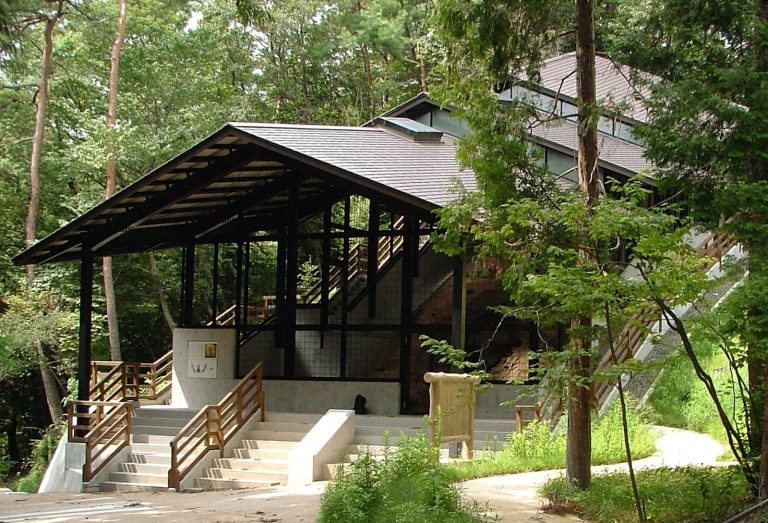
The Kannon Hall was rebuilt in 1992 and also serves as a meditation hall for zazen, the seated meditation central to Sōtō Zen practice. Its floor is covered with fitted floor tiles. Kannon, the Buddhist bodhisattva of compassion, gives the hall its religious association.
Ceramic Religious Objects
Ceramic Sixteen Rakan Sculptures
The Ceramic Sixteen Rakan Sculptures consist of molded ceramic figures representing sixteen arhats, Buddhist disciples who have attained spiritual liberation. They were dedicated in March 1843 by the first Kato Zen’emon and form part of Hosenji’s material connection with Seto’s ceramic tradition.
Old Seto Ware Heishi
The Old Seto ware heishi is a Kamakura-period ceramic ritual vessel. Its narrow-necked form belongs to a type used in Japanese Buddhist and Shinto religious contexts, linking the object’s function with the temple’s early history as a jinguji.