Holy Trinity Church, Sutton Coldfield: Parish Church of Sutton Coldfield
Site at a Glance
- Rating
- 4.7
- Popularity
- Very Low
- Country
- United Kingdom
- Primary era
- Medieval
- External website
- Open
- Eras represented
- Medieval, Early Modern, Modern
- Civilizations
- British, English
- Site type
- Religious
- Remains
- Church
On this page8 sections
History
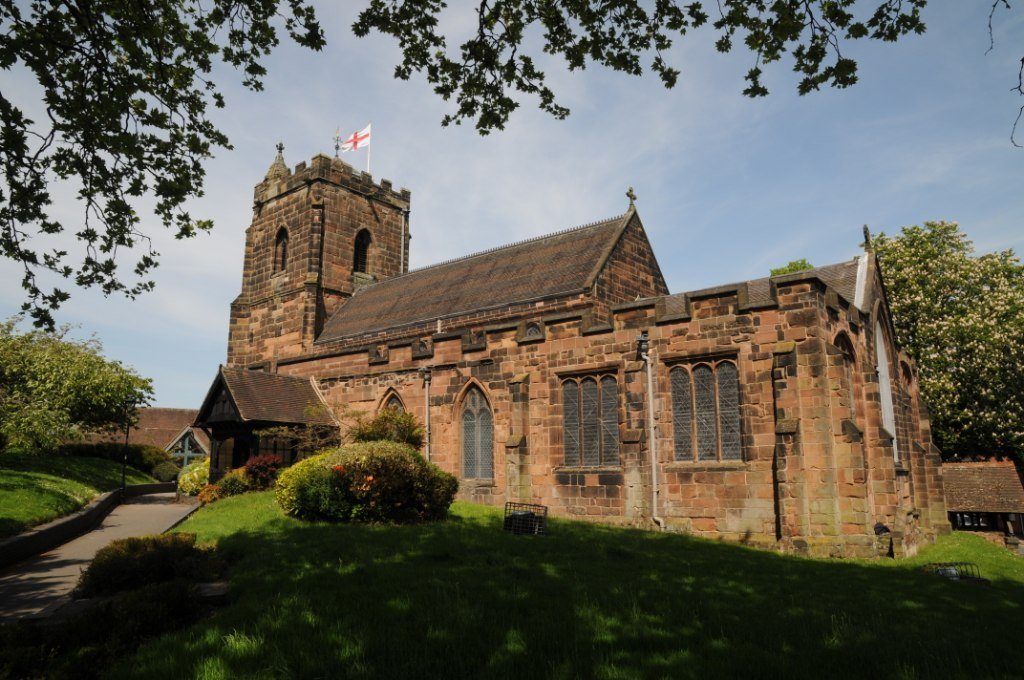
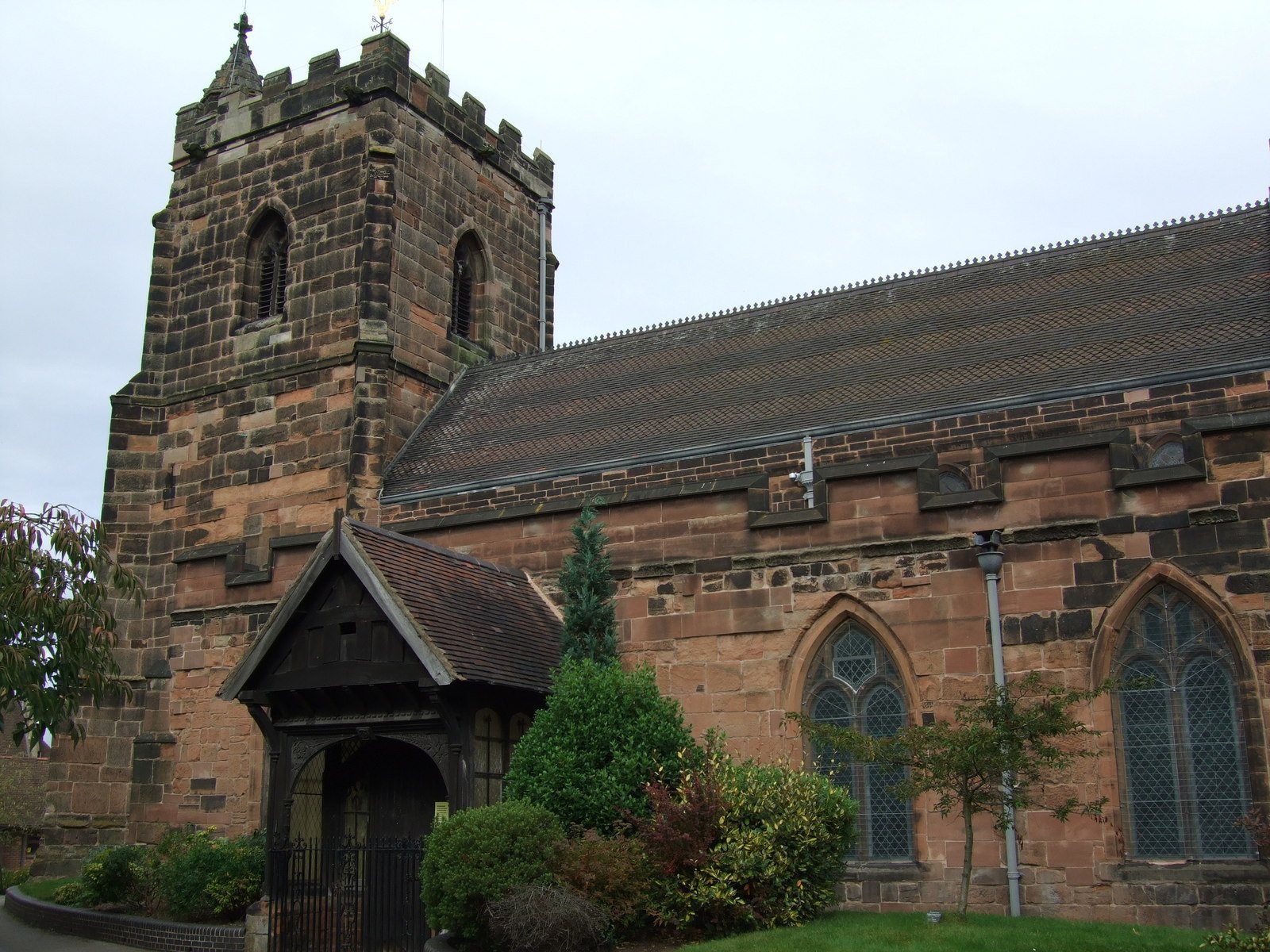
Holy Trinity Church, Sutton Coldfield, in the United Kingdom, is the town’s parish church and belongs to the Church of England, England’s established Anglican church. A church is thought to have occupied this site by the thirteenth century, when it was associated with Sutton Coldfield manor. The earliest surviving part of the present building is its west tower, erected in the late fifteenth century.
Medieval and Tudor development
During the 1530s, Bishop John Vesey enlarged the church with two side aisles and gave it an organ for installation in the South Chapel. That instrument probably disappeared during the English Civil War, the seventeenth-century conflict between supporters of the monarchy and Parliament.
Later parish development
Galleries, pews, and bells were added in the eighteenth century. The curate gave the church a new organ in 1761, continuing a history of musical provision that later included several replacement instruments.
In 1835, the church established a chapel near Mere Green. It later became St James’ Church, Hill, and in 1853 part of Holy Trinity’s parish was separated to create a new parish for it. Holy Trinity was formerly within the medieval Diocese of Lichfield, a bishop’s administrative and pastoral district, and now belongs to the Diocese of Birmingham. The church has held Grade I listed status since 18 October 1949.
Remains
Medieval tower and Tudor aisles
The surviving building is organized around a west tower from the late fifteenth century and two side aisles added during the 1530s. These elements preserve the principal stages of the church’s medieval and Tudor expansion, including the enlargement associated with Bishop John Vesey.
Tomb, font, and interior fittings
The interior contains Bishop John Vesey’s tomb and a font acquired during the nineteenth century from St Lawrence’s Church, Over Winacre, in Nottinghamshire. Ornate screens and panelling made in the early seventeenth century were removed from the choir and organ casing of Worcester Cathedral in 1864. They were installed at Holy Trinity Church in 1875.
Organs
Holy Trinity has housed several organs. An eight-speaking-stop instrument by Henry Bryceson was installed in 1829, with speaking stops meaning independently controllable sets of pipes. Gray and Davison supplied a two-manual-and-pedal organ in 1865, an arrangement with two keyboards and a separate pedalboard; it was later sold to St Peter’s Church, Irthlingborough, in Northamptonshire. Robert Hope-Jones installed another organ, opened on 3 April 1900 at a cost of £1,500. Hill, Norman and Beard updated it in 1921, then installed a further new organ in 1950 at a cost of £6,000.
Bell tower
The tower holds a peal of eight bells, meaning a sequence of changes rung on a set of bells. The third and fourth bells were made by Thomas Mears in 1795. The other six were produced in 1884 by John Taylor and Company of Loughborough. The tenor bell weighs 1,189 kilograms.