Höhingen Castle: A Medieval Stronghold in Germany
Site at a Glance
- Popularity
- Low
- Country
- Germany
- Primary era
- Early Modern
- Eras represented
- Early Modern
- Civilizations
- Holy Roman Empire
- Site type
- Military
- Remains
- Castle
On this page9 sections
History
Höhingen Castle is a medieval stronghold in Höhingen, part of Vogtsburg im Kaiserstuhl, Germany. Its beginnings are uncertain, but the site is dated to before 1064, when castle buildings were said to exist. About seven kilometres from the contested fortress of Breisach, it later served as a military counterweight. Two narrow north-south trade passages on the Rhine’s right bank ran between Riegel and the Black Forest, and between Breisach and Achkarren.
Early history and noble ownership
In 1064, Achkarren was first recorded in connection with a transfer by King Henry IV, later Holy Roman Emperor, to Ottmarsheim Abbey, a monastery in Alsace. The castle itself is explicitly mentioned in 1259, and its buildings were enlarged several times over the following centuries. After the Üsenberg family’s ancestral Castle Üsenberg near Breisach was probably destroyed by Breisach in the 1240s, Höhingen is said to have been given to the family as a replacement.
The castle was briefly pledged to the Schnewlin im Hof family around 1353, meaning it was held temporarily as security for an obligation. In 1392, Hesso, the margrave, or ruler, of Hachberg bought Werner von Hornberg’s share; Hesso already possessed the other share. In 1415, Höhingen passed with the Margraviate of Baden-Hachberg to Bernhard I of Baden, who bought it from Otto II, the last member of the Baden-Hachberg branch. Otto retained use of the castle until his death in 1418.
The Peasants’ War and the castle’s destruction
In May 1525, during the German Peasants’ War, a major uprising of 1524–1525, villagers from Achkarren helped burn the castle. Long-running disputes with the margraves over forest use are thought to have contributed to the attack. Höhingen was one of only two margravial castles destroyed by the rebels, although they occupied many others. The villagers were later required to compensate Margrave Ernst I of Baden-Durlach for the damage.
Military stronghold in the Thirty Years’ War
In 1620, Margrave George Frederick of Baden-Durlach strengthened Höhingen’s defences and placed it on alert. Its position allowed the garrison to observe military activity in the Rhine Valley and at Breisach. During the Thirty Years’ War, a European conflict fought from 1618 to 1648, the castle served as a military counterweight to the more important fortress of Breisach.
In 1633, imperial Catholic forces attacked from Breisach and captured and plundered Höhingen, which Swedish troops held with support from Protestant inhabitants of Ihringen. The attackers took about 15,000 litres of wine. Property belonging to people from Ihringen, stored at the castle, was also lost. Reported losses included 200 horses and 300 cattle. After further fighting over the stronghold, its imperial garrison burned it in 1638 when it could no longer be defended.
Stone taken from the ruins
In 1671, Margrave Friedrich VI of Baden-Durlach sold stone from the ruins to France for use in fortifications, including Neuf-Brisach, built by the military engineer Vauban. Stone was later taken for private houses as well.
Remains
Fortifications and surviving layout
Defensive position
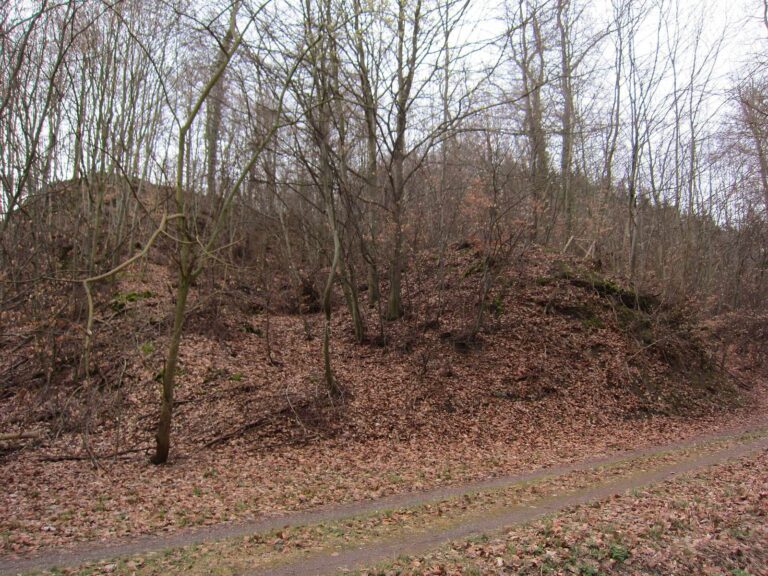
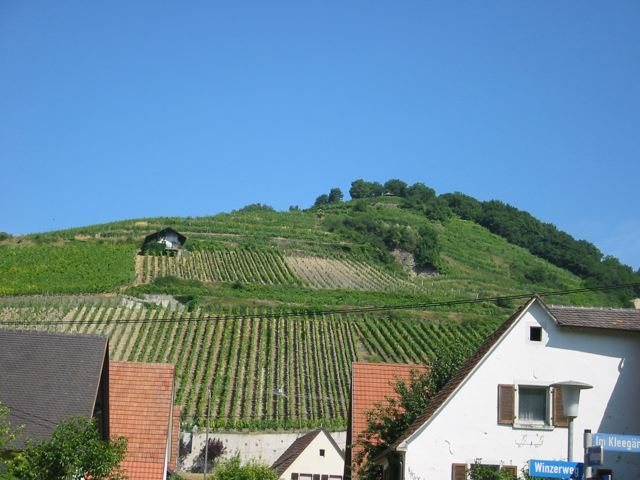
The castle occupied the summit of Schlossberg above Achkarren, on the Rhine plain opposite Breisach. The hill rises about 353 metres above sea level, roughly 150 metres above the village. A contemporary description placed the strong masonry on hard rock at a steep summit that was difficult to approach. It noted a deep ditch on one side, a sheer precipice on the other, and a cistern, a reservoir for collecting and storing water. The precipice below the castle was used as a quarry.
Entrance and surviving masonry
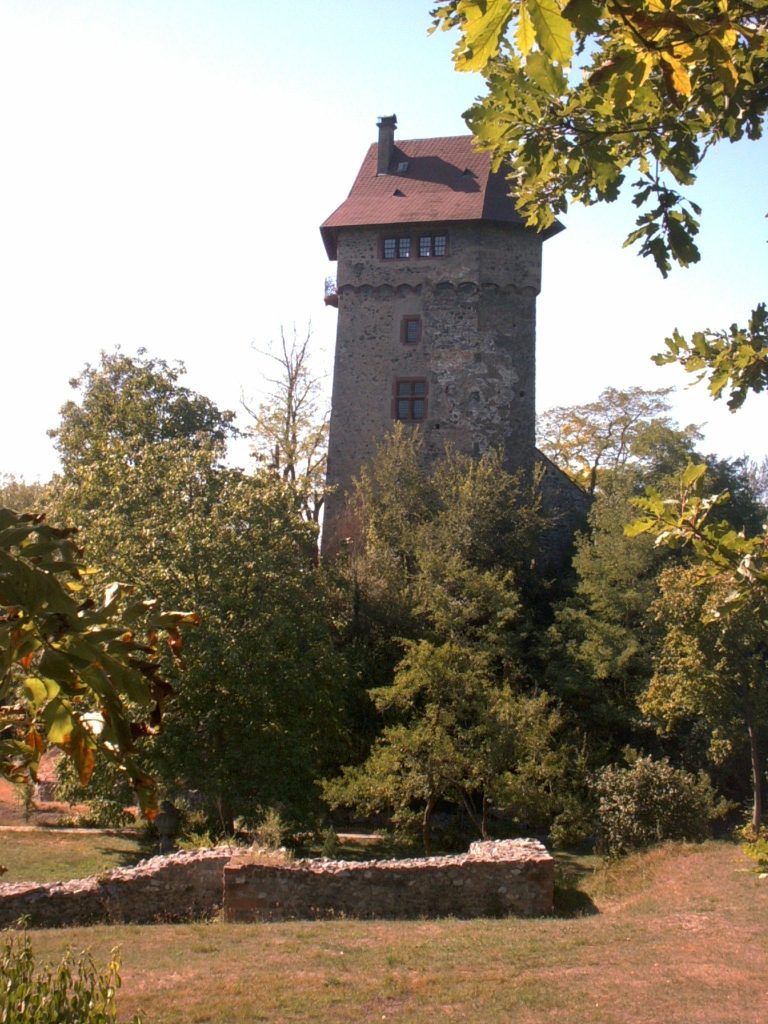
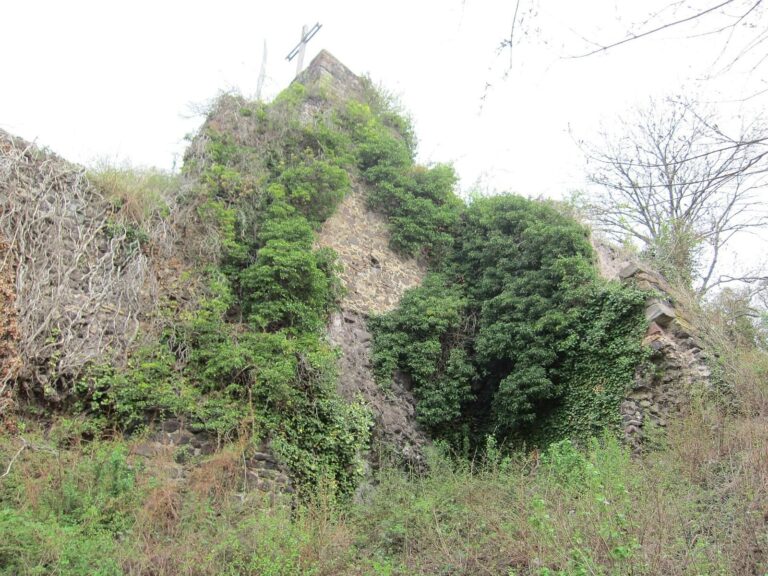
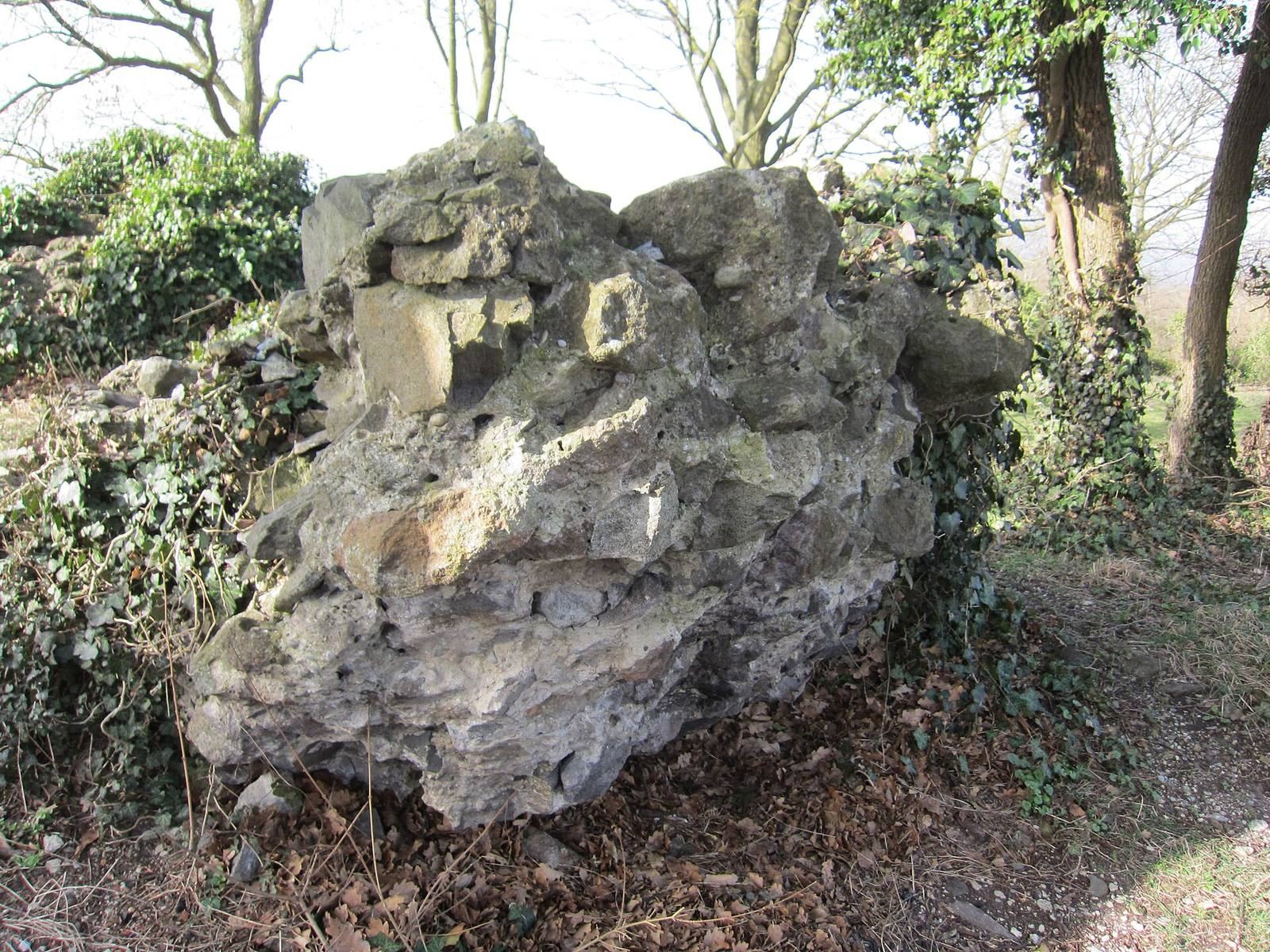
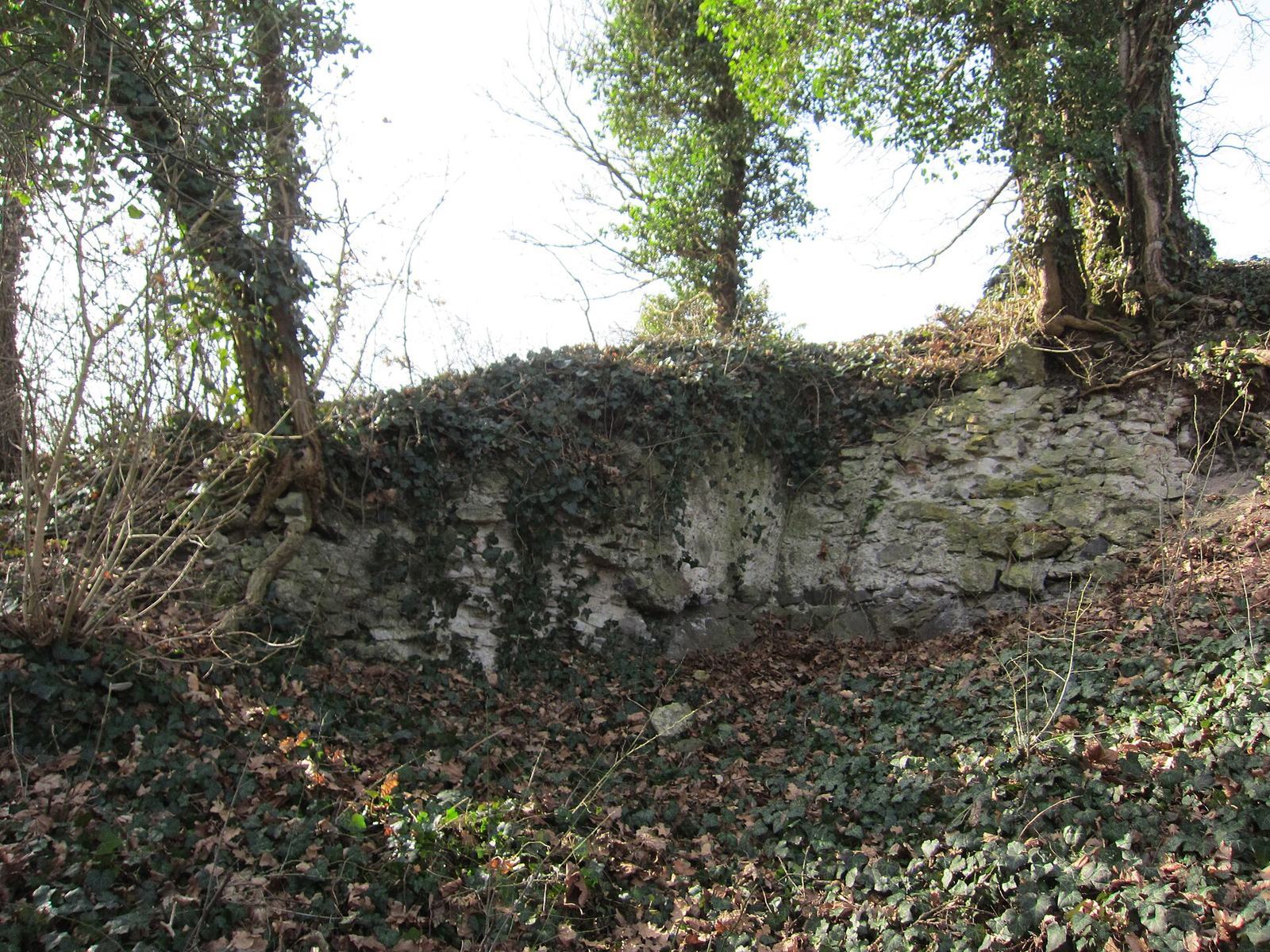
A 1644 engraving by Matthäus Merian, a seventeenth-century engraver and publisher, gives a tentative impression of the castle’s former appearance, though its accuracy is uncertain. The approach to the gate is understood to be shown in the engraving, and the entrance’s location remains identifiable. Only scant masonry survives on Schlossberg.