Dar Hammouda Pacha: A Muradid Palace in Tunis, Tunisia
Site at a Glance
- Popularity
- Low
- Country
- Tunisia
- Primary era
- Early Modern
- Eras represented
- Early Modern
- Civilizations
- Ottoman
- Site type
- Domestic
- Remains
- Palace
On this page6 sections
History
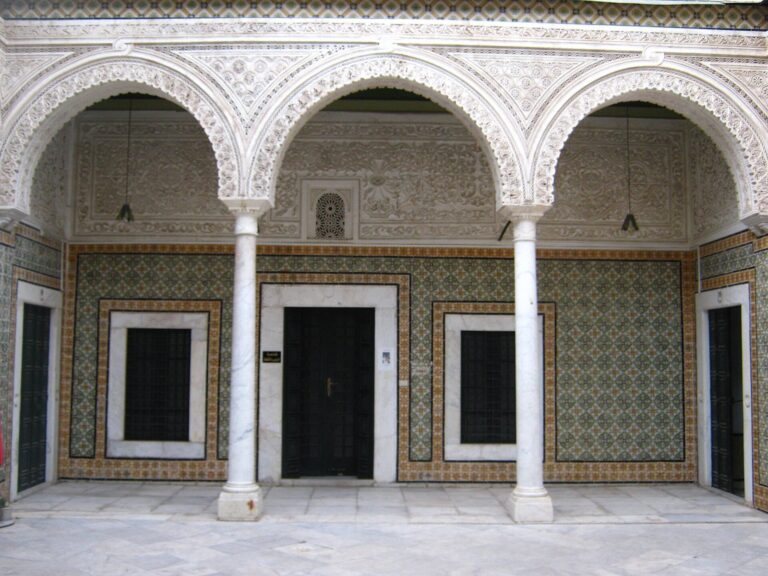
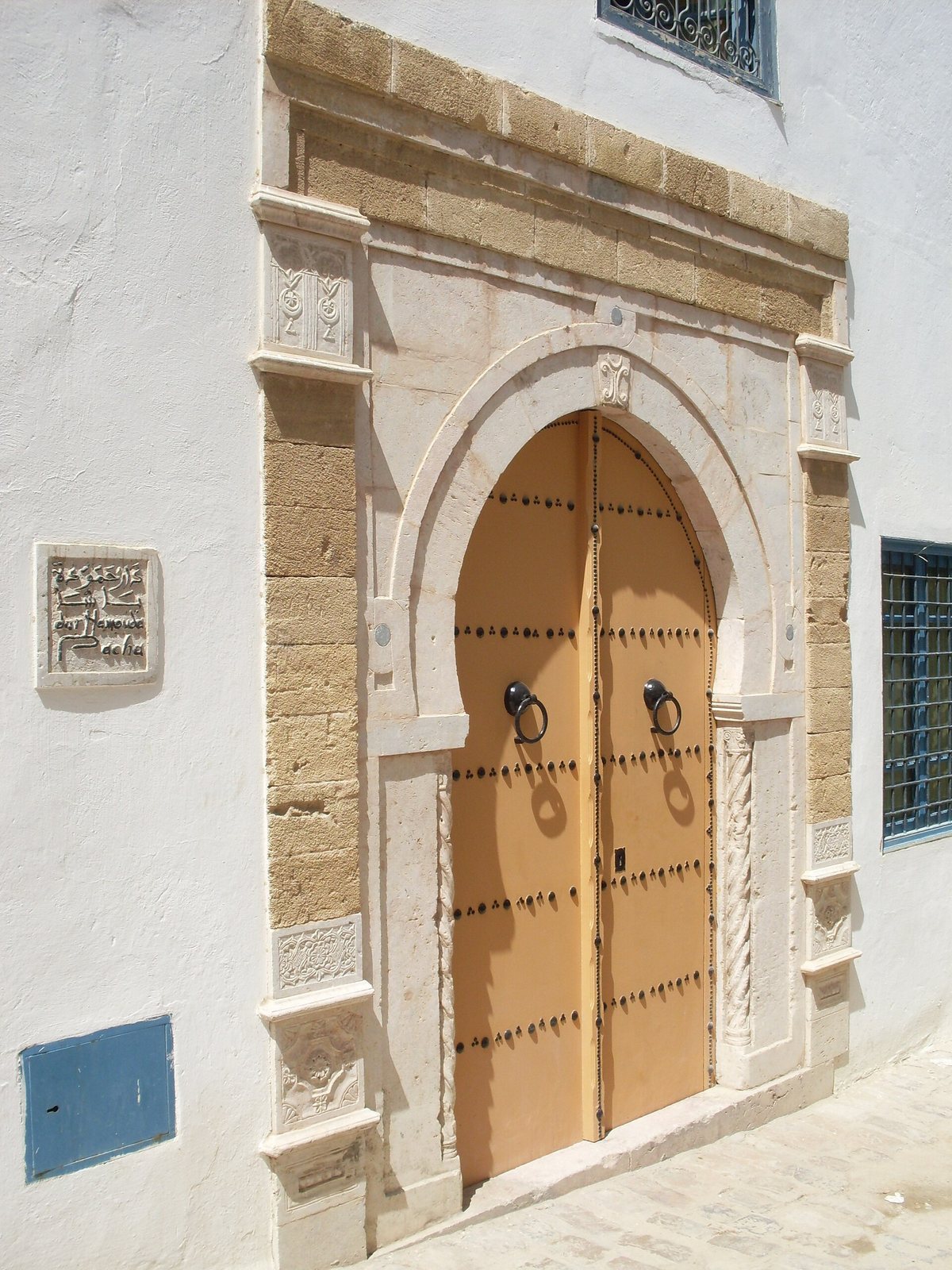
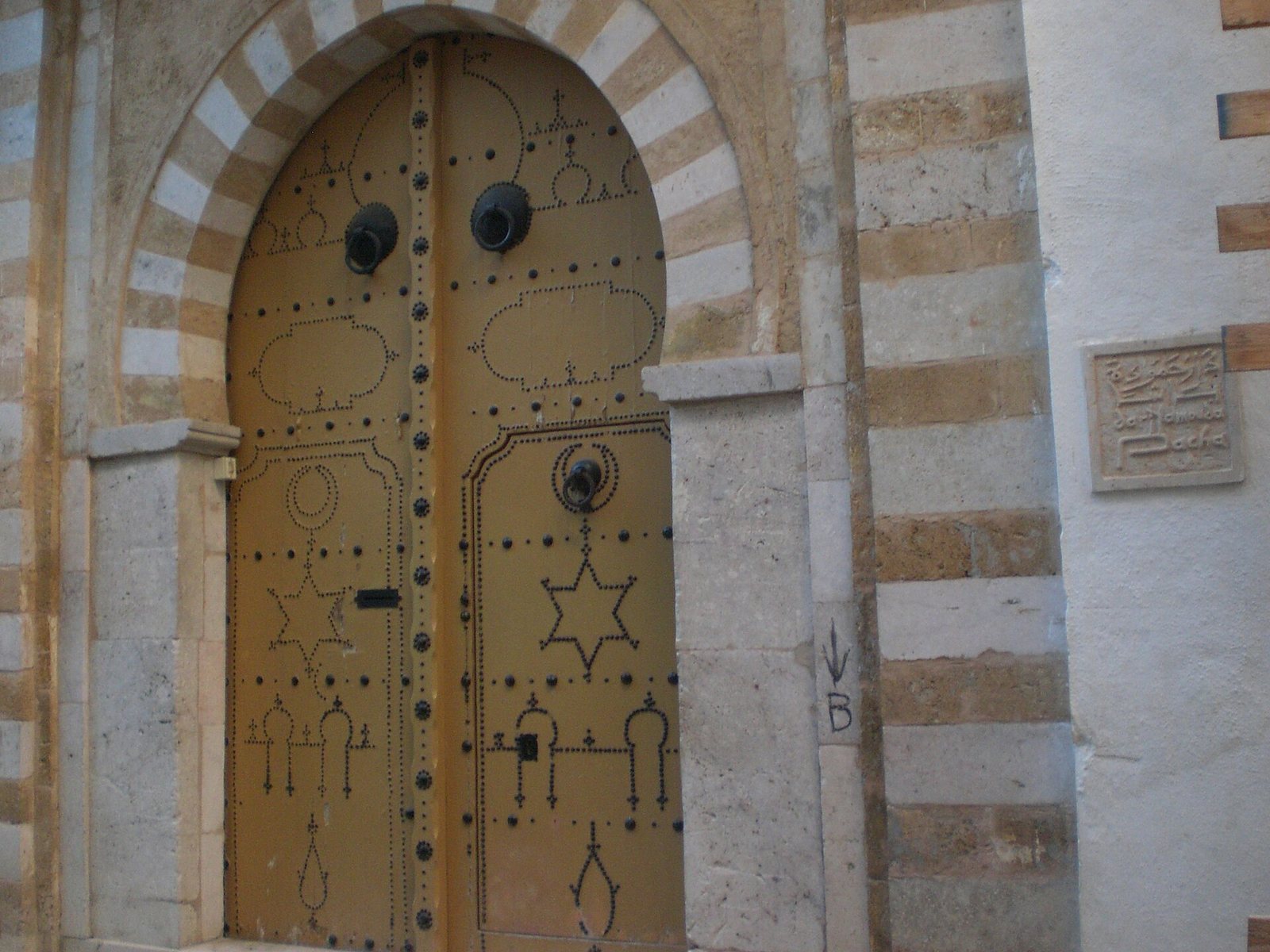
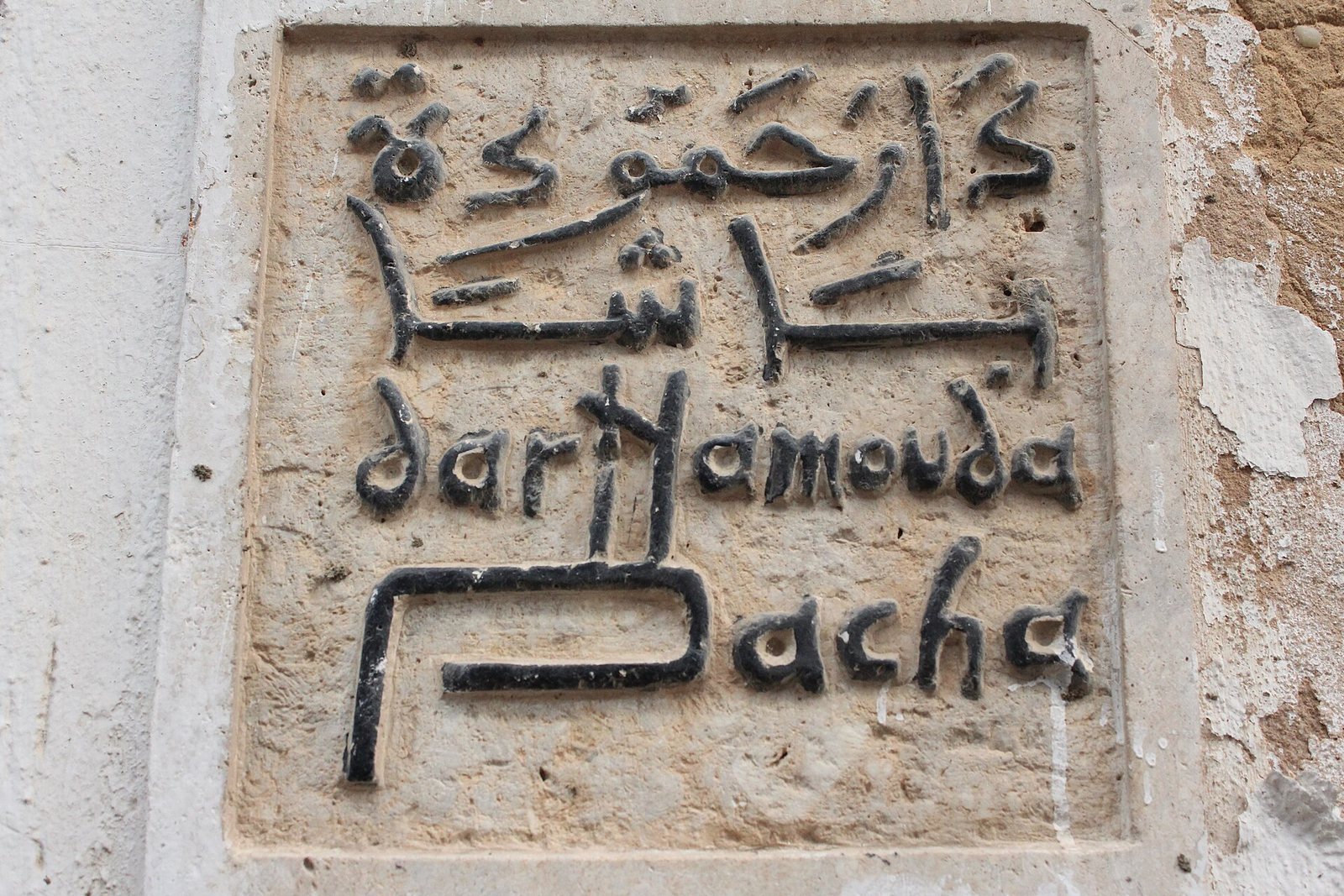
Dar Hammouda Pacha is a palace on Sidi Ben Arous Street in Tunis, Tunisia, built around 1630 by Hammouda Pacha while he was a prince of the Muradid dynasty, one of Tunisia’s successive ruling houses. Its architecture is described as Ottoman, Tunisian, and Moorish. It was the home of Hammouda Pacha and his first wife, Princess Aziza Othmana, before he became bey, the title of Tunisia’s ruler, in 1631 and moved to Dar El Bey.
Muradid and Husainid residences
Before his death, Hammouda Pacha assigned Dar El Bey, then known as Dar El Kbira, to his eldest son and successor, Murad II. His second son, Mohamed El Hafsi, inherited the title of pasha, a title for a senior official, and was to live in this palace, then called Dar El Sghira. Dar El Bey and Dar Hammouda Pacha were the medina’s only princely residences. The palace remained crown property under the Muradids and the succeeding Husainid dynasty. Its proximity to Dar El Bey, Dribat Daoulatli, and the kasbah, a fortified citadel or administrative center, made it an annex to Dar El Bey and a residence for the Husainid family.
Private ownership and modern history
Around 1864, after the Mejba Revolt, an uprising against the mejba tax, the reigning bey, Muhammad III as-Sadiq, also known as Sadok, gave the palace to Salah Ben Mohamed for his loyalty and service during the civil war. Salah was a tribal leader who held the administrative title of kahia and served as captain of the mounted police and lieutenant governor of Kef. He dedicated the palace as a habous, an endowment legally set aside for designated beneficiaries, in this case his heirs. In 1872, Hammouda Chahed, a wealthy notable and leader of the chaouachis guild, whose members made traditional chechia caps, acquired the property through a legal process that preserved its endowment status. The dissolution of the habous system in 1957 allowed the Chahed heirs to end that status.
In 1995, the Medina’s tourism-development company acquired the palace and restored the name Dar Hammouda Pacha. The palace is part of the Medina of Tunis, a UNESCO World Heritage property.
Remains
Setting and architectural character
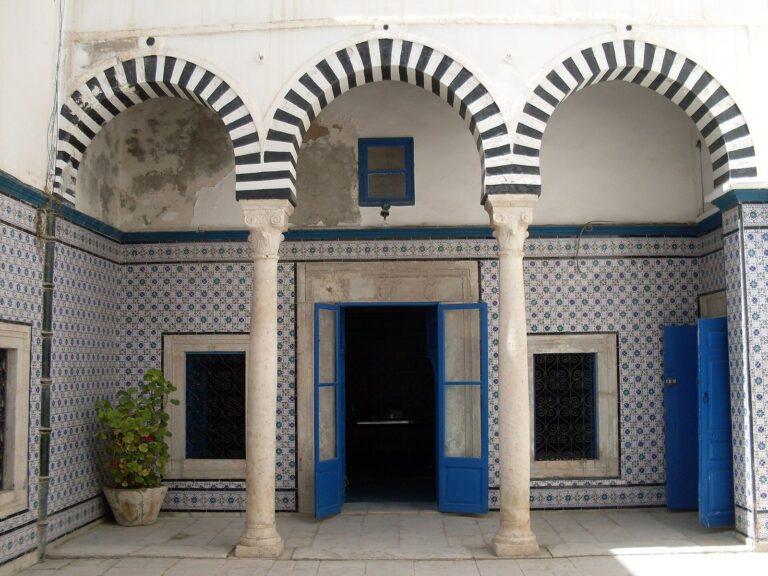
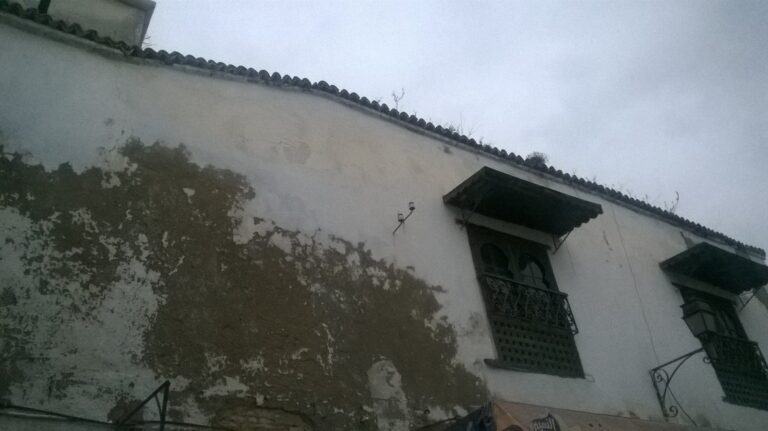
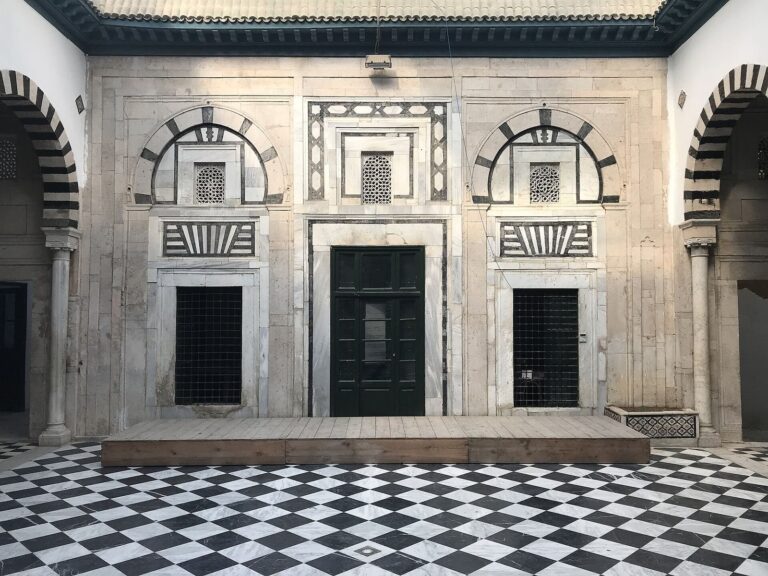
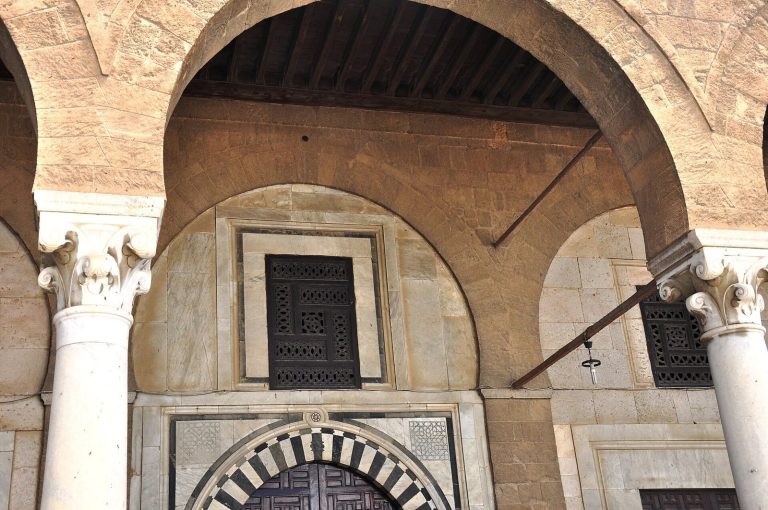
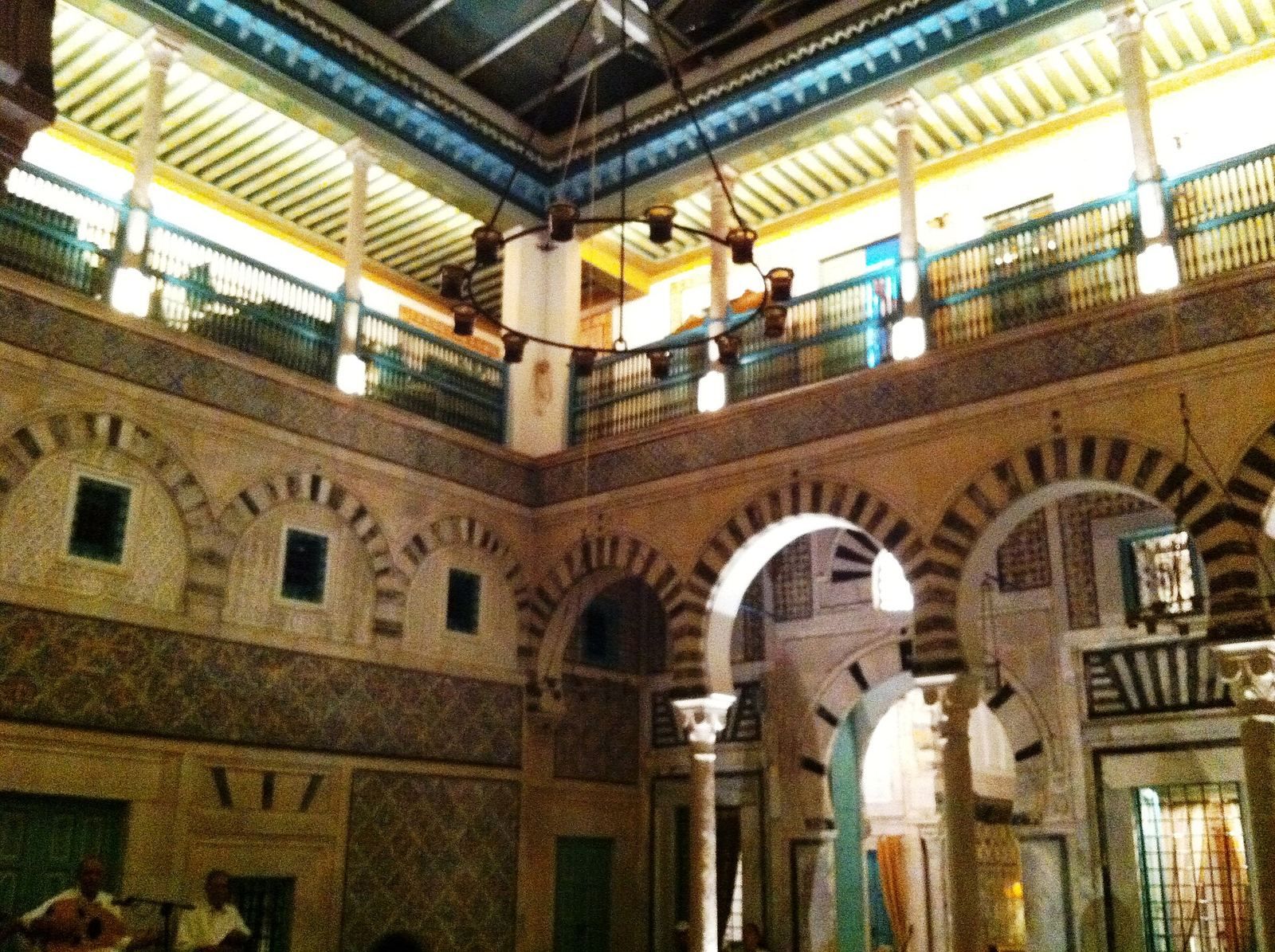
The palace stands near Tunis’s historic political center on Sidi Ben Arous Street, facing Dribat Daoulatli, the dey’s palace that served as the governor’s seat. It is described as one of the medina’s oldest and largest palaces. Its original architecture was described as unchanged, although the 1995 conversion compromised its architectural authenticity.
Seventeenth-century interior description
Around 1670, the French traveler Laurent d’Arvieux described the women’s quarters as following local practice and the master’s quarters as having an Italian character. He also noted decorated courtyards, halls, salons, antechambers, rooms, private chambers, wardrobes, galleries, and flower gardens. D’Arvieux placed the house of Mehmed Bey, whom he identified as Murad’s brother, on the same street and almost opposite Murad’s residence.