Högsby Church: A Medieval Parish Church in Sweden
Site at a Glance
- Country
- Sweden
- Primary era
- Modern
- Eras represented
- Medieval, Early Modern, Modern
- Civilizations
- Swedish
- Site type
- Religious
- Remains
- Church
On this page9 sections
History
Medieval origins and the Kalmar War
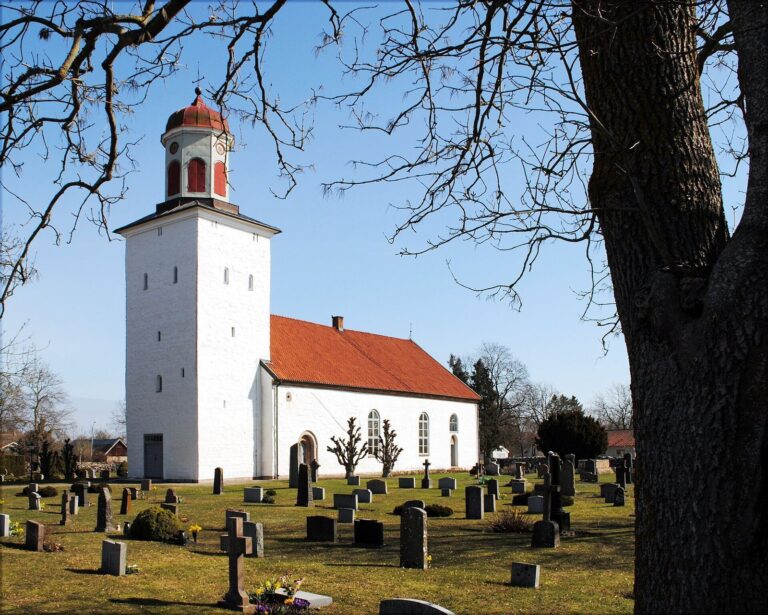
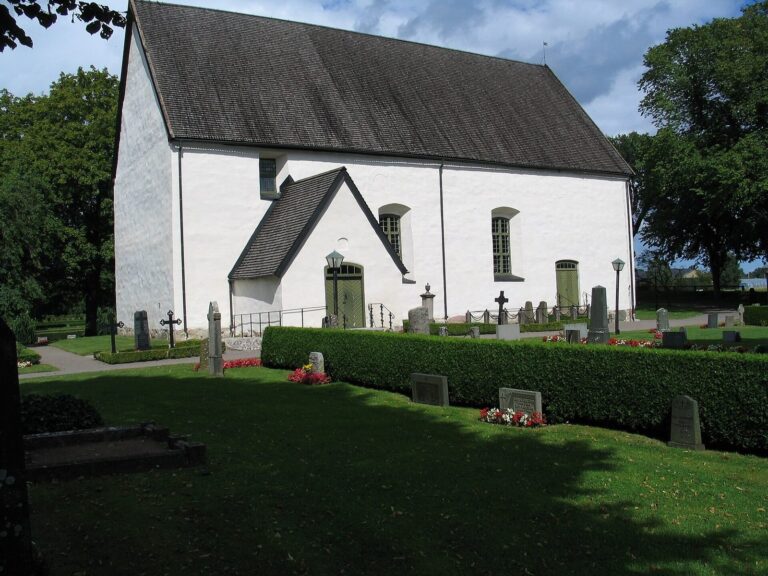
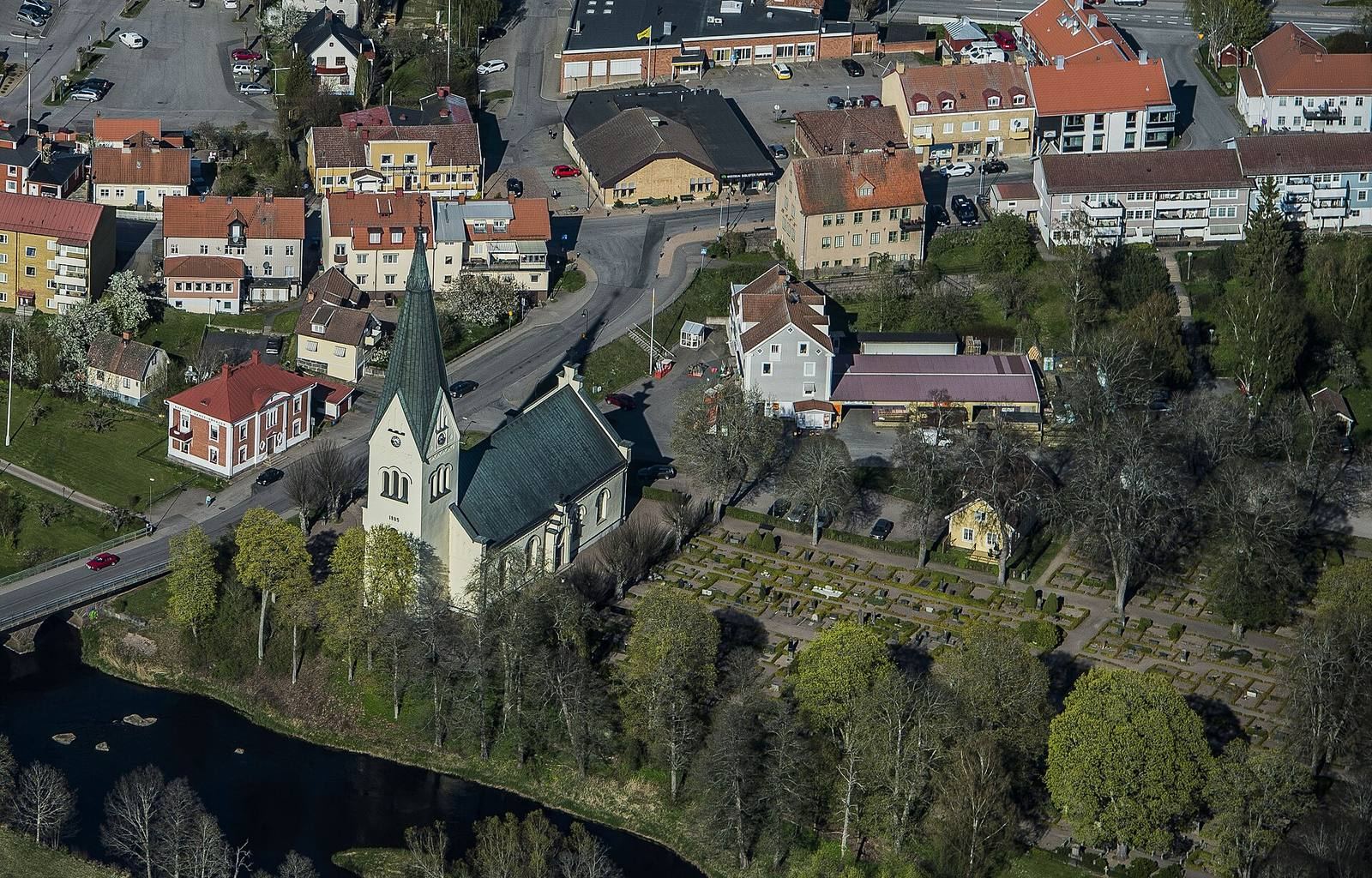
Högsby Church is a medieval parish church in Högsby, Sweden. It originated in the late 13th century and was consecrated around 1300. The church belongs to Högsby Parish in the Diocese of Växjö, a regional church jurisdiction, within the Church of Sweden, the country’s Evangelical Lutheran church.
During the Kalmar War, a conflict between Denmark-Norway and Sweden from 1611 to 1613, the church was ravaged. It was later restored, and its interior reflected Sweden’s Great Power era, when the country was a major European power, chiefly in the 17th and early 18th centuries.
Seventeenth- and eighteenth-century changes
An organ donated by Bengt Bagge had come from Elbing. Magnus Åhrman repaired the nine-stop instrument in 1668 for 500 daler, a historical Swedish currency unit. A stop selects a set of pipes for a particular sound. Later alterations replaced a covered Regal, a reed stop, with a Quint stop that sounds a fifth, and added a pedal with a 16-foot Bassoon stop, whose pitch is lower than that of an 8-foot stop.
In 1734, workers removed the pillars and medieval vaults. The present tower was built at the west gable in 1774. At a visitation in 1785, Bishop C. G. Schröder described the church as being in good condition and noted that the removed pillars had once darkened its interior.
Nineteenth-century rebuilding and later organs
The older organ may have been sold to Halltorp Church in 1838. That year, Pehr Zacharias Strand of Stockholm built a 14-stop organ for Högsby. During the 19th century, plans for an entirely new church gave way to a rebuilding based on an architect’s design. The work took place in 1885.
Åkerman & Lund of Sundbyberg built the present organ in 1931. Ålems Orgelverkstad built and inaugurated a choir organ in 1987.
Remains
Building and earlier form
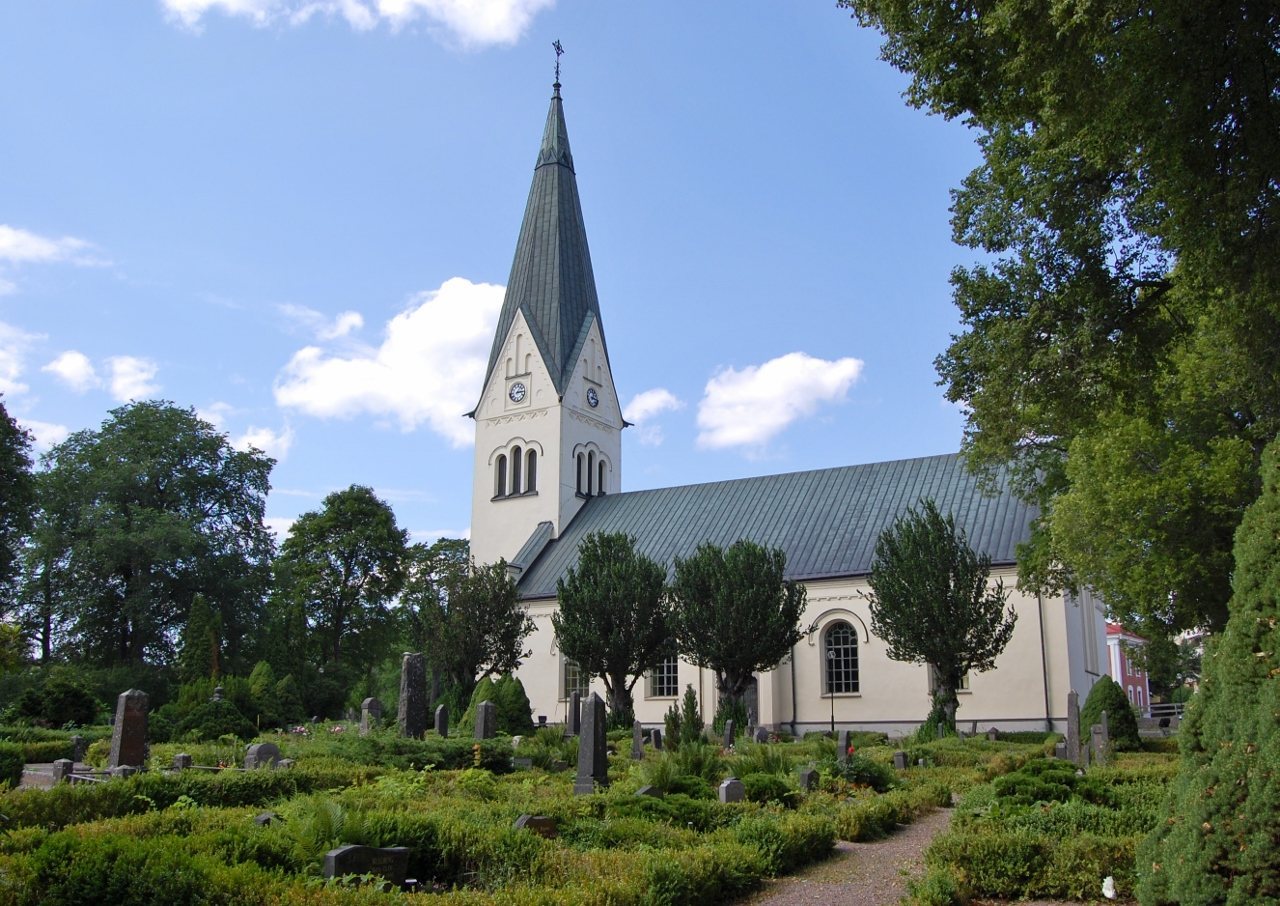
The church’s present appearance reflects the 1885 rebuilding. The nave walls were raised, its windows enlarged, and the chancel gable reconstructed. The west-gable tower has a Romanesque spire. A 1634 drawing by Swedish antiquarian and draughtsman Johannes Haquini Rhezelius depicts the earlier church with three aisles, Gothic vaults, and a richly ornamented east façade.
Interior furnishings
Altarpiece and runestone
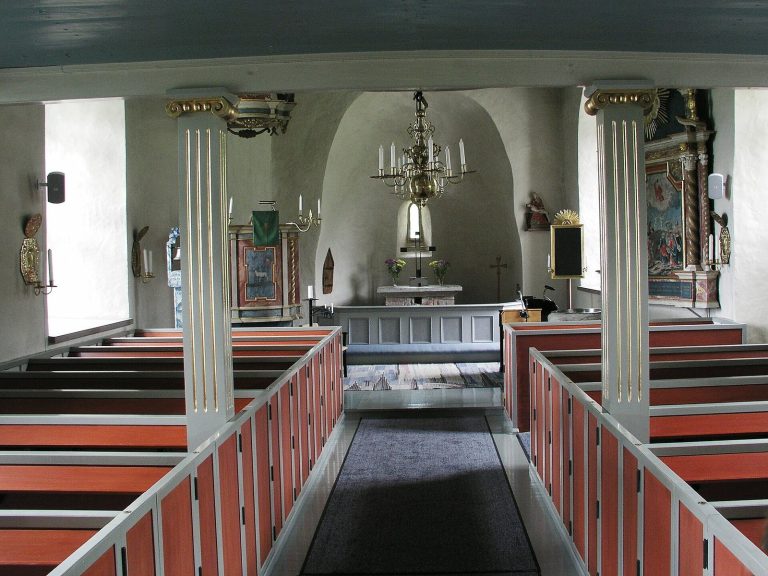
An oak altarpiece above the altar is a North German work from the latter half of the 15th century. Bishop Schröder noted an altarpiece in the chancel during his 1785 visitation; it is uncertain whether he was referring to this same object. A runestone, a stone bearing a runic inscription, dated to the 1050s stands in the church vestibule.
Organs
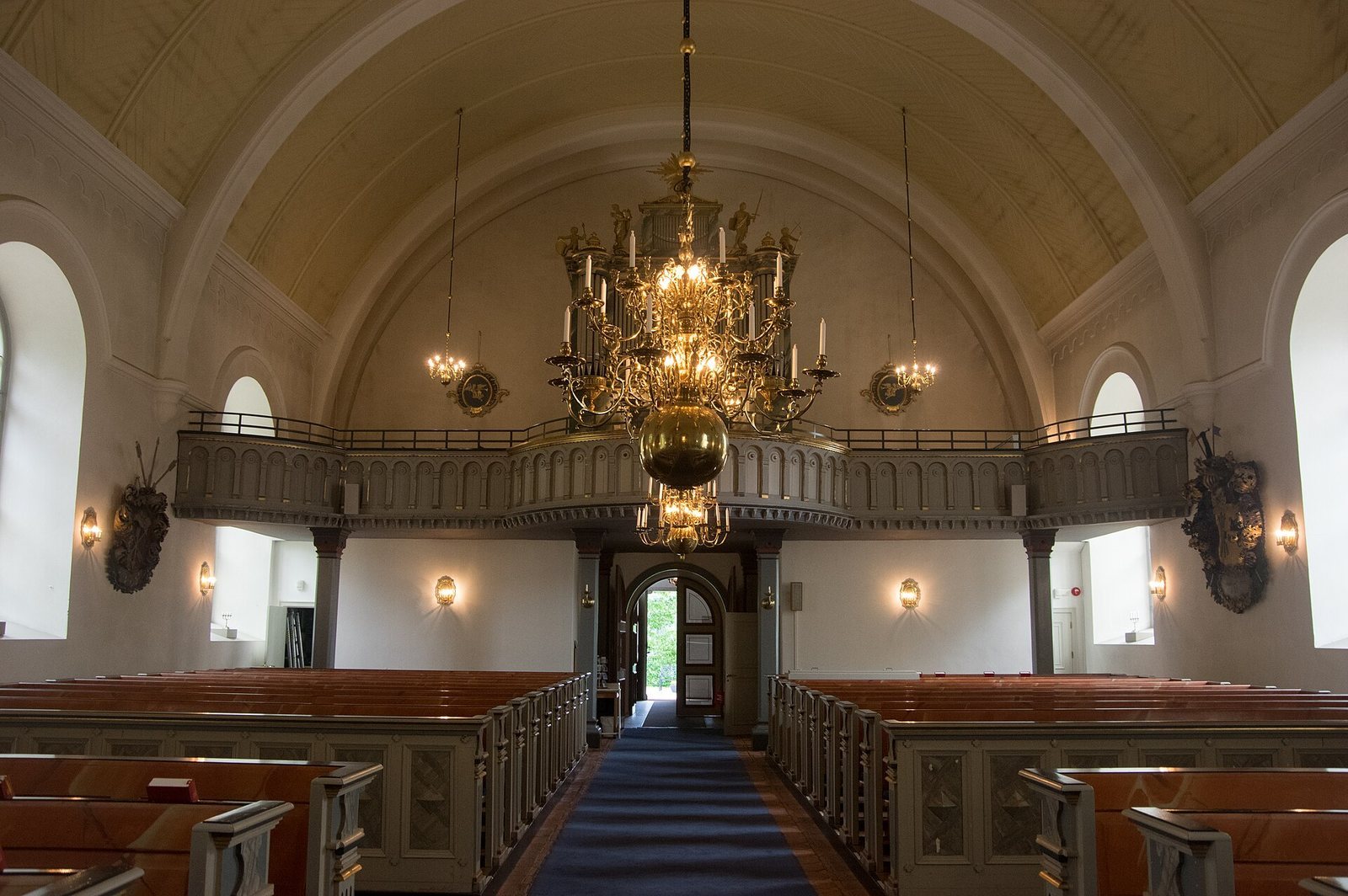
The present organ stands in the gallery. Its pneumatic action uses air pressure to control the pipes. It has adjustable free combinations and preset fixed combinations of stops. The choir organ uses mechanical action.