Hof ter Welle: A Former Monastery and Moated Castle in Belgium
Site at a Glance
- Popularity
- Low
- Country
- Belgium
- Primary era
- Medieval
- Eras represented
- Medieval, Early Modern
- Civilizations
- County of Flanders, Habsburg, Holy Roman Empire
- Site type
- Domestic
- Remains
- Castle
On this page6 sections
History
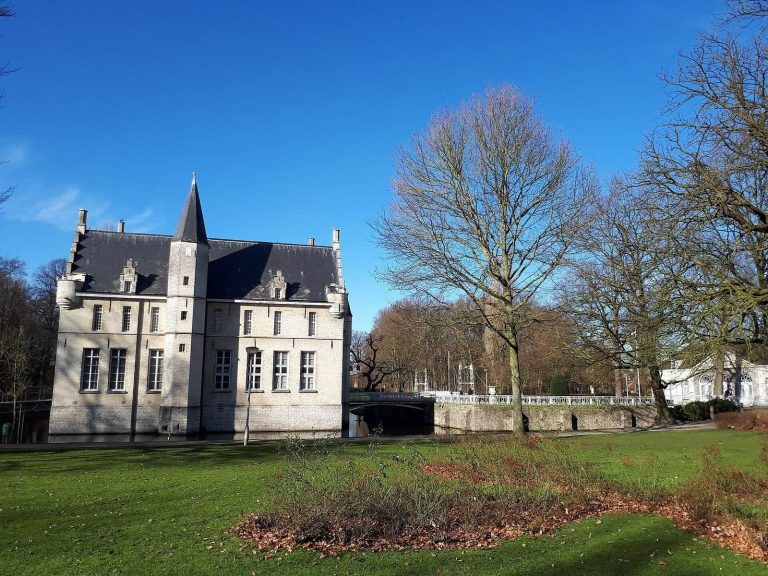
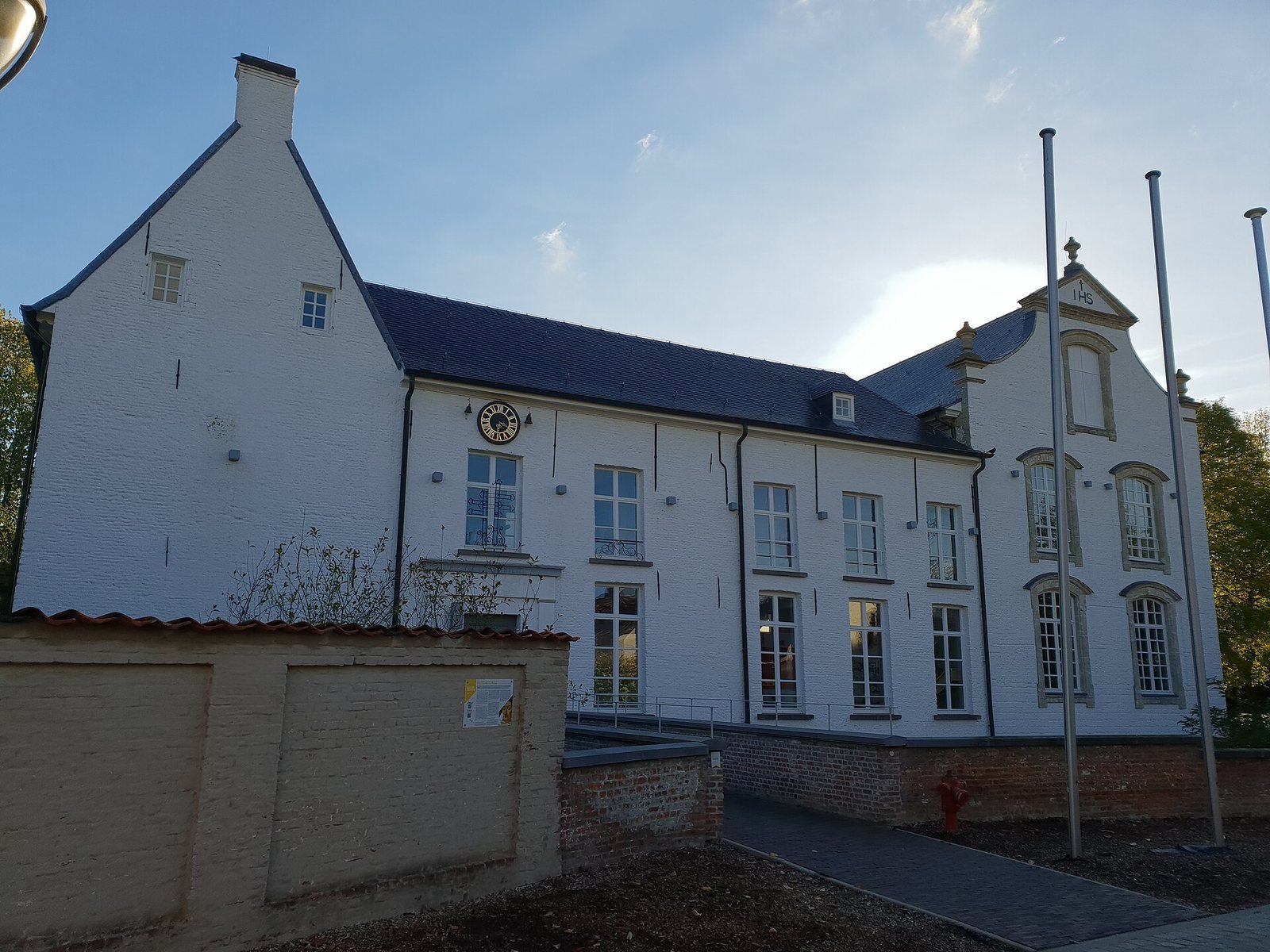
Hof ter Welle is a former monastery and castle in Beveren, East Flanders, Belgium. Its history reaches back to the thirteenth century, and its architecture includes a Renaissance phase. From 1414, the estate was the seat of the Vilain XIIII family; it was also associated with the van Pottelberghe, Delplano, and Foulon d’Anteville families.
The Geestelijk Hof and the orphanage
In 1723, Anna Piers, a wealthy laywoman who followed a devout religious life without being a nun, bought the estate and renamed it the Geestelijk Hof. The castle became an orphanage, where the sisters sheltered young orphaned girls for more than 150 years. The resident diocesan sisters, members of a women’s religious community under a diocese’s authority, carried out the estate’s final alterations during the nineteenth century.
Municipal ownership and heritage use
The monastery and its surroundings received protection as a monument in 1974. The municipality of Beveren bought the buildings in 1980. The last sisters left in 1988, and the Hof ter Welle service center continued their social work. A major restoration from 2015 to 2017 adapted the castle for use as Beveren’s municipal heritage house, a role it has held since 2017.
Remains
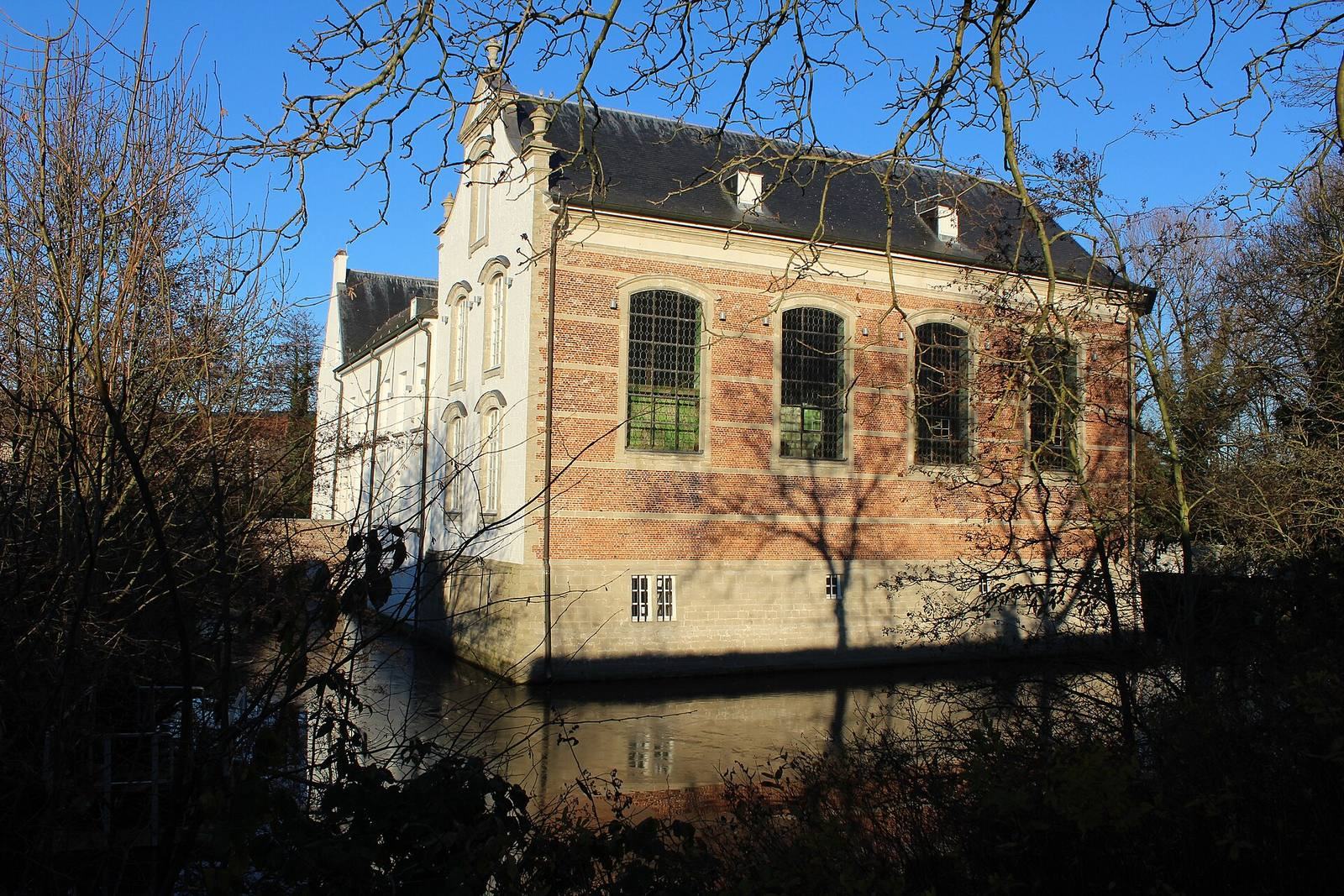
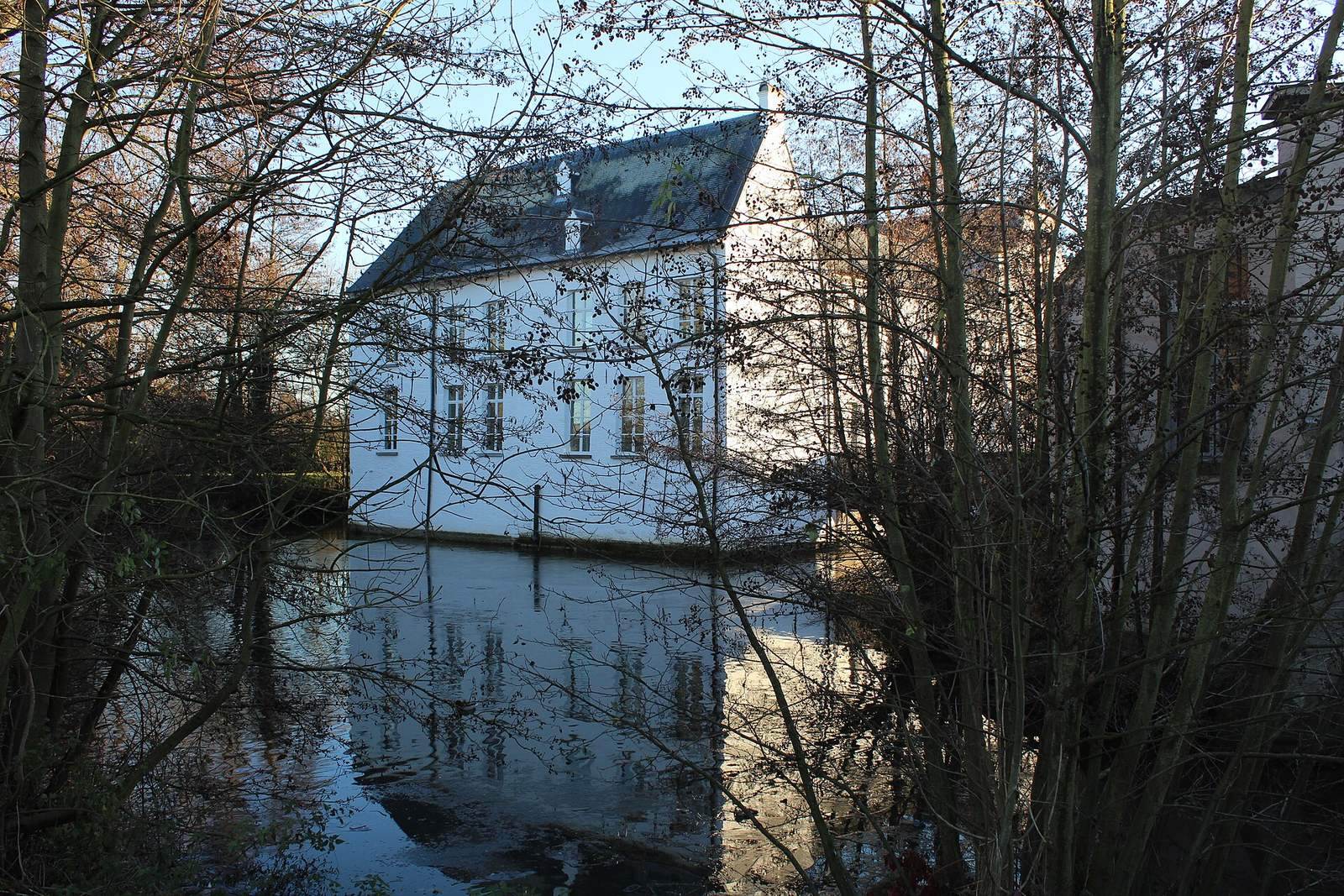
Moated estate
The estate’s layout developed around a central courtyard, with a moat surrounding the earlier farmstead. In the late Middle Ages, that property developed into a castle, which was inhabited until the seventeenth century. The estate’s architectural forms include Baroque and traditional styles.
Chapel
A spacious chapel was built when the castle became an orphanage. It had an organ and choir stalls, seats where the sisters gathered for prayer.