Hlohovec Castle: A Medieval Stronghold Turned Aristocratic Manor
Site at a Glance
- Popularity
- Medium
- Country
- Slovakia
- Primary era
- Medieval
- Eras represented
- Medieval, Modern
- Civilizations
- Habsburg, Hungarian
- Site type
- Domestic
- Remains
- Manor House
On this page9 sections
History
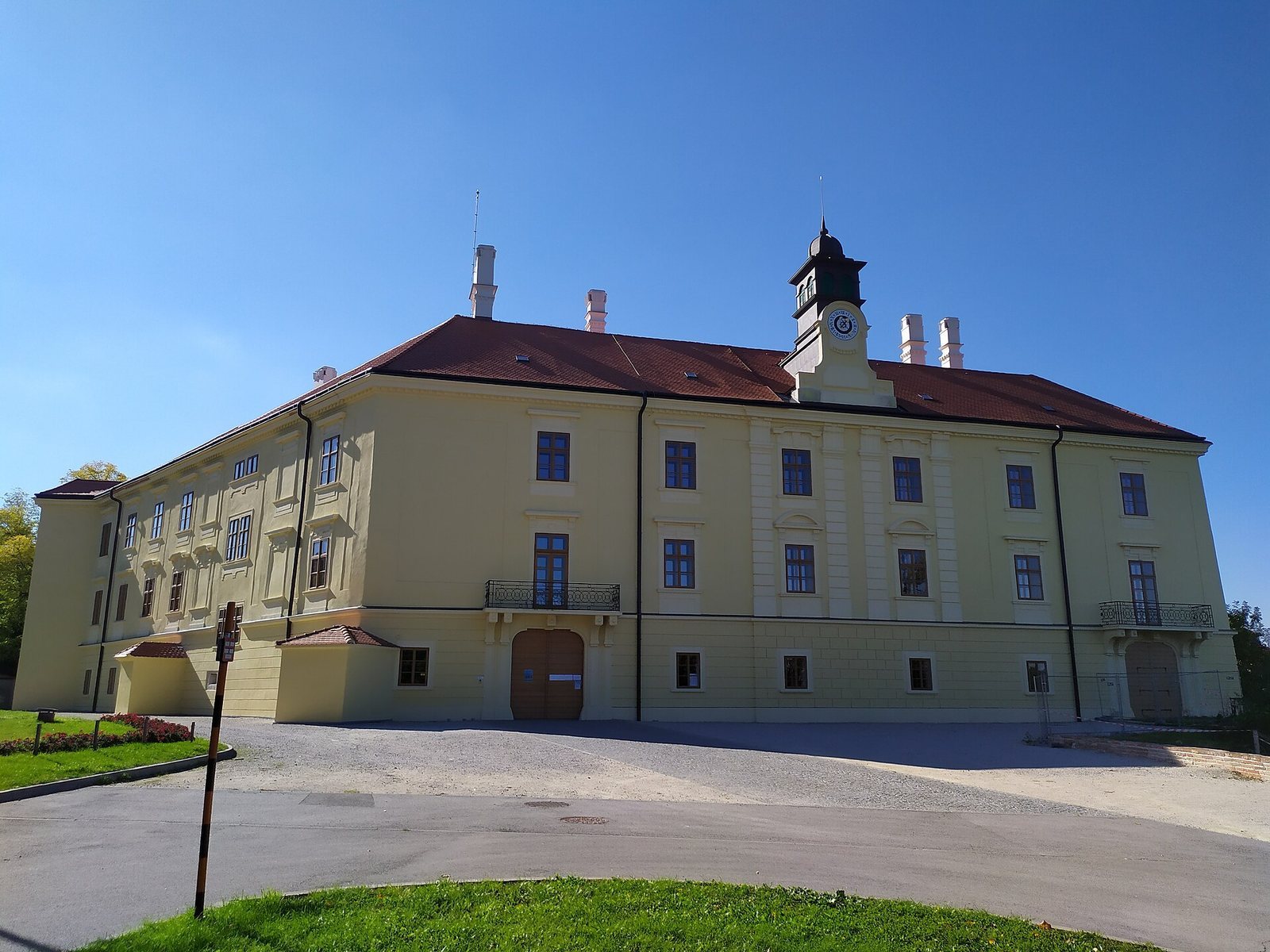
Hlohovec Castle is a medieval castle later converted into an aristocratic manor, located south of Hlohovec in Slovakia. Built in the 11th century, it is first mentioned in the Zobor Charter of 1113, a medieval document associated with the Benedictine abbey at Zobor. In 1275, King Ladislaus IV granted the castle to the first feudal landholder from the Aba family.
Medieval castle and noble ownership
With brief interruptions, the castle and its surrounding lands remained in the hands of powerful noble families until 1945. The Ujlaki, Thurzo, Forgách, and Erdődy families held the property in succession. The Erdődys gradually reshaped the castle as a comfortable aristocratic residence.
The Erdődy residence
The Erdődy family received the Hlohovec estate as a gift in 1720. Juraj Leopold Erdődy began converting the castle into a manor house, and his son Ján Nepomuk continued the family line there. Ján Nepomuk’s sons included Jozef and Leopold. Under Jozef, the castle, town, and family experienced a celebrated period around the turn of the 18th and 19th centuries. From 1789 to 1824, he improved the manor and its grounds, where a plane-tree grove described as the largest in Central Europe was established.
Jozef served as chief official of Nitra County and as chancellor at the court of Emperor Francis II in Vienna. He received the Order of the Golden Fleece, a historic chivalric order closely associated with the Habsburgs, and attended the Congress of Vienna in 1814, a conference convened to settle European affairs after the Napoleonic Wars. In 1802, he commissioned a theatre in honor of Emperor Francis I’s visit to Hlohovec. Francis I was the same Habsburg ruler known as Francis II when he was Holy Roman Emperor.
Jozef died without a son on 12 January 1824, the last descendant of the Hungarian branch of the Erdődy family. After his second wife, Alžbeta Erdődy, died in 1855, the branch’s property passed to their relative Kajetán Erdődy. Kajetán’s son František Xaver inherited the estate after his father’s death. Imrich Erdődy’s household, including his wife Irma and their children, was the last count’s family to live at the castle.
From residence to public use
Soviet troops entered Hlohovec in 1945, ending the Erdődys’ residence at the castle. A hospital for Soviet soldiers was established in the building that year. After the soldiers left, a Czechoslovak army garrison occupied it for a time. From 1951, the castle housed living quarters and classrooms for a youth educational institution.
In recent years, the city of Hlohovec has owned the uninhabited castle, which has been deteriorating. The city pursued efforts to save the building, and some restoration has taken place.
Remains
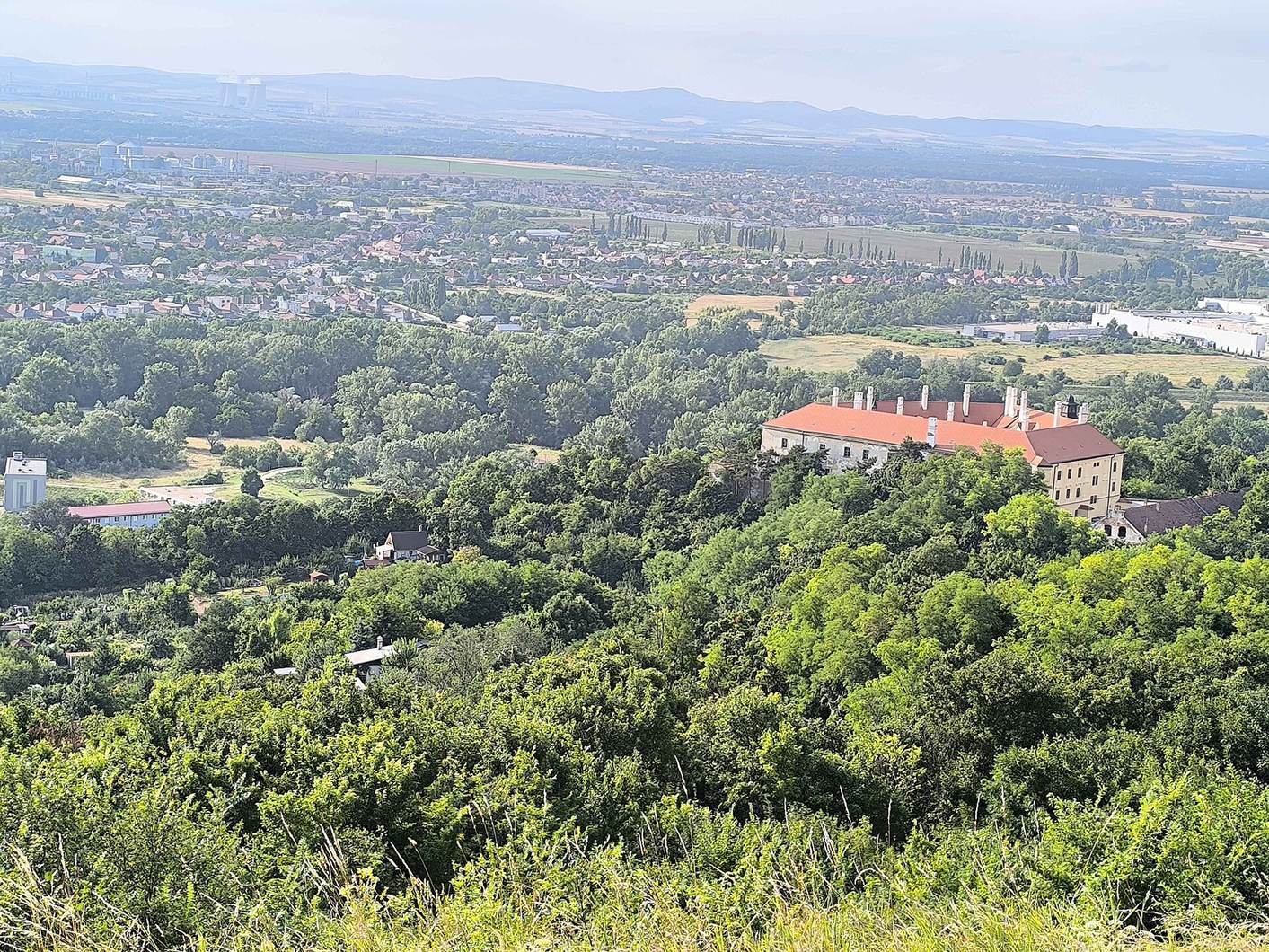
The present manor stands on the site of the medieval castle, south of Hlohovec at the edge of an extensive, tree-filled park. The grounds include French terraces, a plane-tree grove, and an Empire-style theatre, an early-19th-century form of neoclassicism.
Manor grounds and buildings
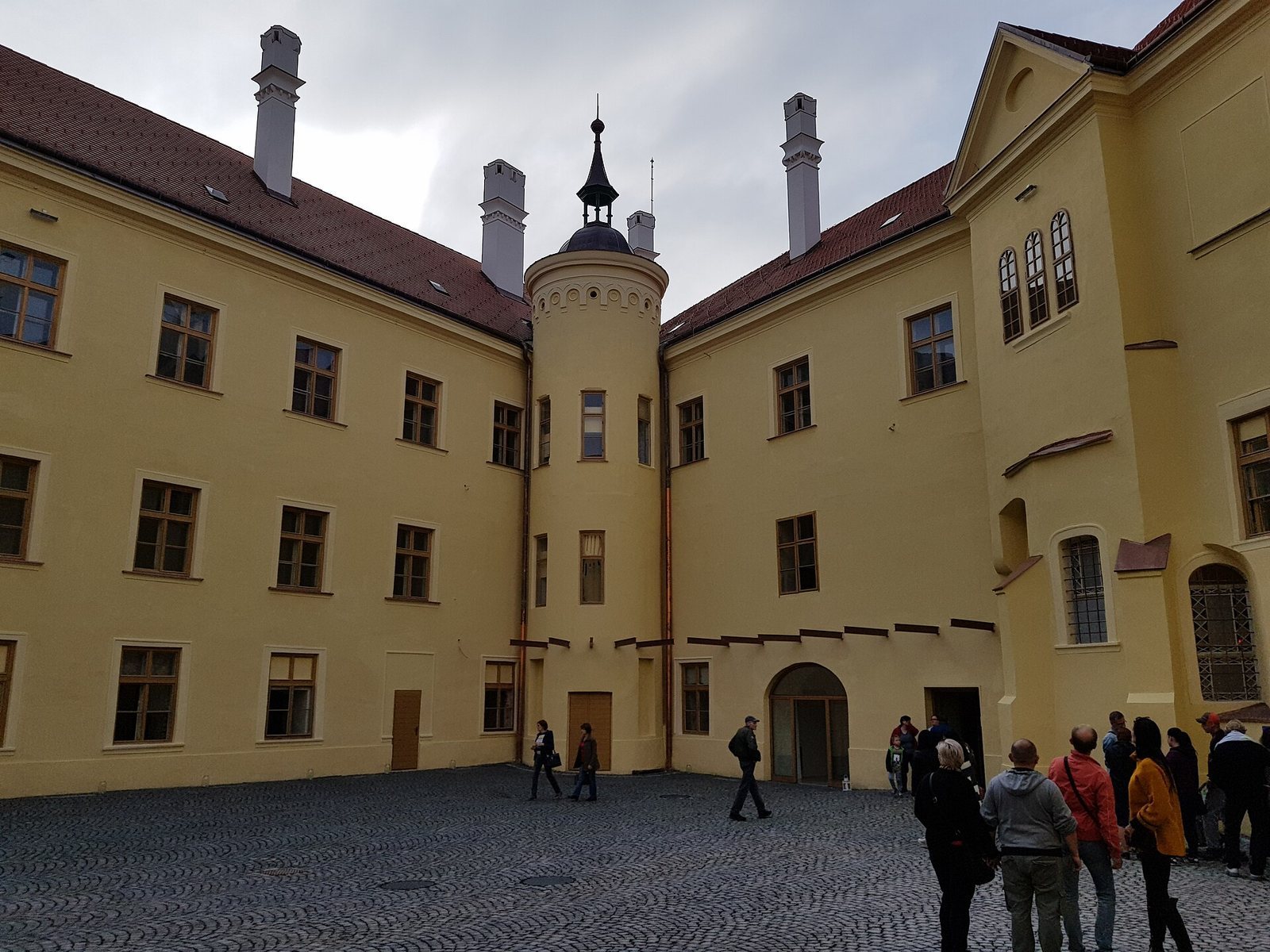
Manor and courtyard
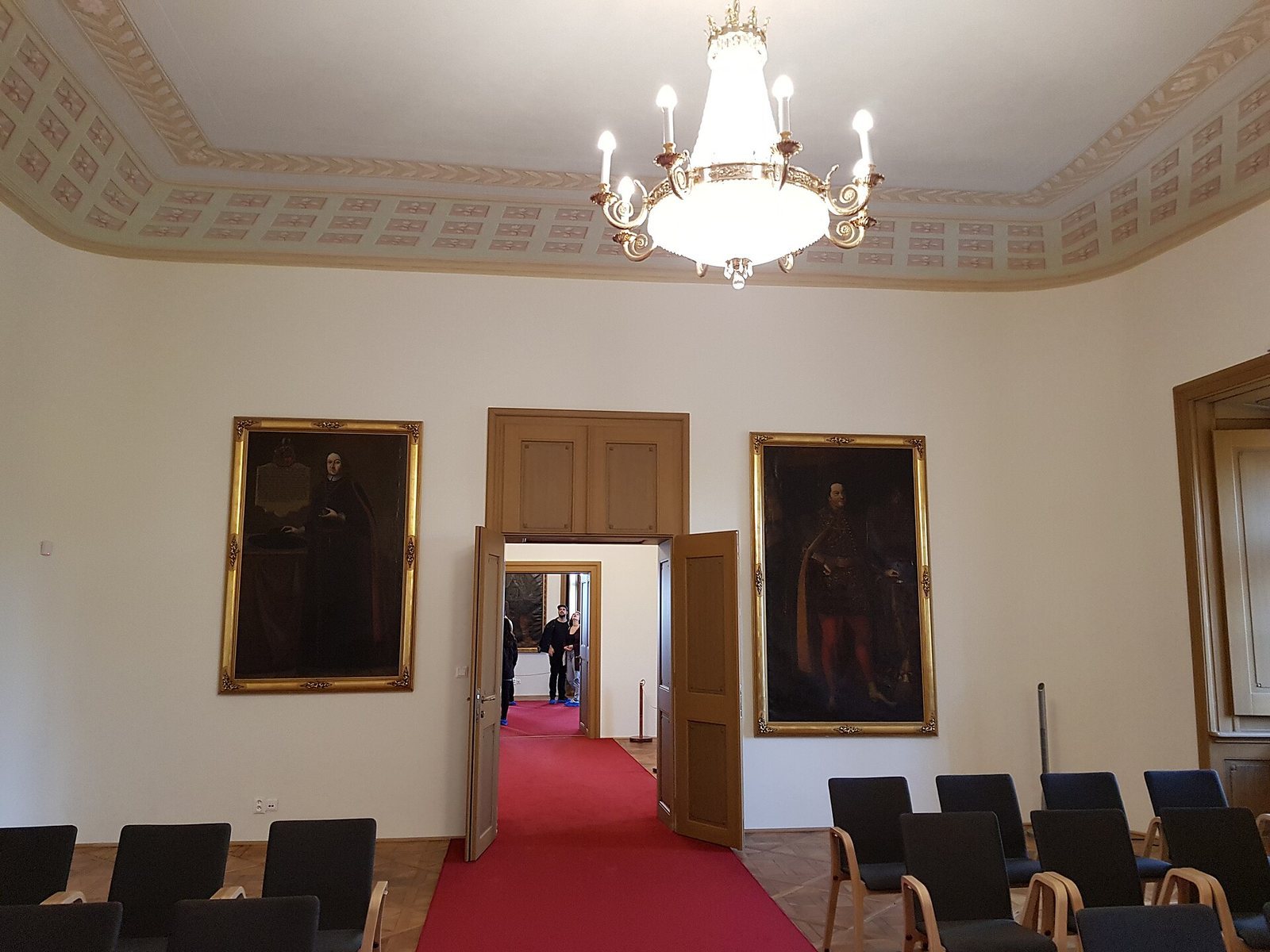
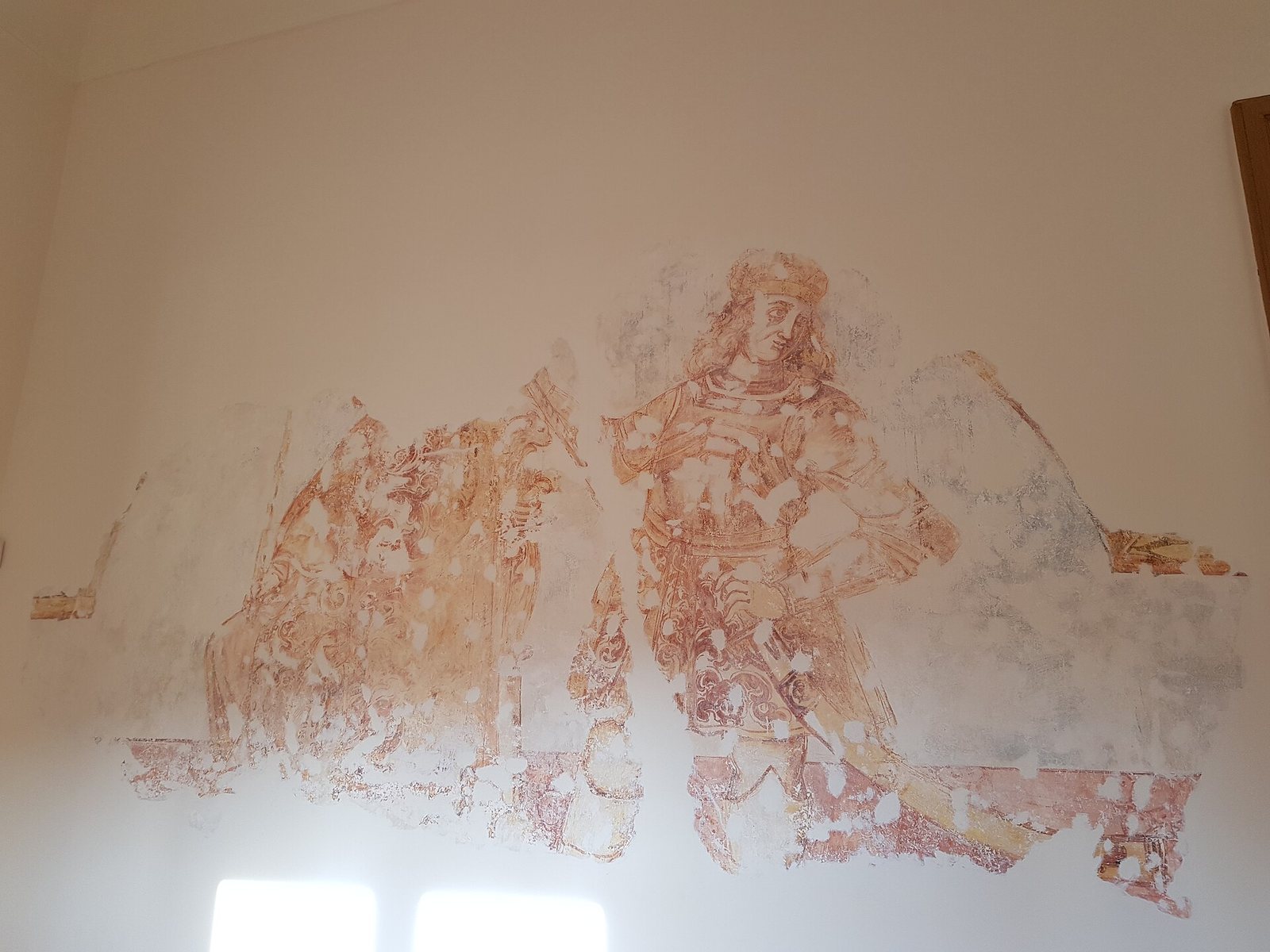
The manor occupies the earlier castle site, and its courtyard has been renovated. Interior features include a former library room, a room furnished with period furniture, a stove, a fresco, and a wooden carving of a coat of arms.
Park and plane-tree grove
The grounds extend into a large park with trees and French terraces. A plane-tree grove forms part of the park and was established during Jozef Erdődy’s improvements to the estate.
Theatre
The theatre beside the manor was built in 1802 at Jozef Erdődy’s commission, in honor of the emperor’s visit. It is described as the oldest theatre in Slovakia and continues to function.