Cholera Chapel, Trnava: A Memorial to the 1831 Epidemic
Site at a Glance
- Popularity
- Very Low
- Country
- Slovakia
- Primary era
- Modern
- Eras represented
- Modern
- Civilizations
- Austrian Empire, Habsburg, Hungarian
- Site type
- Religious
- Remains
- Chapel
On this page4 sections
History
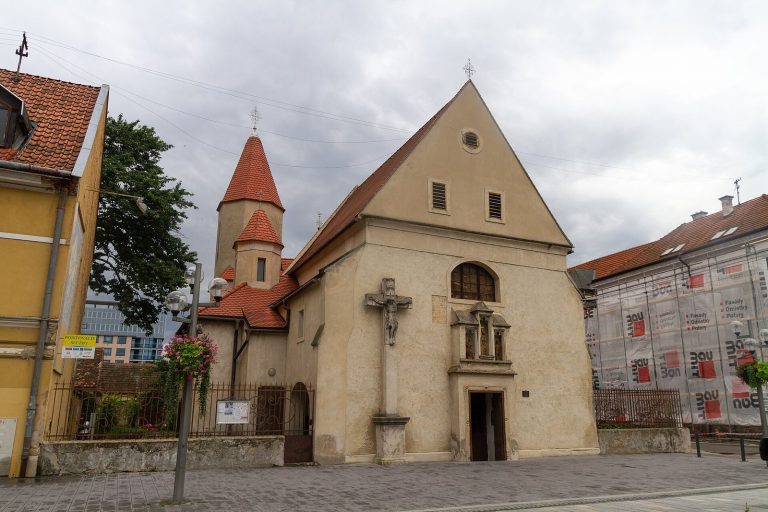
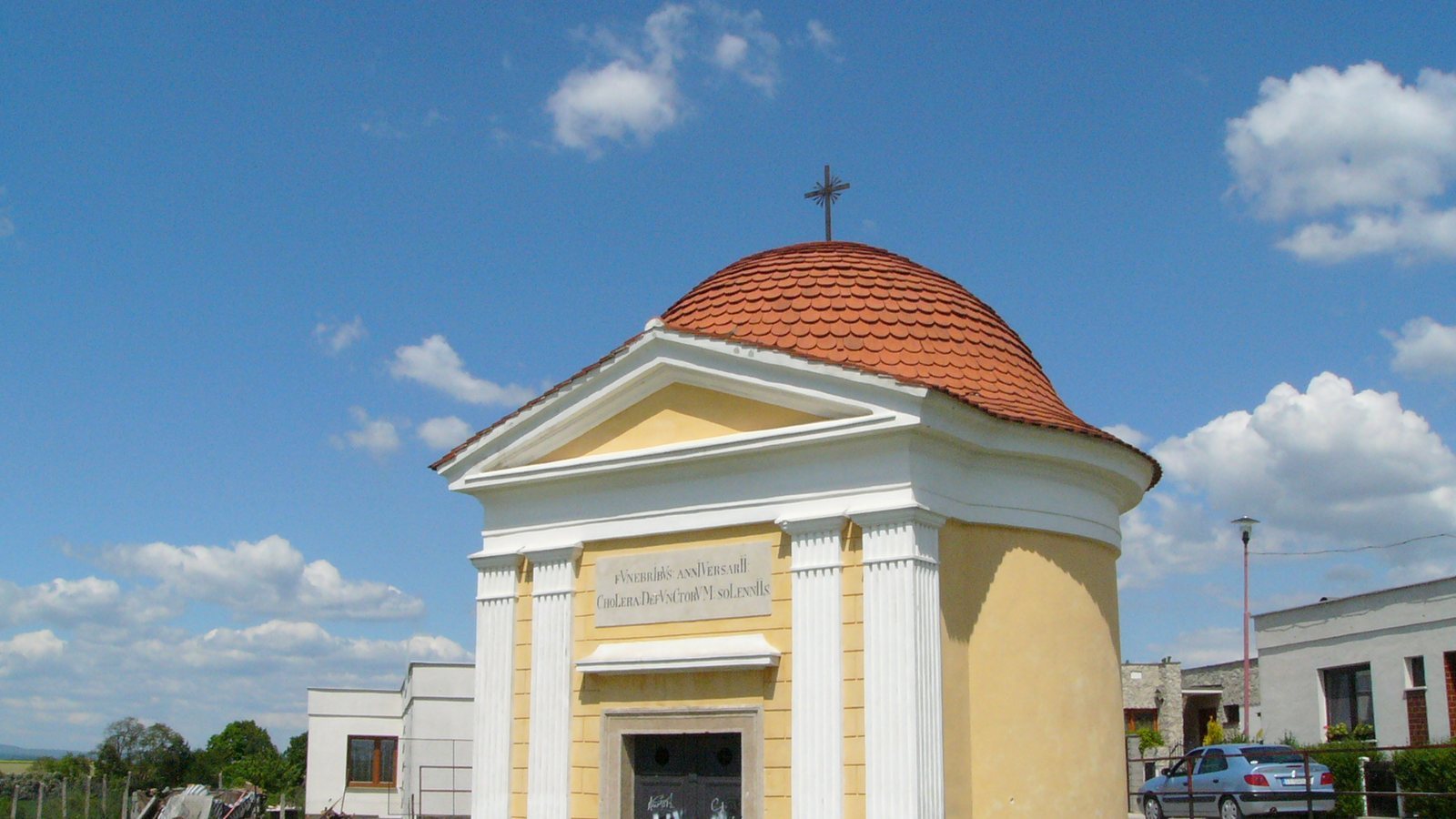
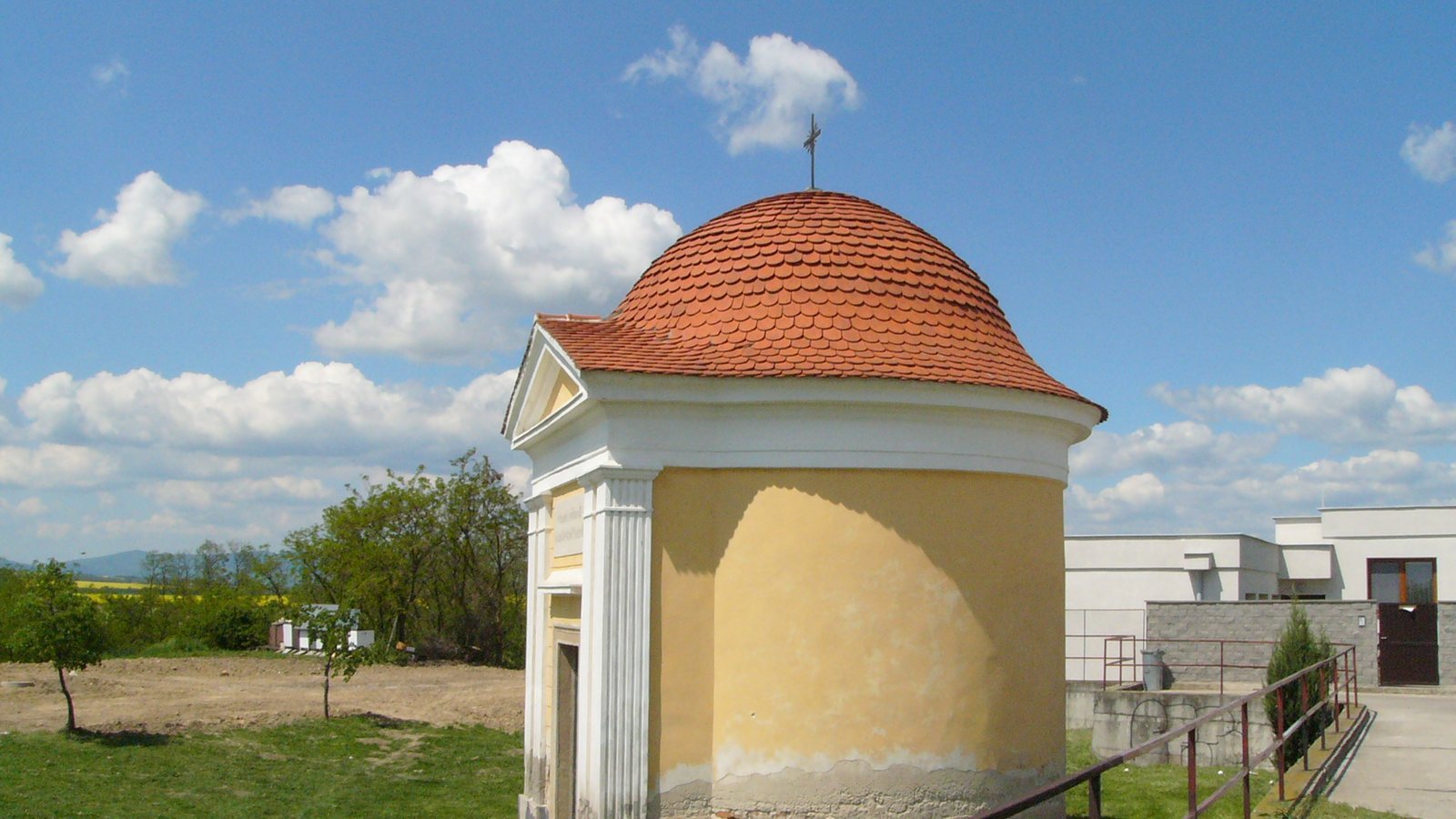
The Cholera Chapel, also known as the Chapel of the Holy Cross, is a Classicist chapel in Trnava, Slovakia, built in the mid-1830s in memory of the 1831 cholera epidemic. Classicism draws on architectural forms associated with ancient Greece and Rome.
The epidemic and the chapel
Cholera swept through Trnava from 1 August to 24 September 1831, killing more than 800 people in about two months. The chapel was built as a funerary chapel for canon Ján Iváni, a cleric belonging to a cathedral or collegiate chapter, who died during the outbreak. The cemetery associated with the chapel had been used for epidemic victims since 1710 and lay away from the city’s inhabited areas.
Restoration and protection
After the chapel fell into disrepair, the Regional Centre for State Monument Care and Nature Protection in Trnava renovated it in the second half of the 20th century. Volunteers reconstructed the building and restored its surroundings in 2011. In September of that year, auxiliary bishop Ján Orosch, appointed to assist a diocesan bishop, reconsecrated the chapel. Slovakia registered it as a National Cultural Monument on 29 July 1993.
Remains
The chapel stands on Átriová Street at the end of the Kopánka residential quarter, in northern Trnava near the city’s northeastern outskirts. It is the last surviving remnant of the plague and cholera cemetery.