Leopoldov Prison: A Fortress Converted into Slovakia’s Oldest Prison
Site at a Glance
- Popularity
- High
- Country
- Slovakia
- Primary era
- Early Modern
- Eras represented
- Early Modern
- Civilizations
- Habsburg, Hungarian
- Site type
- Civic
- Remains
- Prison
On this page7 sections
History
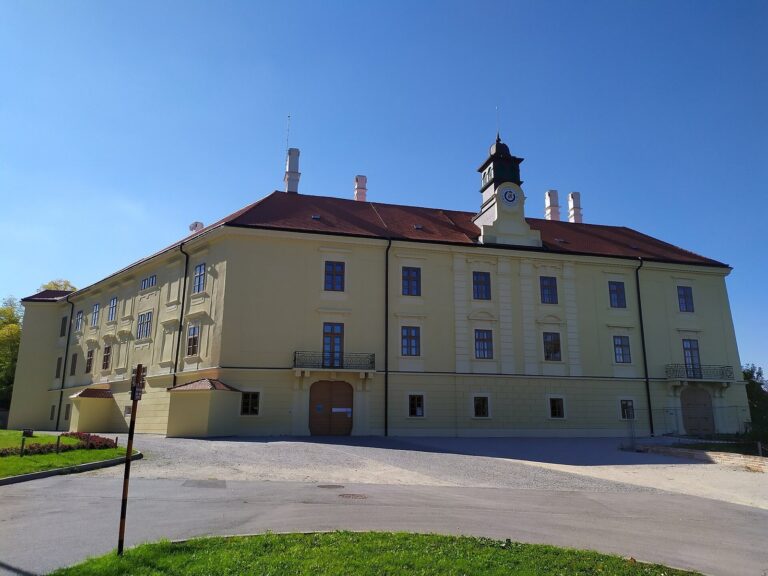
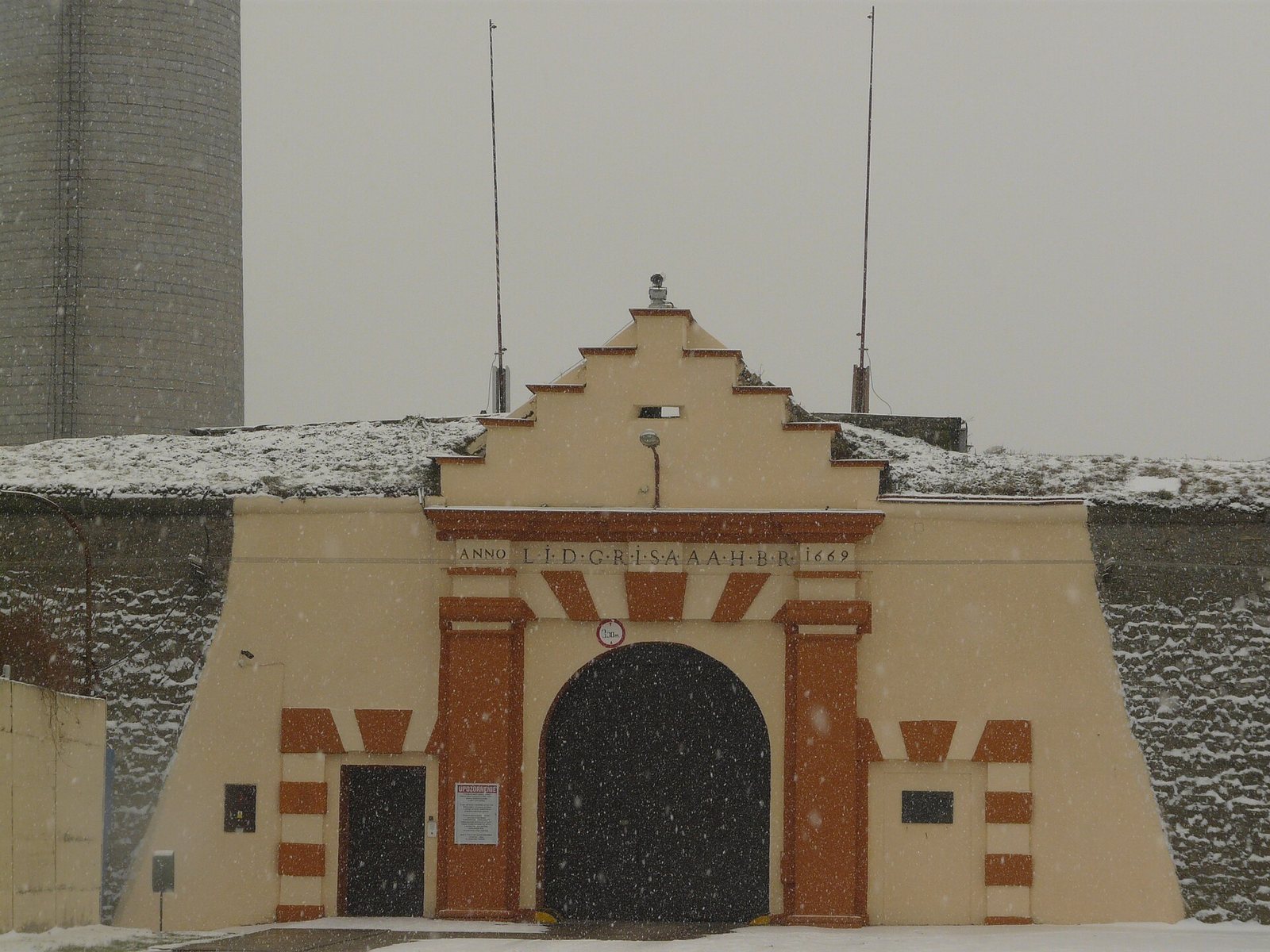
Leopoldov Prison is an operating prison within a seventeenth-century fortress complex in the town of Leopoldov, western Slovakia. Construction of the fortress began in 1665 under the Habsburg monarchy, at the initiative of Emperor Leopold I. It was completed in 1669 as a defense against Ottoman expansion.
Fortress and prison conversion
The loss of the fortress town of Nové Zámky to Ottoman forces prompted the fortress’s construction. During the reign of Maria Theresa, the complex served as a military warehouse. Its military role diminished in the nineteenth century as more specialized facilities took over. In 1855–56, the fortress was converted into a prison with room for about 1,000 inmates. It was then the largest prison in the Kingdom of Hungary, which formed part of the Habsburg monarchy, and it is Slovakia’s oldest prison. It has been used continuously as a prison since that conversion.
Political imprisonment under communist rule
Leopoldov developed a reputation for severe and torturous conditions and became one of Czechoslovakia’s most notorious detention facilities. After the Communist Party took power in 1948, it became a major high-security prison for political prisoners, particularly during the 1950s under Klement Gottwald, the country’s communist leader and president from 1948 to 1953. Between 1952 and 1963, members of five Czechoslovak governments were held there under inhumane conditions.
Gustáv Husák, a communist politician who later became president of Czechoslovakia, was imprisoned from 1954 to 1960 and subsequently rehabilitated. Other inmates included former prime minister Rudolf Beran, Laco Novomeský, a party official, minister and resistance fighter, and his secretary Ernest Otto. Politician and writer Artur London was wrongfully convicted in the 1952 Slánský Trial, a political trial under communist rule, and later rehabilitated. Eduard Goldstücker was also imprisoned at Leopoldov.
Military prisoners included Royal Air Force Air Marshal Karel Janoušek and generals Karel Kutlvašr, František Nosál and Miroslav Kácha. Among the religious prisoners were Cardinal Štěpán Trochta, auxiliary bishop Stanislav Zela, and Greek Catholic bishops Pavol Gojdič, Ján Vojtaššák, Michal Buzalka, Vasil Hopko and Metoděj Dominik Trčka. Gojdič died in the prison. Professor Silvestr Mario Brait and poets Václav Renč, Zdeněk Rotrekl and Jan Zahradníček were also held there.
Modernization in 1975 increased the prison’s capacity to more than 2,000 inmates. Before 1989, its population stood at about 2,600.
Unrest and continued operation
A wave of unrest spread through Czechoslovak prisons in December 1989. After President Václav Havel’s general amnesty took effect in January 1990, inmates at Leopoldov revolted against the administration. About 2,500 people were imprisoned there at the time, including approximately 370 burglars, 320 thieves, 200 murderers and 170 rapists. Many were classified under Paragraph 41, a legal category for high-risk or repeat offenders, and were not eligible for the amnesty. More than 552 inmates were initially due for release, but prisoners objected to the pace of the process. They also demanded consideration for amnesty, the removal of guards accused of brutality or torture, and a major change in prison policy.
The first unrest was suppressed by January, though tensions persisted. On March 1, 217 inmates barricaded themselves in the Castle for several hours and damaged furniture and other property. On March 15, hundreds began another revolt, barricading themselves for about two weeks and resisting arrest. They attacked guards with iron rods, razors, petrol bombs and improvised flamethrowers. One person was killed. On March 28, prisoners set fire to the Castle’s entire roof. Damage was estimated at more than 27 million Czechoslovak korunas, and a large part of the prison could no longer be inhabited.
Slovak authorities voted in 1990 to close the prison for reconstruction, but reversed that decision in 1993. The complex was renovated and modernized instead. Following the Velvet Revolution, the 1989 movement that ended communist rule in Czechoslovakia, further revolts and escapes brought senior officials, including cabinet members and the prime minister, into negotiations inside the prison and led to reforms. In November 1991, seven inmates escaped after killing five guards. They stole cars, left Leopoldov by train and were later recaptured in a manhunt. Tibor Polgári, an inmate associated with earlier unrest, took part in planning the escape.
The prison remains operational. In 2023 it was Slovakia’s largest prison, with a stated maximum capacity of 1,426 inmates, and held men under medium- and high-security conditions. The complex is designated a national cultural monument, with several parts protected as cultural and historical landmarks.
Remains
The prison occupies a seventeenth-century fortress with a star-shaped plan and two entrance gates. Its grounds cover 267,651 square metres and contain administrative areas, several prisoner cellblocks, a cafeteria and workshops.
The Castle
The building known as the Castle once provided sleeping quarters for the Third and Fourth regiments. It forms part of the fortress complex now used as a prison.
Medical facilities
The complex includes four general-practitioner offices, a dentist’s office, a psychiatrist’s office and an infirmary for ill and bedridden inmates. Medical services include treatment for tuberculosis and diabetes, as well as court-ordered treatment for addictions, commonly involving alcohol or drugs.