Dolmen de Santa Inés: A Neolithic Corridor Tomb in Segovia
Site at a Glance
- Popularity
- Low
- Country
- Spain
- Primary era
- Stone Age
- Eras represented
- Stone Age
- Civilizations
- Unclassified
- Site type
- Burial
- Remains
- Tomb
On this page6 sections
History
The dolmen de Santa Inés is a corridor tomb near Bernardos, in Segovia, Spain, built around 4000 BCE. It belongs to the Neolithic, the period when farming and herding became established ways of life, and is associated with communities settled in the region. Its covered-gallery form, in which the passage and burial chamber make a covered space, follows the Atlantic tradition, an architectural classification for this kind of tomb. The Eresma Archaeological Project interprets it as Segovia’s earliest architectural expression of settled communities cultivating plants and domesticating animals.
Neolithic construction and use
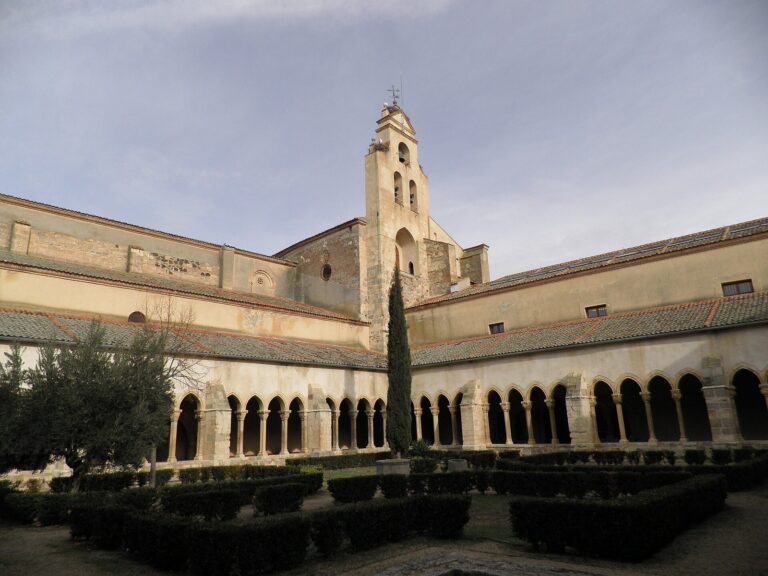
The tomb was abandoned in the second millennium BCE. It takes its name from a nearby hermitage in the Romanesque style, a medieval architectural style that was then the only stone building still standing in this part of the municipality.
Identification and archaeological setting
The monument was identified as a dolmen in 2010, and investigations began in 2018 as part of the Eresma Archaeological Project. In 2020, the discovery of further burial mounds within Bernardos confirmed a local concentration of dolmens.
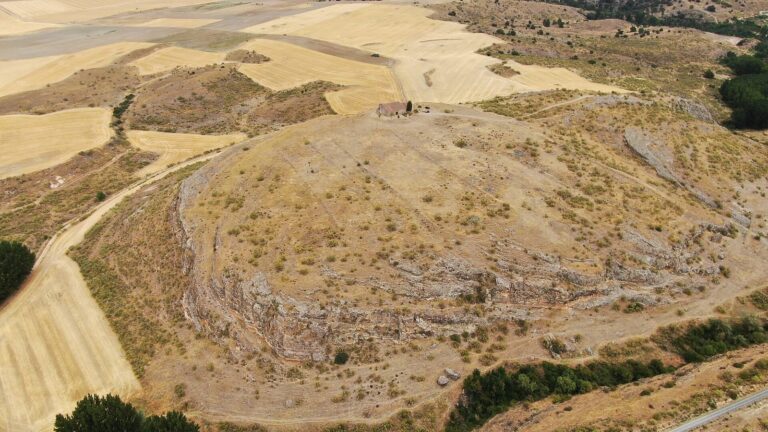
Santa Inés lies at the center of a visual axis linking several archaeological sites. Cerro de San Isidro has rock art from the Paleolithic and later periods. Cerro del Castillo was founded in Late Antiquity, the transition from the ancient world to the early Middle Ages, and was occupied again during Muslim rule in parts of Iberia and the High Middle Ages, the central centuries of the medieval period. At Cerro del Tormejón, surface remains span the Copper Age, Cogotas I, a Bronze Age Iberian culture, remains associated with the Vaccaeans, an ancient people of the central Duero basin, and the Roman and Visigothic periods. The Visigoths were a Germanic people who ruled parts of the peninsula. A Roman villa lies about 200 metres from the dolmen. The surrounding area attracted communities at different times and is considered archaeologically sensitive.
Remains
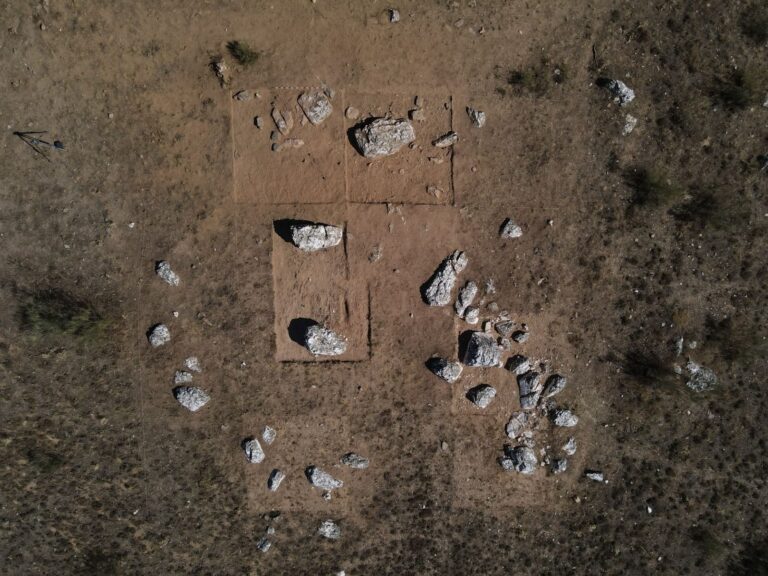
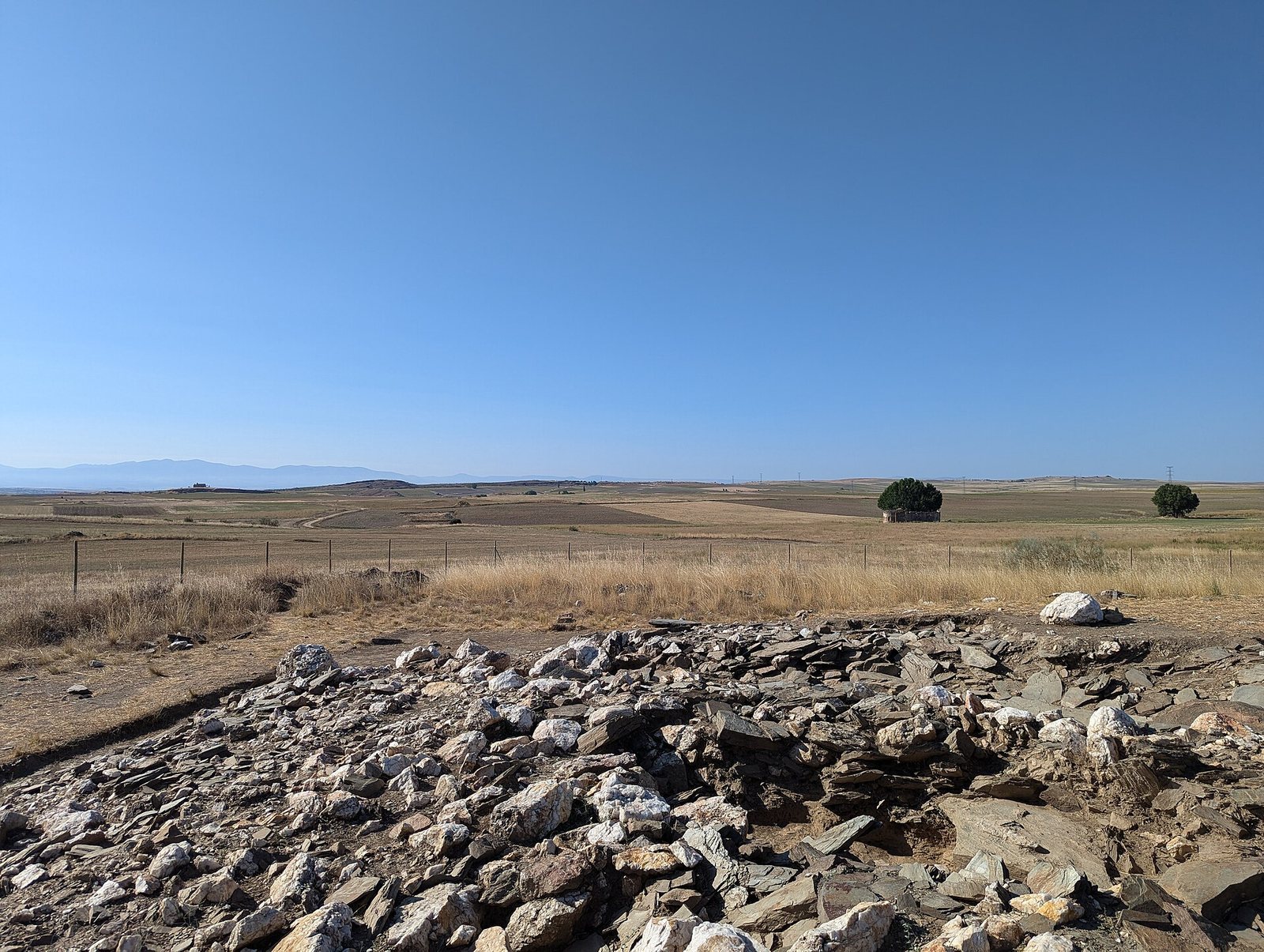
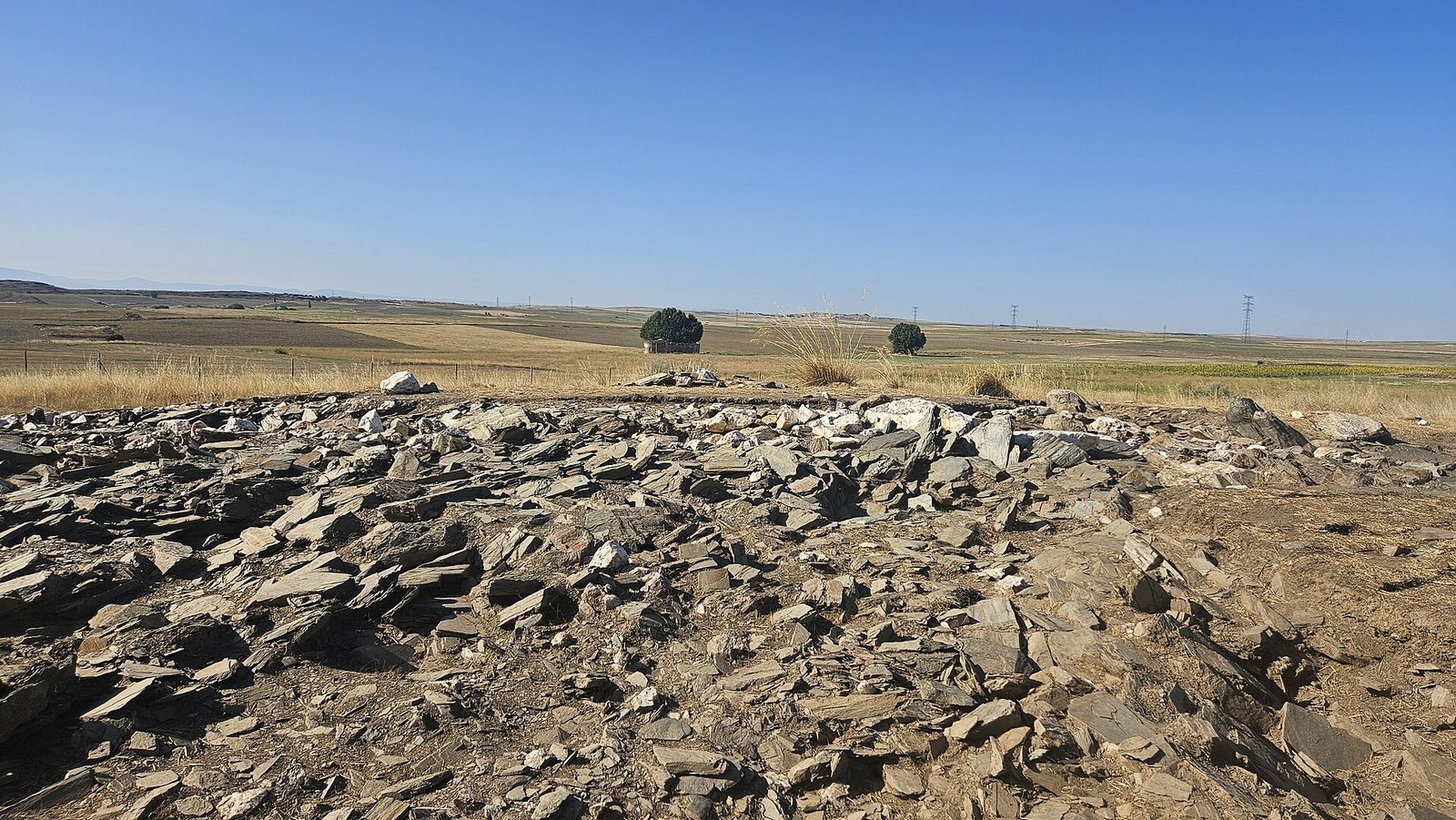
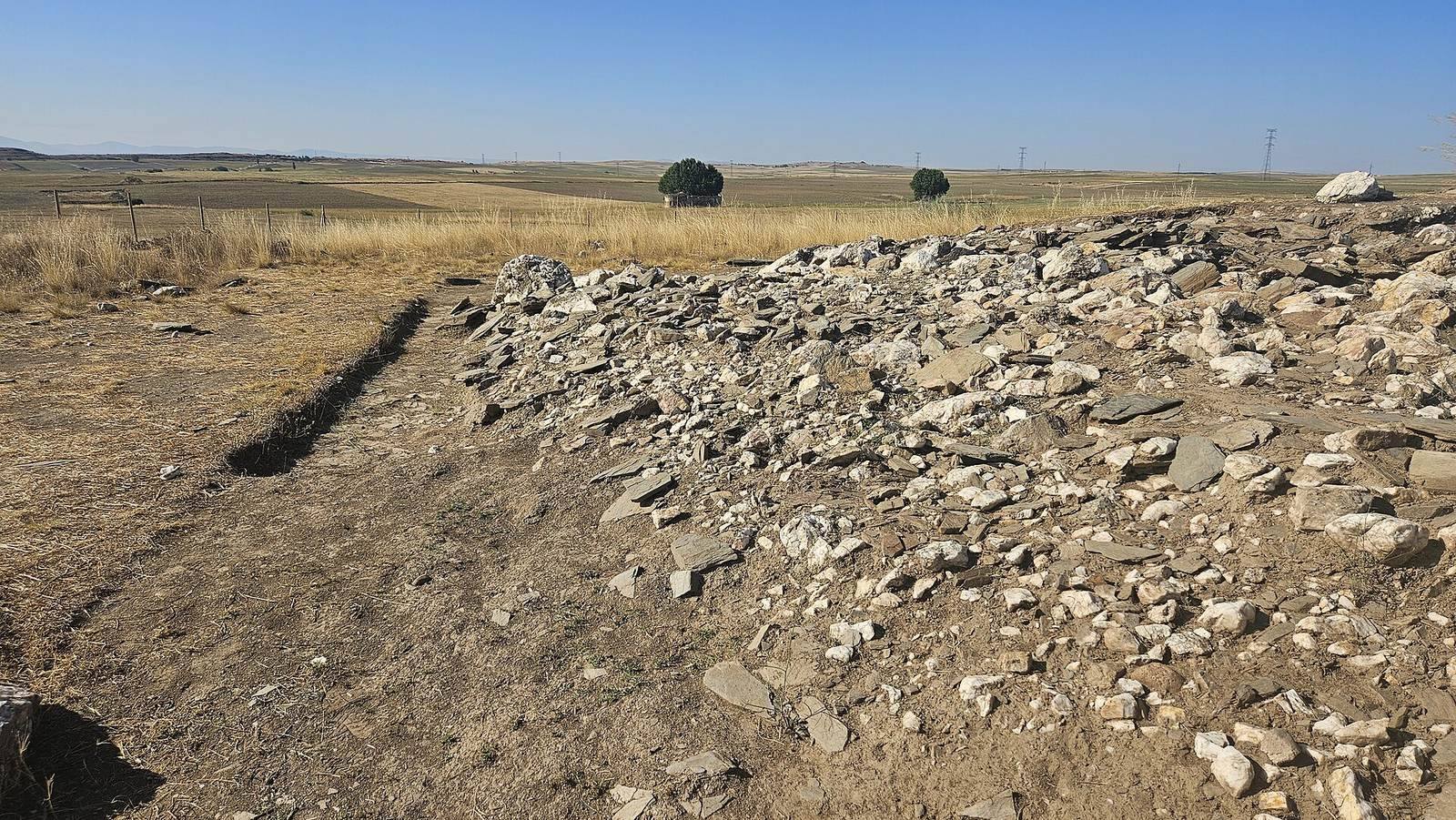
In the middle Eresma Valley, the tomb’s recorded area is 735 square metres. Its layout centers on a passage leading to a burial chamber beneath a stone mound.
Passage and burial chamber
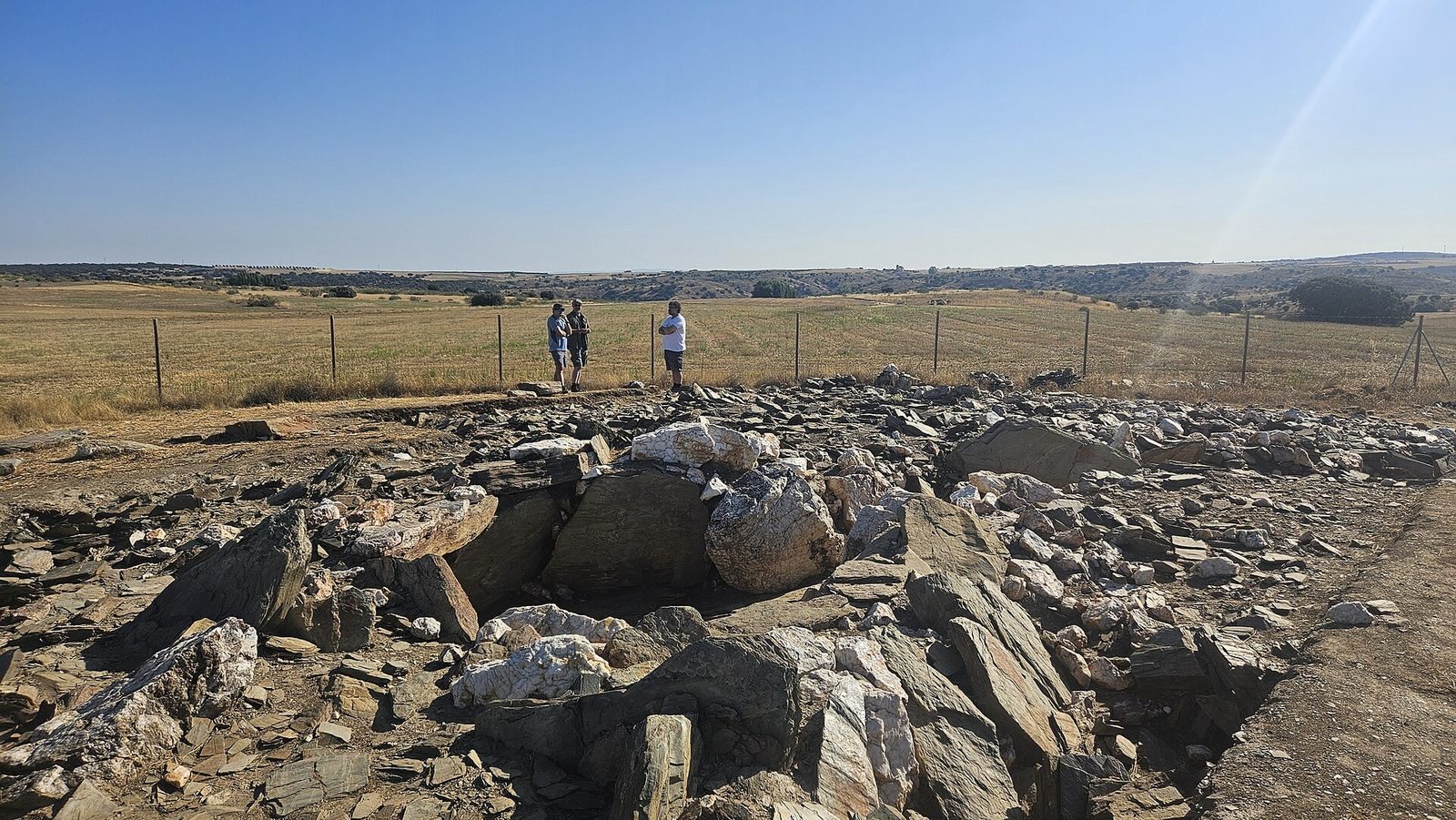
Seven upright stones form the narrow passage, which is 16 metres long and faces east-southeast. It leads to an octagonal burial chamber measuring 3 metres in diameter. The passage opening aligns with the sunrise at the winter solstice. This orientation has been associated with funerary rites marking the year’s end, when the first rays of the sun in late autumn and early winter could enter the tomb.
Stone mound
The mound covering the tomb measures 30 metres across. It consists of large slate and quartz blocks laid in an orderly arrangement and bonded with earth. A stone ring frames the chamber, a feature also found at other dolmens in central Iberia.