High Elms Manor: A Georgian Country House in Hertfordshire
Site at a Glance
- Popularity
- Medium
- Country
- United Kingdom
- Primary era
- Modern
- Eras represented
- Modern
- Civilizations
- British
- Site type
- Domestic
- Remains
- Manor House
On this page5 sections
History
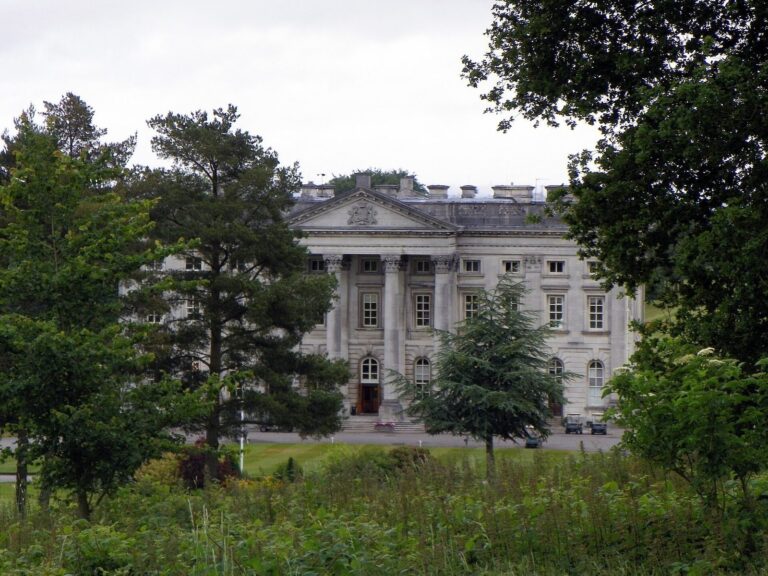
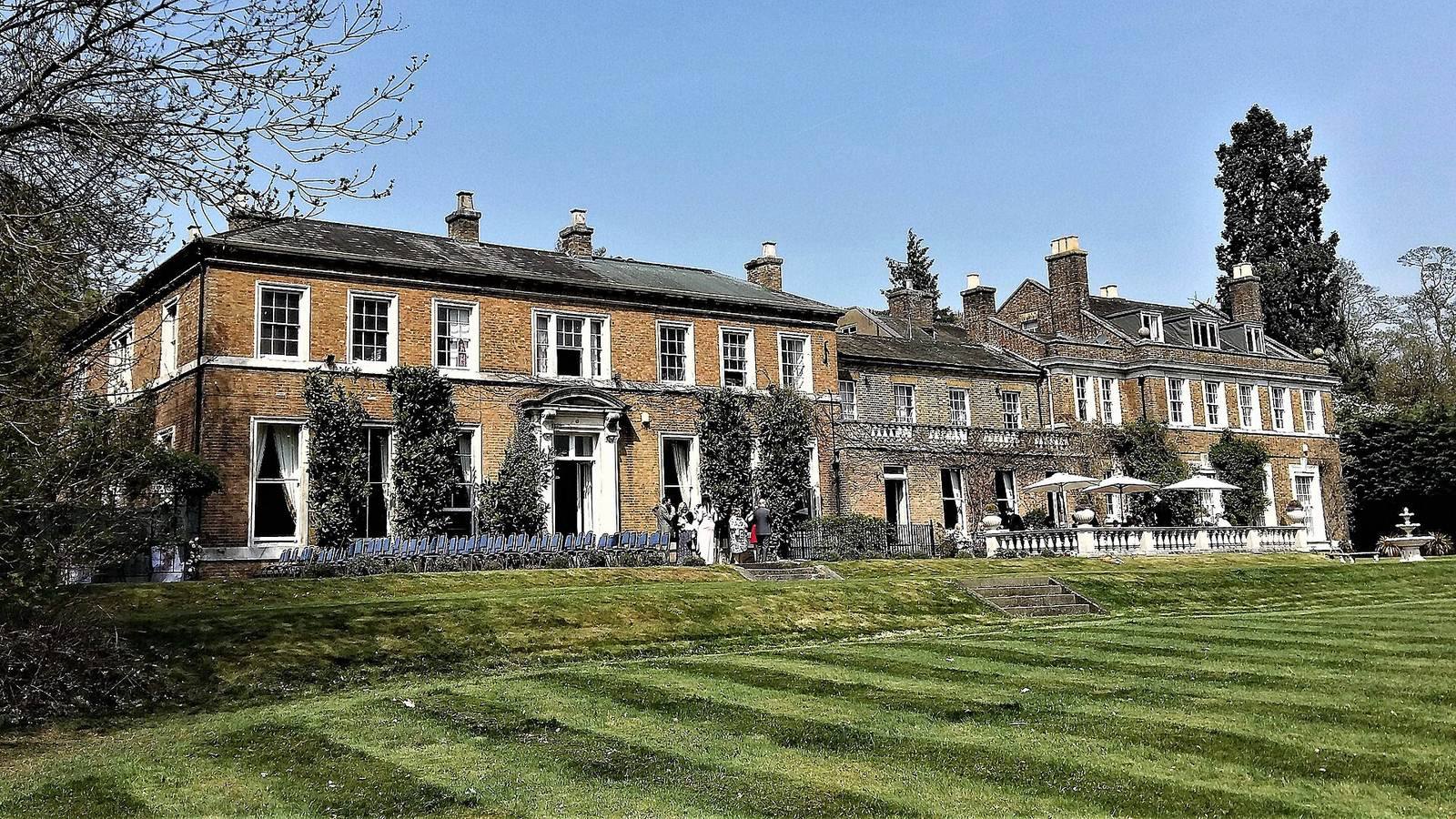
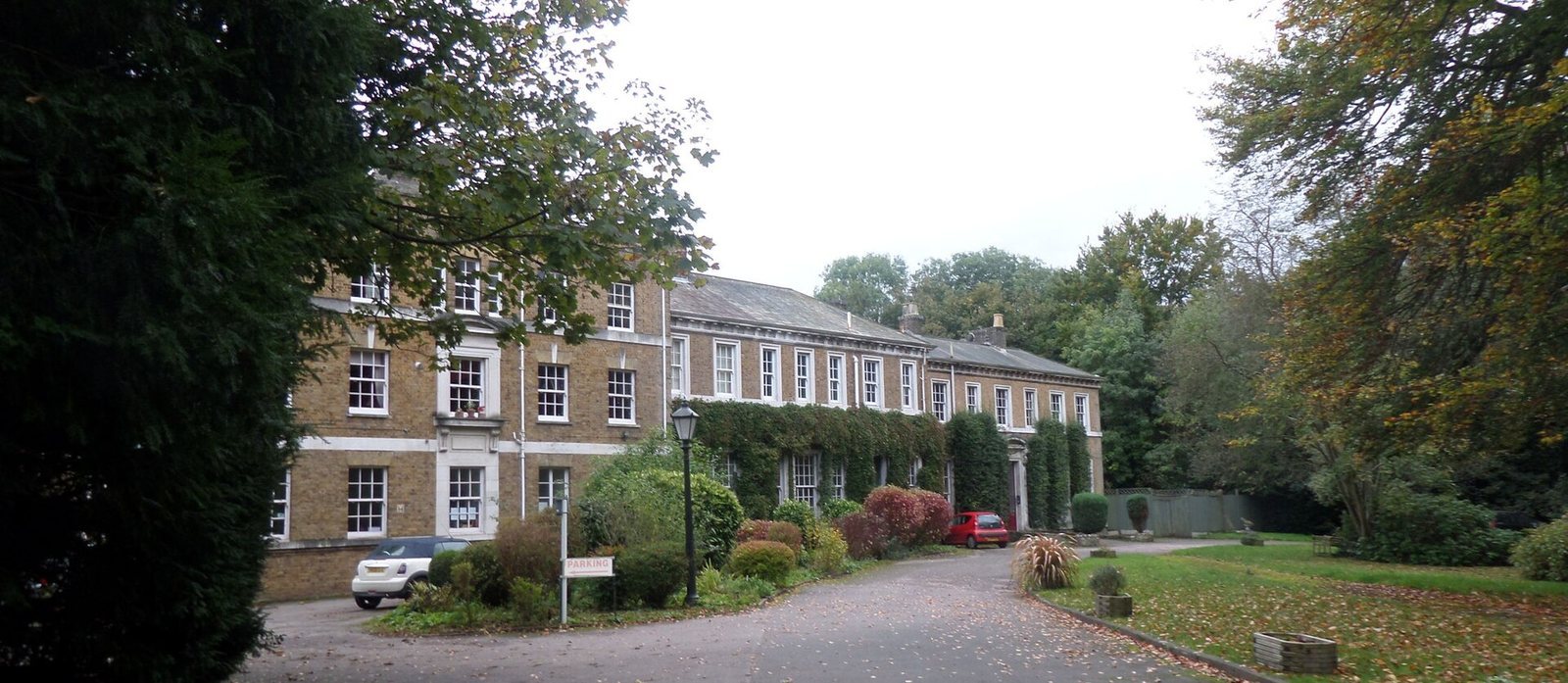
High Elms Manor is a Georgian country house near Garston in Hertfordshire, England. Georgian architecture refers broadly to British styles associated with the early eighteenth to early nineteenth centuries. The house dates to around 1812, though it may instead have been created through substantial alteration of a small building already on the estate.
Bradshaw and Ryley
Augustus Cavendish Bradshaw, an English landowner and Member of Parliament, acquired the estate in the early 1800s and originated the house. He and his wife, Mary Ann, lived there. During their residence, she wrote the novels Maria Countess of D’Alva (1808) and Ferdinand and Ordella: A Russian Story (1810). After completing his parliamentary career, Bradshaw put the property up for sale in 1817.
John Ryley bought High Elms soon afterward and lived there with his wife, Charlotte, until his death in 1845. He added surrounding land and the adjoining Fortune and Winch farms. The estate grew from 82 acres in 1817 to 170 acres by 1847.
Mid- and late nineteenth-century owners
Arthur Currie and his wife, Dora, were living at High Elms by 1851 and appear to have remained for about a decade. Currie was a magistrate and distiller. Robert Pryor acquired the property in 1863 after retiring from legal practice. He died there in 1889, and the house was advertised for sale the following year.
Claude Watney, from the Watney brewing family, bought High Elms as a country house during the 1890s. He and his wife, Ada, lived there until 1911. During that decade, the property’s name changed to Garston Manor.
Twentieth-century changes of use
In 1911, Walter William Bourne, founder of the Bourne and Hollingsworth department store, bought the house. He died there in 1921, after which his wife, Clara, retained ownership until 1932. Colonel William Hilton Briggs, then managing director of Benskin’s Brewery in Watford, and his wife, Doris, were the next residents. During the Second World War, the property was fortified.
Around 1951, Garston Manor was sold to the Hospital Board and became a rehabilitation centre, which closed in 1997. Sheila O’Neill then bought and restored the property for use as a Montessori school, an educational approach based on self-directed activity and hands-on learning. Her daughters continued the school after her death. The house is Grade II listed, a designation for buildings of special architectural or historic interest on England’s statutory heritage list. In 2011, the Mayor of Watford formally renamed it High Elms Manor.
Remains
High Elms Manor is a Georgian country house. Its wartime defenses comprised pillboxes, small fortified positions with openings for weapons, fortified trenches, and three large air-raid shelters. The available information does not establish which of these defensive works survive today.