Hermitage of Ronzano: A Dominican Church and Convent in Bologna


Site at a Glance
- Rating
- 4.5
- Popularity
- Low
- Country
- Italy
- Primary era
- Medieval
- External website
- Open
- Eras represented
- Medieval, Early Modern
- Civilizations
- Papal States
- Site type
- Religious
- Remains
- Monastery
On this page8 sections
History
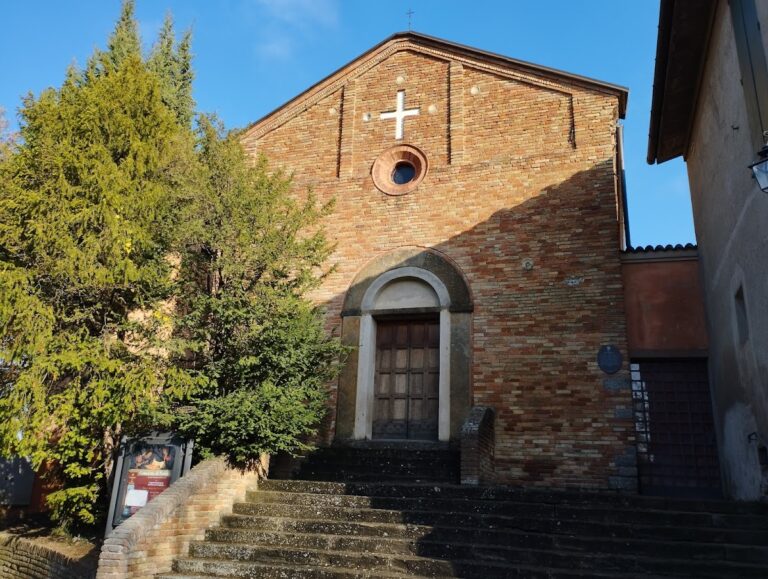
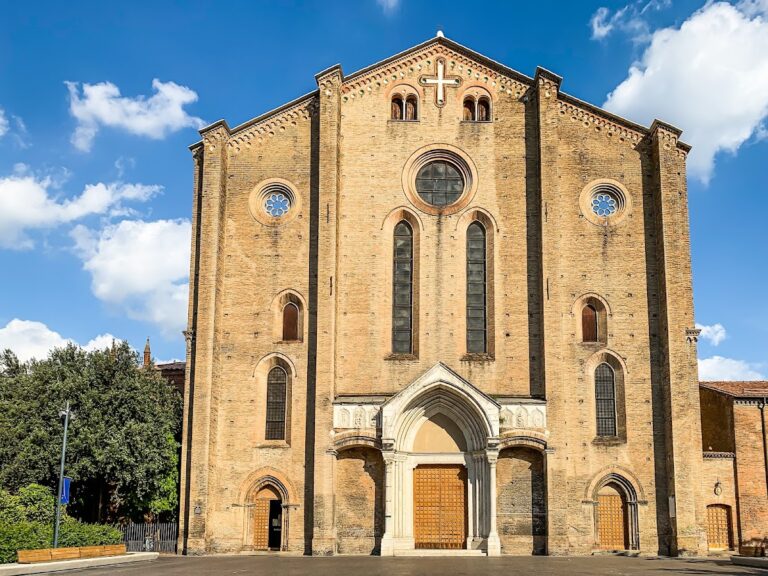
The Hermitage of Ronzano, also known as the Church of San Vincenzo at Ronzano, is a Roman Catholic hermitage in Bologna, Italy, whose present church and convent were built from 1480. The hill had earlier been frequented by Etruscans and Romans and was used from the Early Iron Age, the first phase of the Iron Age when iron tools and weapons became widespread. Its name may come from Arruntiani fundus, an estate associated with the Arruntia family.
From Early Settlement to Medieval Hermitage
Ronzano became a Christian retreat in 1140, when the Bolognese noblewoman Cremonina Piatesi withdrew there with five companions and founded a hermitage and chapel. In 1209, her great-granddaughter Raimondina established a church at the site. Ronzano was also associated with Diana d’Andalò de’ Carbonesi, whose remains were discovered there by Giovanni Gozzadini in 1851.
The hill later became connected with the Gaudenti, a medieval Italian knightly religious order devoted to peace-making and the mediation of civic conflicts. Loderingo d’Andalò de’ Carbonesi, Diana’s brother, and five companions founded the order. Its members were sent to Florence after the Battle of Montaperti to help restore peace, and they mediated between Bologna’s Asinelli and Scannabecchi families. Catalano dei Malavolti was another prominent member.
Dominican Reconstruction
During a crisis within the Gaudenti, its last prior, Ludovico Barbieri, transferred Ronzano to the Dominicans in 1475. The Dominicans, members of the Order of Preachers, a Catholic order traditionally devoted to preaching and theological study, demolished the two earlier chapels and began the present church-and-convent complex in 1480, following a project commissioned from Gaspare Nadi.
In 1633, the complex acquired a Serbatorium nevis, a facility for storing snow or ice before mechanical refrigeration. Ronzano also served as a refuge for the Dominicans during plague outbreaks in the sixteenth and seventeenth centuries. The community resisted Pope Innocent X’s suppression of small convents, decreed on 15 October 1652 through Instaurandae regularis disciplinae.
Suppression and Secular Ownership
In 1798, during Napoleon Bonaparte’s rule, the convent was suppressed and passed into private ownership. The entire complex was sold to the De Lucca marquises, who adapted it for secular use. They sold the columns of the former cloister, opened windows through walls that damaged frescoes, and removed or harmed valuable works of the Bolognese school.
From 1806 to 1848, Ronzano belonged to the rector of the College of Spain, who made no major structural changes. Giovanni Gozzadini and his wife, Maria Teresa Serego Alighieri, later restored the hermitage with the aim of returning it to its earlier form. They also made Ronzano a setting for the cultural and social life of the period. Among its visitors were Marco Minghetti and Giosuè Carducci.
Later Cultural and Religious Life
The Da Schio counts owned Ronzano from shortly afterward until 1921 and maintained the cultural tradition established under the Gozzadini family. Their guests included Guglielmo Marconi. The Order of the Servants of Mary, also known as the Servite Order, now owns the hermitage and has used it for decades to receive groups, peace organizations, parishes, scouts, and others seeking retreat and reflection.
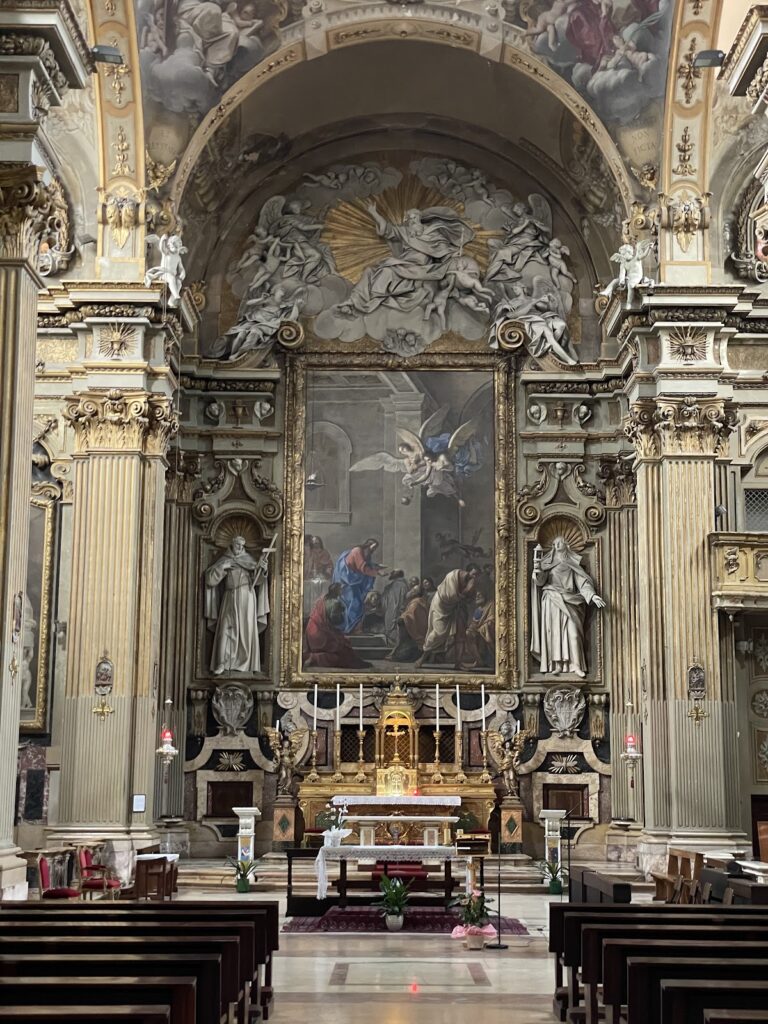
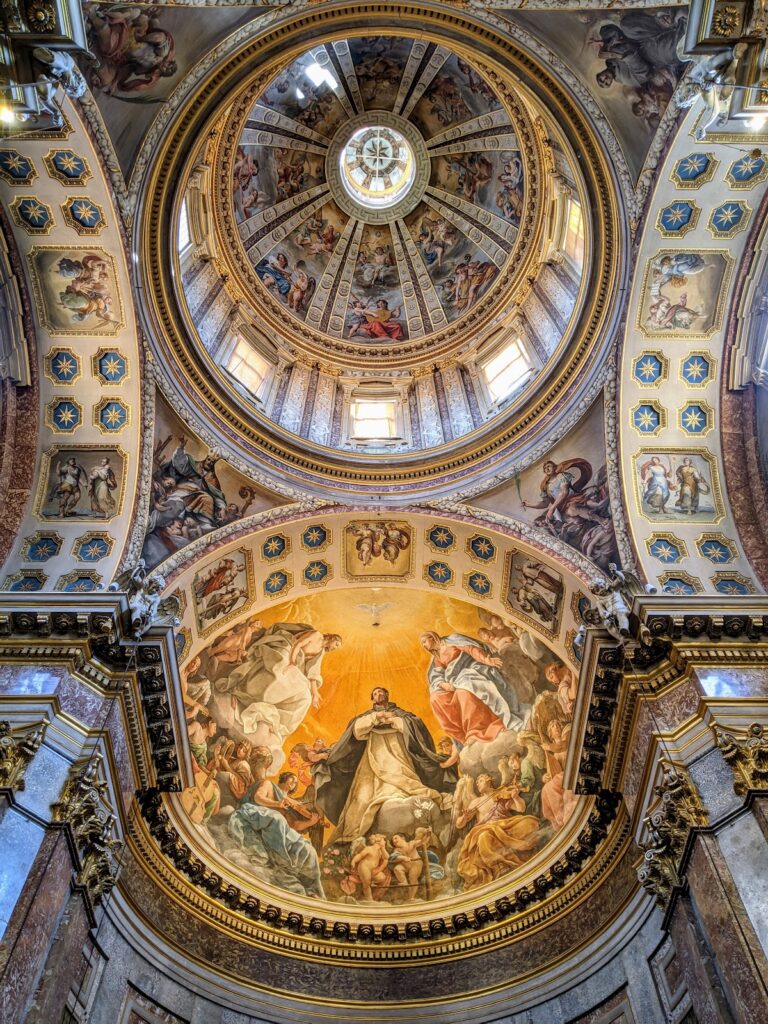
The interiors of the Church of San Vincenzo were restored in 2003 and 2004. Carducci’s connection with Ronzano is commemorated by a plaque in the square outside the church. Its inscription presents the hill as both a natural observatory and a place of retreat, where contemplation of the landscape and sky may bring rest. The hermitage also houses the Carducci museum archive, with documents and memorabilia connected with Titti Carducci, the poet’s daughter.
Remains
Church and Convent
The surviving complex consists of the Church of San Vincenzo and its adjoining convent, constructed from 1480 after the two earlier chapels were demolished. The church interiors were restored in 2003 and 2004. The former cloister is represented in the site’s history by the columns sold during the De Lucca marquises’ secular adaptation of the complex, while frescoes and works of the Bolognese school were affected by alterations made at that time.
Hilltop Setting and Archaeological Finds
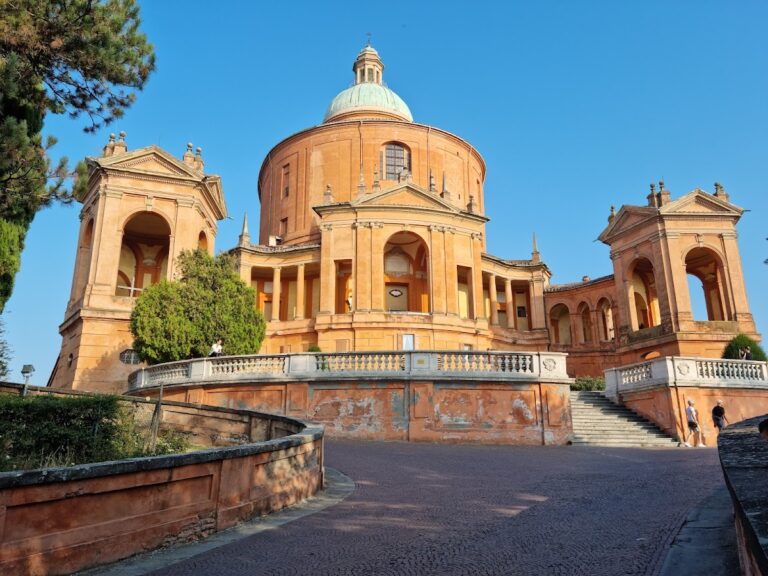
Ronzano stands on a hill about 2 kilometres south of Bologna’s historic centre, adjoining the Colle della Guardia, where the Sanctuary of the Madonna of San Luca stands. Dense vegetation surrounds the hermitage, including oaks, centuries-old chestnut trees, and cypresses. Vineyards and kiwi cultivation occupy the surrounding area, and beekeepers keep hives nearby.
Archaeological finds connected with Ronzano include numerous Etruscan objects, black-glazed pottery vessels, Roman cremation urns, and wine jars. A bronze sword associated with the Early Iron Age was found at Ronzano in 1848 by Giovanni Gozzadini and is preserved in Bologna’s Civic Medieval Museum. The square outside the church contains the plaque commemorating Carducci, while the hermitage preserves the Carducci museum archive of documents and memorabilia linked with Titti Carducci.