Hayamajiri Dolmen Cluster: A Prehistoric Cemetery in Japan
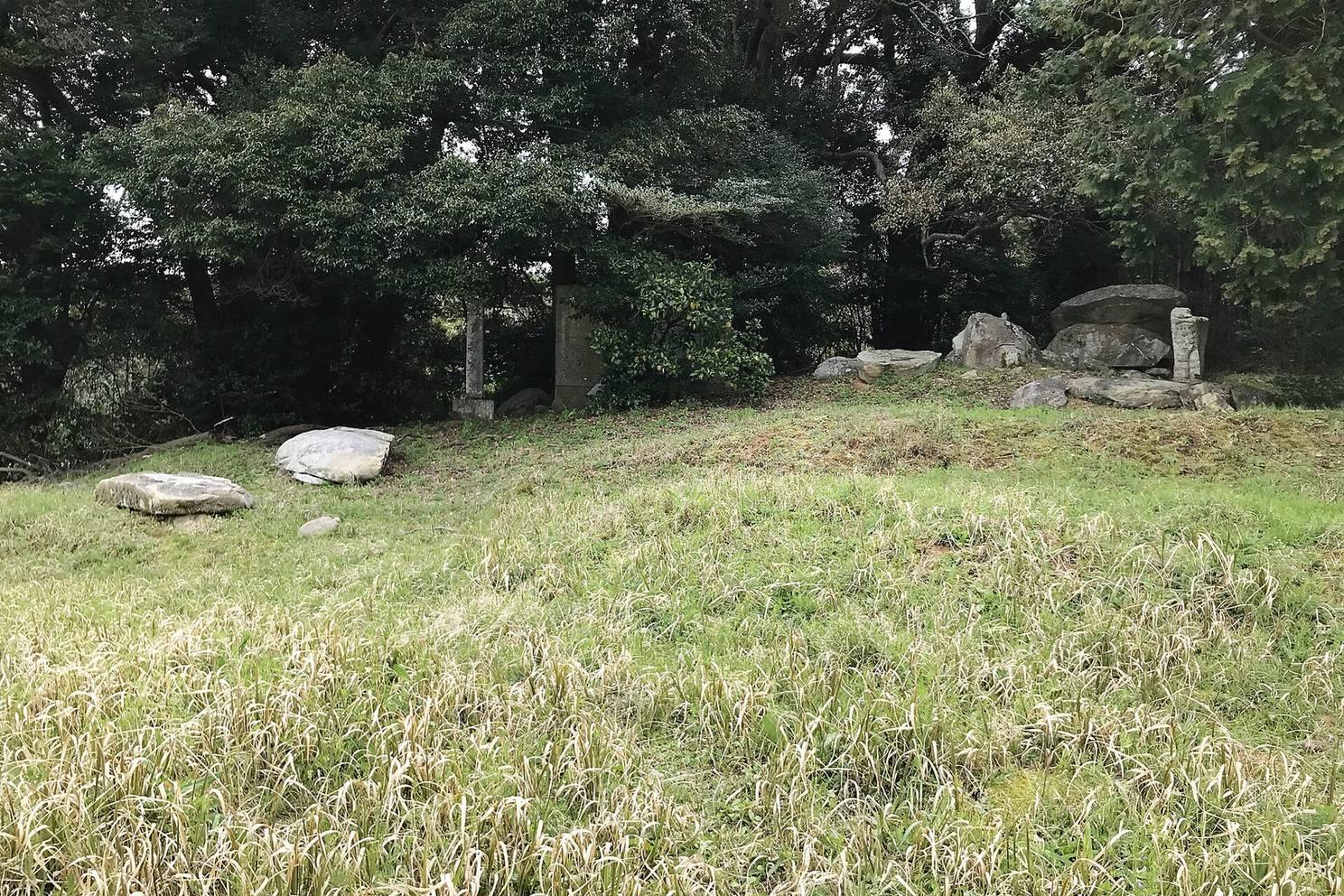
Site at a Glance
- Popularity
- Very Low
- Country
- Japan
- Primary era
- Iron Age
- Eras represented
- Stone Age, Iron Age, Classical
- Civilizations
- Jomon, Yayoi
- Site type
- Burial
- Remains
- Necropolis
On this page11 sections
History
Prehistoric burial use
The Hayamajiri Dolmen Cluster is a prehistoric cemetery in Karatsu, Saga Prefecture, Japan. Its dolmens, burial structures in which large capstones rest on supporting stones, and jar burials belong chiefly to the early and middle Yayoi period. Burial activity at the cemetery extended from the end of the Late Jomon period into the middle Yayoi period; the Yayoi period followed the Jomon period in Japanese prehistory.
Discovery, research, and protection
Land clearance revealed the cemetery in 1951. Excavations followed in 1952 and 1953, and another dolmen was identified in 1955. Hayamajiri was the first dolmen site in Japan to undergo academic survey. Its study contributed to research on connections between Yayoi burial customs and those of the Korean Peninsula. The dolmen burial system is thought to have reached the Japanese archipelago from Korea.
Japan designated the cluster a National Historic Site in 1966. In 2014, it became one of four component sites in the Karatsu Matsuura Tomb Sites designation, alongside Ōdomo, Morita, and Sakura no Baba.
Remains
Site layout and construction
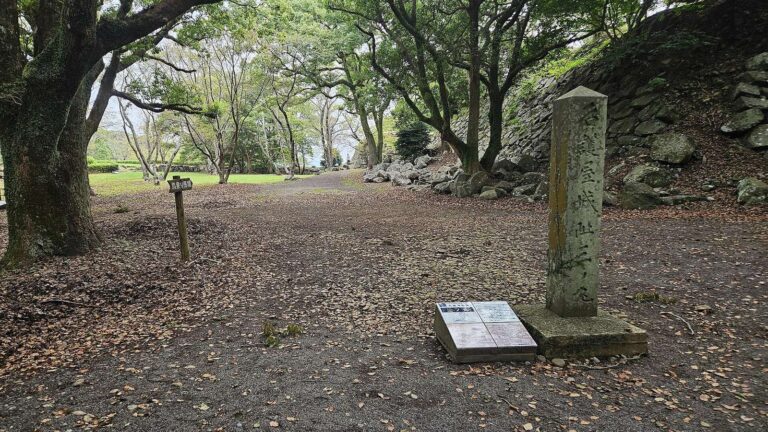
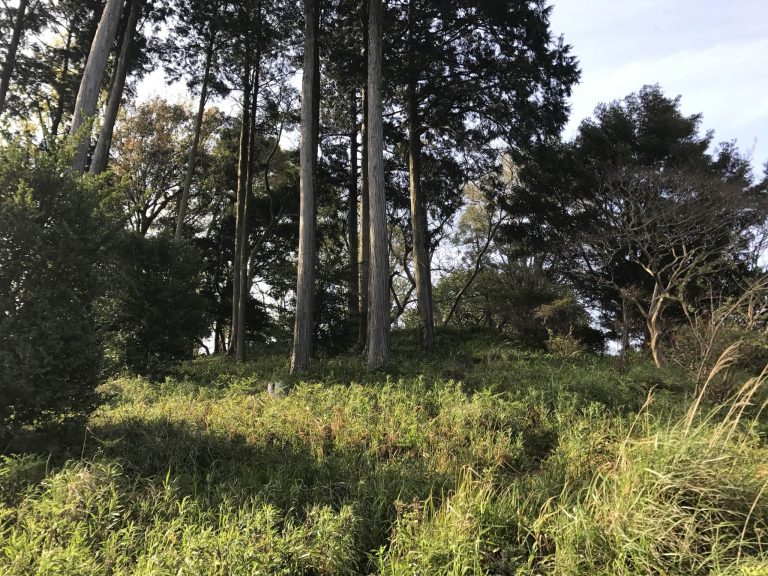
The cemetery occupies a low rise on a hill extending north from the northern foot of Mount Iimoriyama, at about 30 metres above sea level and south of Kagamiyama. Five dolmens, 26 jar burials, and one kofun, a large burial mound, were identified there. The jar burials occur in several small groups.
The five dolmens
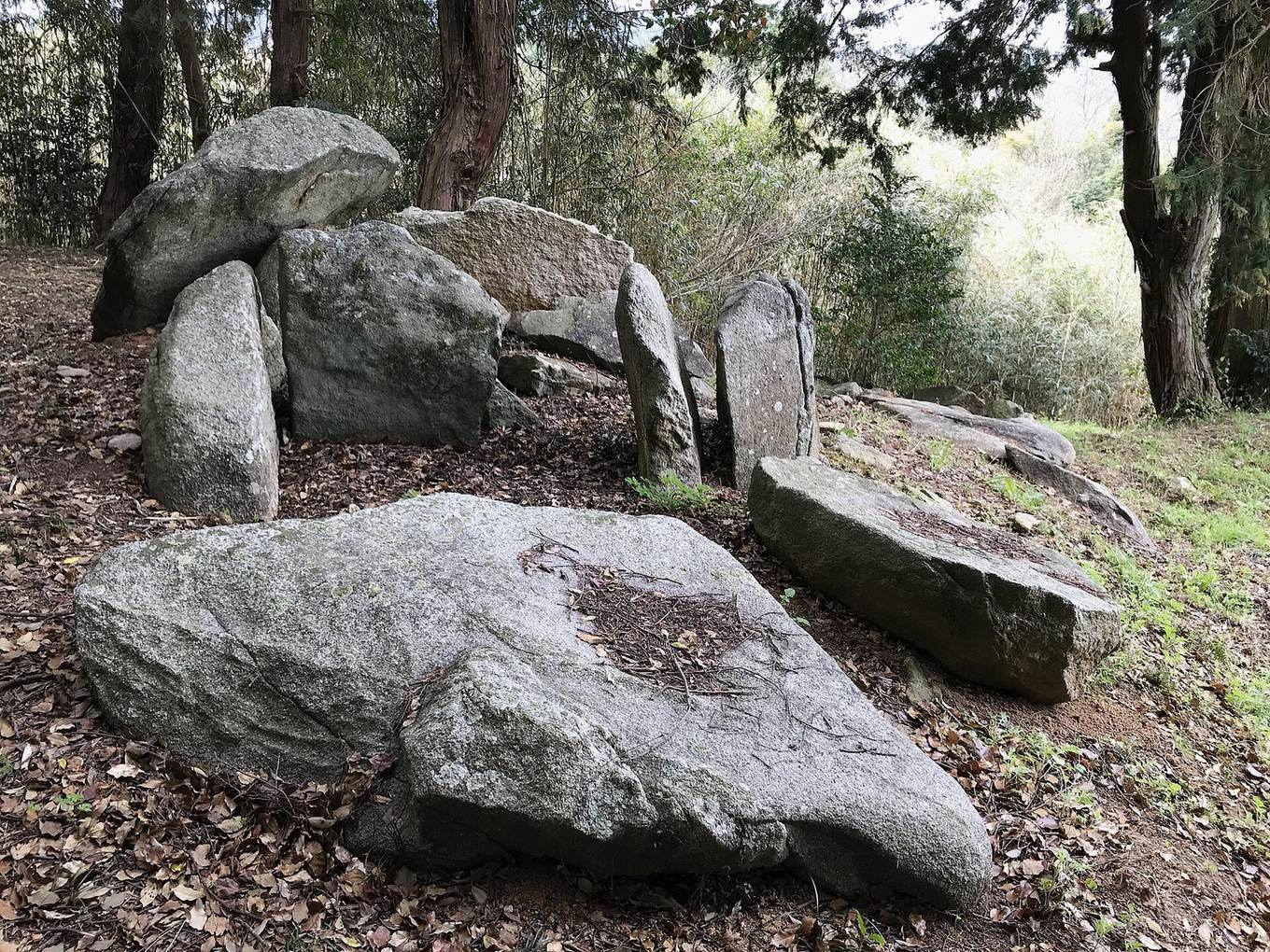
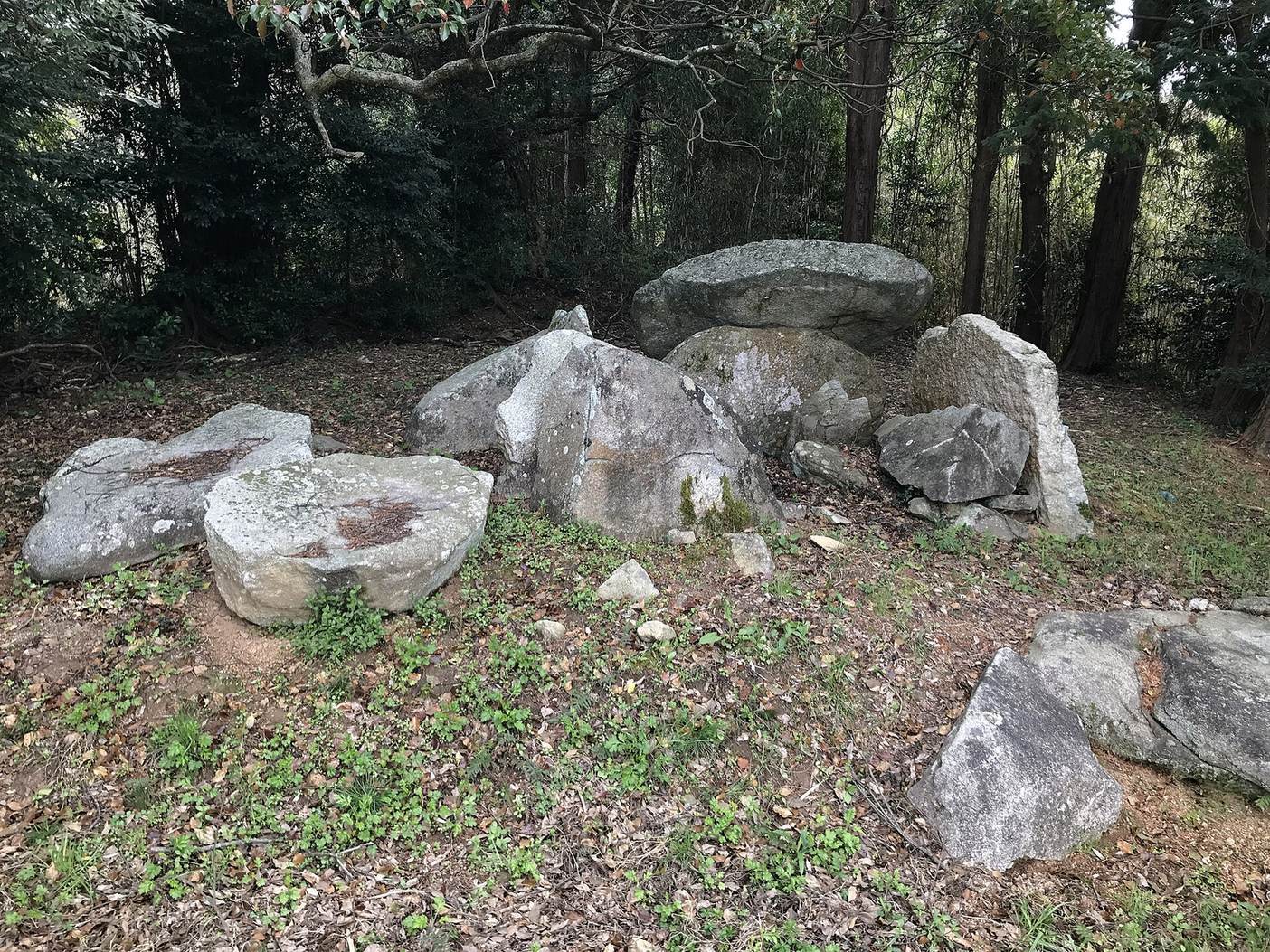
The dolmens have granite capstones shaped as rounded rectangles or ovals. These stones are 1.3 to 2.0 metres long, 1.15 to 1.4 metres wide, and 0.2 to 0.5 metres thick, and each rests on four to six supporting stones. Beneath them, burial spaces include pit graves and jar burials. Tubular beads were recovered as grave goods, with seven beads found among the grave goods from two tombs.
Dolmen 1
At the northern end of the cluster, Dolmen 1 contains six jar burials dating to the middle Yayoi period. Five were placed either upright or inverted.
Dolmen 2
Dolmen 2 has a rounded rectangular pit grave measuring 1.6 metres long, 0.65 metres wide, and 0.8 metres deep. Two jar burials were found nearby.
Dolmen 3
Dolmen 3 stands at the highest point of the cluster. Its nearly circular pit grave measures 1.58 metres long and 1.44 metres wide, with a depth of 0.5 to 0.7 metres. Two jar burials for children were found nearby.
Dolmen 4
Dolmen 4 has an oval pit grave measuring 1.5 metres long, 0.65 metres wide, and 0.7 metres deep.
Dolmen 5
Dolmen 5 lies on the western slope of the rise. Its burial structure has not been excavated and is considered likely to be a pit grave. Early Yayoi-period pottery, thought to have been deposited as offerings, was found between its supporting stones.