Haus Bisping: A Moated Farmstead in Germany
Site at a Glance
- Rating
- 4.9
- Popularity
- Low
- Country
- Germany
- Primary era
- Early Modern
- Eras represented
- Early Modern
- Civilizations
- Holy Roman Empire
- Site type
- Domestic
- Remains
- Manor House
On this page4 sections
History
From Norentin to Frydag
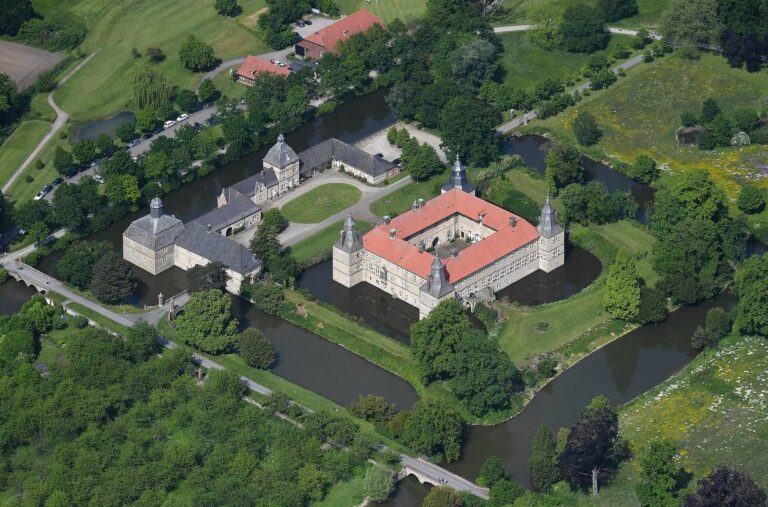
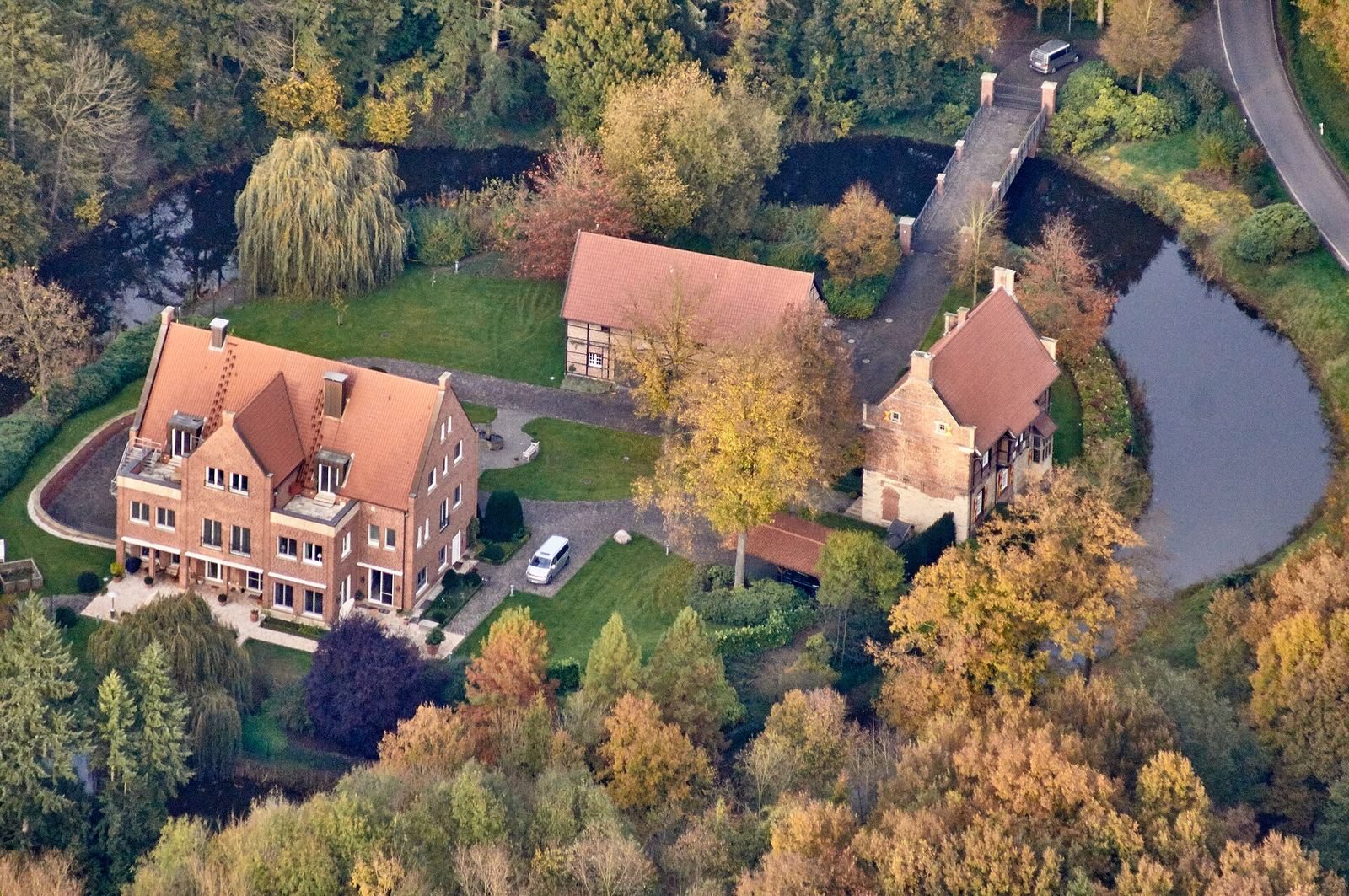
Haus Bisping is a moated farmstead near Rinkerode, a district of Drensteinfurt in Germany. In the 14th century, Friedrich von Norentin acquired the estate from Herman von Velen; at that time it was called Haus Bispink. Friedrich’s 1418 testament left it to his sons Johann and Hermann. Johann sold his share in 1428, while Hermann’s daughter Hilberta married Caspar von Frydag of Buddenberg, bringing the estate into the Frydag family.
Transfer to the von Galen family
In the 16th century, Jasper Frydag, also recorded as Vridag, held lordship over Aden, Schörling, and Bisping. He was married to Clara Balster von Büren of Davensberg and Elisabeth von Wickede. His third daughter by his first marriage, Clara, inherited Bisping. She first married Caspar (Ludeke) Valcke of Rocholl and later Bernd von Wolff of Füchteln, also called von Wulff and known as Lüdinghausen. Bernarda, Clara’s daughter by her second marriage, married Dietrich von Galen of Vellinghausen, through whom Haus Bisping passed to the von Galen family. Christoph Bernhard von Galen was born at the estate. As Prince-Bishop of Münster in the 17th century, he held both the religious office of bishop and territorial authority over the prince-bishopric.
Remains
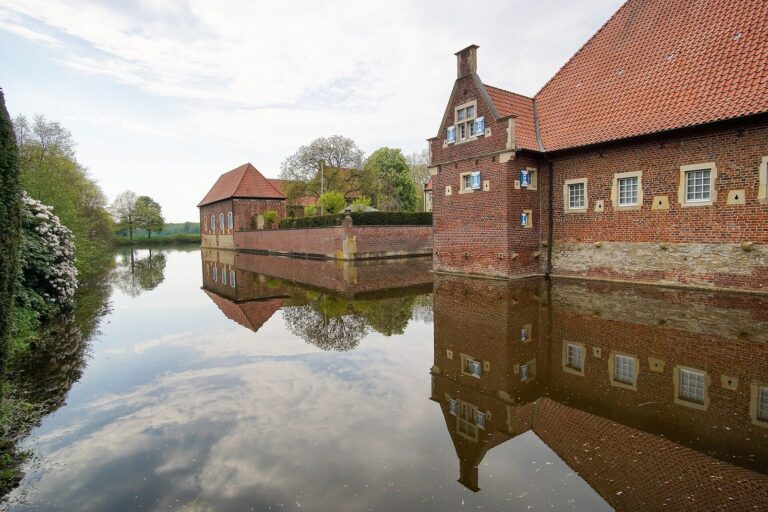
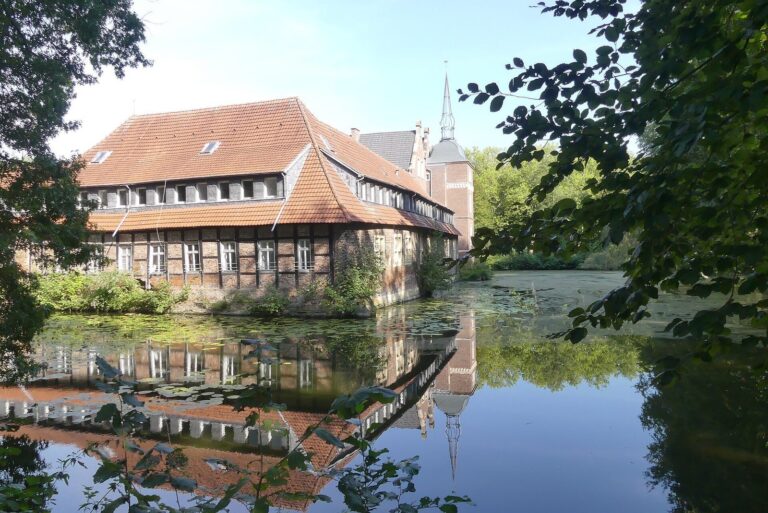
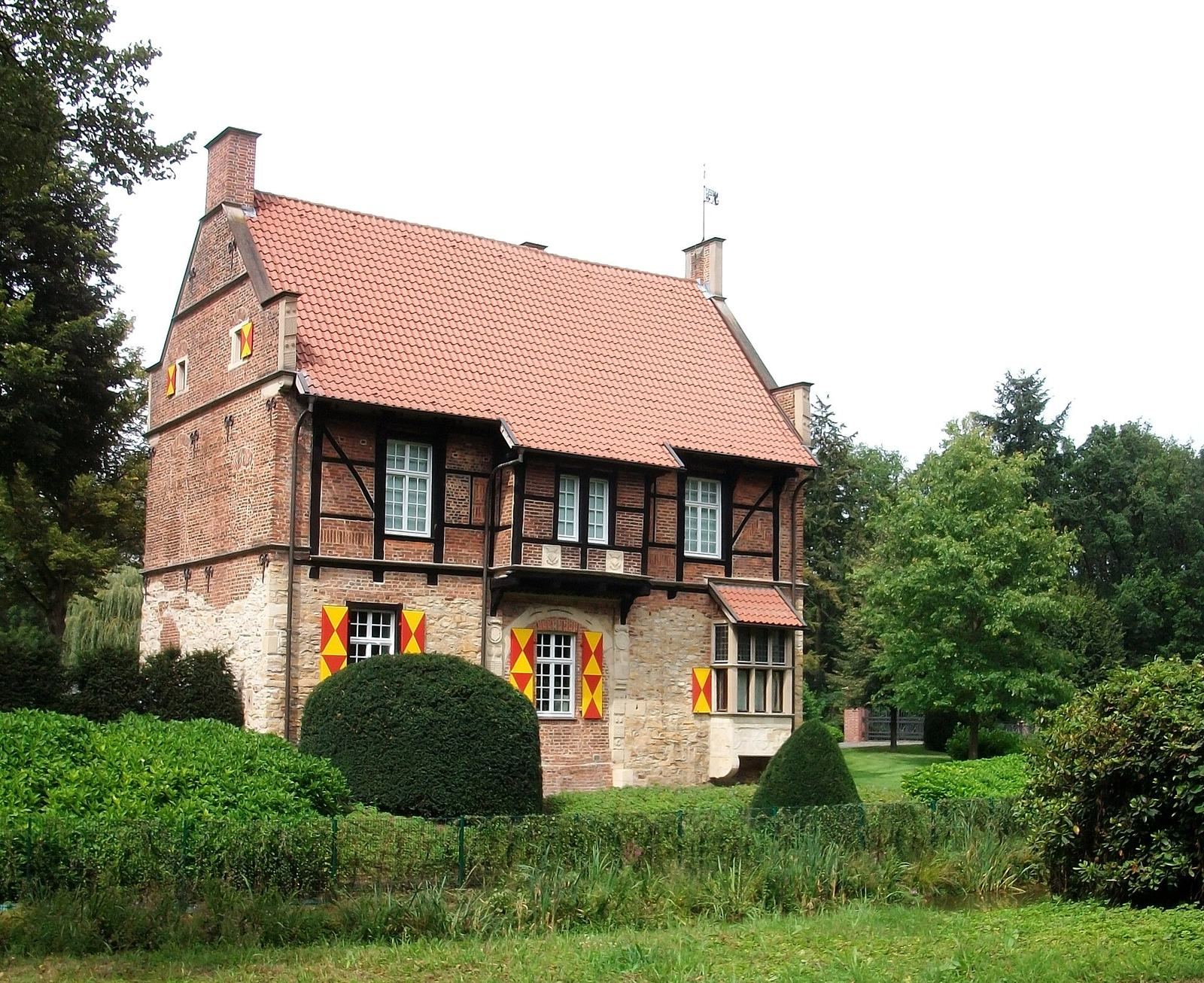
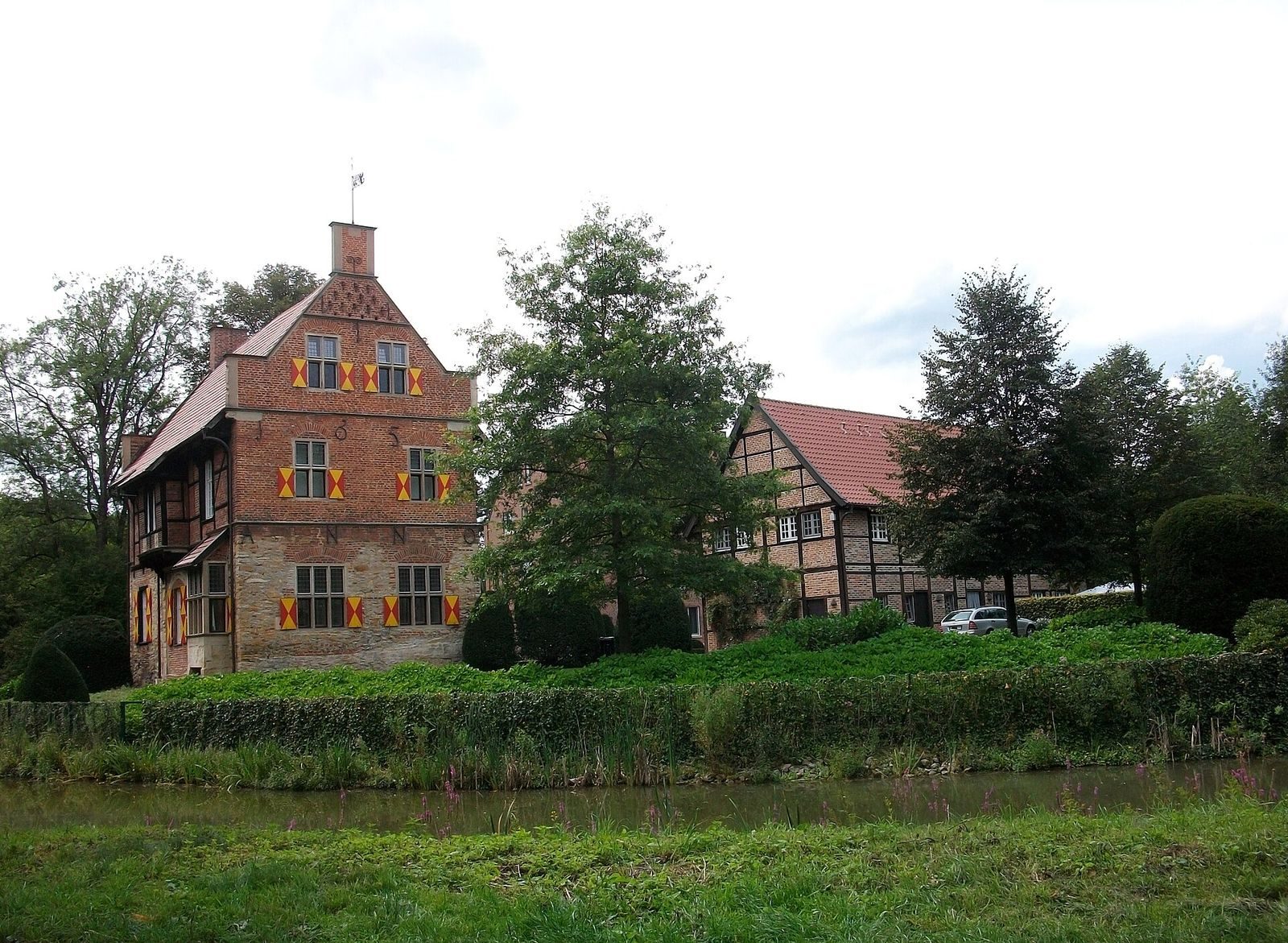
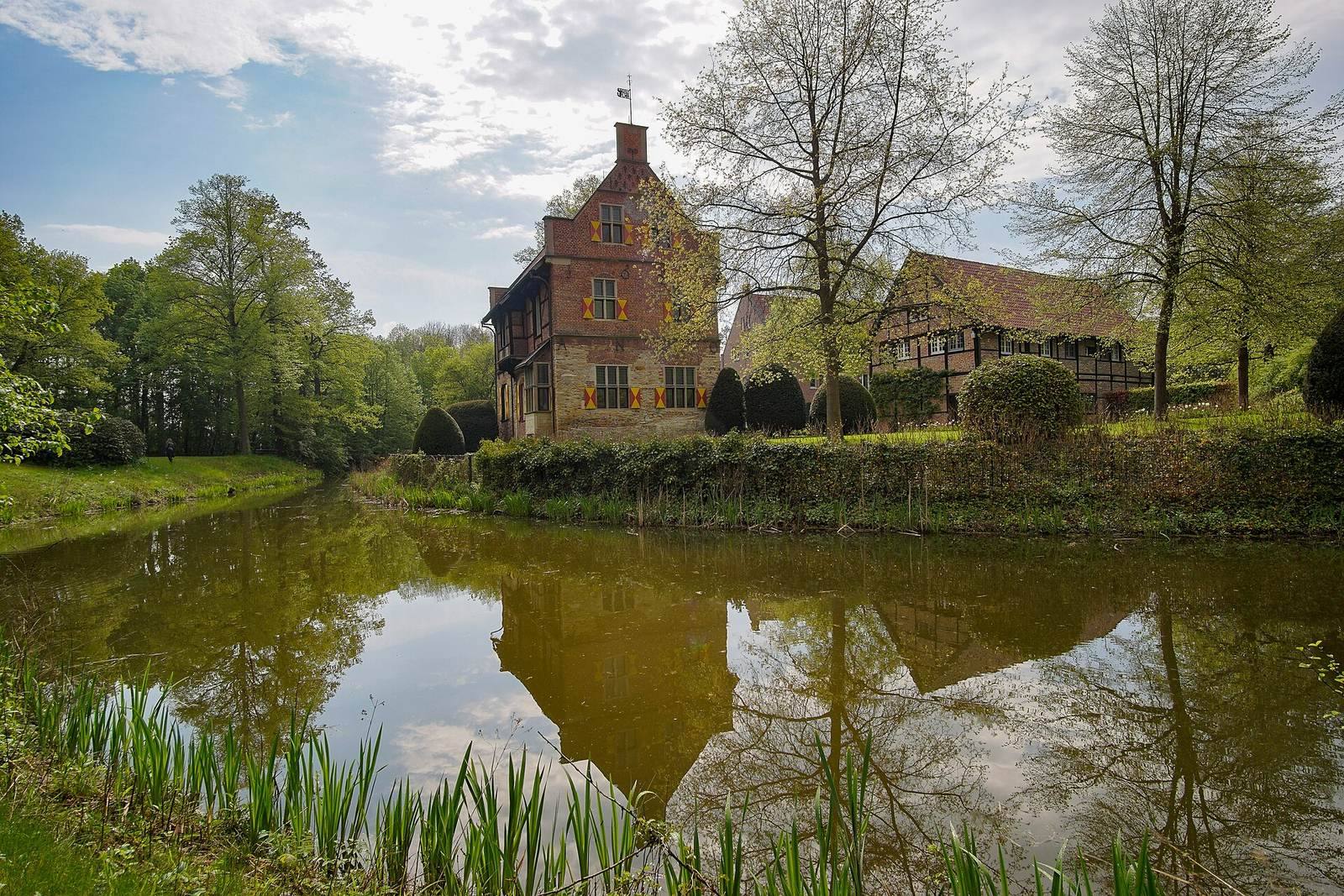
Parts of Haus Bisping’s moat survive alongside its gatehouse, which dates to 1651. The gatehouse is built of red brick and has yellow sandstone surrounds around its windows, a design commonly found in the Münsterland. The fully preserved moated castle Haus Borg lies within sight of Haus Bisping.