Brochel Castle: A MacLeod Stronghold on Raasay
Site at a Glance
- Popularity
- Medium
- Country
- United Kingdom
- Primary era
- Medieval
- Eras represented
- Medieval
- Civilizations
- Kingdom of Scotland
- Site type
- Military
- Remains
- Castle
On this page4 sections
History
MacLeod origins
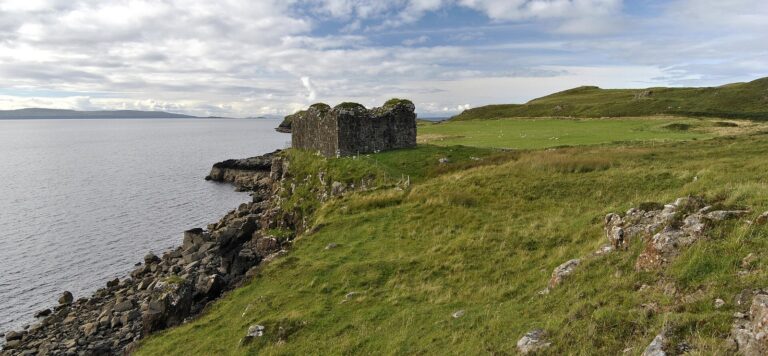
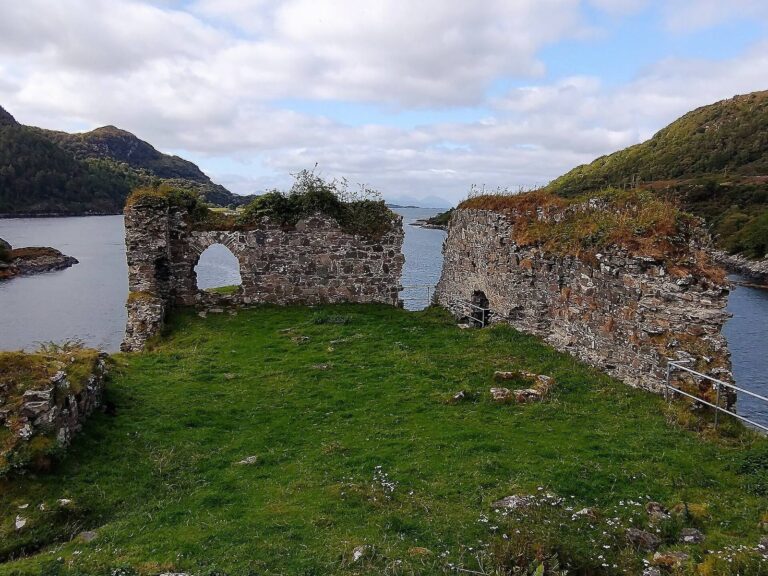
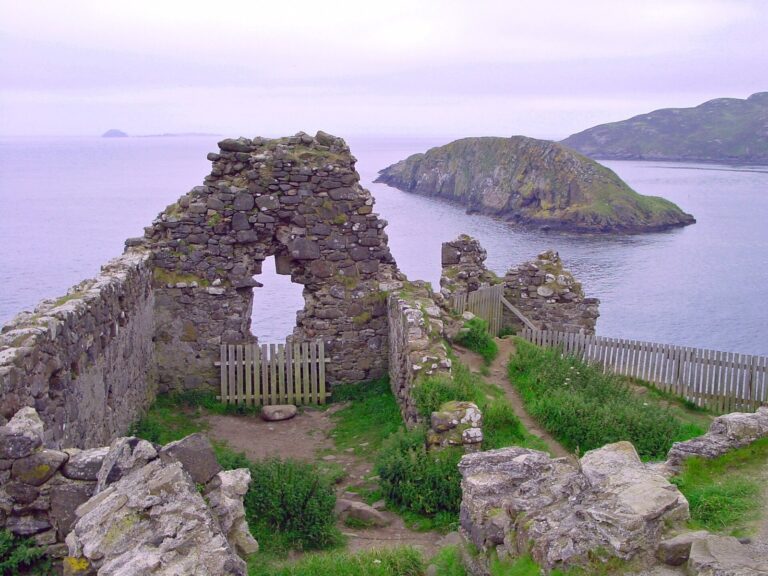
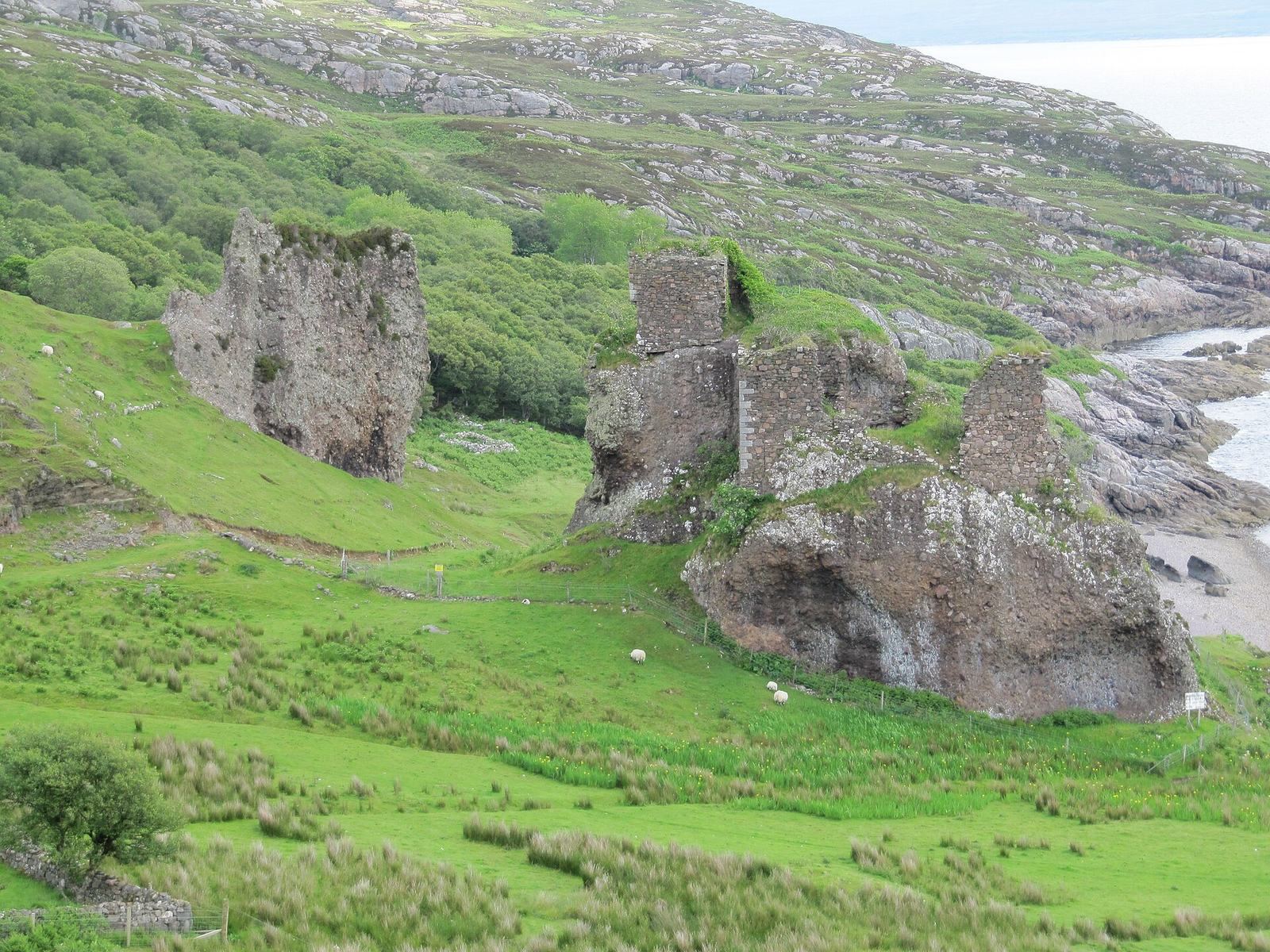
Brochel Castle is a ruin on the eastern shore of the Isle of Raasay in the United Kingdom, probably built by the MacLeods of Lewis in the 15th century. A castle stood here by 1549. Its construction is commonly linked to Calum Garbh, Raasay’s first MacLeod chief. A clan chief was the recognized leader of the clan. Calum, later known as Calum MacGilleChaluim, inherited Raasay and Rona from his father, Calum MacLeod, the ninth Chief of Lewis.
A local tradition offers a different kind of account of the castle’s beginnings. The Laird of Craignish, a Scottish landholder, promised a reward to anyone who identified his son’s murderer. After a MacLeod received the reward, guilt led him to hand the money to his chief, who then used it to build the castle.
Strategic role and abandonment
In the 17th century, Raasay served as an important boundary territory for the MacLeods, giving the castle strategic value. The clan left the building in 1671 for Raasay House, reportedly finding the castle uncomfortable to live in.
James Boswell, a Scottish writer and biographer, and Samuel Johnson, an English writer and lexicographer, visited the ruin during their journey through Scotland in 1773.
Remains
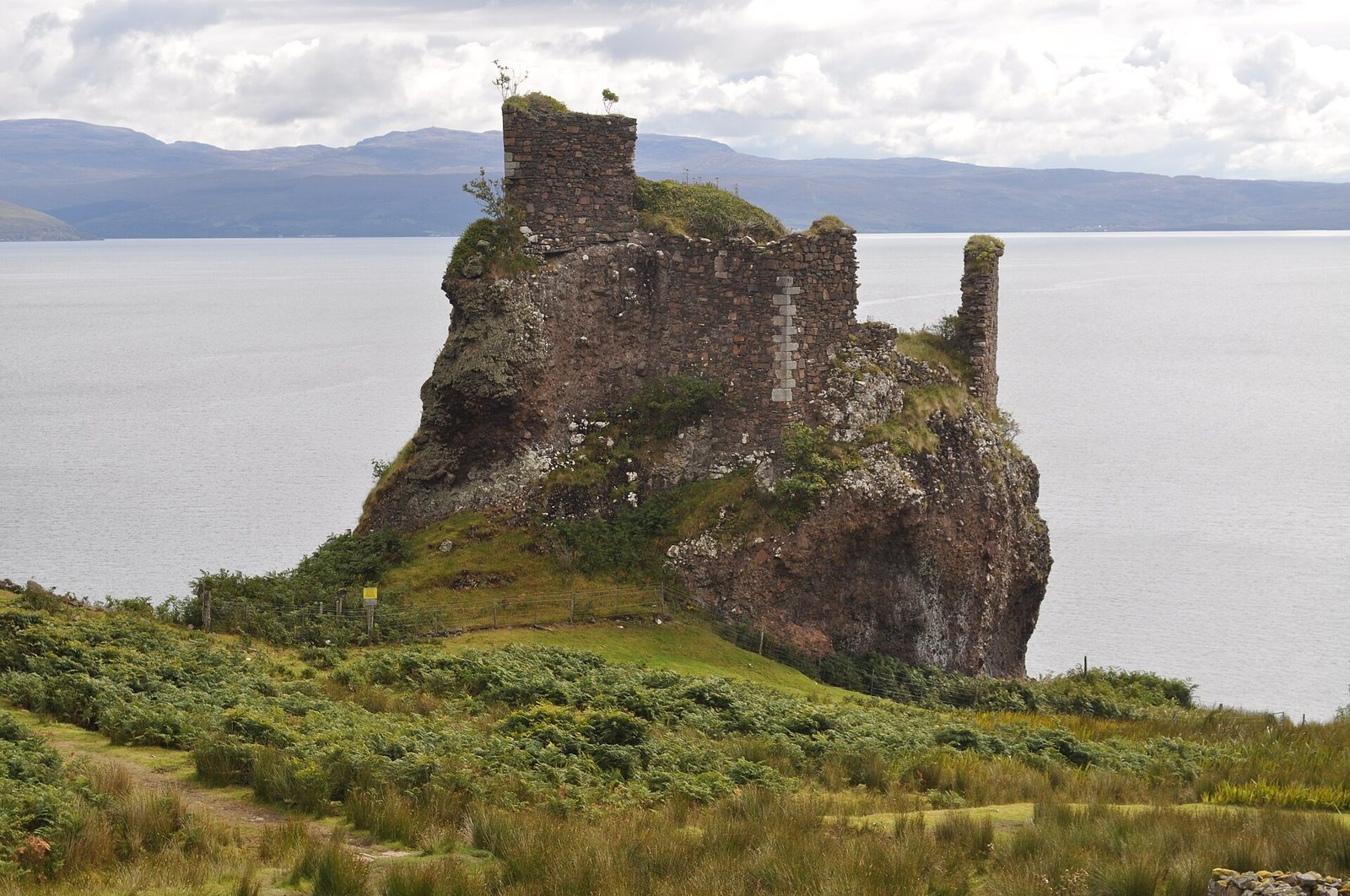
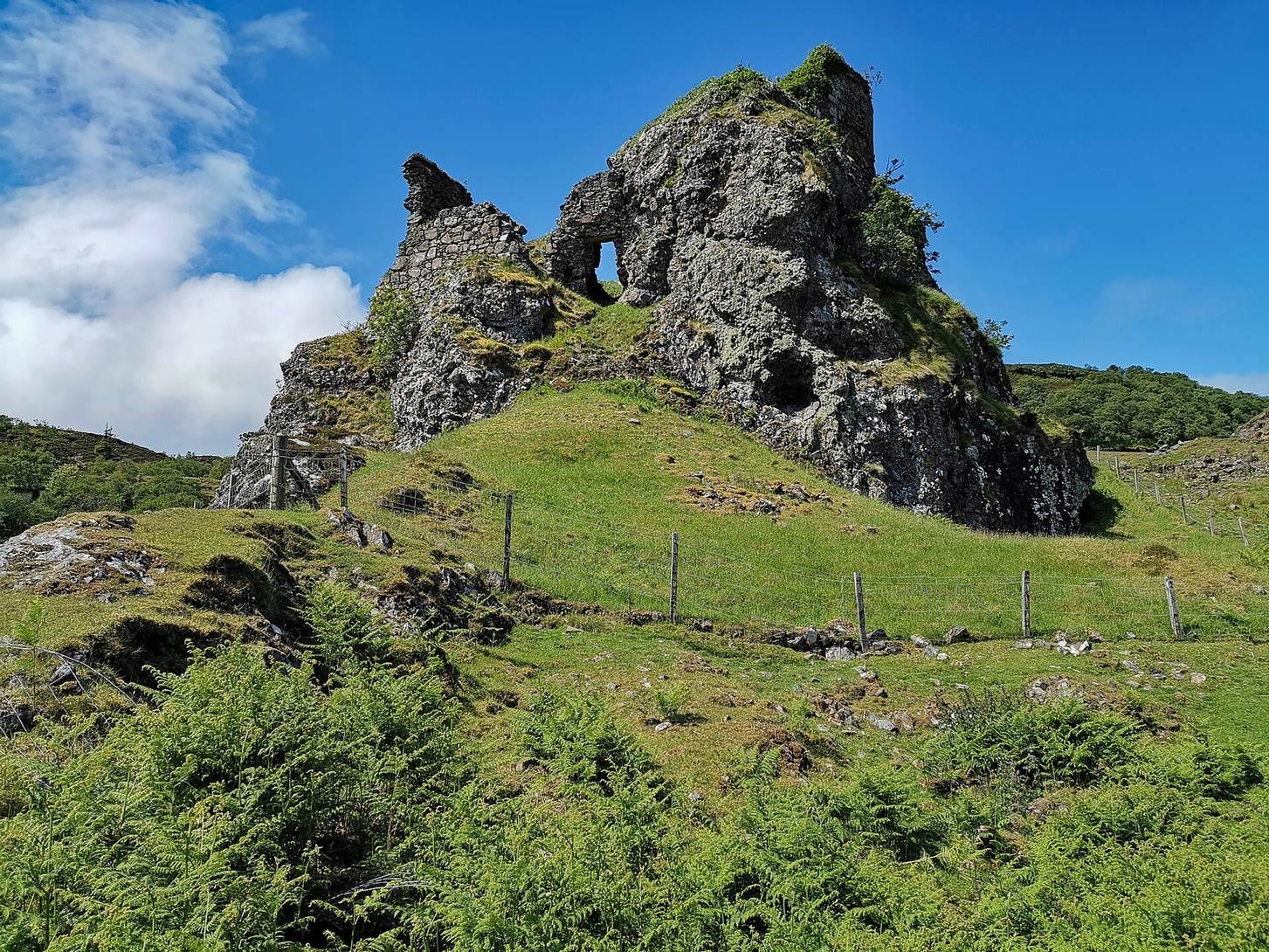
The ruined castle occupies a rocky pinnacle of volcanic origin, 15 metres above the sea on Raasay’s eastern, northeastern shore, about 8 km north of Inverarish. Sandstone and basalt are identified among its building materials. The surviving remains stand on the pinnacle, though the available description does not establish the arrangement of the buildings.
An 1819 aquatint, a printmaking process that produces tonal effects, by British artist and printmaker William Daniell depicts the castle. Daniell titled the image Castle Broichin on the Isle of Raasay.