Gripsholm Stone: A Viking-Age Memorial Runestone in Sweden
Site at a Glance
- Popularity
- Medium
- Country
- Sweden
- Primary era
- Medieval
- Eras represented
- Medieval
- Civilizations
- Swedish
- Site type
- Civic
- Remains
- Monument
On this page4 sections
History
The expedition and memorial
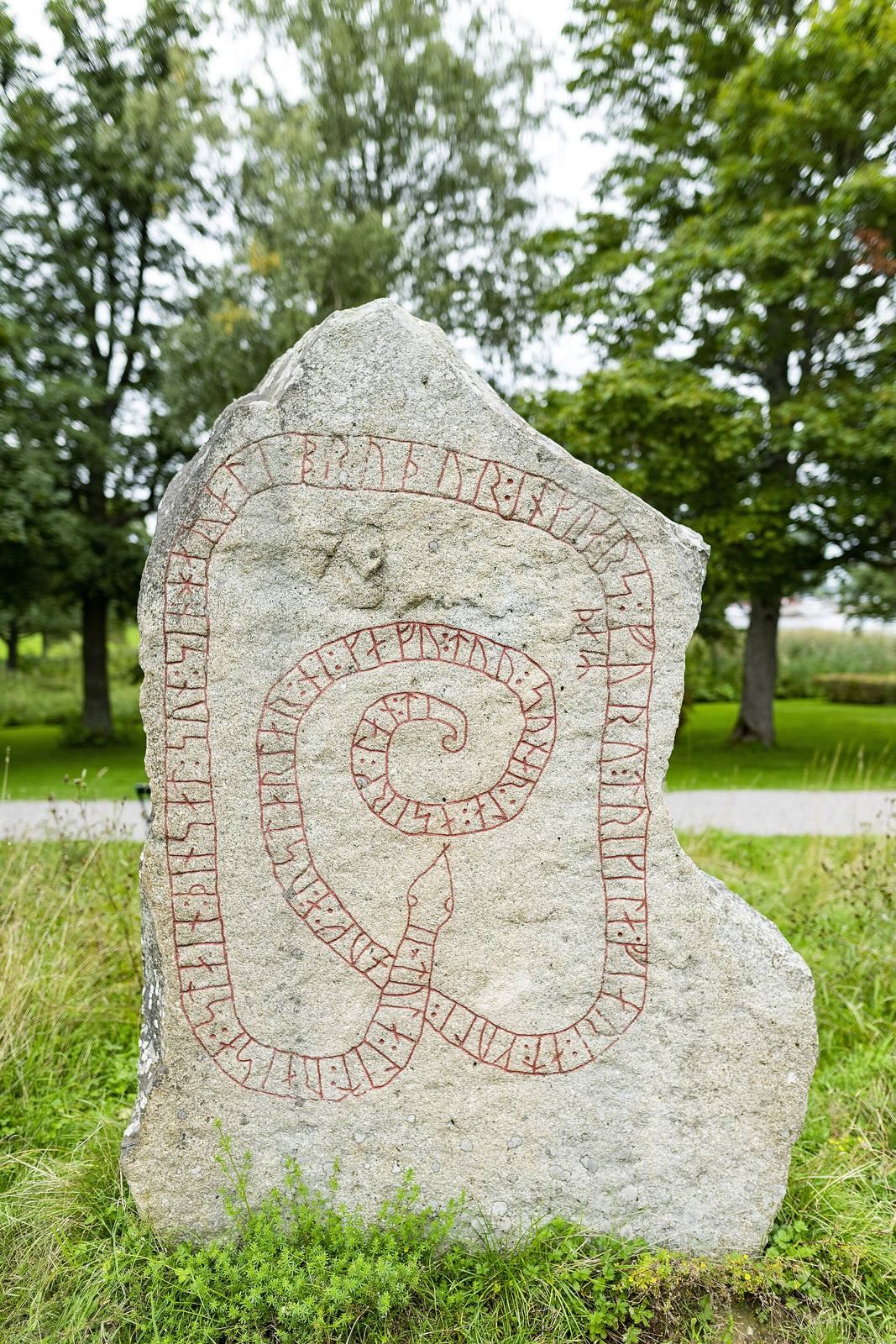
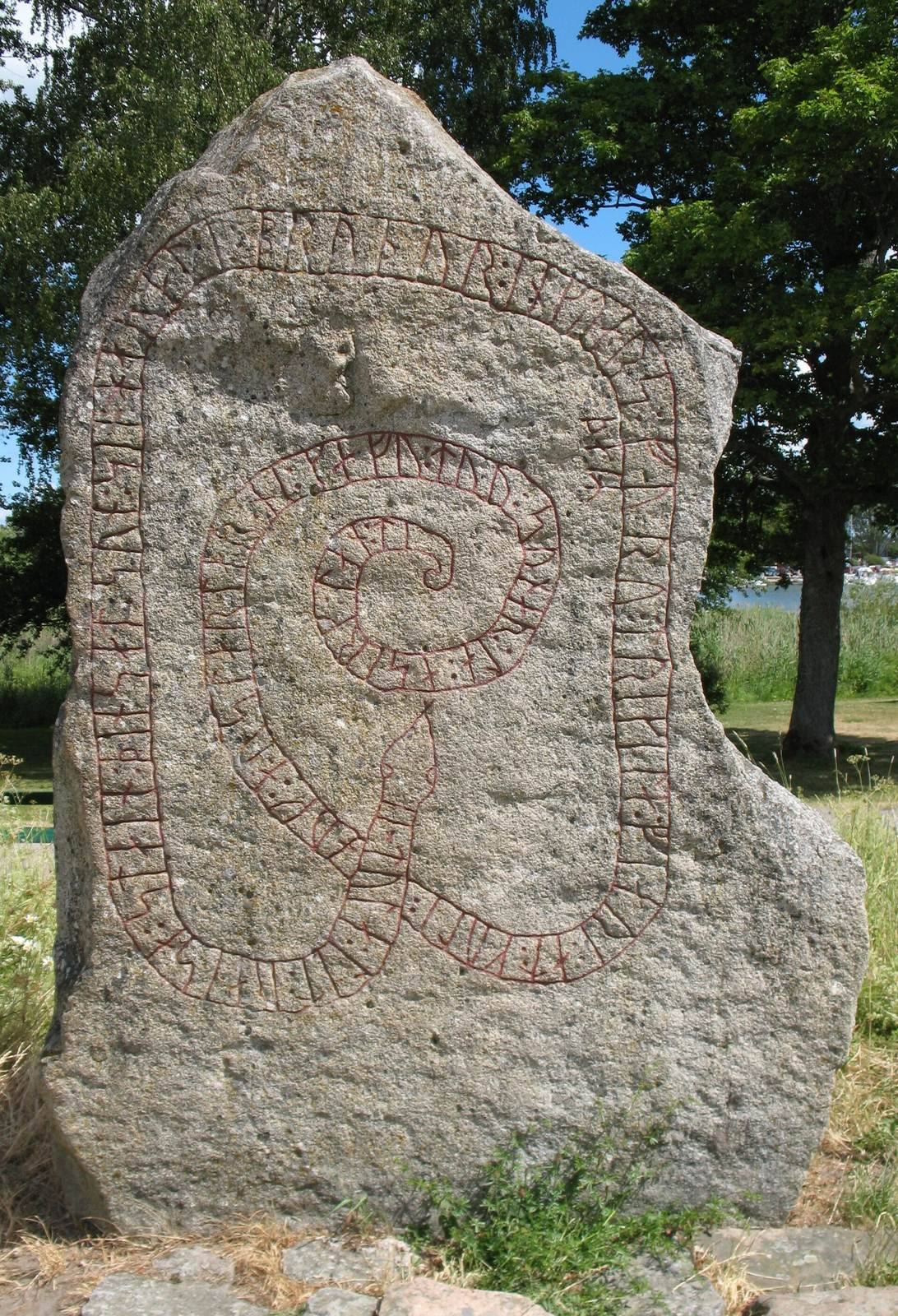
The Gripsholm stone is a granite runestone in Mariefred, Sweden, raised in the mid-eleventh century to commemorate Harald, whom its inscription links to Ingvar the Far-Travelled’s eastward expedition. It belongs to the Viking Age, the early medieval period of Scandinavian seafaring and expansion, and is one of the best-known Ingvar Stones, memorials to people who died on the expedition of 1036–1041.
The inscription says that Tola commissioned the stone for her son Harald, whom it calls Ingvar’s brother. The exact relationship is uncertain. Harald may have been Ingvar’s half-brother if Tola was a concubine of Ingvar’s father, or the word “brother” may have meant a companion-in-arms. The Gripsholm stone may also have had a counterpart dedicated to Ingvar, but that stone is now lost.
The verse says the travelers went east seeking wealth and “feeding the eagle,” a poetic way of describing the killing of enemies. It places their deaths in Serkland, a medieval Scandinavian term for lands associated with the Saracens. Ingvar’s saga relates that, of nearly 30 ships, only one returned to Sweden in 1042 with news of the expedition.
Movement and rediscovery
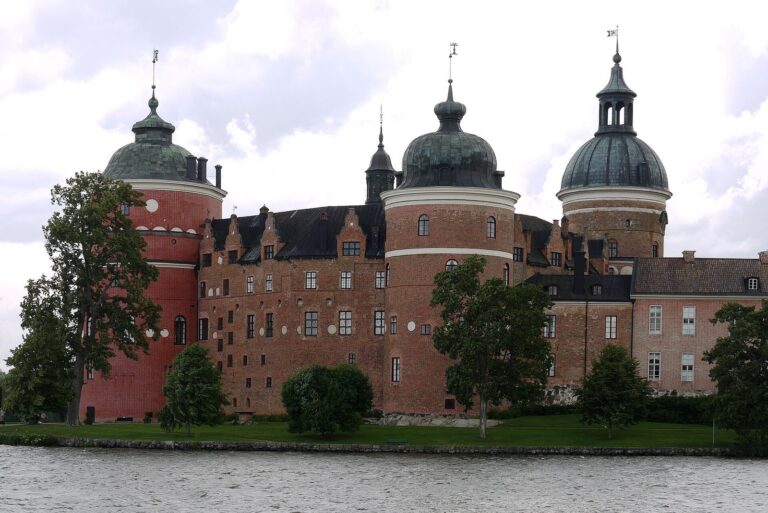
The stone had earlier been at a Carthusian monastery, a house of a Christian monastic order in Mariefred. The monastery was demolished during the Reformation, a period of major religious change in Europe, and its building material was reused for Gripsholm Castle. The stone probably reached the castle in the sixteenth century.
In 1827, the runic-writing scholar Johan Gustaf Liljegren found the stone inside the castle. It was taken from the floor in 1930 and moved to its present position; where it originally stood remains uncertain.
Remains
The granite stone now stands by the entrance to Gripsholm Castle. Together with the nearby runestone Sö 178, it flanks the approach closest to the castle. The stone had been coated with tar and used as the entrance threshold of the castle’s eastern tower, also known as the Theater Tower; both ends were set beneath the doorway’s side walls.
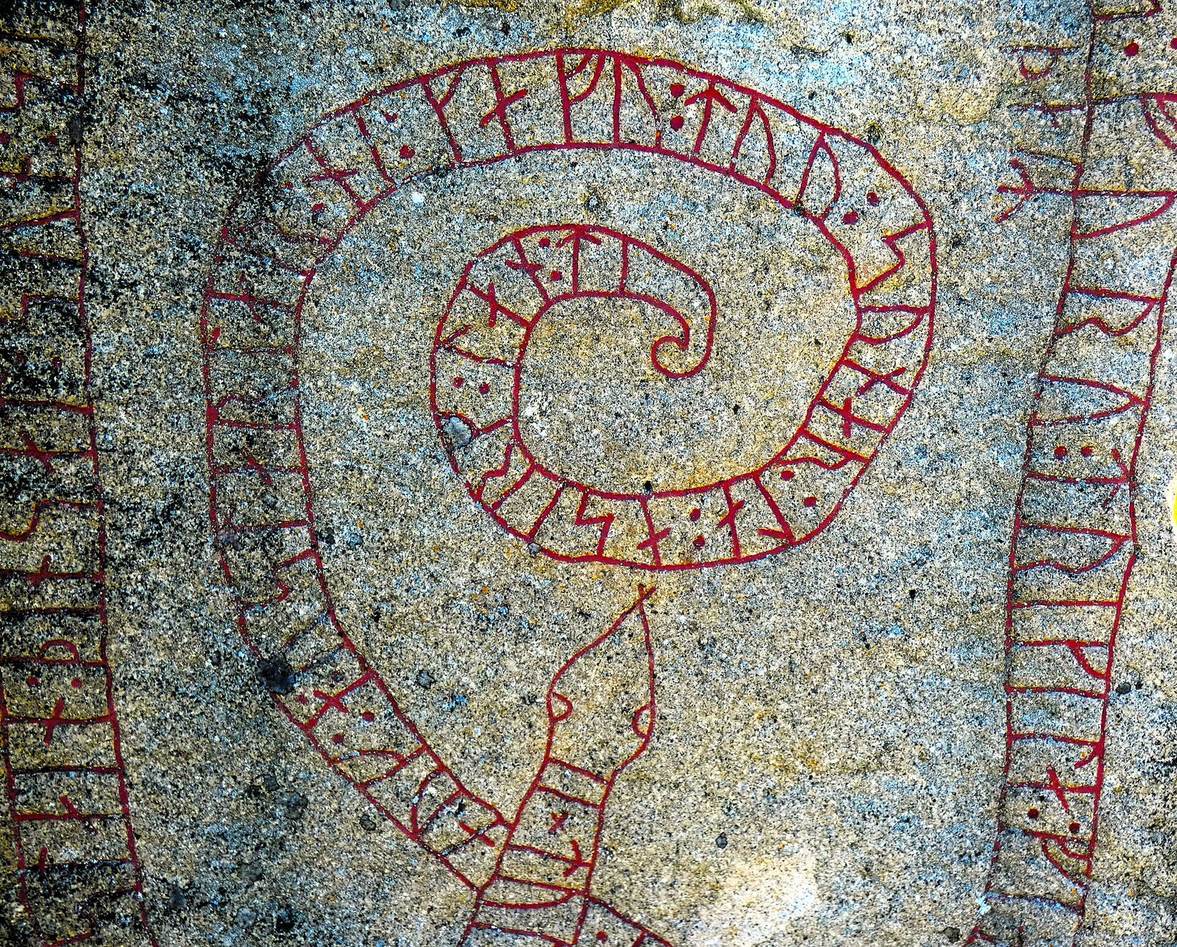
Its runic band shows a single serpent-headed animal spiraling toward its own tail. The inscription is arranged as a verse stanza in fornyrðislag, an Old Norse alliterative verse form. The stone bears no signature, but its carver is identified as Äskil 2.