Anta de Agualva: A Prehistoric Passage Tomb in Portugal
Site at a Glance
- Popularity
- Low
- Country
- Portugal
- Primary era
- Stone Age
- Eras represented
- Stone Age
- Civilizations
- Unclassified
- Site type
- Burial
- Remains
- Tomb
On this page6 sections
History
Prehistoric use
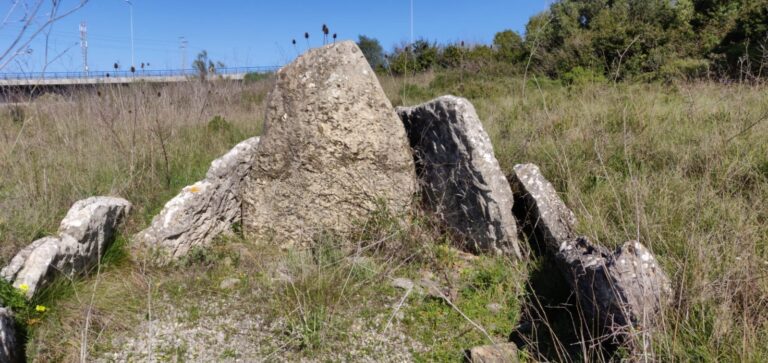
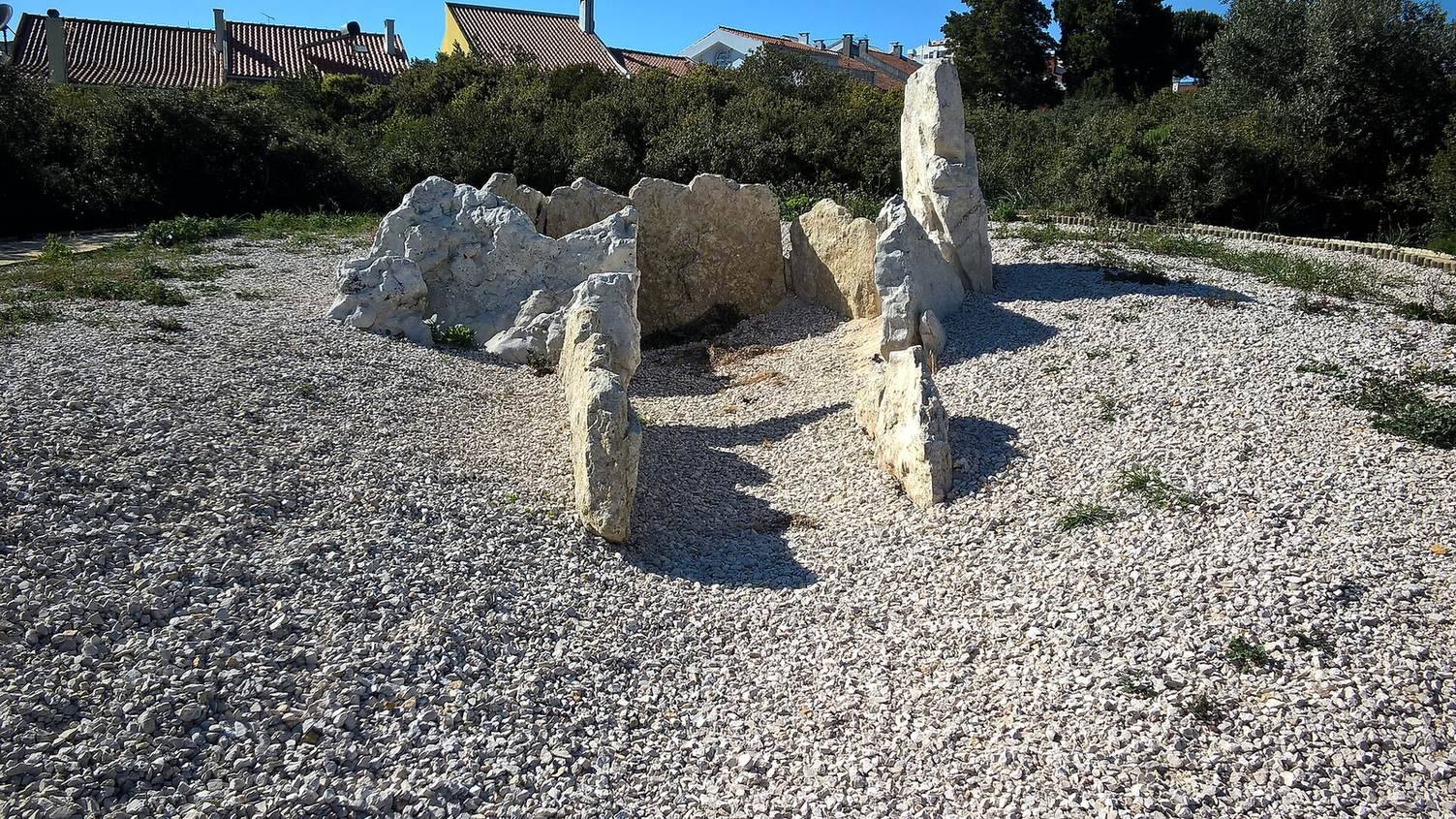
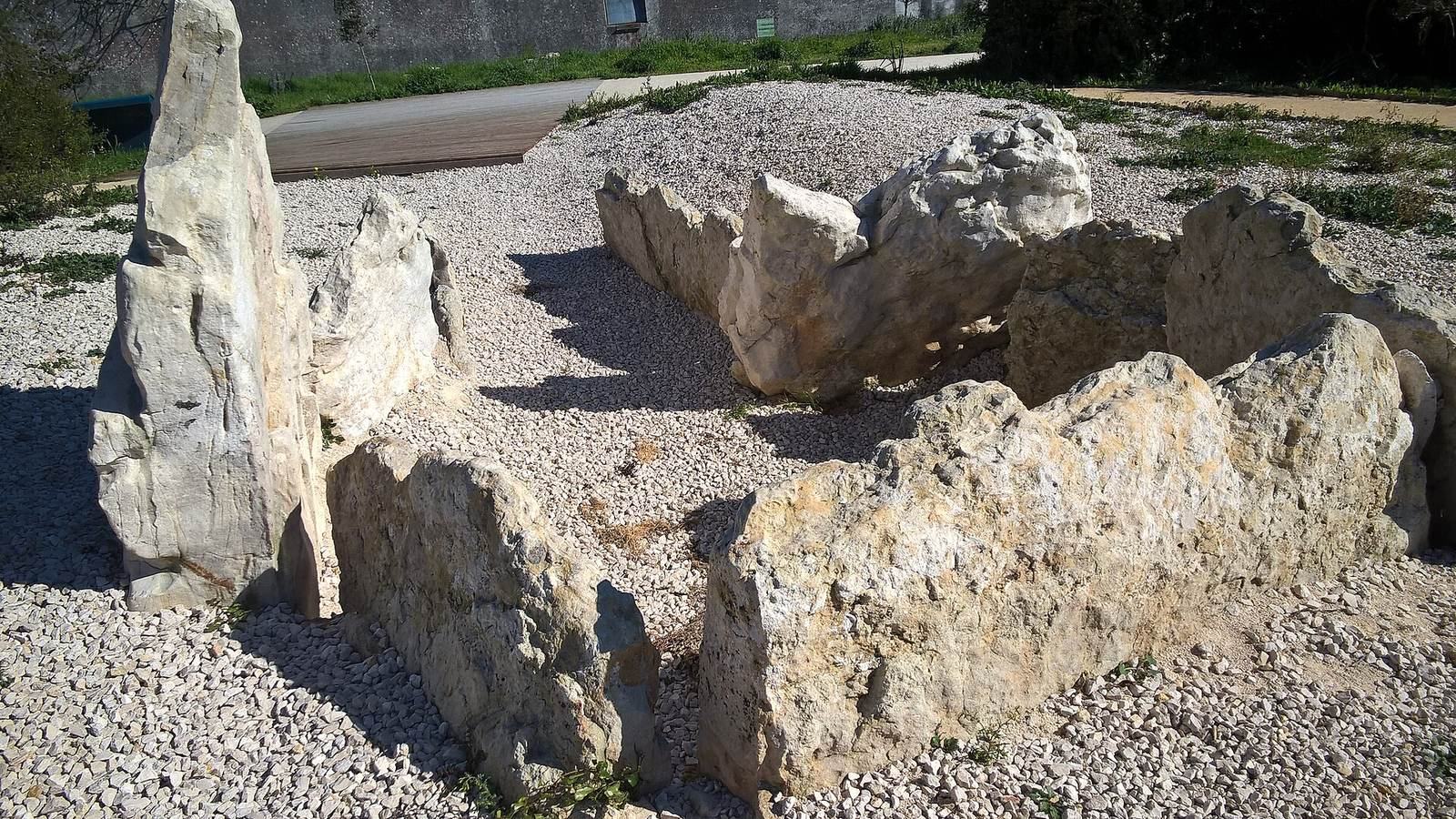
Anta de Agualva, also known as Anta do Carrascal, is a prehistoric passage tomb in Agualva-Cacém, Portugal. Built around 3250 BC, its chamber was used from the middle to the end of the fourth millennium BC. Further funerary deposits may have been placed in the access passage during the second half of the third millennium or in the second millennium BC. The tomb was heavily damaged and robbed in antiquity.
Excavation and protection
Carlos Ribeiro identified and excavated the tomb in 1875. In 1944, Georg and Vera Leisner prepared a new plan similar to Ribeiro’s, and Veiga Ferreira carried out further excavations in 1958. The monument received protection as a National Monument in 1910.
Overgrown vegetation and expanding urban development threatened the tomb. In 1994, the Archaeological Museum of São Miguel de Odrinhas carried out safeguarding work that included clearing vegetation. A park established around the monument in the early 2000s helped protect it; the park, called Jardim da Anta and also known as Parque da Anta, opened in 2004. Sintra City Council began preservation and restoration work in 2017, and the monument was formally inaugurated that April.
Remains
Tomb structure
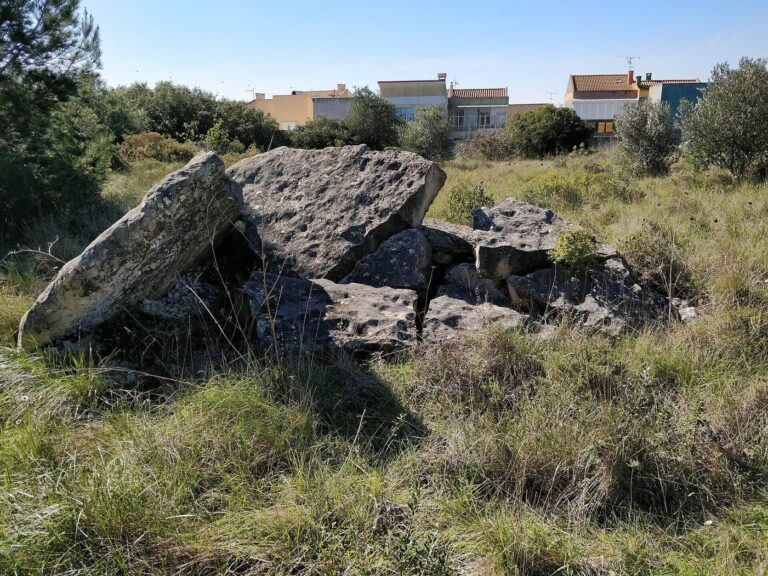
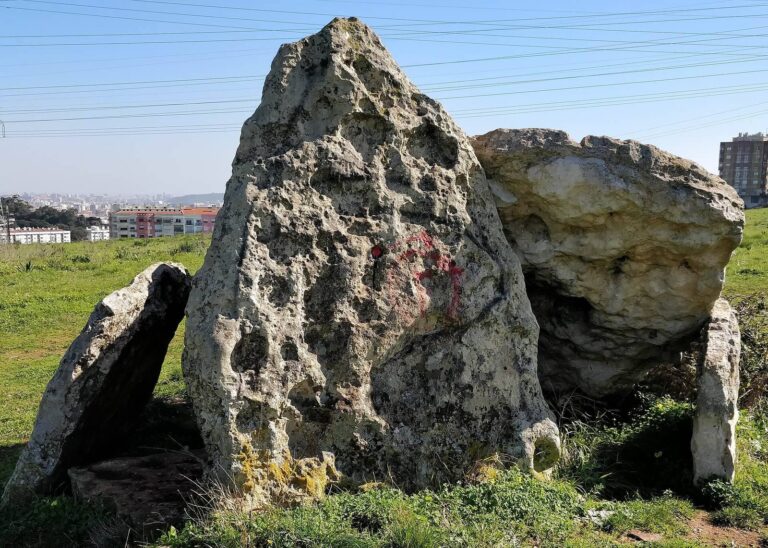
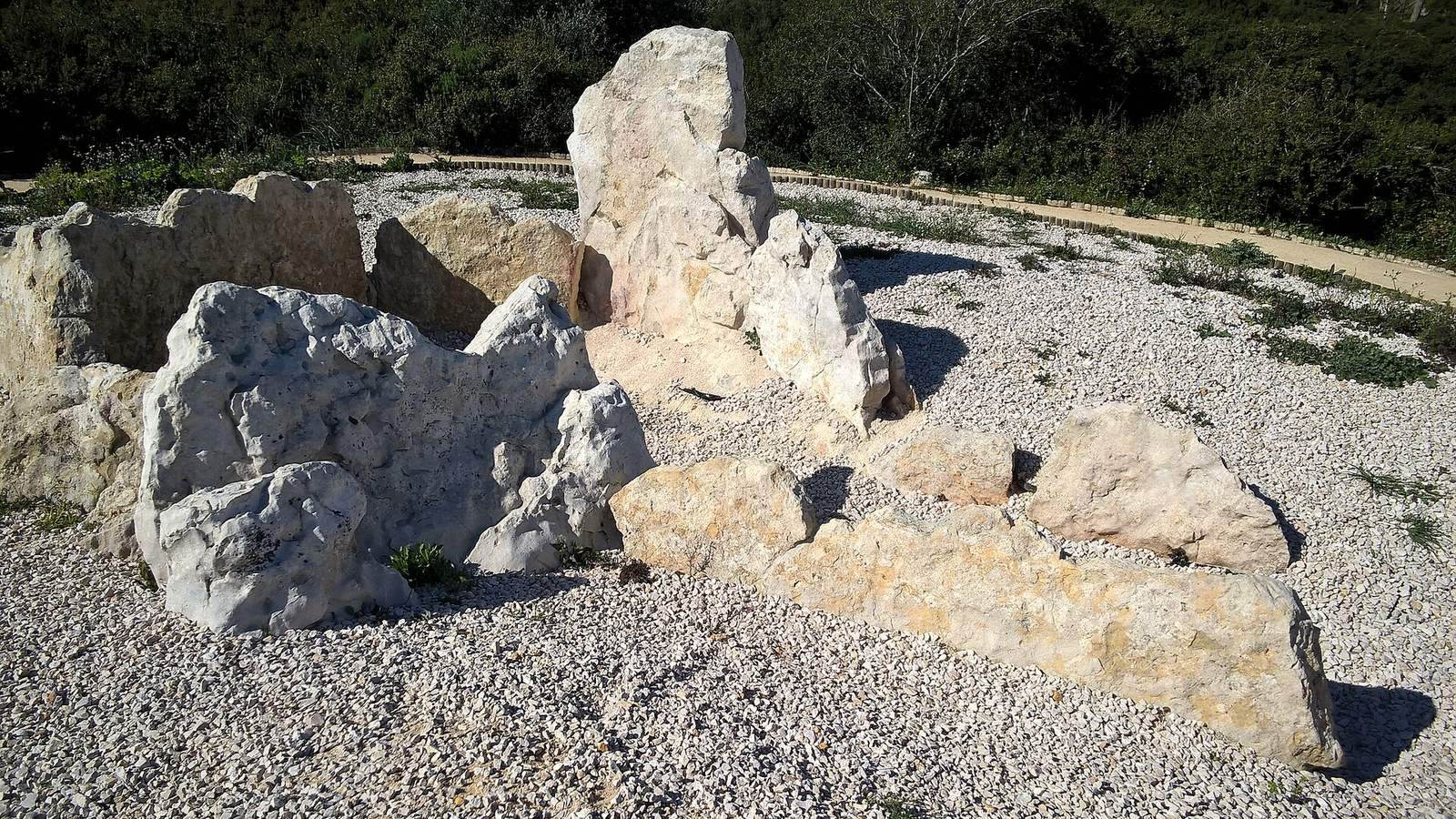
Set within a landscaped park in the urban area of Agualva-Cacém, the tomb has a polygonal chamber and an access passage. The chamber measures about 3.7 by 3.8 metres and is formed by seven upright limestone support stones that remain in their original positions. Three slabs survive from the passage, along with three large stone fragments that may have come from the former capstone. Evidence indicates that an earthen mound once covered the tomb. The support stones were set in foundation trenches dug into comparatively workable ground.
Excavated finds
Excavation recovered a small quantity of pottery fragments, flint tools, human teeth, and bones. Some of these finds are held at the Geological Museum in Lisbon.