Mariefred Church: A Parish Church in Sweden
Site at a Glance
- Country
- Sweden
- Primary era
- Early Modern
- Eras represented
- Early Modern, Modern
- Civilizations
- Swedish
- Site type
- Religious
- Remains
- Church
On this page13 sections
History
Monastery and church foundation
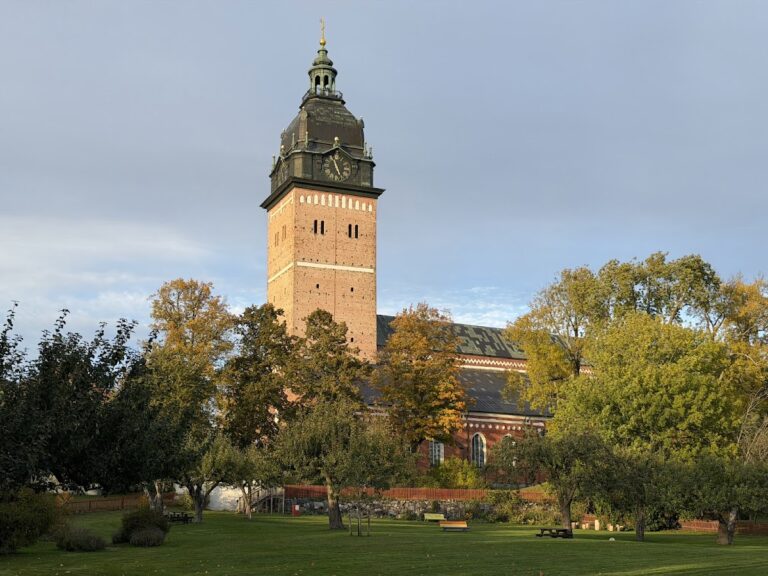
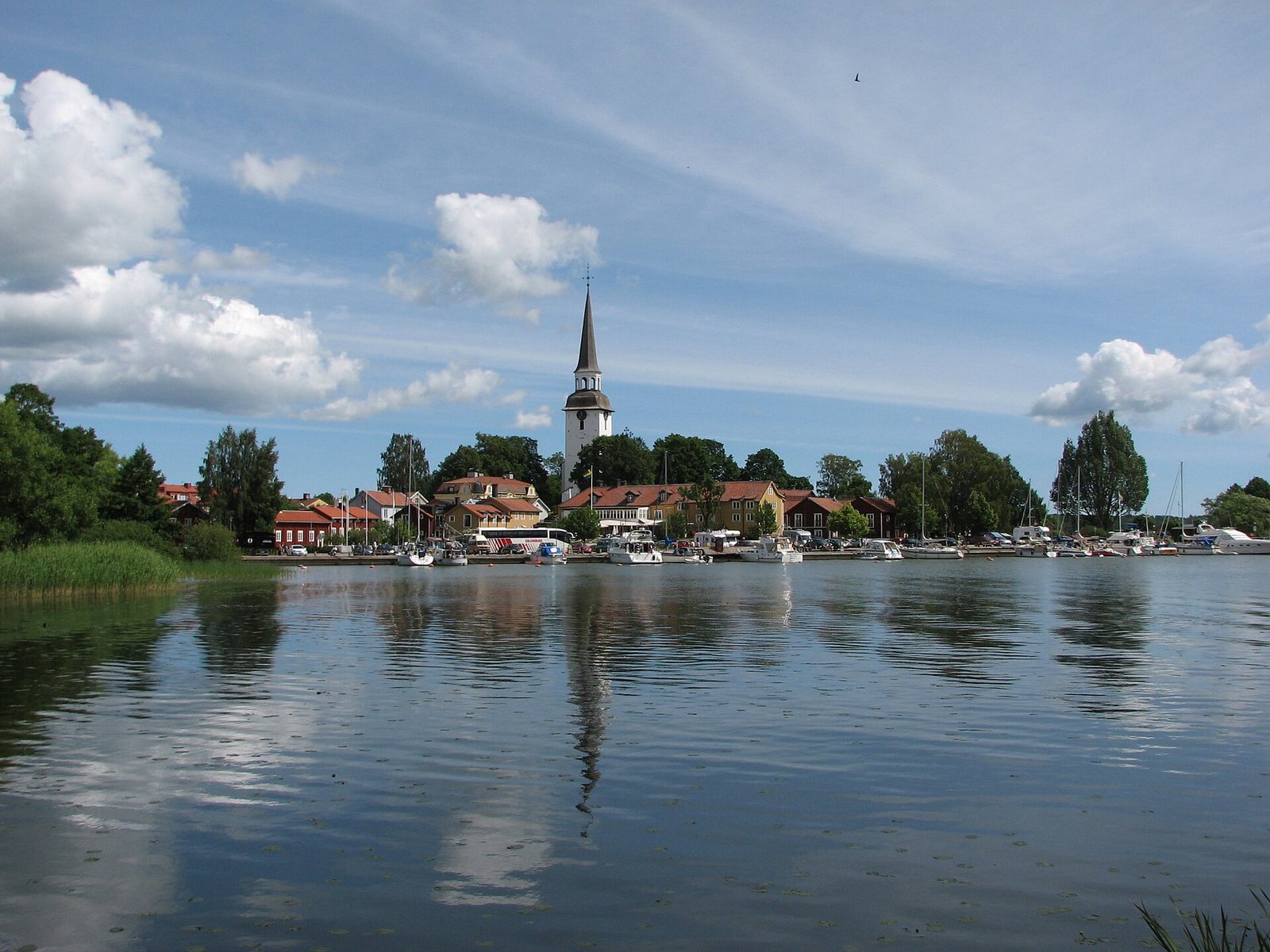
Mariefred Church is a stone church in Mariefred, Sweden, built in 1621–1624 over the remains of a Carthusian monastery. The Carthusians were a Catholic monastic order whose tradition emphasized solitary, contemplative religious life. Their monastery occupied the site from 1493 to 1527. Its name meant “Monastery of Mary’s Peace,” and the Swedish name Mariefred derived from it; the town later took that name.
Rebuilding and parish use
A fire destroyed the church in 1682. With support from Queen Hedvig Eleonora, it was rebuilt, completed, and consecrated in 1697. An angled wing containing a royal gallery was added to the south side in the 1710s.
The church serves Mariefred parish and belongs to the Church of Sweden, the country’s Lutheran church, and the Diocese of Strängnäs, an ecclesiastical administrative district.
Remains
Building and layout
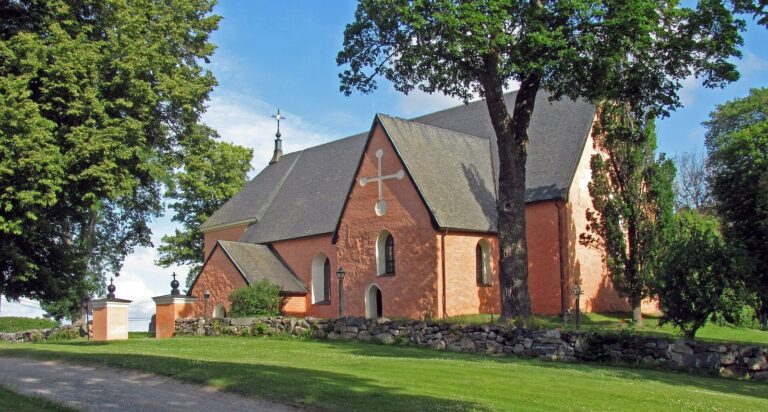
The stone church has a single nave, the main body of the building, with round-arched windows. A polygonal chancel, the area around the altar, stands at the east end; a pointed tower marks the west end, and a sacristy, a room for clergy and liturgical objects, is on the north side. Three vaults cover the nave and were formed during the rebuilding. The angled wing on the south side incorporates the royal gallery.
Interior furnishings
Medieval objects
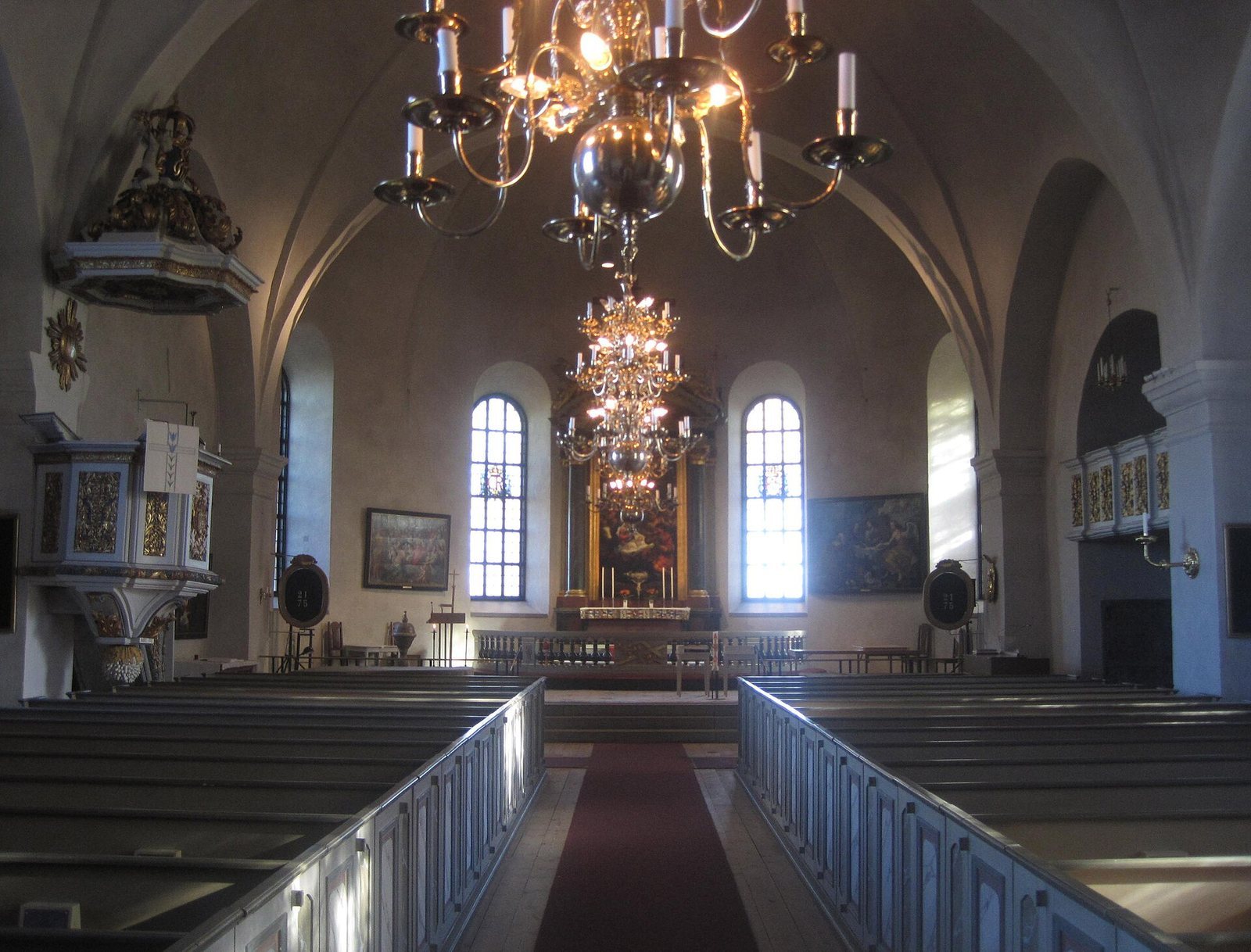
The furnishings include a 15th-century chasuble, an outer vestment worn by a priest during worship, embroidered in the workshop of Albertus Pictor, a late-medieval Swedish painter. A hardwood triumphal crucifix, a large crucifix traditionally placed above the entrance to a chancel, was made around 1500 in a workshop in the Mälaren region. It probably came originally from Kärnbo Church.
Altar, pulpit, and pews
The altar retable, an ornamental structure placed behind an altar, was made in 1690 by Stockholm sculptor Caspar Schröder. The pulpit dates from 1701 and bears Queen Hedvig Eleonora’s carved coat of arms. The doors on the two foremost blocks of pews date from 1697.
Paintings
The church’s oil paintings include works by the Swedish painter Georg Engelhard Schröder. Most of its artworks came from Ulriksdal Palace, a royal residence near Stockholm.
Organs
The 1787 organ
An organ probably stood in the church before the 1682 fire and was destroyed in it. Stockholm organ builder Olof Schwan made a replacement in 1787 for the west gallery. It had one keyboard, eight stops that controlled sets of pipes, and an attached pedalboard. Its façade is in the Rococo style, an ornate European style prominent in the 18th century.
Later instruments
Åkerman & Lund of Stockholm built an organ in 1887 with 11 stops, two keyboards, and a pedalboard. In 1935, Olof Hammarberg of Gothenburg made a pneumatic organ, whose mechanisms were operated by air pressure. It had 21 stops, three keyboards, and a pedalboard, with the pipes for the third keyboard positioned behind the other sections. Mats Arvidsson built a mechanically operated organ in 1982, with 21 stops, two keyboards, and a pedalboard; its sound was inspired by Schwan’s organs.
Choir organ
A small mechanical choir organ supplied by Bruno Christensen & Sønner Orgelbyggeri in 1977 was moved to Mariefred burial chapel in 2004. A digital organ replaced it in the church.