Greifenstein Castle: A Medieval Pair of Hilltop Fortresses in Germany

Site at a Glance
- Rating
- 4.6
- Popularity
- Medium
- Country
- Germany
- Primary era
- Medieval
- External website
- Open
- Eras represented
- Medieval
- Civilizations
- Holy Roman Empire
- Site type
- Military
- Remains
- Castle
On this page5 sections
History
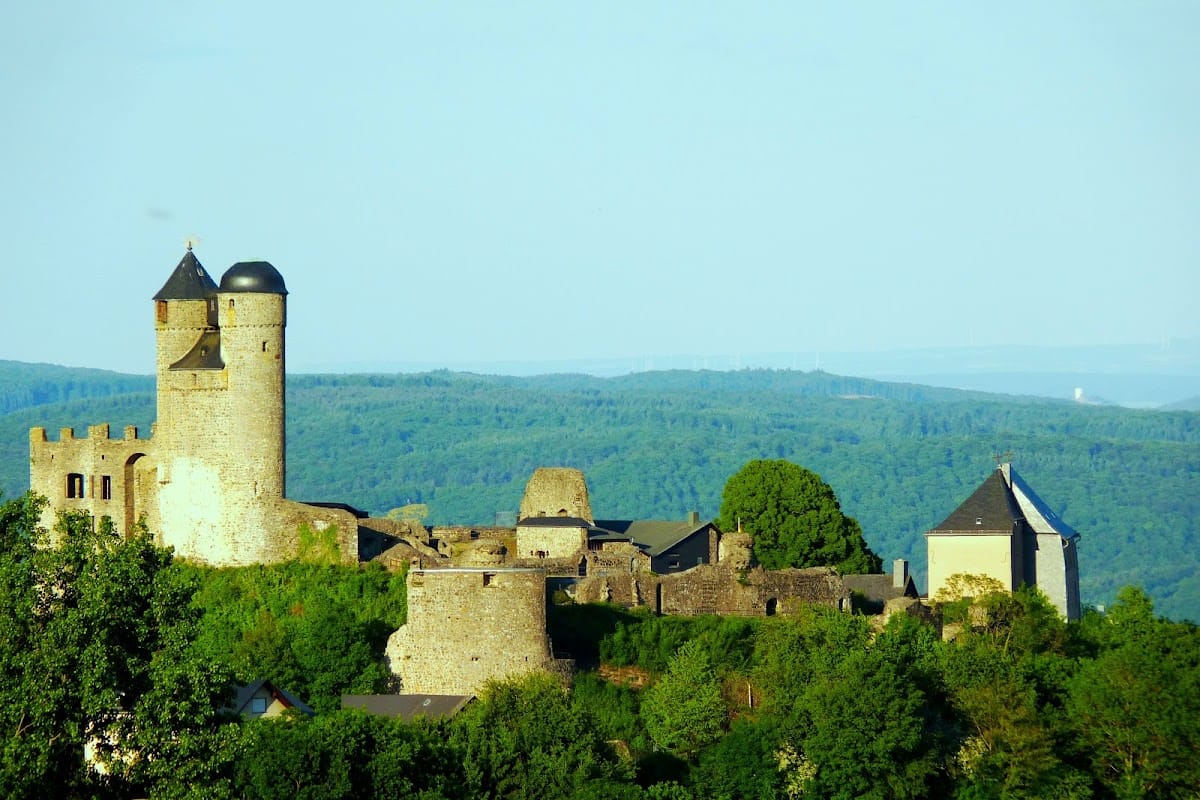
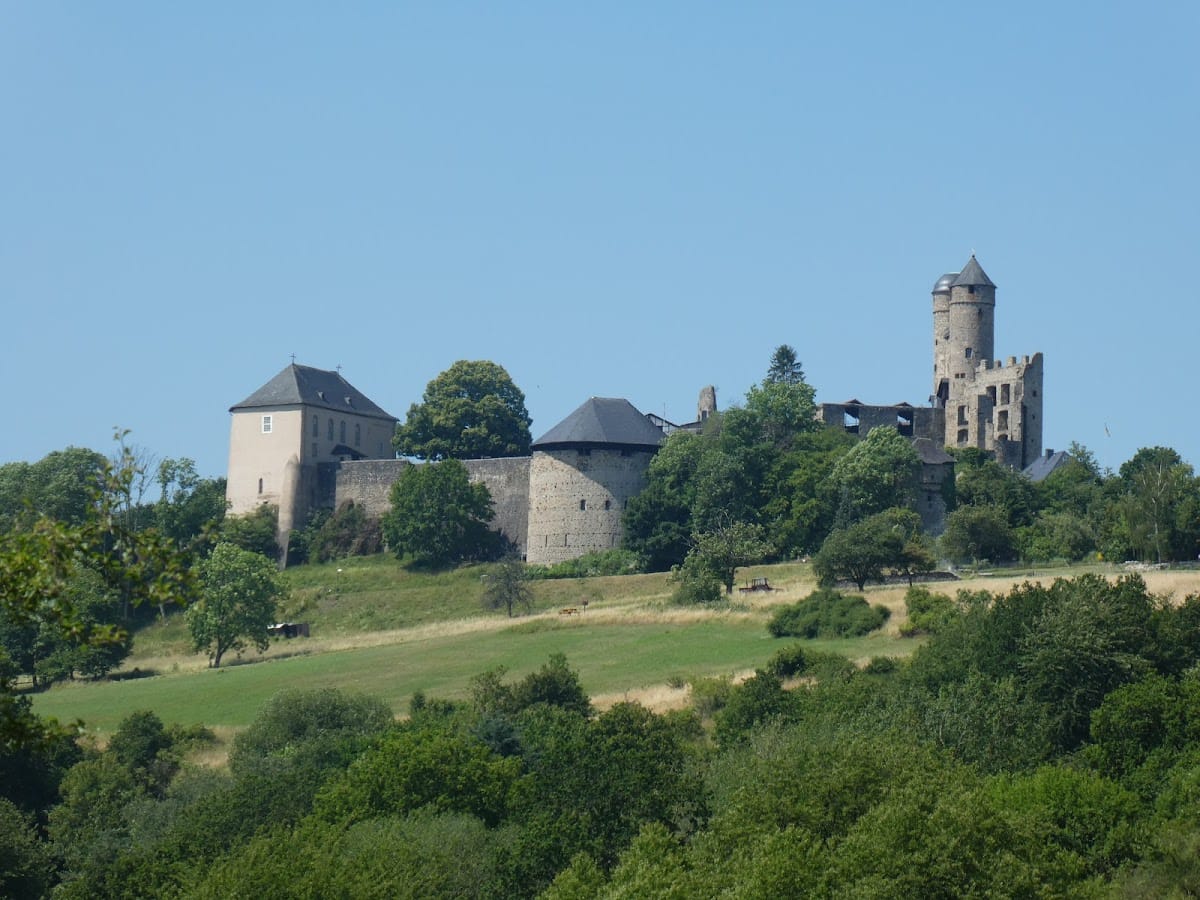
Greifenstein Castle in Germany was a group of two noble hilltop castles built in the twelfth century to secure the surrounding valleys. The castles, known as Untergreifenstein and Obergreifenstein, occupied a rocky site above the Holzelfinger Valley near Lichtenstein in southwestern Germany.
Untergreifenstein was built first, while Obergreifenstein followed several decades later on a site approximately 100 metres higher. Knights of Greifenstein appear in written evidence in 1187, when Bertholdus de Grifinstain witnessed a document issued by Duke Friedrich VI of Swabia. Swabia was a historical region of southwestern Germany whose dukes were major medieval territorial rulers.
Both castles were destroyed in 1311 during the Imperial War of 1311–1312. By 1355, the castle group was in the possession of Württemberg. Greifenstein is associated with Holzelfingen, whose coat of arms consequently includes a griffin.
Remains
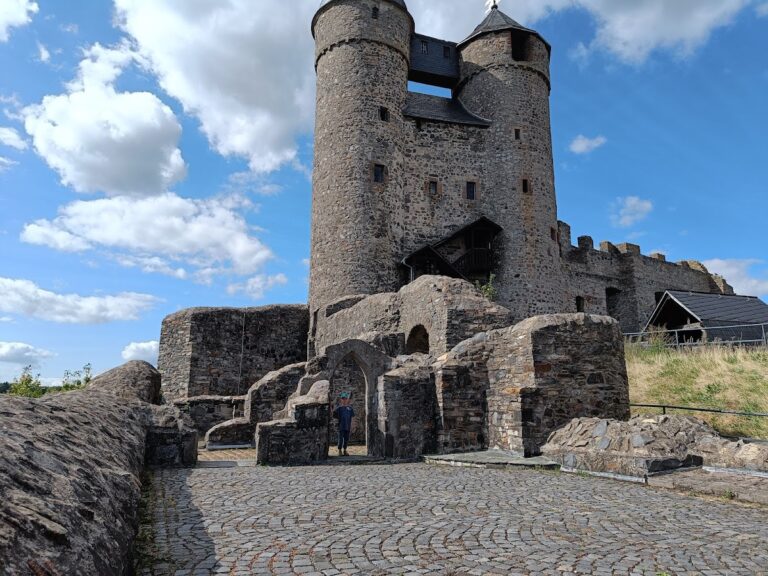
The two castles occupy rocky ground at approximately 755 metres above sea level. Their masonry combines small-block construction with dressed stone, while the surviving remains preserve different parts of the two fortifications. Obergreifenstein stands above Untergreifenstein, and the lower castle lies on a narrow rock approximately 150 metres to its west.
The two castle sites
Obergreifenstein
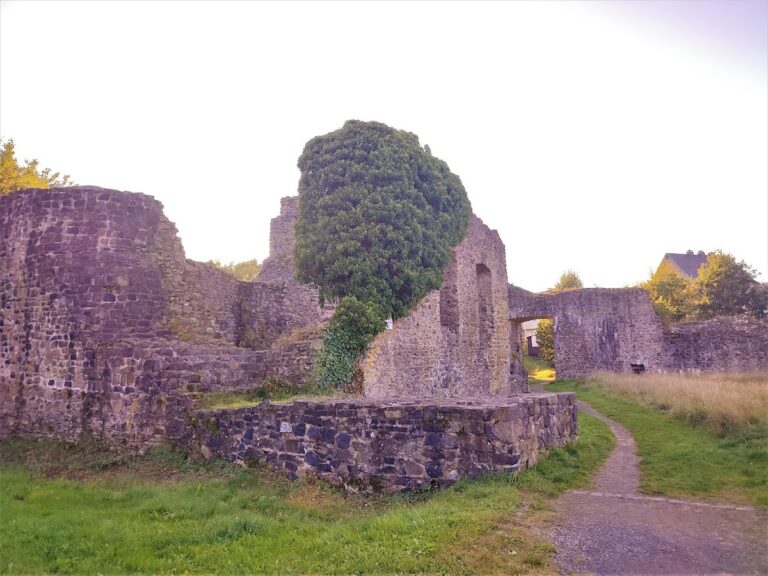
At Obergreifenstein, the keep stood directly behind the castle ditch. Residential quarters, a storehouse, and a dungeon were arranged around it. Portions of the ring wall also survive. A ring wall is the defensive perimeter wall enclosing a castle or fortified settlement.
Untergreifenstein
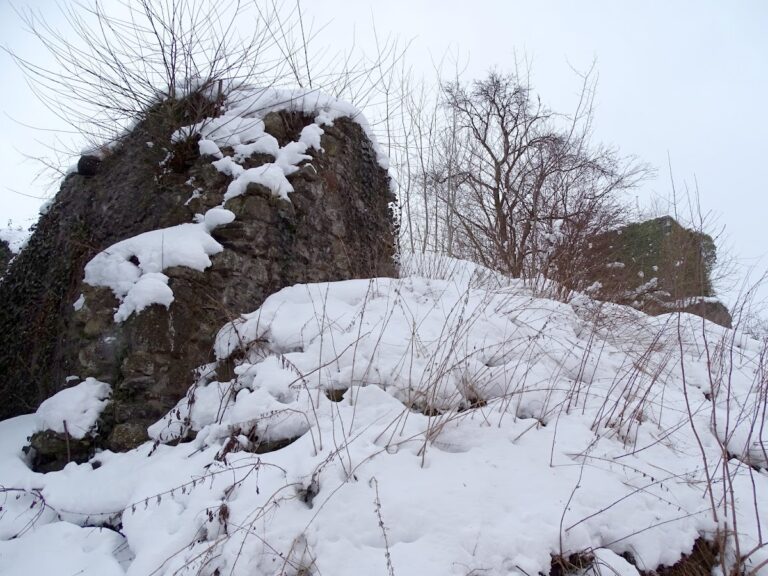
Untergreifenstein occupied the narrow rock west of Obergreifenstein. Only slight wall remains and ditches can still be discerned at the site, preserving limited evidence of the earlier castle’s position and defensive arrangement.