Gōtoku-ji Temple: A Buddhist Memorial Temple of the Ii Clan in Tokyo


Site at a Glance
- Rating
- 4.6
- Popularity
- High
- Country
- Japan
- Primary era
- Early Modern
- External website
- Open
- Eras represented
- Early Modern, Modern
- Civilizations
- Japanese, Tokugawa
- Site type
- Religious
- Remains
- Temple
On this page10 sections
History
Gōtoku-ji Temple is a Buddhist temple in Japan’s Setagaya City, Tokyo, established by the Kira clan and later shaped by the Sōtō school of Zen Buddhism. Its history began in 1480, during the Bunmei era, when Kira Masatada, lord of Setagaya Castle, founded a small hermitage within the castle precincts for his aunt, Kōtoku-in, the daughter of Kira Yoritaka.
From Castle Hermitage to Sōtō Temple
The hermitage took the name Kōtoku-in in her honour. The surrounding area formed the principal part of medieval Setagaya Castle, which was abandoned after the 1590 Odawara campaign, a military campaign that brought the region under Toyotomi control. In 1584, the monk Mon’an Sōkan helped refound the temple under the Sōtō school, one of the major traditions of Japanese Zen Buddhism, known especially for seated meditation. Gōtoku-ji’s mountain name is Daikeizan, and its institutional name is Tōshun’in. Before its Sōtō affiliation, it had been associated with the Rinzai school, another major Zen tradition.
The Ii Clan’s Memorial Temple
In 1633, Ii Naotaka, the daimyo, or powerful feudal lord, of Hikone and owner of the Setagaya territory, became the temple’s principal patron. He renovated the complex, added two structures, and made Gōtoku-ji the Ii clan’s family temple in Edo, the name used for Tokyo during the Tokugawa era. The temple was consequently honoured as having been restored and refounded by him. In 1659, it was renamed Gōtoku-ji after Ii Naotaka’s posthumous Buddhist name. During the Edo period, which lasted from 1603 to 1868, it served as the Ii clan’s bodai-ji, a Buddhist family memorial and funerary temple. Its grounds became the burial place of successive Ii lords and their wives.
A daughter of Ii Naotaka established a structure at the temple in 1677 to pray for his posthumous Buddhist welfare. The cemetery also contains Ii Naotaka’s tomb and the tomb of Ii Naosuke, the fifteenth lord of Hikone, who was assassinated during the 1860 Sakuradamon Incident. Other graves include those of the statesman Ōkuma Shigenobu, the karate practitioner Masutatsu Ōyama, and some imperial concubines. The Ii clan cemetery became a national historic site in 2008, while Ii Naosuke’s tomb is designated a historic site by Tokyo.
The Beckoning Cat Tradition
A tradition links Ii Naotaka’s patronage to a cat that appeared to beckon him into the temple shortly before a thunderstorm. After he took shelter inside, lightning struck the place where he had been standing. The story is regarded as the origin of Gōtoku-ji’s association with maneki-neko, Japanese beckoning-cat figures associated with inviting good fortune and prosperity.
A small sanctuary dedicated to the cat was established near the temple, and worshippers began depositing cat statuettes there. During the Meiji era, the figures became increasingly popular and were sold by merchants around the temple and beyond. One tradition regards Gōtoku-ji as the birthplace of maneki-neko. A continuing religious observance venerates the cat benefactor, with a ceremony held at the beginning of spring. Worshippers pray for household safety, commercial prosperity, and good fortune. As the temple’s reputation grew, the deposited figures accumulated, numbering nearly 10,000 in 2018, particularly around the Kannon statue.
Continued Renewal
The buildings and grounds have continued to be expanded and renewed. A Founder’s Hall opened in 1999, a three-story pagoda was constructed in 2006, and a Jizō Hall was completed in 2020. Kannon is a bodhisattva associated with compassion, while Jizō is associated especially with protection and care for vulnerable beings.
Remains
Layout and Principal Buildings
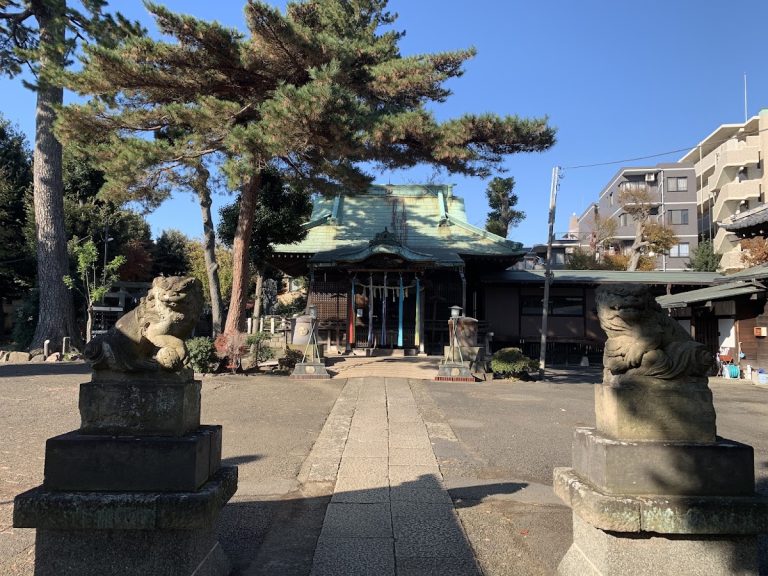
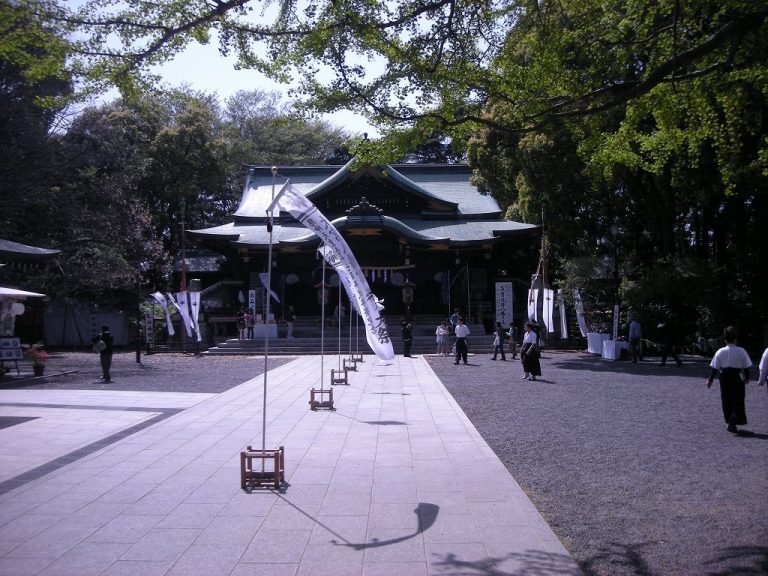
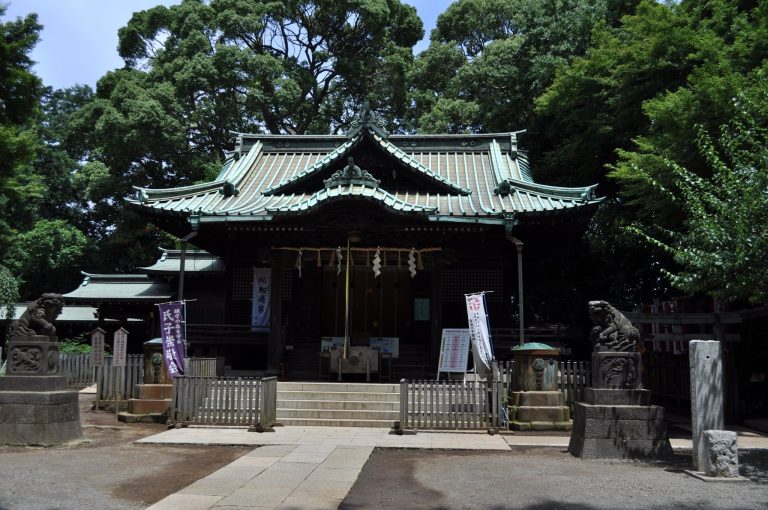
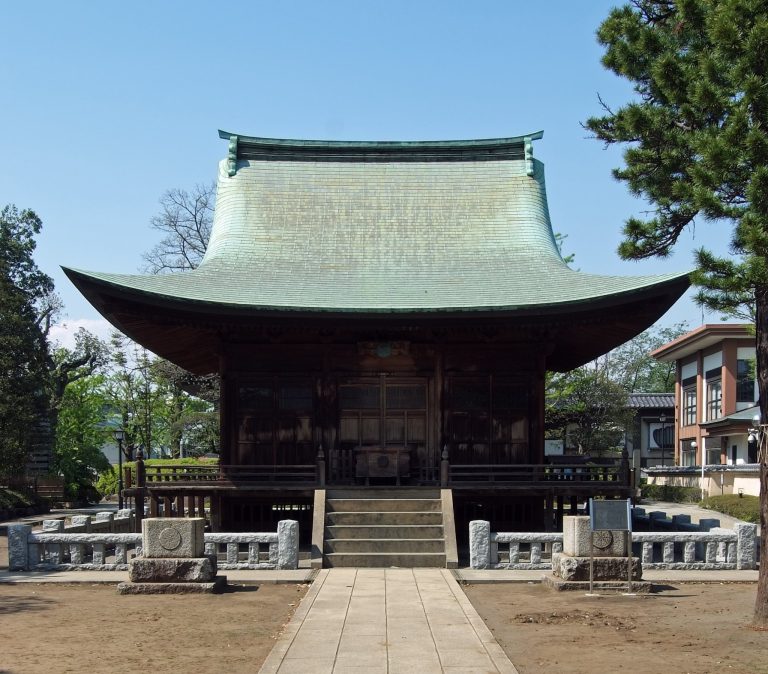
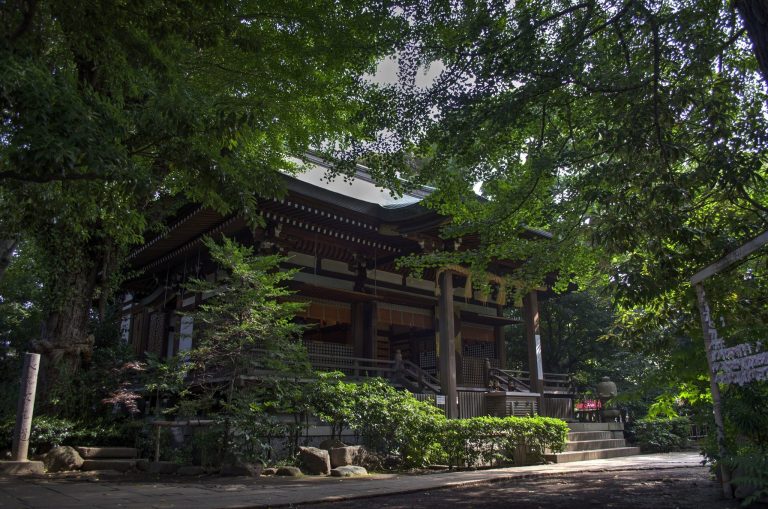
Gōtoku-ji occupies the northern part of the former Setagaya Castle park, north of Setagaya-dōri. Its principal object of worship is an image of Sakyamuni, the historical Buddha. The southern entrance is marked by the sanmon, the principal temple gate that traditionally marks entry into a sacred precinct. Within the complex are the Buddha Hall, or butsu-den, built in 1677, and the Dharma Hall, or hō-dō, dating from 1967. The grounds also include a Founder’s Hall opened in 1999, a Jizō Hall completed in 2020, an ossuary, a reception hall, two tea rooms, and an administrative building with an attached shop.
Gates, Pagodas, and Bell Tower
The Ii clan donated the akamon, or Red Gate, which remains within the precincts. In the described arrangement of the complex, the bell tower stands to the right of the main gate and the three-story pagoda to its left. The Buddha Hall lies directly behind the gate, with the main temple building behind it. The administrative building stands to the right of the temple, while a one-story pagoda is positioned to the left of the Buddha Hall. The three-story pagoda, built in 2006, carries carvings of cats and the twelve animals of the Chinese zodiac, including cat images placed in less conspicuous parts of the structure. The temple also preserves Setagaya Ward’s oldest Buddhist bell, cast in the seventeenth century by the master founder Masatsugu Fujiwara.
Good-Fortune Hall and Cat Statuettes
The Good-Fortune Hall, or shōkufu-den, was built in 1933 and is dedicated to maneki-neko and Kannon. The adjacent area contains numerous cat statuettes deposited after prayers have been fulfilled. These figures are generally simple white ceramic forms of different sizes, with the right paw raised and without the traditional gold coin. Worshippers leave them with their prayers rather than simply discarding them, because the figures are regarded as objects of worship.
Ii Clan Cemetery
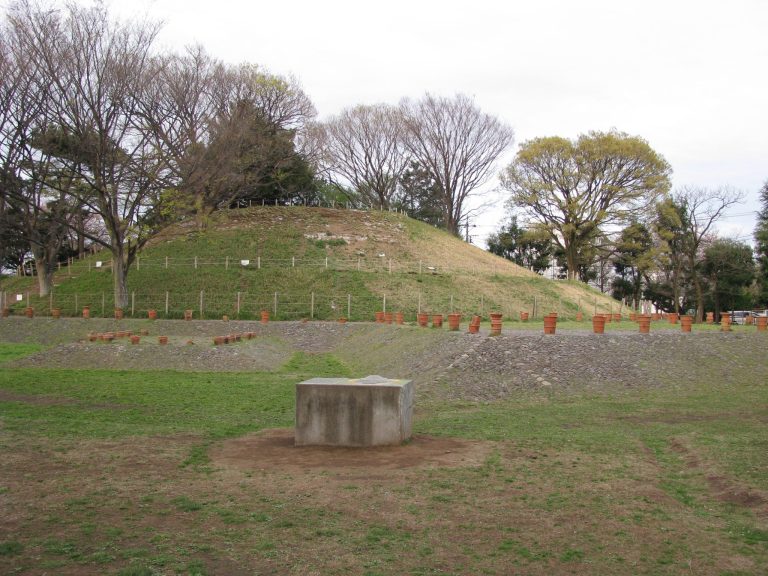
The temple grounds contain the Ii clan cemetery and the tomb of Ii Naotaka. The cemetery also includes Ii Naosuke’s tomb and the other graves associated with the temple’s historical role as the Ii family’s memorial and burial institution.