Yoyogi Hachimangū: A Shinto Shrine Founded in 1212


Site at a Glance
- Rating
- 4.4
- Popularity
- Medium
- Country
- Japan
- Primary era
- Stone Age
- External website
- Open
- Eras represented
- Stone Age, Modern
- Civilizations
- Jomon
- Site type
- Religious
- Remains
- Sanctuary
On this page5 sections
History
Foundation in the Kamakura period
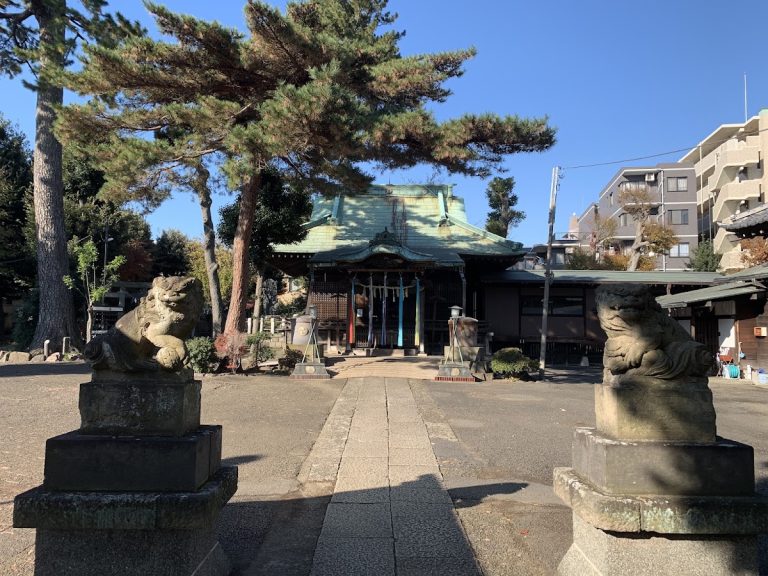
Yoyogi Hachimangū is a Shinto shrine in Tokyo, Japan, founded in 1212 during the Kamakura period. Its former official status was that of a village shrine. Tradition attributes its creation to Arai Geki Tomoaki, a retainer of Kondo Saburo Koreshige, who had served as a close attendant of Minamoto no Yoriie, the second shogun of the Kamakura shogunate.
After Yoriie was assassinated at Shuzenji, Tomoaki withdrew to Yoyogino in Toshima District of Musashi Province and prayed for his former lord’s posthumous welfare. On the night of August 15, 1212, he reportedly dreamed that he received a jewel-like mirror from the Hachiman deity of Kamakura, together with a divine oracle. Hachiman was a tutelary deity associated especially with warfare and the protection of ruling authority.
On September 23 of the same year, Tomoaki is said to have built a small shrine at Moto-Hachiman, meaning an original or former Hachiman site, and invited the deity’s sacred presence from Tsurugaoka Hachimangū in Kamakura. The annual festival at Yoyogi Hachimangū continues to take place on September 23.
Worship and changes to the precinct
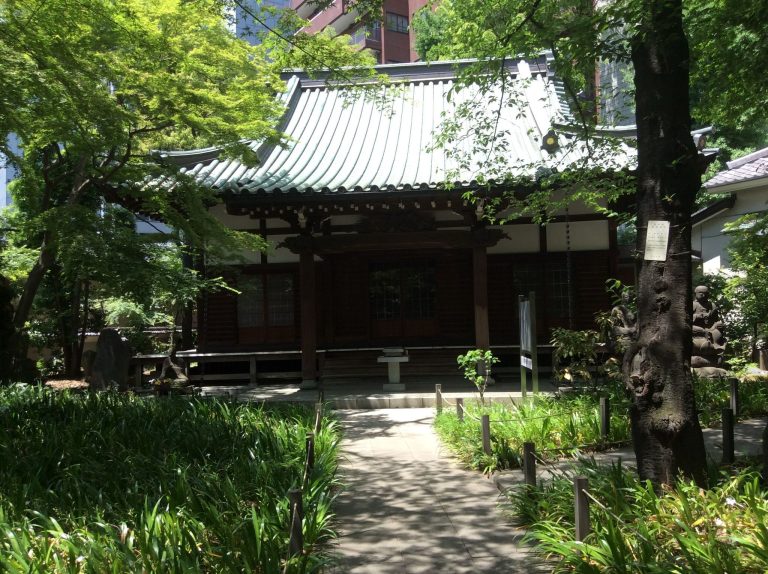
The principal deity is Emperor Ōjin, worshipped in his identity as Hachiman. Amaterasu and the Hakusan deity are also enshrined. Hakusan is associated with Mount Hakusan and with religious traditions shaped by the historical interaction of Shinto and Buddhism. Fukusenji, a Tendai Buddhist temple, occupies the same precinct and was historically associated with the shrine’s administration and worship.
In 1909, the Imperial Japanese Army established the Yoyogi Drill Ground in Yoyogino, requiring local residents to leave the area. Residents who regretted their departure later dedicated the Farewell Monument at the shrine. An archaeological excavation in 1950 uncovered structural remains from the Jōmon period, Japan’s prehistoric period associated with hunter-gatherer communities, cord-marked pottery, and pit dwellings. Shibuya Ward designates the archaeological location as the Yoyogi Hachiman Site.
Remains
Archaeological and commemorative features
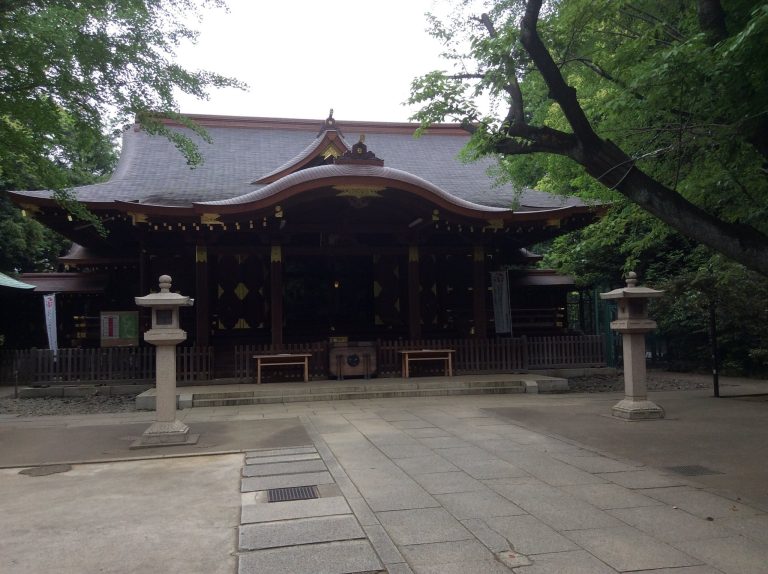
The precinct contains archaeological remains from the Jōmon period together with later commemorative features. A reconstructed pit dwelling represents the Jōmon-period structures uncovered during the 1950 excavation. Along the approach to the worship hall, the Farewell Monument is formed by two stone elements incorporated as the shaft sections of stone lanterns. These features preserve both the prehistoric archaeological context of the grounds and the memory of the residents displaced when the Yoyogi Drill Ground was established.