Gösslunda Church: A Medieval Sandstone Church in Sweden
Site at a Glance
- Popularity
- Very Low
- Country
- Sweden
- Primary era
- Medieval
- Eras represented
- Medieval, Modern
- Civilizations
- Swedish
- Site type
- Religious
- Remains
- Church
On this page9 sections
History
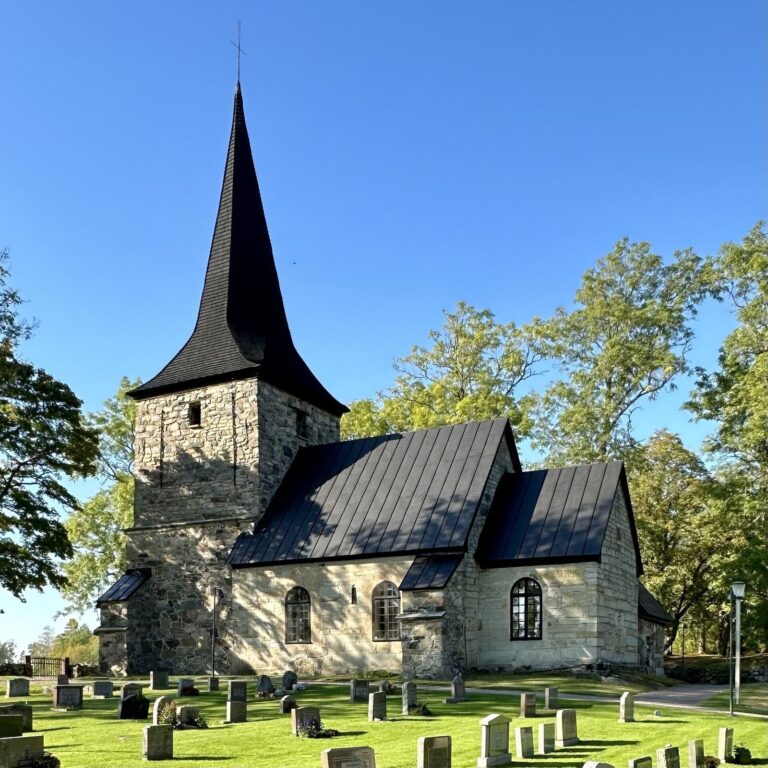
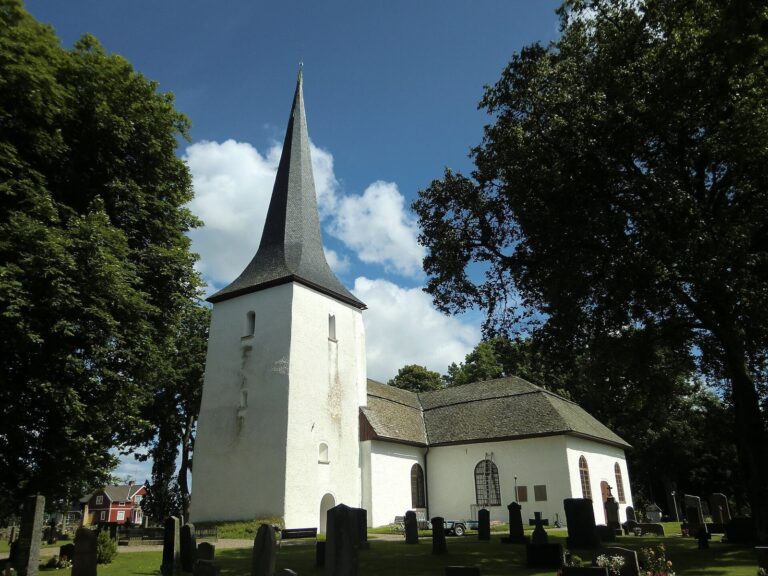
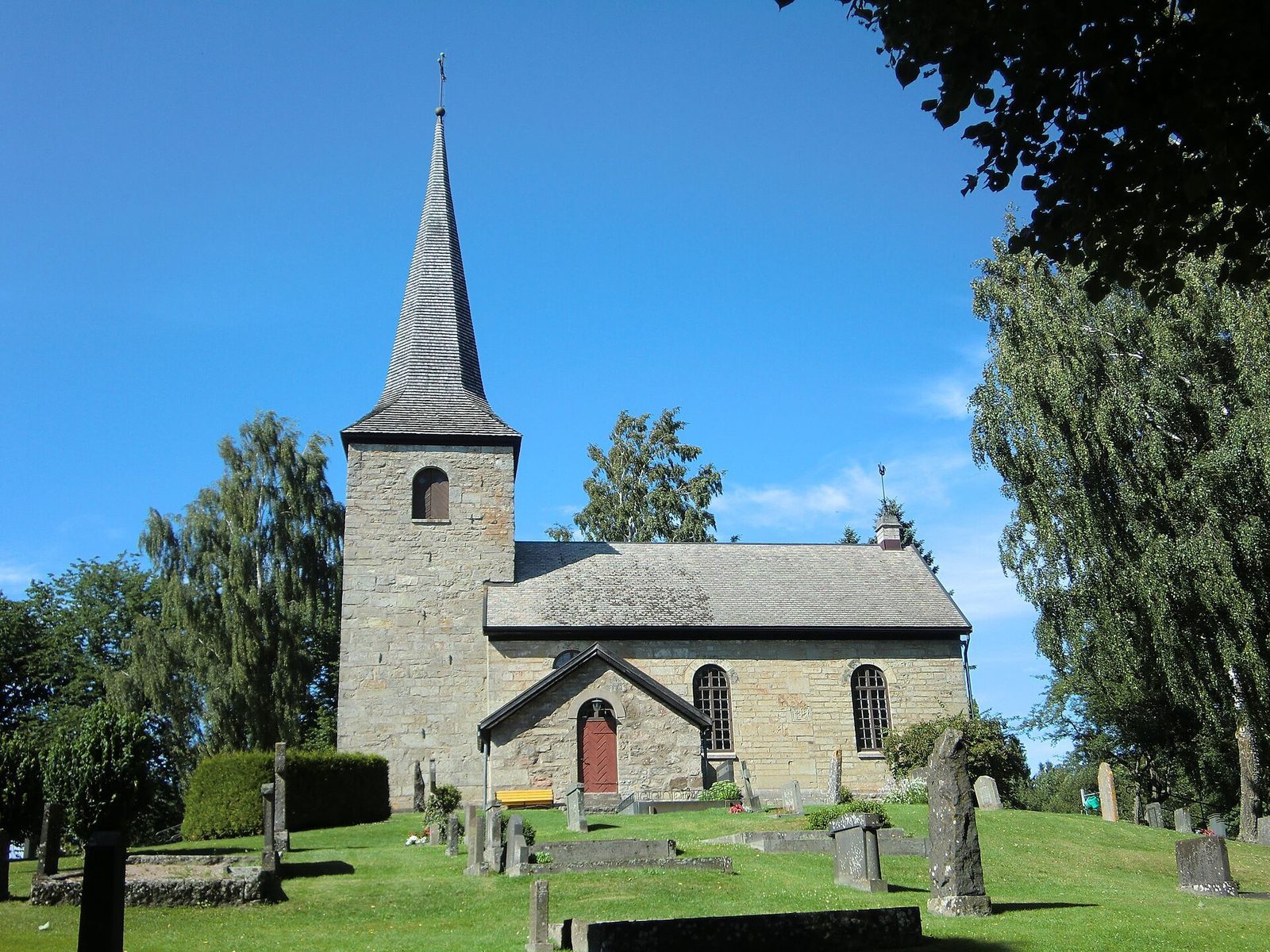
Gösslunda Church is a medieval sandstone church near the center of Kålland, about five kilometres north of Lidköping, Sweden. Art historians date its construction to around 1100, and it was consecrated during the 12th century.
Foundation and medieval construction
The stone church may have replaced an earlier wooden one. Its construction appears to have accommodated an existing timber building, which was taken apart as the stone church approached completion. Differences in the masonry suggest that the chancel and nave were built in separate phases. The tower’s masonry joins with the nave’s, indicating that they were constructed together. The tower’s great size and mass suggest that it may also have helped defend the church against attacks.
Proposals and alterations
Around 1760, a proposal to demolish the church was approved but never carried out. A lightning fire led to alterations in 1851. In 1907, the parish again requested permission to demolish the building, but the request was refused and a major restoration was recommended. That work was completed in 1913.
Parish affiliation
Since 2002, Gösslunda Church has belonged to Sunnersberg parish, a local church district; it was previously part of Gösslunda parish. The church is affiliated with the Church of Sweden, a Lutheran church, and the Diocese of Skara, one of its administrative regions.
Remains
Kålland is a peninsula in Lake Vänern in western Sweden, and the church stands near its center. The surviving building includes a chancel, the area around the altar, a nave, the main space for the congregation, and a tower. The east wall of the chancel is the only surviving part of the original church complex.
Masonry and church plan
The chancel was originally narrower than it is now and ended in a straight east wall. Its carefully dressed sandstone is laid in even courses about 20 centimetres high, above a base with a sloping face. The nave’s masonry uses larger stones, laid in courses about 30 to 50 centimetres high over a more substantial sloping base. A clear boundary between the two building phases lies two metres from the east gable. The well-preserved south doorway dates to the 12th century. The porch and sacristy, a room for storing religious objects and preparing for services, are late medieval additions. The church regained its high spire in the 1913 restoration.
Carved stonework
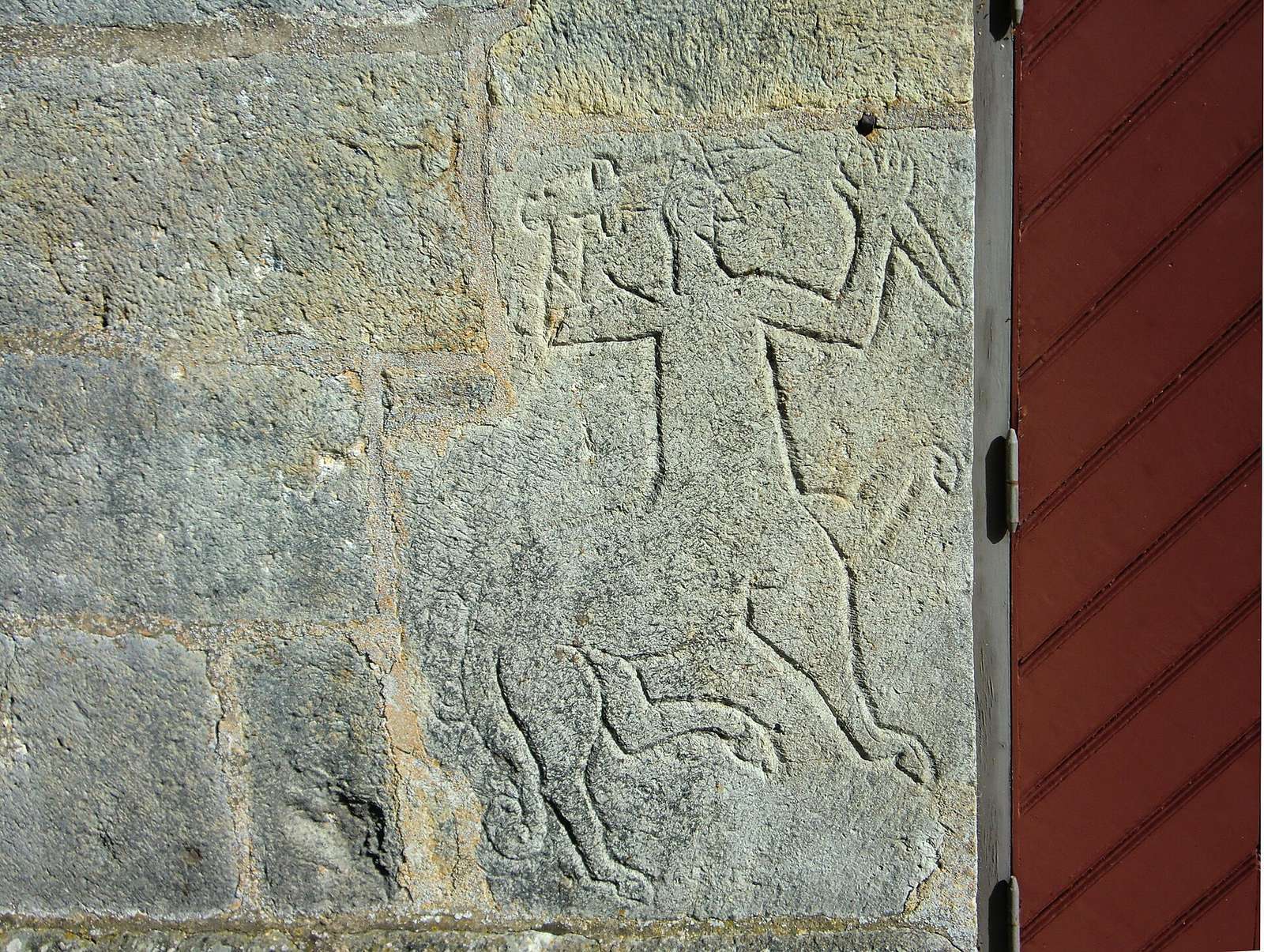
A carved centaur, a creature with a human upper body and a horse’s lower body, appears at the tower doorway. Wearing a Viking-style helmet, it raises a drawn sword toward a church visitor and kicks in their direction with a forehoof. Other carved blocks are set into the walls. One relief shows two men holding indistinct objects beside a cross hanging down from the frame. Details of the carvings resemble those in Anglo-Saxon stone sculpture, the carving tradition of early medieval England. The reliefs may date to around 1100 and may have been made by an English master. A carved block on the nave is probably from the early 12th century. The carvings were intended to frighten evil spirits away, reflecting a belief that evil could be driven out by evil.
Runestones and grave monuments
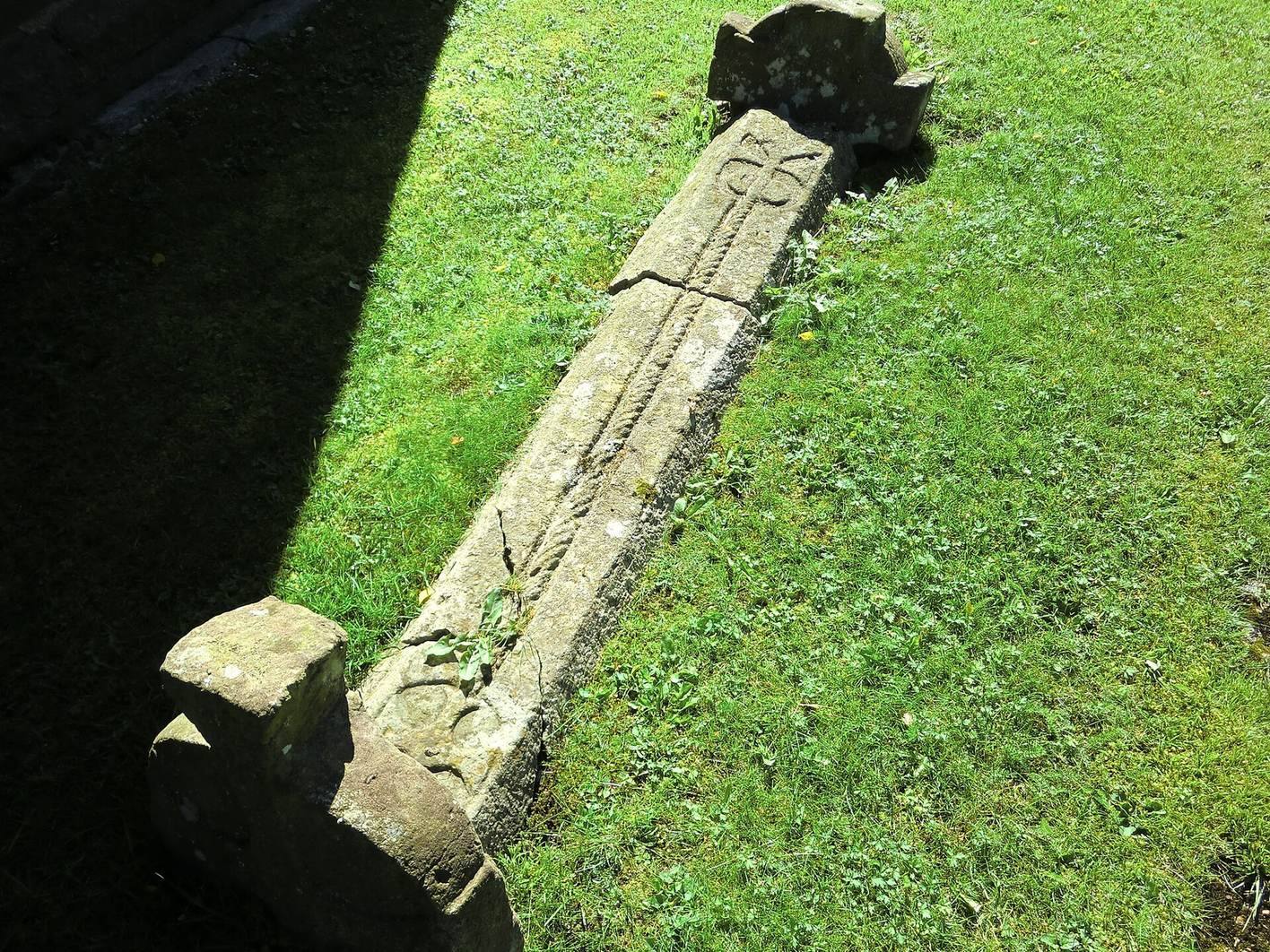
One runestone, a stone bearing runic writing, is inside the church and another is outside. The churchyard contains pre-Romanesque grave monuments, dating from before Romanesque style became established. One is an Eskilstuna coffin, an early medieval stone grave monument, with a wedge-shaped lid and a gable cross. Another monument has a lid slab and two gable slabs. A gable stone from a 12th-century grave chest is also present.
Bells
The church formerly had two medieval bells. The great bell was recast at Ystad in 1935. The smaller bell, an older late Romanesque type associated with the later phase of a medieval European style, has two narrow inscription bands. It was sold before 1914 and now hangs in the bell tower at the Västergötland Museum’s open-air museum in Skara.