Gladsaxehus: A Royal Fief and Castle Ruin in Sweden


Site at a Glance
- Rating
- 3.4
- Popularity
- Very Low
- Country
- Sweden
- Primary era
- Medieval
- External website
- Open
- Eras represented
- Medieval
- Civilizations
- Danish
- Site type
- Military
- Remains
- Castle
On this page7 sections
History
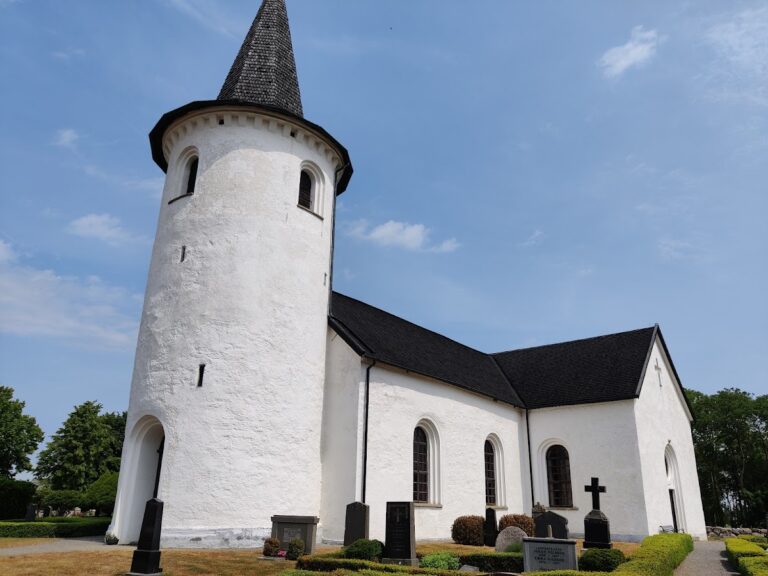
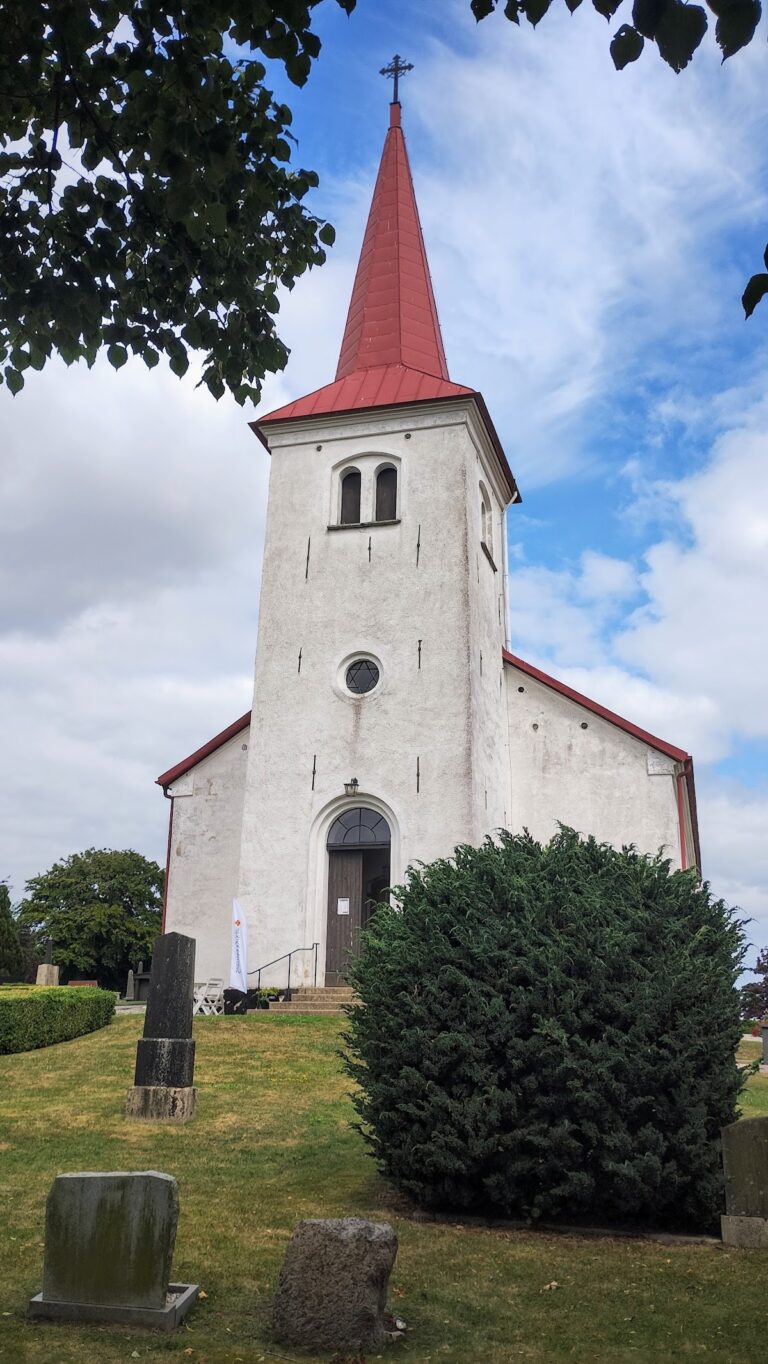
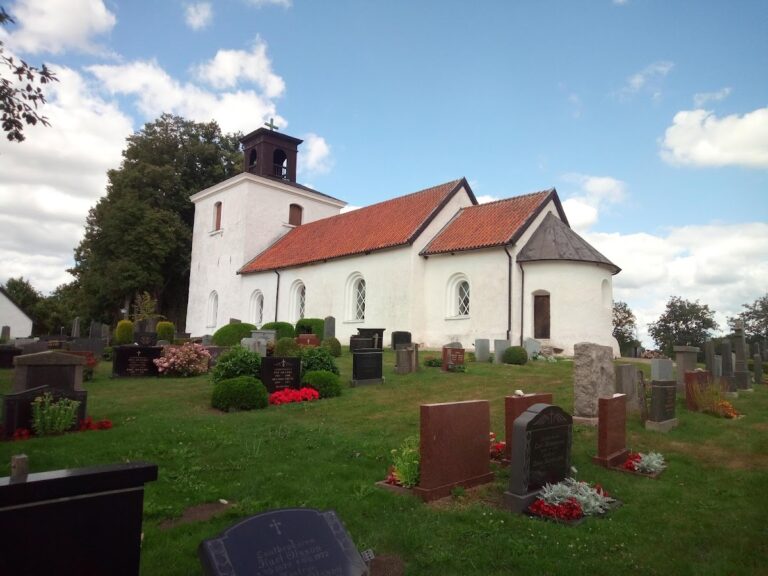
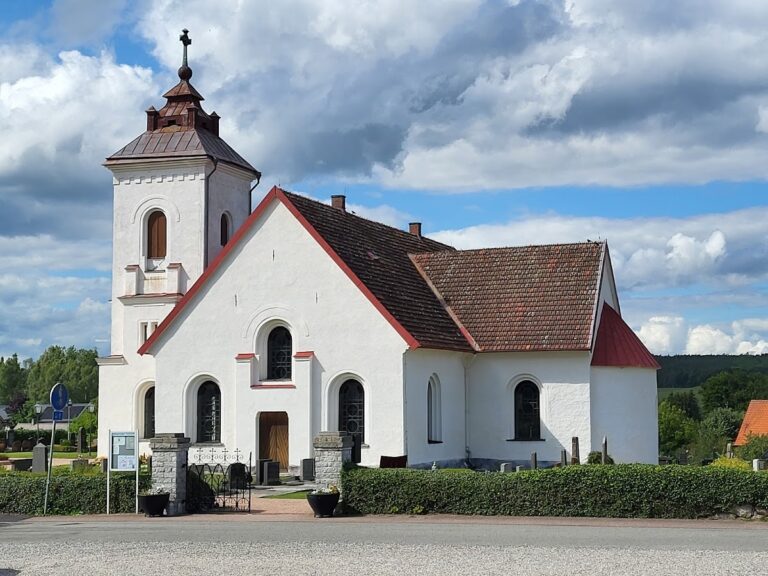
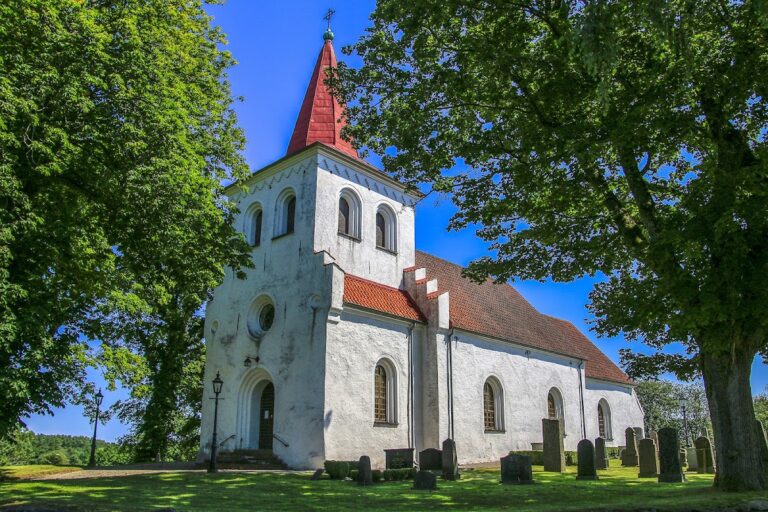
Gladsaxehus is a former castle and royal fief site in Sweden, beside Gladsax Church near Simrishamn. Its earliest written connection with the property appears in a charter of 1322, which confirmed a twelfth-century ruling that four churches, including Saint James at Gladsax, were subordinate to the monastery at Tommarp.
The Falk endowment and royal foundation
On 11 August 1398, Ide Pedersdatter Falk, widow of Torkil Nielsen Bing, left her manor at Gladsax in her will. She also assigned considerable property and money to establish a Dominican nunnery, a women’s religious community following the Dominican tradition. Ide appointed her friend, Queen Margaret, as executor.
After Ide Falk died in 1399, Queen Margaret and Bishop Peder of Roskilde obtained papal permission to move the endowment to Gavnø on Zealand. They considered Gladsax strategically valuable because it could counterbalance the archbishop’s ecclesiastical strongholds at Åhus, about four miles to the north, and Hammershus on Bornholm. The manor consequently became the royal fief of Gladsaxehus, a territory and set of rights granted by the monarch to a lord for administration and income.
The Gladsax fief
The fief covered Gladsax parish, the settlement of Simrishamn, and substantial parts of Albo Hundred, a historical territorial and administrative district. Gladsax County became one of the principal counties of Skåne. The lords of Gladsax lived at Gladsaxehus for about two centuries, including Eskil Mogensen Göye, enfeoffed in 1471 and dead by 1476; Jens Holgersen Ulfstand, probably enfeoffed in 1476 and dead by 1486; and Sten Basse Bille, enfeoffed in 1490 and dead by 1506.
Gladsax remained an independent fief until 1621, when it was incorporated into Kristianstad County. The king then granted the castle and most of its land to Jacob Beck, who served as priest of Gladsax, Bosjökloster, and Vapnö.
Ruins and investigations
During the 1770s, C. G. Hilfeling inventoried properties in Skåne for the king and recorded the castle ruins. He also noted nearby fishponds, which were probably connected with a water-powered system for smelting silver from a local mine.
C. G. Brunius, a Lund University professor and architectural and antiquarian investigator, visited Gladsaxehus in 1844 and prepared a plan of the remains. Local tradition held that the ruins became visible when a hill near the church was levelled. Stone was probably taken from the site when Gladsax Church was enlarged in 1857. Gustaf Åberg’s trial excavation in 1954 identified a ditch or moat and a defensive wall. A second excavation in 1974 exposed a deep debris layer containing medieval and later material and identified areas that may have been ponds.
Remains
Castle building and defensive enclosure
The ruins lie immediately east of Gladsax Church and its cemetery. In the 1770s, the site comprised a stone-walled castle ruin with newer buildings on its western side. Brunius measured the surviving stone building in 1844 at about 10.4 by 8 metres. Its walls were approximately 1.1 metres thick, and one storey still stood several metres high.
The building had an arched doorway on the west side and narrow arrow slits at both ends. These openings, intended to let defenders fire projectiles from within the walls, had brick framing. Defensive ditches remained discernible along the eastern and northern sides in 1844. The castle has since been reduced to the foundations of the stone building.
Excavated features and deposits
The 1954 excavation revealed a ditch or moat about 1.5 metres deep and a defensive wall measuring approximately 0.9 to 1 metre in thickness. In 1974, excavation immediately east of the castle uncovered a debris field about 1 metre deep. It contained medieval building materials together with finds from later periods, while parts of the excavated area may have been ponds.
Nearby sites