Spjutstorp Church: A Lutheran Parish Church in Sweden
Site at a Glance
- Rating
- 4.8
- Popularity
- Very Low
- Country
- Sweden
- Primary era
- Modern
- External website
- Open
- Eras represented
- Modern
- Civilizations
- Swedish
- Site type
- Religious
- Remains
- Church
On this page8 sections
History
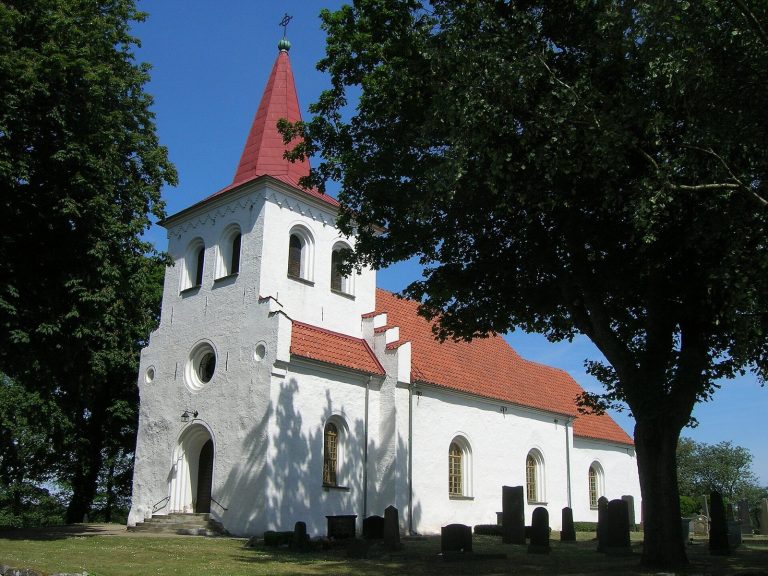
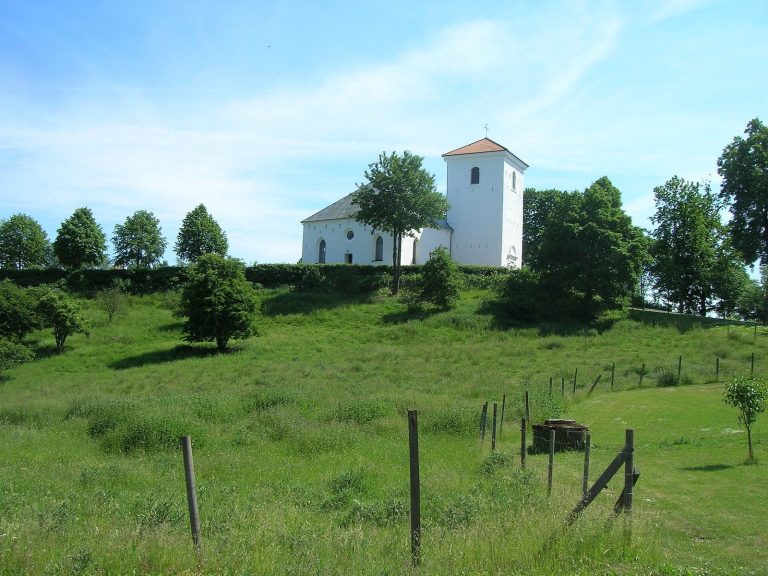
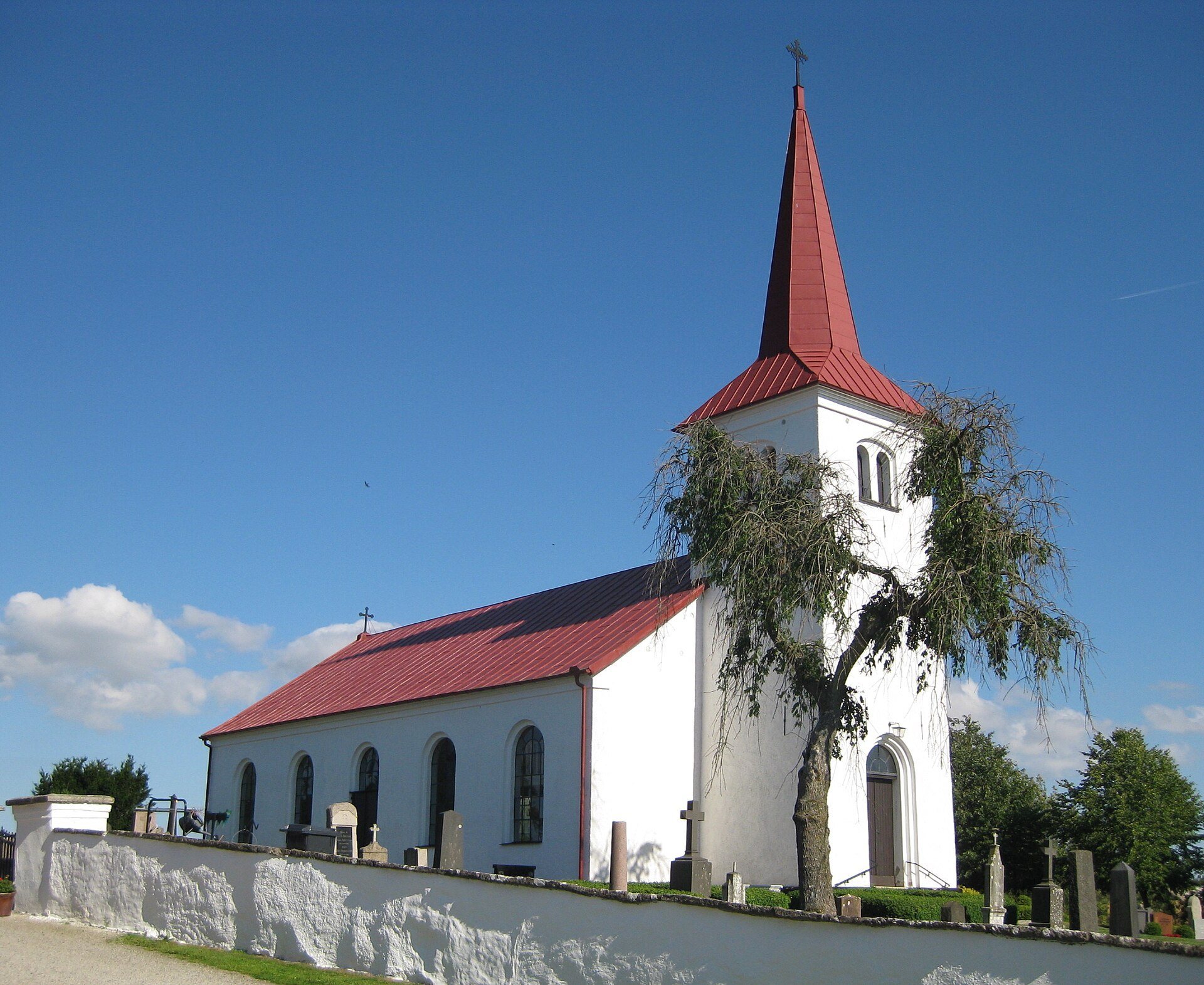
Spjutstorp Church is a Lutheran church in Sweden, in Spjutstorp, Tomelilla Municipality, Skåne County. The present building was constructed between 1868 and 1869, replacing a medieval church that had served the settlement since the late twelfth or early thirteenth century. It belongs to the Brösarp-Tranås parish in the Diocese of Lund of the Church of Sweden.
The medieval predecessor
A predecessor stood at Spjutstorp from the late twelfth or early thirteenth century, although a date of 1060 is also associated with it. The medieval building had a nave, a narrow chancel ending in an apse, and a broad, low bell tower at its western end. Its later history included the transfer of an altar painting and a pulpit to the church in 1790.
Construction of the present church
Construction of the present church began in 1868 to designs by the architect Edvard von Rothstein. The new building was completed in 1869, after which the medieval church was demolished. The project was initiated by Johan Peter Hintze, owner of the Koseholm estate. He held patronage over the parishes of Spjutstorp and Tryde, an office that gave him specified rights in church affairs while requiring him to maintain the building, employ church staff, and pay the clergy and bell ringers. The patron also collected tithes, payments traditionally made to support the church.
Repairs and later changes
Authorities ordered the patron to repair the church in 1911, but the work was inadequate and further repairs were soon needed. Patronage over the parish ended in 1922. The church received a small organ in 1918, replaced by a larger instrument in 1928. Its present mechanical organ was built in 1956 by Bo Wedrup of Uppsala, transferred from Ulstorp Church in 1968, and modernized by the A. Mårtensson Organ Factory in 1983. The most recent reconstruction took place in 1995 under the direction of the architect Hans Ponnert.
Remains
Building and exterior
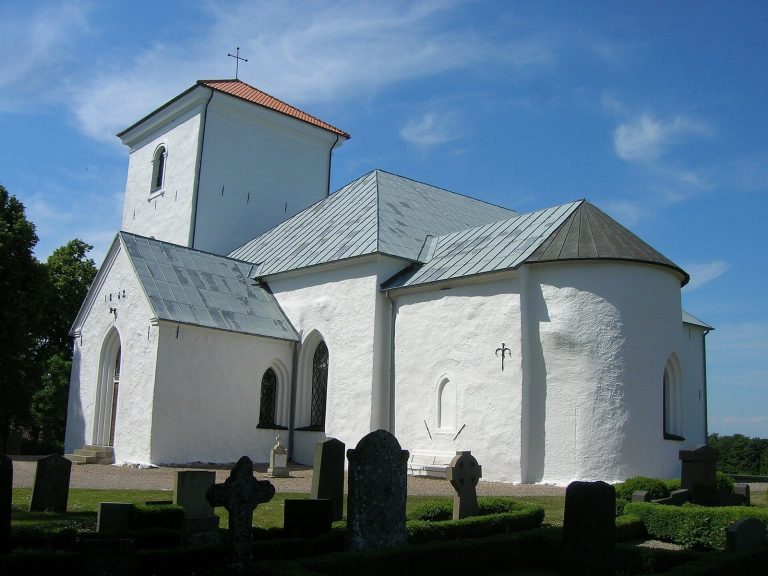
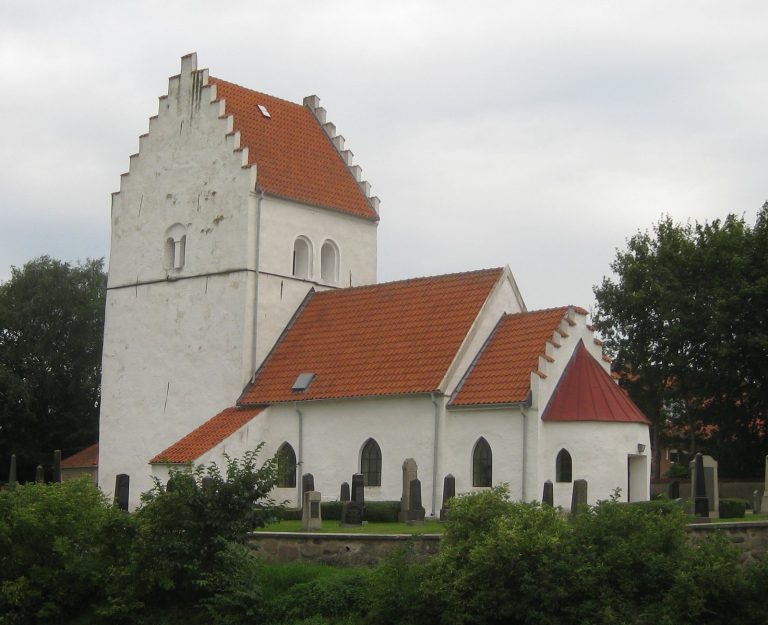
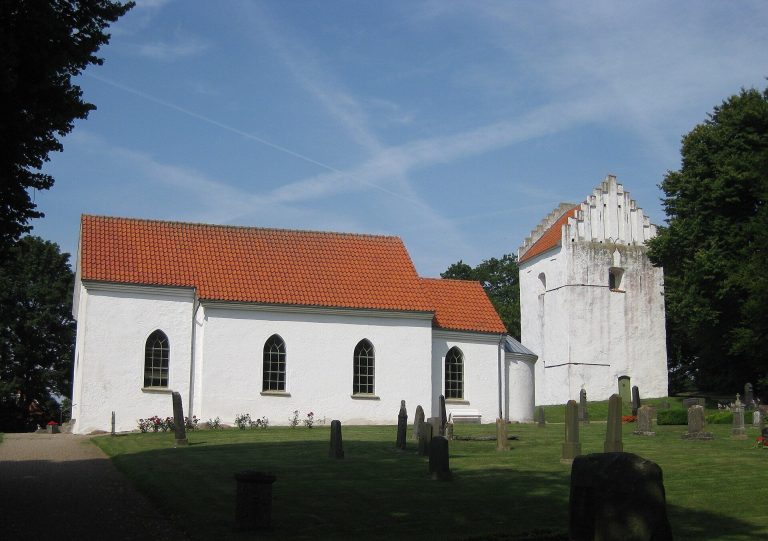
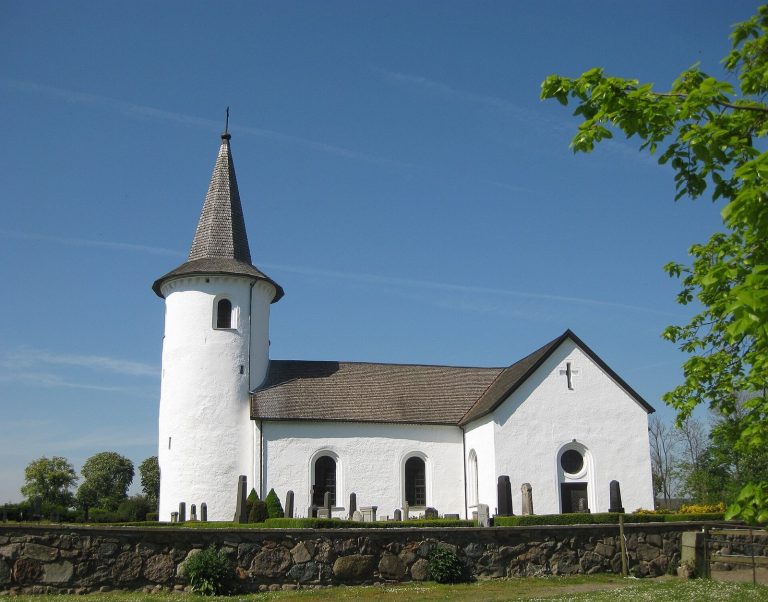
The present church is built of limestone and brick, while its bell tower combines brick with gray stone. It originally had a gabled roof covered with black tarred board. A spire was added to the bell tower in 1879. The church accommodates approximately 200 people, and a parish cemetery lies beside the building.
Paintings, furnishings, and preserved objects
The altar painting, depicting the Resurrection of Christ, is attributed to Per Hörberg. It was brought to the medieval church in 1790 from a church in Gothenburg and was later retained by the present building. A pulpit made in Gothenburg was transferred at the same time. The church also preserves a thirteenth-century baptismal font, a donation box dated 1438, and a 1790 catafalque, a raised structure used to support a coffin or commemorate the dead during funeral rites.
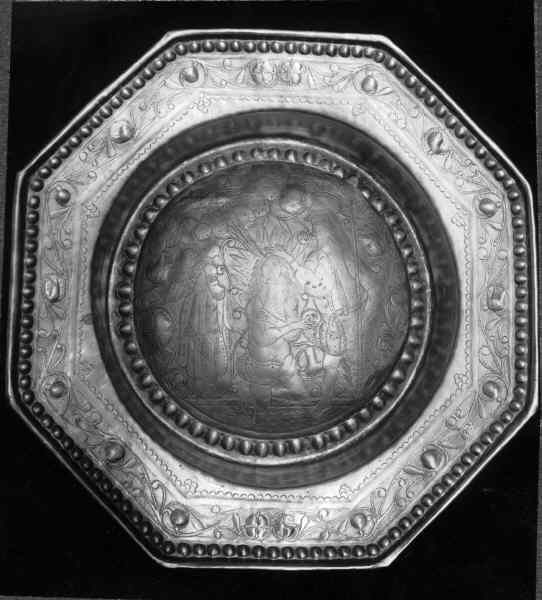
Other objects retained from the medieval church include a marble epitaph slab dated 1713, two clay lamps, a large bell dated 1438, and a small bell dated 1801. The interior contains another baptismal font from the late seventeenth or early eighteenth century, made of hammered and polished brass.
Baptismal furnishings
The baptismal furnishings include a baptismal table with two framed chairs and a tapestry titled The Tree of Life. The tapestry was made by Inga Mittendorf-Förslöv and donated by a local parish workers’ association.