Genneperhuis: A Castle and Fortified Stronghold in the Netherlands
Site at a Glance
- Popularity
- Medium
- Country
- Netherlands
- Primary era
- Early Modern
- Eras represented
- Early Modern, Modern
- Civilizations
- Spanish
- Site type
- Military
- Remains
- Castle
On this page5 sections
History
Genneperhuis was a castle and fortified stronghold at the confluence of the Niers and Meuse rivers in the Netherlands. Its earliest foundation may have been a Roman fortification. The river crossing and nearby roads running north–south and east–west gave the site strategic value, while winter floods and subsequent ice later contributed to its decline.
The Lords of Gennep and regional rule
The castle served for generations as the residence of the Lords of Gennep. Norbert of Xanten, born into the family around 1080, became a medieval Christian saint and church reformer associated with the founding of the Premonstratensian order. The family also included Jutta of Gennep, the first head of the convent at ’s-Gravendaal near Asperden, and Willem van Gennep, a senior bishop who served as Archbishop of Cologne from 1349 to 1362.
After the Lords of Gennep died out, the Dukes of Guelders held the castle for a short time. Cleves gained influence from the fourteenth century, and the castle was sold to the Duke of Cleves in 1442.
Sieges and changing control
During the Dutch Revolt, when the Dutch provinces rebelled against Spanish rule, forces of the Dutch States initially held Genneperhuis. Spanish forces captured it in 1599, but the Dutch States retook it in 1602. Spain seized the stronghold again in 1635 and reinforced its defenses. In 1641, Dutch forces besieged Gennep under stadtholder Frederik Hendrik, a senior political and military officeholder in the Dutch provinces. The castle was abandoned after the siege.
The Peace of Münster and Osnabrück, treaties that ended the Thirty Years’ War and related European conflicts, assigned Genneperhuis and the town of Gennep to Brandenburg, effectively placing them within the territory of Cleves.
French occupation and later work
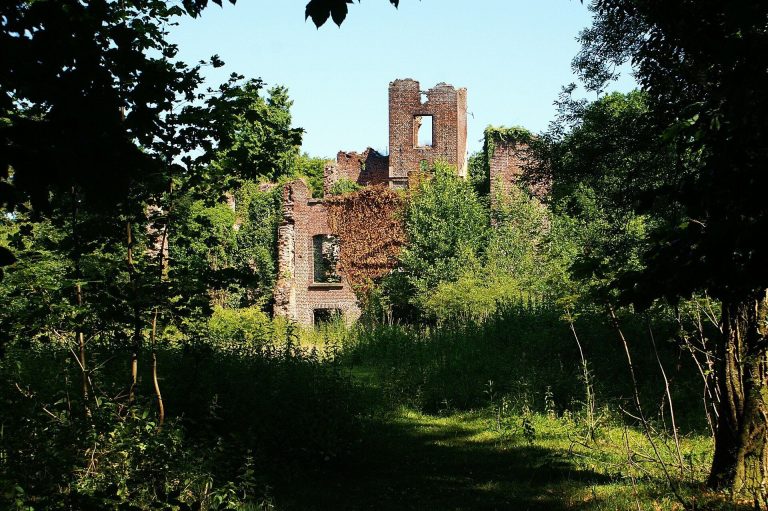
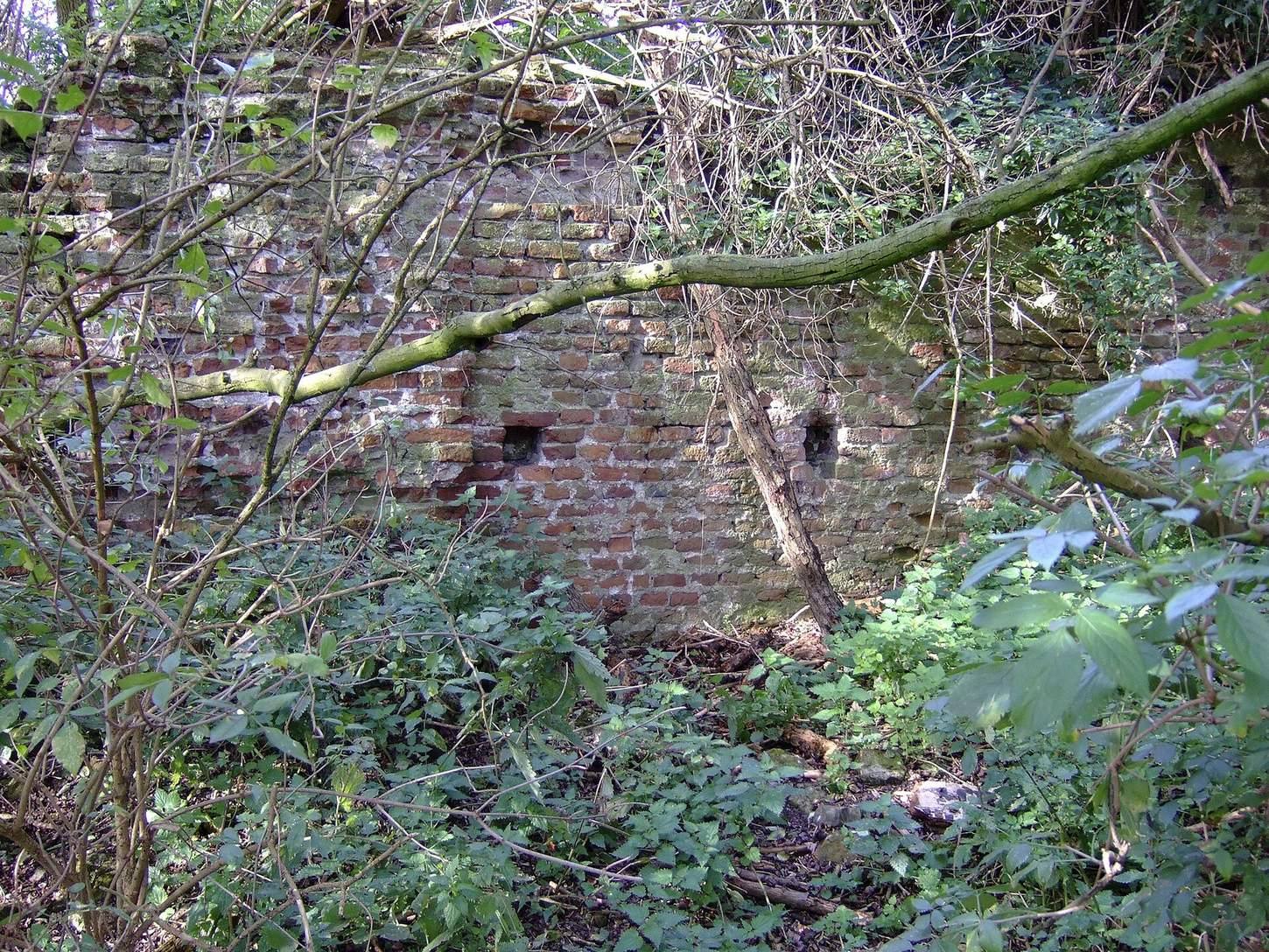
French troops occupied the castle in 1672 and returned during the War of the Spanish Succession, a European conflict over the Spanish monarchy from 1701 to 1714. In 1710, French forces destroyed Genneperhuis. Its stone was reused in houses in Gennep and to reinforce the banks of the Meuse.
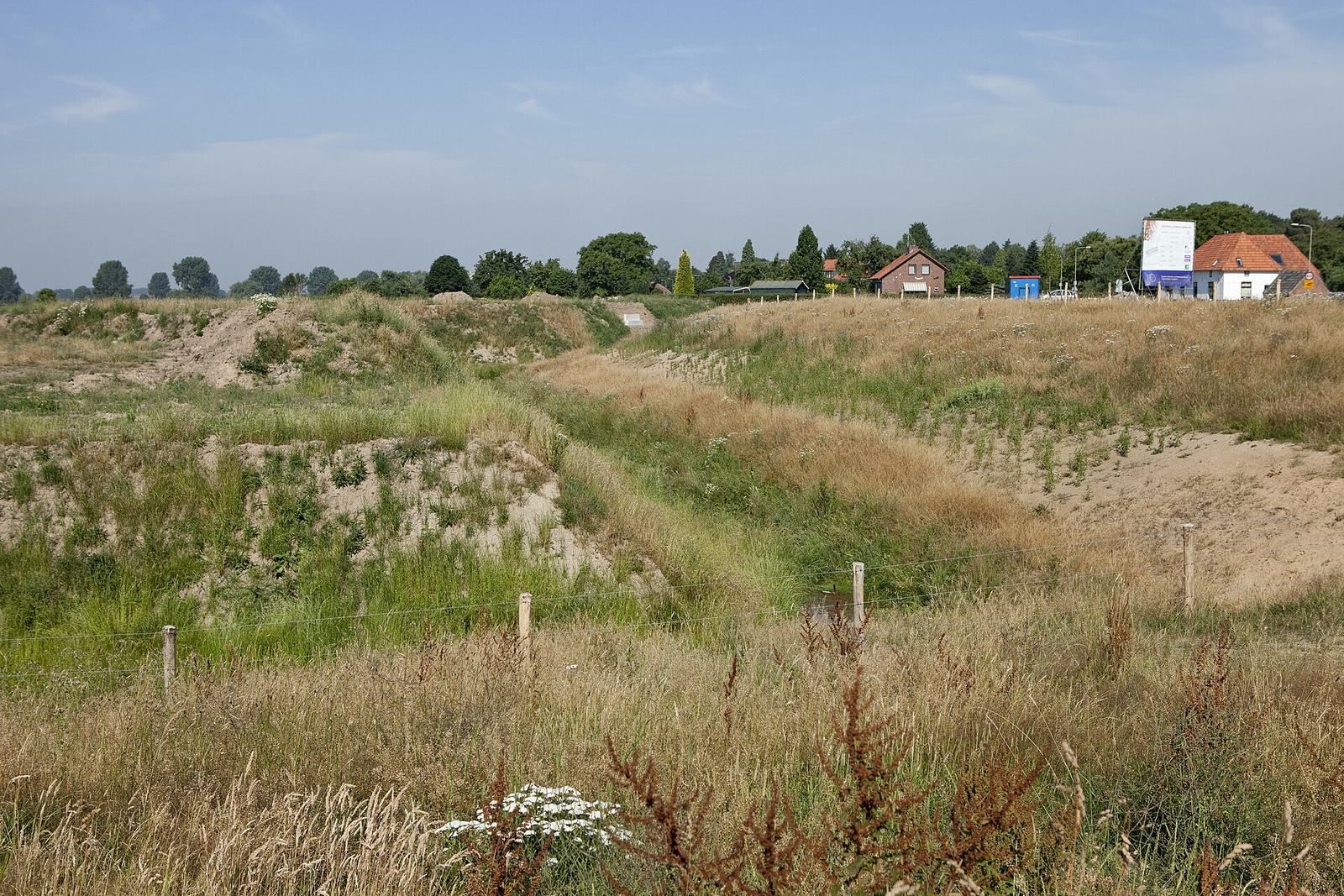
Partial reconstruction around the castle ruins began in 2009 and was completed in 2010, bringing the crownworks and moats back into view. Test trenches near Bloemenstraat were also dug to investigate archaeological features.
Remains
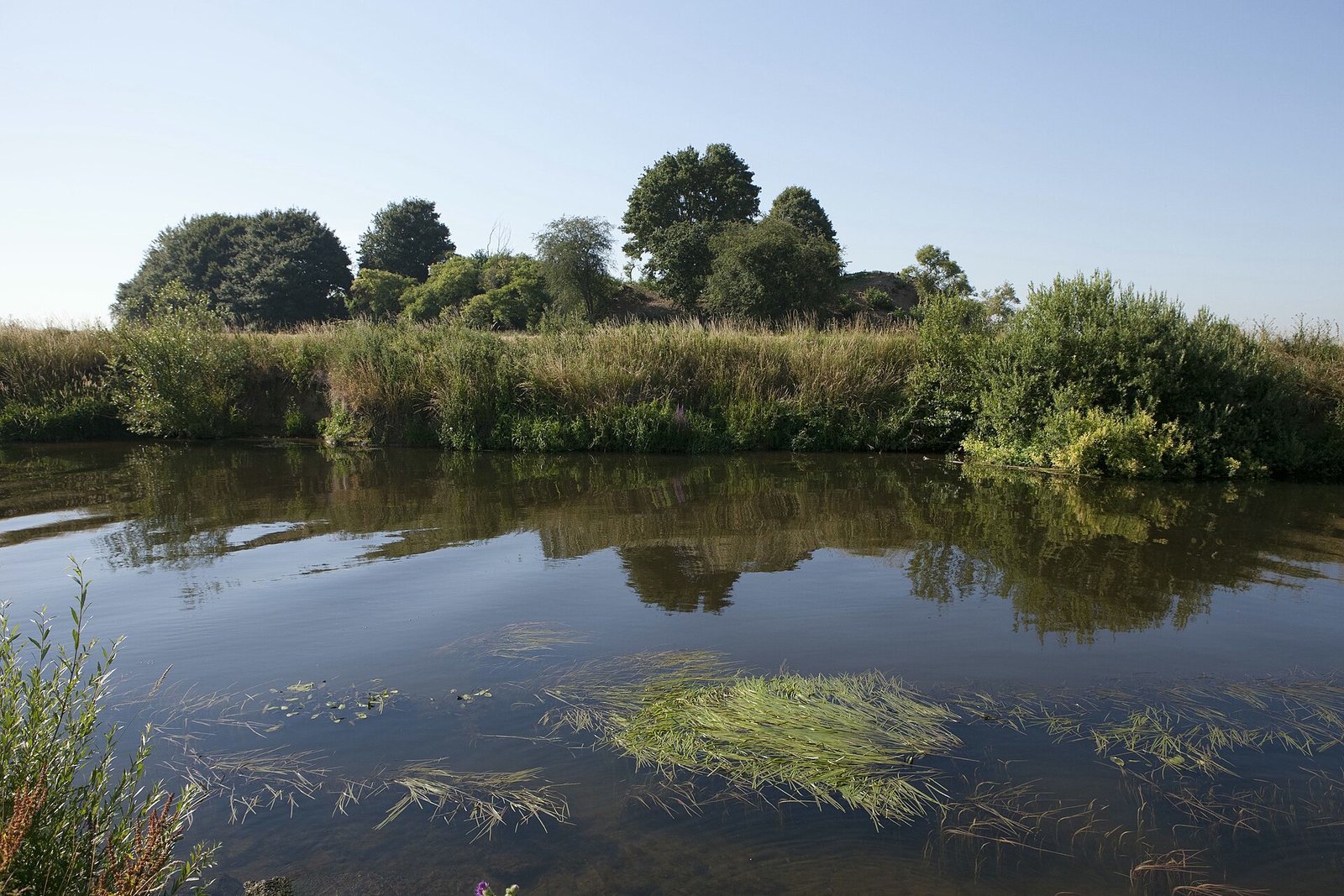
The site lies where the Niers joins the Meuse, near Gennep and Milsbeek. Its raised ground and crownworks, detached outer fortifications beyond a stronghold’s main defenses, convey the extent of the former complex. The moats were made visible during the reconstruction work. Five footbridges were laid on the castle’s foundations, and another bridge crosses the Niers.