Genkō-an: A Sōtō Zen Temple in Kyoto


Site at a Glance
- Rating
- 4.5
- Popularity
- Medium
- Country
- Japan
- Primary era
- Early Modern
- External website
- Open
- Eras represented
- Early Modern
- Civilizations
- Tokugawa
- Site type
- Religious
- Remains
- Monastery
On this page12 sections
History
Genkō-an is a Sōtō Zen temple in Japan, located in Takamine, Kyoto. Founded in 1346 as the retirement residence of Tettō Gikō, the second abbot of the Rinzai Zen temple Daitokuji, it later became associated with Sōtō Zen and is also known as the “Revival Zen Grove.” Its formal name is Takaminezan Hōjurin Genkō-an, with Takaminezan serving as its traditional mountain name, an honorific used in Japanese Buddhist temple names.
Foundation and Sōtō revival
Genkō-an began as a Rinzai Zen institution. Rinzai and Sōtō are two major Japanese Zen schools, with Rinzai traditionally emphasizing kōan training and Sōtō placing particular emphasis on seated meditation. After a period of decline, the temple was revived in 1694 by Manzan Dōhaku, the twenty-seventh abbot of the Sōtō temple Daijōji in Kaga Province. The revival also changed Genkō-an’s affiliation from Rinzai to Sōtō. Manzan Dōhaku is regarded as a major figure in the renewal of Sōtō Zen.
Until around the end of the Edo period, Genkō-an had thirteen subsidiary temples. Nine were abolished after the Meiji Restoration during haibutsu-kishaku, a nineteenth-century anti-Buddhist movement that suppressed Buddhist institutions and led to the destruction of religious property and the abolition of temples in many places.
Traditions and religious associations
Genkō-an’s traditions connect its memorial features with the Battle of Fushimi Castle in 1600. During this conflict, Tokugawa commander Torii Mototada and other members of the Tokugawa army were said to have been defeated by forces led by Ishida Mitsunari, a military and political figure opposed to Tokugawa Ieyasu. The temple’s traditions also preserve a story about Tettō Gikō’s search for drinking water. A dragon appearing as a child is said to have shown him the Chigo Well, which tradition holds has never run dry.
Remains
Main hall and memorial features
Main Hall
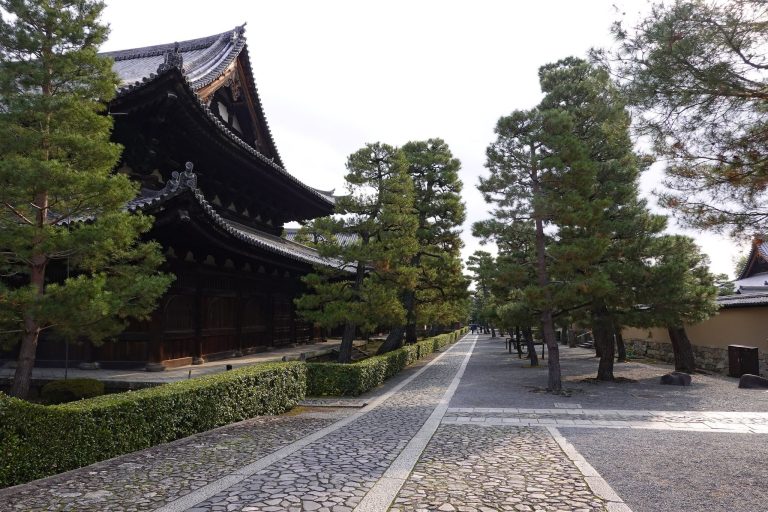
The main hall is approximately 21 meters wide across the front and 13 meters deep. It enshrines Shakyamuni Buddha as the principal image, accompanied by the disciples Kāśyapa and Ānanda. The building was rebuilt in 1694 through the donation of a wealthy merchant and lay Buddhist from Kaga Province.
Blood Ceiling
A ceiling in the hall is made from floorboards traditionally associated with Fushimi Castle. According to the temple’s tradition, the boards preserve bloodstains and bloody footprints left when Torii Mototada and other defenders died at the castle in 1600. They were later installed at Genkō-an as a memorial offering for the dead.
Symbolic Windows
The hall contains two windows whose shapes carry Buddhist and Zen meanings. The square Window of Delusion represents the human life course and the four sufferings of birth, aging, illness, and death. The round Window of Enlightenment represents Zen, natural purity, freedom from prejudice, enlightenment, and the universe.
Founder’s Hall and temple grounds
Founder’s Hall
The Founder’s Hall, also called the Revival Hall, was built in 1719. It houses a wooden image of Manzan Dōhaku, with relics enshrined beneath it.
Crane-and-Tortoise Garden
The Crane-and-Tortoise Garden is a dry landscape garden that uses arranged natural elements and limited planting to suggest a landscape without flowing water. It incorporates the Kitayama mountains as borrowed scenery, bringing the distant landscape into the garden’s visual composition.
Other Grounds Features
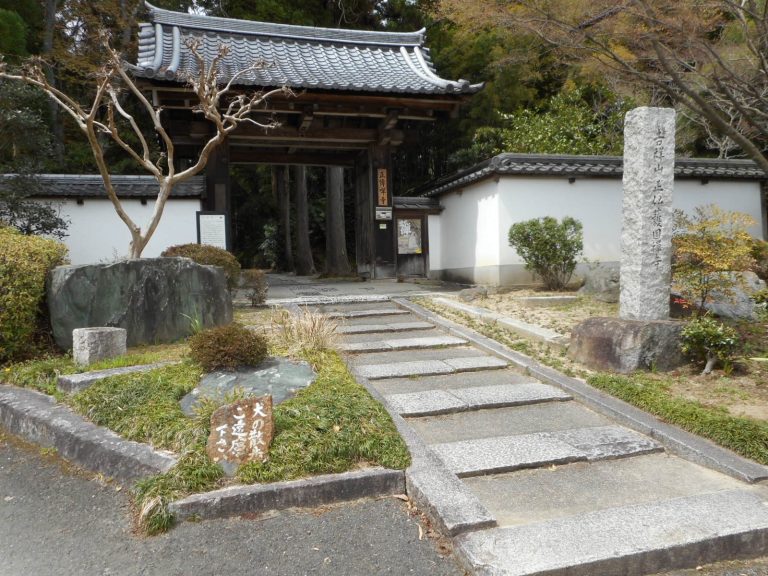
The temple grounds also include the monks’ living and service quarters, the Chigo Well, the mountain gate, the belfry, and the outer gate. Together, these components form the surviving setting of the temple around its principal halls and garden.