Fuente Álamo: An El Argar Bronze Age Settlement in Spain
Site at a Glance
- Popularity
- Medium
- Country
- Spain
- Primary era
- Bronze Age
- Eras represented
- Bronze Age
- Civilizations
- Unclassified
- Site type
- City
On this page18 sections
History
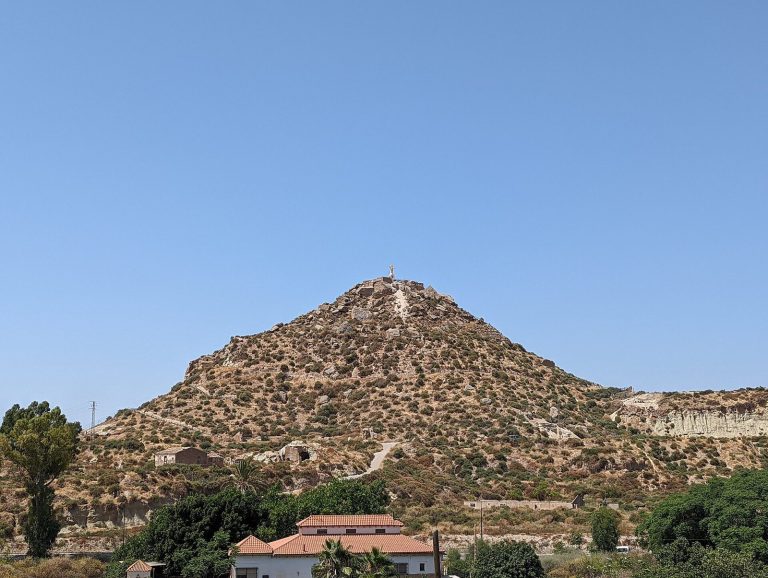
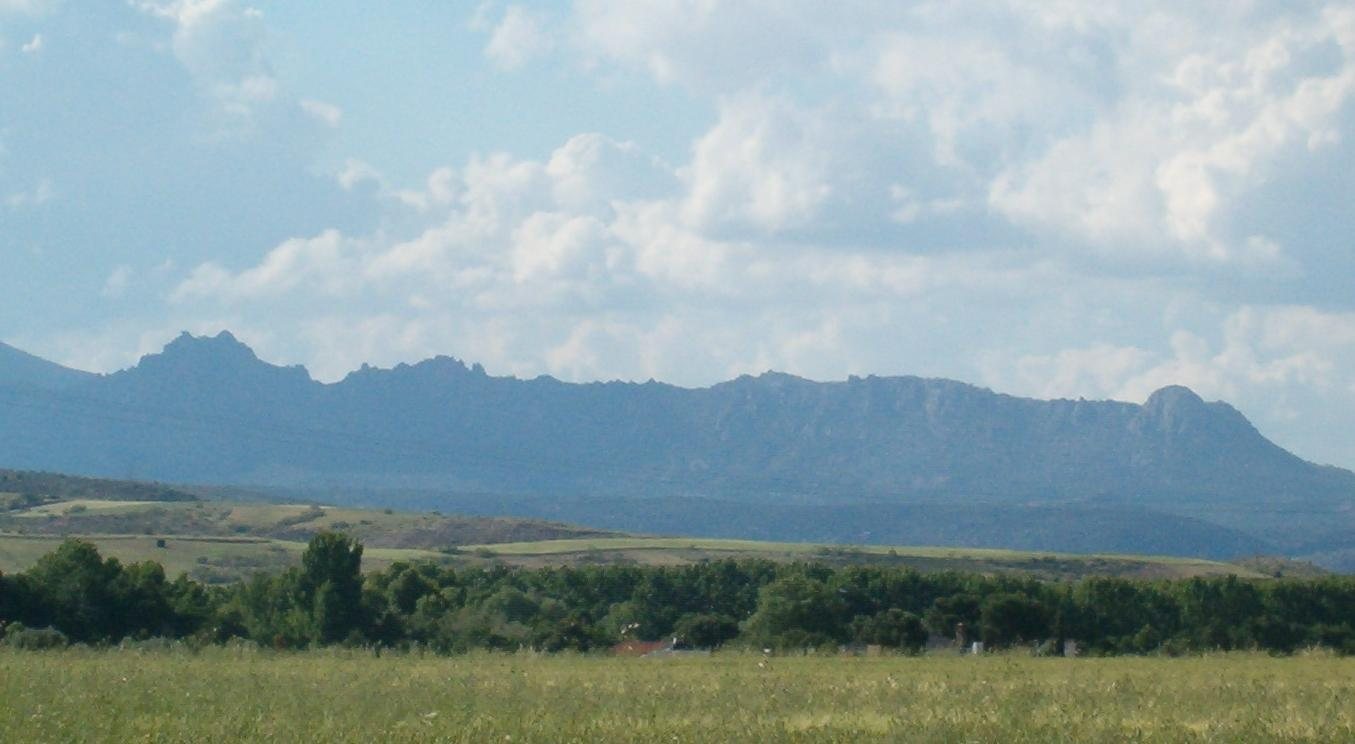
Fuente Álamo is an El Argar settlement in the foothills of the Sierra de Almagro near Cuevas del Almanzora, Almería, Spain. Occupation began around 2200 BCE, while construction is broadly dated to the second half of the third millennium BCE. El Argar was a Bronze Age culture of southeastern Iberia, spanning the late third and second millennia BCE. Fuente Álamo’s position linked a mountain route and mineral resources with the more productive Almanzora Valley. It lay about 10 km north of the El Argar site and 16 km from the coast.
Argaric occupation
Twenty successive building and occupation phases trace changes from the Early Argaric Bronze Age through the Late Bronze Age and later periods. Most of the archaeological material belongs to El Argar phases III and IV, dated to about 1900–1550 BCE. The settlement was abandoned by the middle of the second millennium BCE, although people occupied the site again during Ibero-Roman and medieval periods. Ibero-Roman refers to the era when Iberian communities lived under Roman rule or influence.
Production and social organization
The community combined agriculture with a role in a broader metalworking network. Finds indicate grain consumption, but not intensive farming. Metalworkers appear to have finished and maintained partly made metal goods rather than smelting ore. This activity continued across early, middle, and late settlement layers, although the range of finished metal objects was limited. The settlement has been interpreted as one of several regional workshops, each contributing to different stages of metal production. The distribution of tools and metal grave offerings has also been taken to suggest control over production and the presence of private property in El Argar society.
The elevated monumental area has been understood as socially restricted. Its rich burials and concentrated offerings, alongside a relatively low number of graves, have been interpreted as evidence of a privileged group. The comparatively small share of child burials there has also been suggested as a possible sign of better living conditions. Changes in funerary practice have been read as reflecting a shift from a family-centred society toward greater emphasis on the individual.
Later occupation and archaeological work
Belgian mining engineers Louis and Henri Siret began investigating the site around 1884 while searching for silver. Their work also gave the El Argar culture its name. Excavations took place again in 1977 and 1979; Hermanfrid Schubart and Oswaldo Arteaga conducted the 1977 work. Further archaeological activity followed in 2001, and Thomas Schuhmacher and Schubart studied the settlement’s ceramics in 2003. Investigations covered about 8% of a settlement estimated at roughly 2 hectares. They focused on the presumed hilltop centre and a trench measuring 32 × 4.5 m down the southern slope.
In 1996, Spain designated Fuente Álamo an Asset of Cultural Interest as an archaeological zone, protecting evidence of El Argar communities and later settlement.
Remains
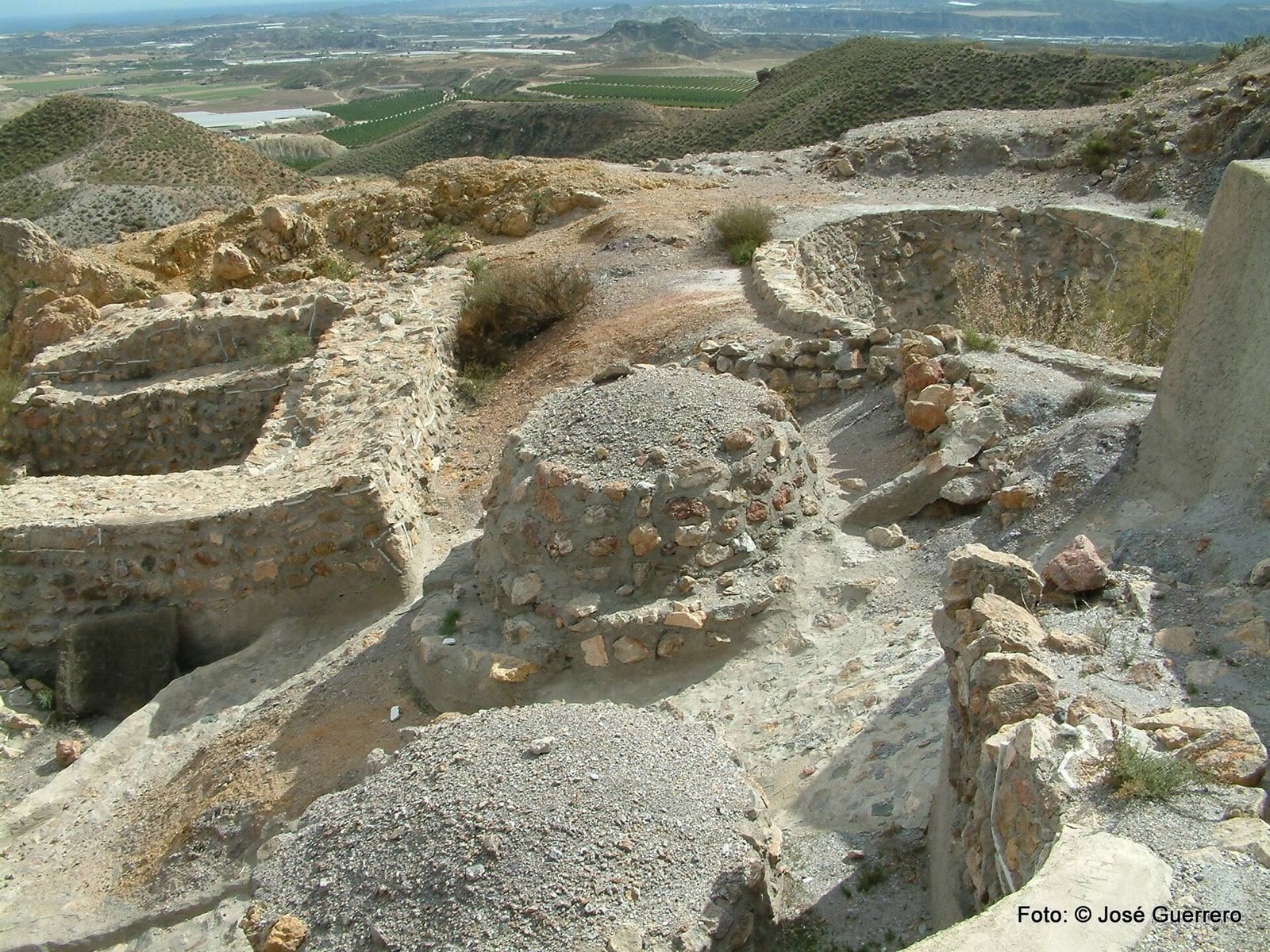
The settlement was arranged around a fortified hilltop, with archaeological areas on the eastern, western, and southern slopes. The hilltop and east held prominent structures and many rich burials, while domestic buildings occupied the western and southern slopes. The southern area was terraced during the developed settlement phases.
Hilltop and eastern slope
Towers and Building I
Two square towers stood on the hilltop or eastern slope. Their ground plans covered 49 and 70 square metres, and they may originally have risen several storeys. A large structure identified as Building I was also found in this area.
Storage structures
Several massive stone structures, circular in plan and slightly conical, measured about 2.8 m across. They have been interpreted as storage buildings used for economic purposes.
Tools and production materials
The hilltop and eastern slope yielded about 75% of the settlement’s metalworking tools and most of its stone tools made from non-local materials, including andesite, basalt, and flint. Finds associated with pottery making included specialized polishing stones. Stone axes and perforated grinding slabs also came from this area. Dozens of usable grinding stones were recovered; because some finds could not be assigned to a precise context, the original total may have exceeded 100.
Grave goods and vessels
About 90% of the metal objects deposited in graves came from the hilltop and eastern slope. These included copper items and almost all the silver and gold offerings found at the settlement, as well as many grave vessels. Large ceramic containers had capacities of 35 to 120 litres.
Cistern
A large cistern had a capacity of 90,000 cubic metres. It remained in use until the Late Bronze Age and was reused during the Ibero-Roman period.
Western slope
Poorly preserved wall remains on the western slope indicate smaller buildings, including ordinary homes. This was the settlement’s main burial area and had its greatest concentration of graves; about half were children’s burials. Many graves held no offerings. Metal objects from this slope made up only 6% by weight of the metal deposited in graves across the site.
Southern slope
During the developed settlement phases, people laid out terraces systematically across the southern slope. Long buildings stood close together in successive rows along them, and this area housed most of the population. Graves were less concentrated here than on the western slope, though many children were buried on the southern slope as well.
Burials
Burial forms
Five burial types are known from the settlement. They included artificial caves, stone burial chambers with entrance passages, large ceramic burial jars, and stone chambers known as cists. The forms varied between earlier and later phases.
Grave 54
Grave 54 held a man aged between 40 and 60, buried with a shaft-mounted dagger, another dagger, and a medium-sized vessel with a pronounced angle in its profile. A grinding slab showing wear on its upper surface had been attached to the outside of his left upper arm. The grave’s position and offerings identify him as a member of the settlement’s dominant class during its early period.
Metalworking tools
Metalworking remains included moulds, crucibles, anvils, and hammers, as well as pierced and unpierced grinding stones, grinding slabs, and flint blades whose wear indicates use in working metal. Some other stone tools were also associated with metalworking. Hundreds of large stone tools were examined for their material sources, shapes, functions, and traces of use.
Barley remains
Barley made up 90% of the charred seeds examined from the settlement.