Villaricos Archaeological Site: The Phoenician-Punic City of Baria in Spain
Site at a Glance
- Rating
- 4.3
- Popularity
- Low
- Country
- Spain
- Primary era
- Iron Age
- External website
- Open
- Eras represented
- Iron Age, Classical
- Civilizations
- Phoenician, Roman
- Site type
- City
On this page9 sections
History
Villaricos Archaeological Site in Spain preserves the remains and long archaeological sequence of Baria, a Phoenician foundation established in the eighth century BCE. The settlement developed through the Phoenician-Punic period, Roman occupation, and the Early Middle Ages, making it an important site for understanding Phoenician colonization in the Iberian Peninsula.
Phoenician foundation and Punic city-state
Baria stood on the left bank of the Almanzora River estuary, where maritime and inland routes linked the settlement with Mediterranean cities, the Almanzora valley, and the Vera Depression. Its position also gave it access to the iron, lead, and copper mines of Sierra Almagrera and to the fertile plains associated with the Almanzora, Antas, and Aguas rivers. Part of the ancient settlement now lies beneath the modern urban area of Villaricos.
During the sixth century BCE, Baria became a city-state. This political change accompanied population growth and extensive urban development, and the settlement eventually covered approximately 6 hectares. Sanctuaries were probably dedicated to Astarte, a major goddess of the Phoenician religious world, whose Punic religious interpretation was associated with Tanit. Finds connected with these cults include fragments of stelae, sculptures, and terracotta perfume burners shaped as female heads.
The Phoenician-Punic colony ended during the Second Punic War, the conflict between Rome and Carthage fought mainly from 218 to 201 BCE. The Roman commander Publius Cornelius Scipio, later known as Scipio Africanus, attacked and sacked Baria during the war.
Roman incorporation and economic change
Roman conquest brought a major political and economic transformation. Baria became a civitas stipendiaria, a community that paid tribute to Rome while retaining a subordinate civic status. Rome confiscated the settlement’s mines and closed its mint, where the city-state had produced coinage.
After incorporation into the Roman world, especially from the first century BCE, Baria experienced renewed urban expansion. An extramural district developed for fish-salting production, storage, and other productive activities. This complex remained in operation from the late first century BCE until the fourth century CE.
Late settlement and archaeological protection
From the third century CE, people began withdrawing from the settlement and eventually moved to the neighbouring Cerro Montroy. Occupation there continued until the ninth century CE, extending the site’s history into the Early Middle Ages.
Modern archaeological work has also shaped understanding of Baria. During excavations in the Villaricos necropolis in 1903 and 1904, Luis Siret discovered a Phoenician or Punic funerary stele. He sent a photograph to Alfred Louis Delattre, a scholar of Punic inscriptions, who presented the discovery to the Académie des Inscriptions et Belles-Lettres in 1904. To protect the archaeological heritage from coastal urban development, Villaricos was entered as an Archaeological Zone in the General Catalogue of Andalusian Historical Heritage by an order dated 14 February 2005. It consequently holds the status of a Site of Cultural Interest.
Remains
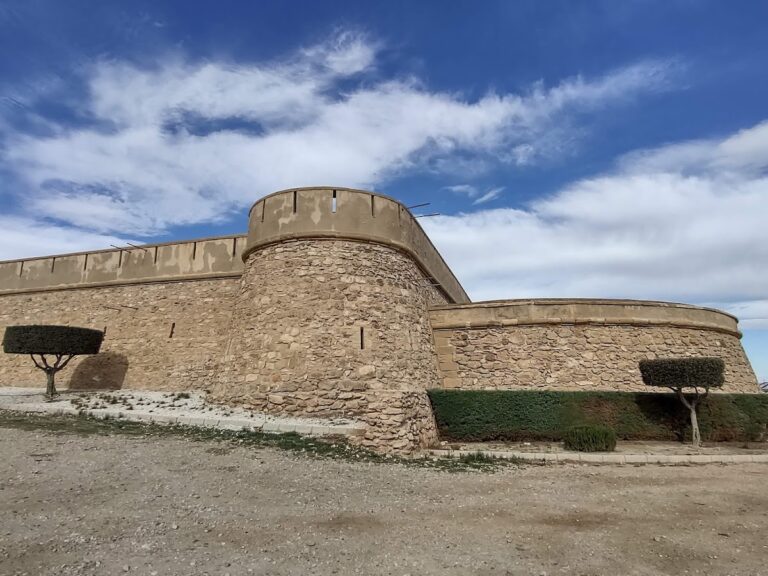
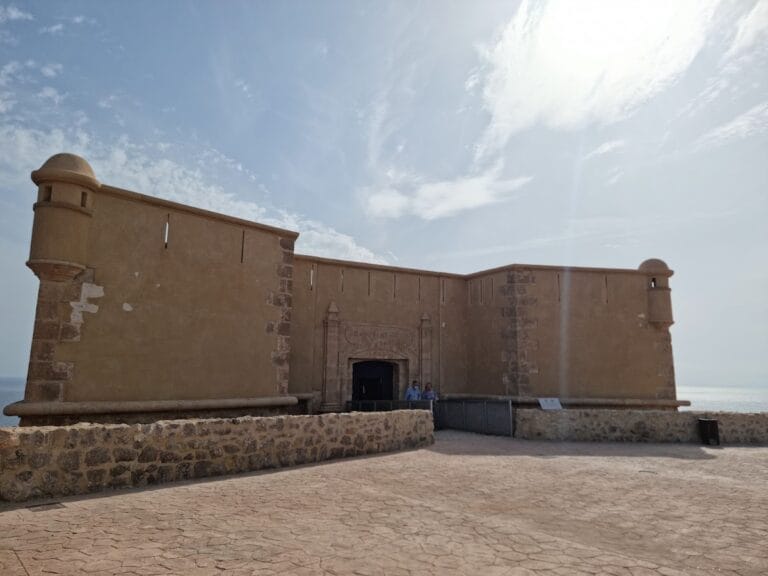
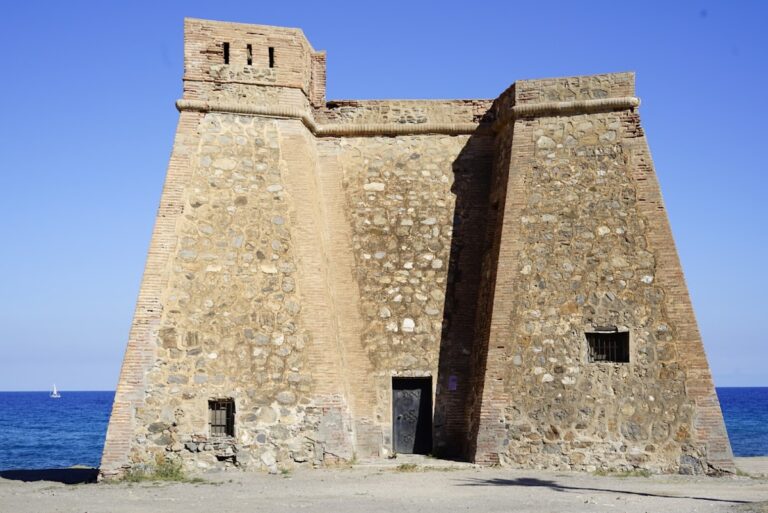
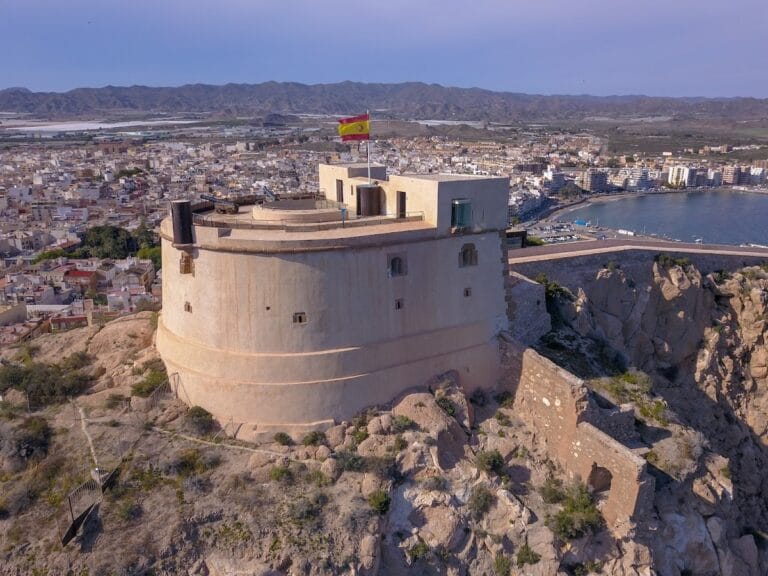
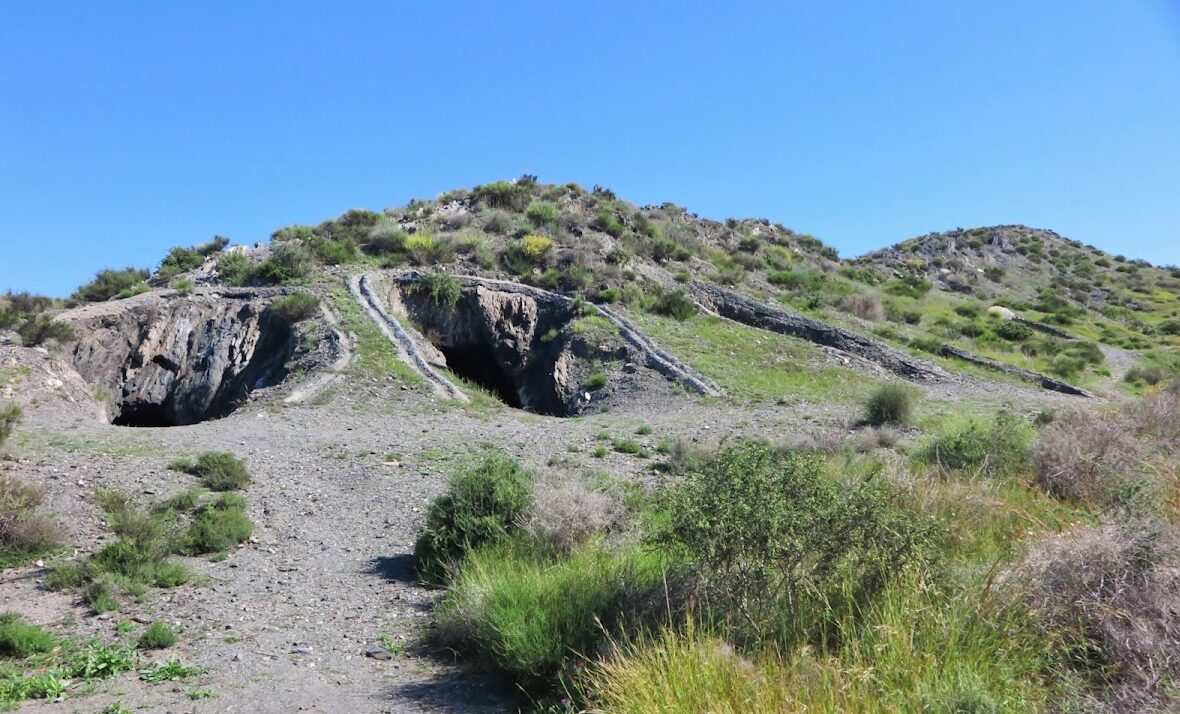
The surviving archaeological areas represent several phases of settlement and use. The Phoenician-Punic remains are concentrated in the necropolis north of the settlement, while the Roman productive district occupied an area outside the main settlement. Near the coast and Roman area stands Villaricos Castle, an eighteenth-century watchtower. Industrial remains associated with lead and iron exploitation, dating to the mid-nineteenth century, survive near the hypogea.
Phoenician-Punic necropolis
Burial chambers
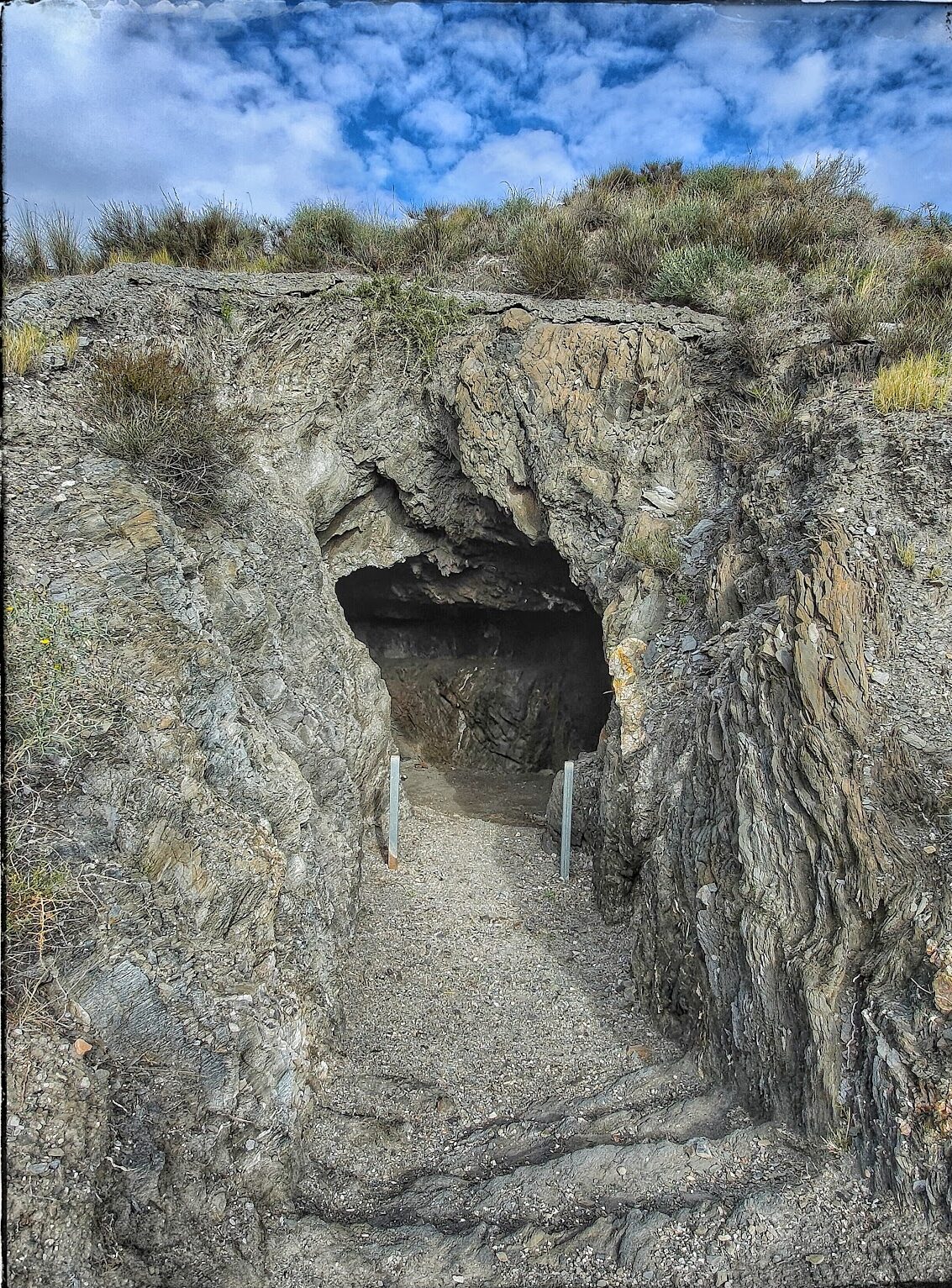
The necropolis extends across a large area and preserves a long chronological sequence, with its earliest tombs dating to the sixth century BCE. These monumental hypogea, underground or partly underground burial chambers, were excavated wholly or partly in the rock. Their walls were constructed in masonry, then plastered and painted. Corridors, sometimes fitted with steps, led into the chambers, while wooden-leaf doors were protected by stone slabs.
Some tombs contained rich grave goods, including Greek ceramics and carved or painted ostrich eggs dating from the sixth to the fourth centuries BCE. These objects belong to the period when the city-state was prosperous. Burial customs changed over time: the dead were first placed within the tomb chambers, while cremation later became widespread.
Funerary stele
The Villaricos Phoenician stele is a limestone funerary monument from the fifth century BCE. It measures 90 by 27 by 22 centimetres and bears a four-line inscription composed of 17 characters. The text identifies the tomb of Gerashtart, who is described as a devotee of Astarte and the son of Baal-piles.
The stele’s letter forms differ slightly from those usually found in Carthaginian inscriptions. This variation has been interpreted as evidence of regional differences in Punic writing, possibly influenced by local Iberian scripts or by the relative isolation of Punic communities in Spain. The monument is now displayed at the National Archaeological Museum in Madrid, where it carries inventory number 1907/32/7.
Roman productive district
The Roman extramural district contained facilities for salting fish, warehouses, and other productive installations. The complex operated from the late first century BCE through the fourth century CE, reflecting the economic activity that accompanied Baria’s renewed expansion under Roman rule.