Frankopan Castle, Ogulin: A Renaissance Castle and Military Base
Site at a Glance
- Country
- Croatia
- Primary era
- Medieval
- Eras represented
- Medieval
- Civilizations
- Kingdom of Croatia
- Site type
- Military
- Remains
- Castle
On this page4 sections
History
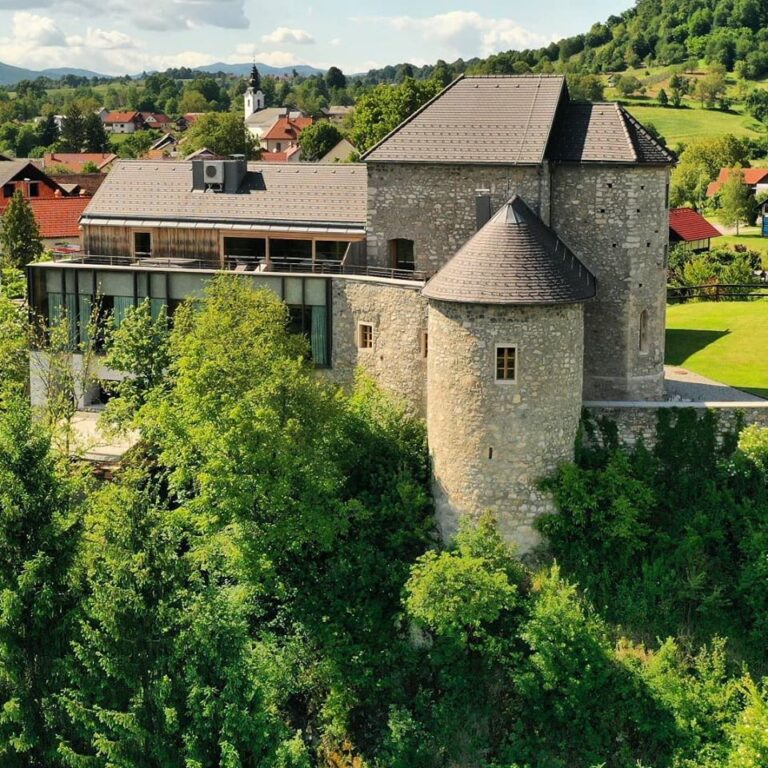
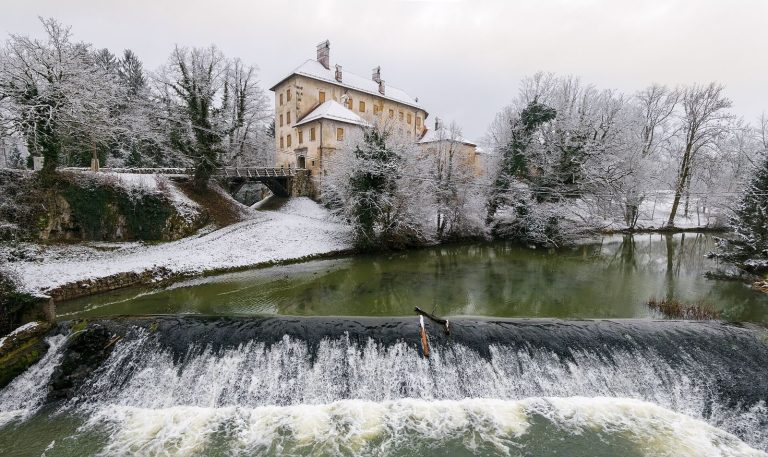
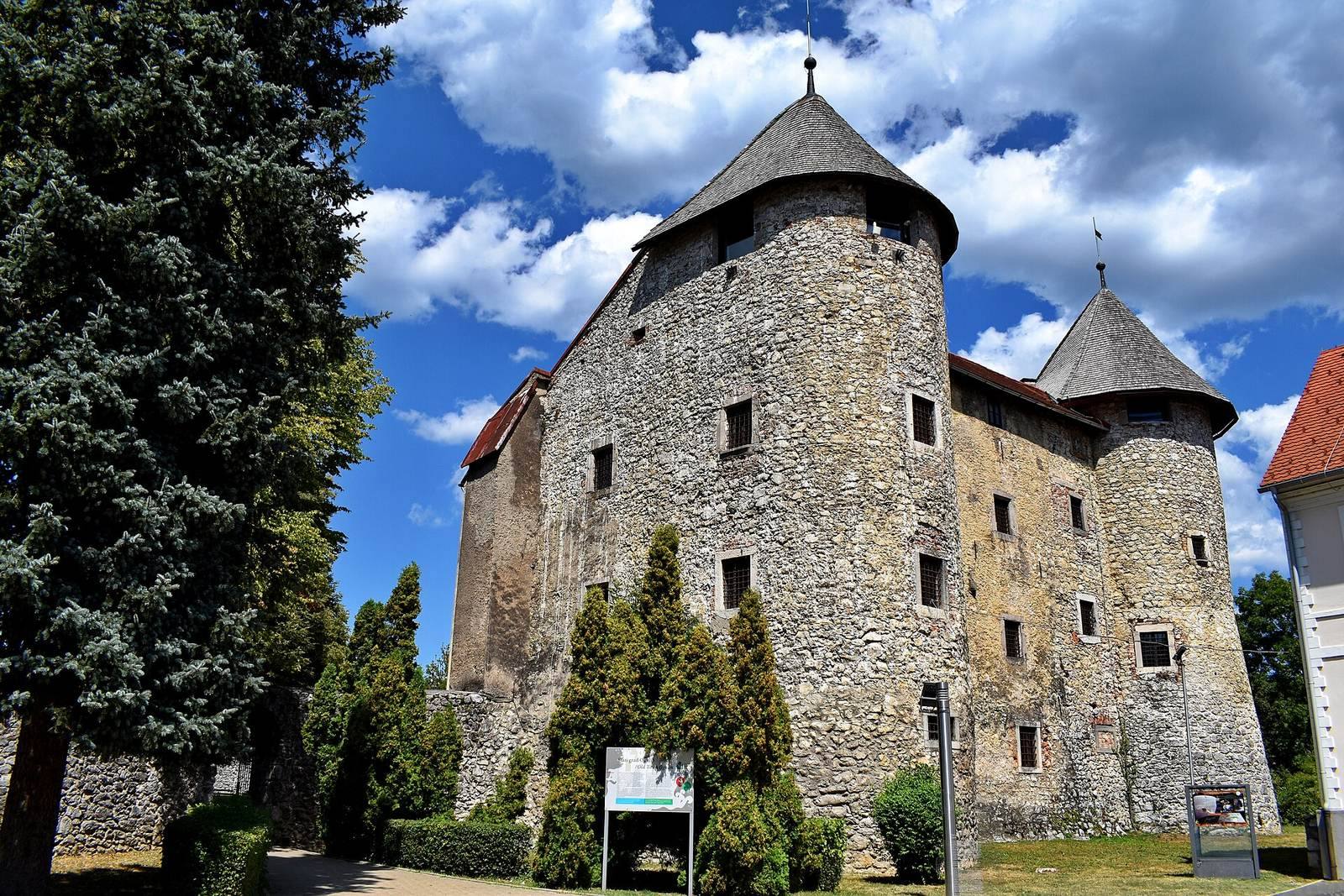
Frankopan Castle is a preserved water castle, a fortified castle protected by surrounding water, in Ogulin, Croatia. Bernardin Frankopan, a Croatian nobleman, built it toward the end of the fifteenth century as a defense against further Ottoman advances. The destruction of nearby medieval Modruš in 1493 during the Ottoman wars, and the expulsion of its population, formed part of the circumstances behind its construction. The Ottoman Empire, centered in Anatolia, was expanding into southeastern Europe during this period. First recorded in 1500, the castle was held by the Frankopan family. It is regarded as one of Croatia’s most important Renaissance monuments. The Renaissance was a European cultural and artistic movement that began in the fourteenth century and continued into the early modern period.
Settlement and the Military Frontier
After the castle was completed, people displaced by Ottoman attacks on nearby villages established settlements in its vicinity. By the middle of the sixteenth century, a market town had developed there, forming the settlement of Ogulin.
In 1553, troops of the Habsburg dynasty, a European ruling house whose members held the Holy Roman imperial title, occupied the castle during the reign of Ferdinand I, Holy Roman Emperor. From 1570, the castle served as the seat of the 13th Border Command and as an important military base within the Military Frontier, a Habsburg military and administrative border zone established to defend against the Ottoman Empire. From 1746 until the Frontier was dissolved in 1873, Ogulin and the castle were the center of Border Infantry Regiment No. 3.
In 1830, Josip Jelačić was appointed a subcaptain in the border regiment. He later became Ban of Croatia, a high governing official broadly comparable to a governor, and a military commander. At the start of his service, he commanded a company, or military unit, from Kordun, a historical region of central Croatia. It was stationed at Drežnik, near the then Ottoman frontier in what is now Bosnia.
Prison use
After the castle had lost its defensive role, it was converted into a prison in 1865. In 1933, Josip Broz Tito, later a Yugoslav communist leader and president, served four months there following an appeal judgment. The case concerned the promotion of communist ideas in Kraljevica and involved a group of associates; Tito had initially received a seven-month prison sentence.
Remains
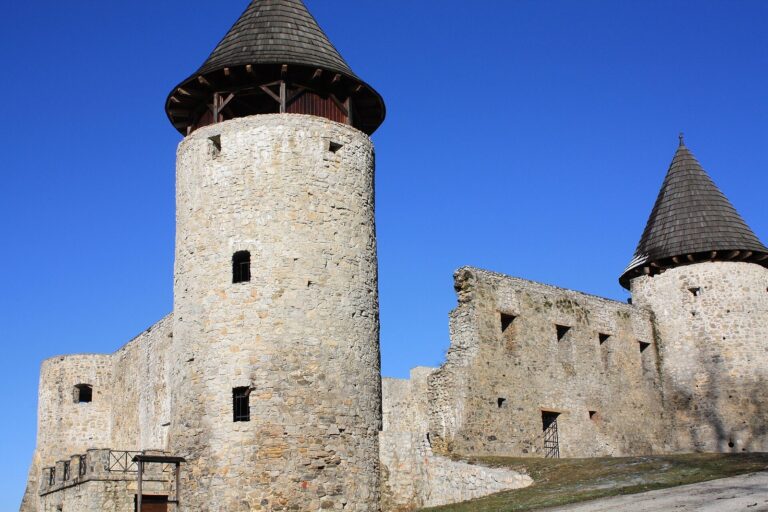
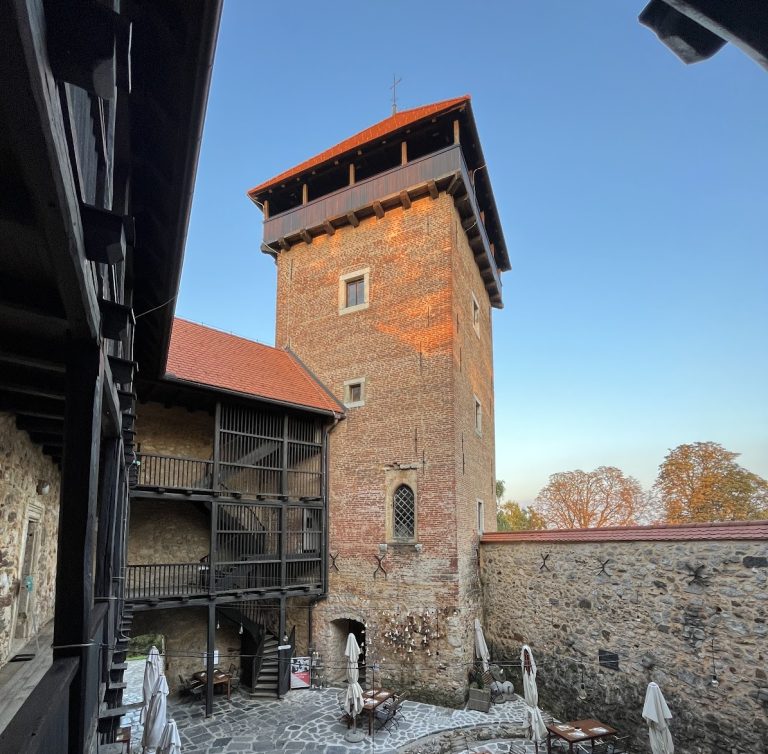
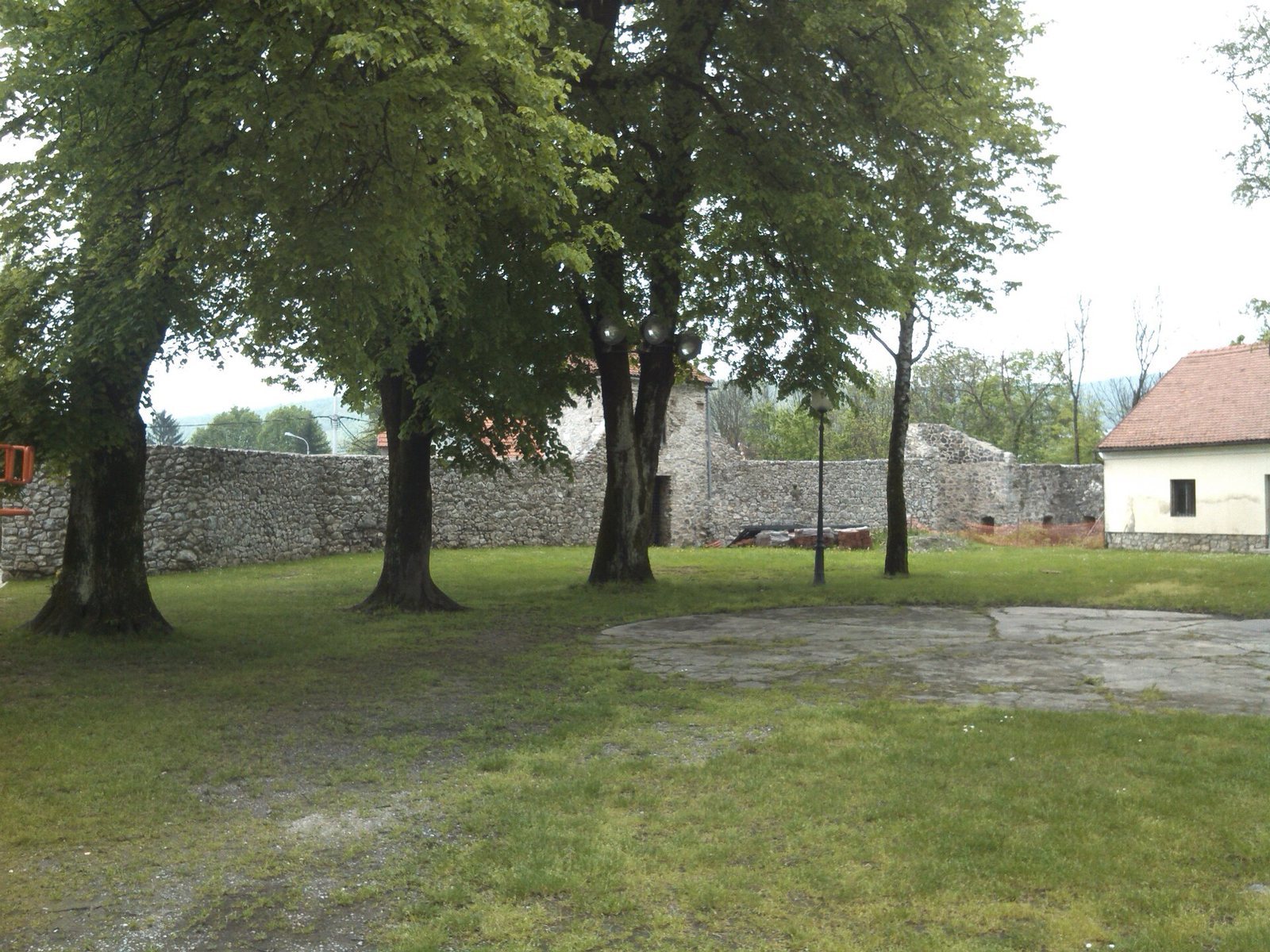
The preserved castle lies in central Ogulin beside the Dobra River and the sinkhole called Đulin ponor. Its features include an inner courtyard and defensive walls, with western curtain walls, sections of defensive wall, along the western side. A chapel dedicated to Saint Peter, one of Jesus’s apostles and an early leader of the Christian church, was built during the castle’s construction toward the end of the fifteenth century.