Franciscan Monastery in Subotica: A Monastic, Parish, and Educational Center
Site at a Glance
- Popularity
- Medium
- Country
- Serbia
- Primary era
- Early Modern
- Eras represented
- Medieval, Early Modern, Modern
- Civilizations
- Austria-Hungary, Habsburg, Habsburg Austria, Hungarian, Ottoman
- Site type
- Religious
- Remains
- Monastery
On this page7 sections
History
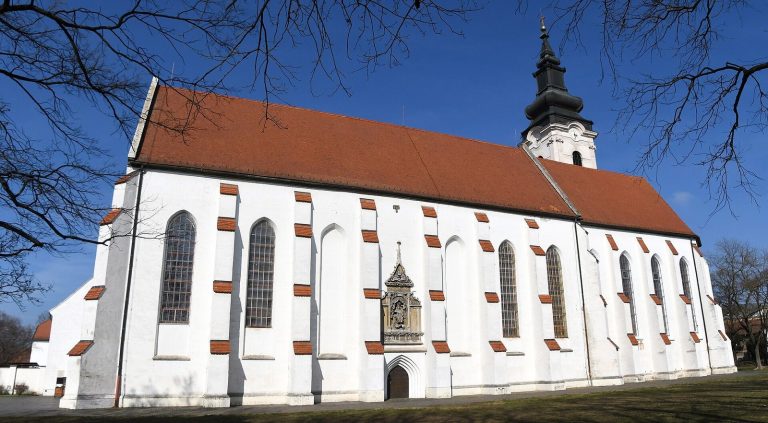
The Franciscan monastery in Subotica, Serbia, and its Church of St Michael occupy the site of a fortress built in 1439 through the efforts of John Hunyadi as a strategic point in the struggle against the Ottomans. Franciscans, members of the Catholic Order of Friars Minor, settled there in 1686. During the Great Turkish War, a late-seventeenth-century conflict involving Habsburg and Ottoman forces, Catholic refugees arrived from Bosnia and Herzegovina as Subotica grew rapidly. Tradition names Franciscan friar Anđeo Šarčević as a leader of Bunjevac migrants, members of a South Slavic Catholic community.
By 1692, a dark-colored image of the Virgin Mary known as the Black Madonna was venerated in a separate chapel. Franciscan Dionizije Andrašec associated the devotion with Our Lady of Olovo and Our Lady of Sinj. A related tradition held that Bunjevac migrants had brought the image to Subotica by 1650. The Franciscans had a church and residence by 1693. After a debate in Rome about the monastery’s affiliation, it was assigned to the Province of the Holy Savior, a regional Franciscan administrative branch. Franciscans from Szeged had also provided pastoral care to Subotica’s Catholics during Ottoman rule.
A chapel was established in 1695, and rooms in the fortress tower were converted into a monastery in 1716. The fortress was adapted for church and monastic use in 1723. Work on a new church and monastery began in 1729; the church was built in 1730 and Archbishop Gabriel Patačić consecrated it on 15 April 1736. In 1704, during the Rákóczi uprising, a revolt against Habsburg rule, residents led by Franciscan Josip Kovač fled to Petrovaradin.
Education and pastoral work
The Franciscans opened Subotica’s first elementary school in the monastery in 1731 and its first lower gymnasium, the lower division of a secondary school, in 1747. After 1775, the gymnasium offered all six grades; in 1862 it passed to secular educators. A higher school of rhetoric and philosophy also operated, and a philosophical college of the Franciscan province ran from 1801 to 1839 and again from 1876 to 1897. The friars’ educational work helped keep Joseph II’s measure to suppress Franciscan monasteries from being applied to this house.
Construction of the present monastery began in 1753 and was completed in 1767. That year, five preachers from Dalmatia served there, while the Franciscans administered six outlying churches at Bačaljmaš, Jankovac, Miljkút, Topola, Kanjiža, and Senta. Fourteen parishes were established in this pastoral area during the eighteenth century. The monastery and church served as Subotica’s only parish until Archbishop Josip Batthyany transferred the parish in 1773 and established the parish of St Theresa. Lay religious associations included the St Michael confraternity, active from 1739, the earlier Brotherhood of the Franciscan Cord, and the Brotherhood of Christian Doctrine, founded in 1761.
Later changes
The monastery belonged to the Province of St John Capistrano from 1900 and to the Province of Saints Cyril and Methodius from 1923. The church was renovated and enlarged in 1907. Franciscans led the parish of St Michael from 1921 to 1933, then gave it up voluntarily to concentrate on contemplative life. The monastery and church have provided pastoral care in Croatian and Hungarian for centuries and continue to do so in part.
Wall paintings in the refectory were restored in 1995, and roof repairs followed in 1999. The monastery is protected in Serbia as a cultural monument of great importance.
Remains
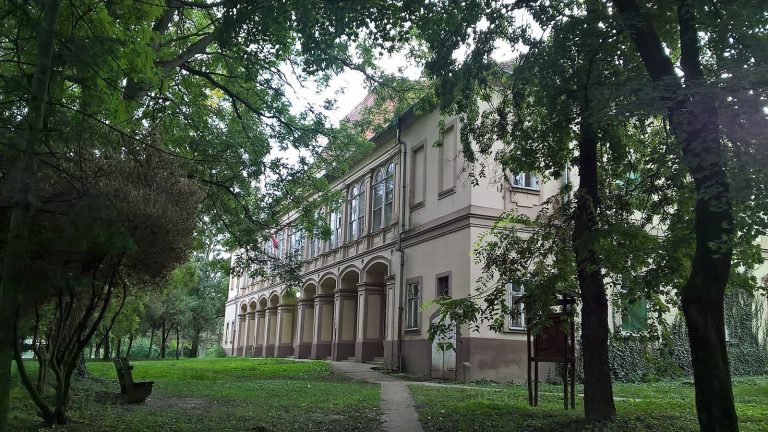
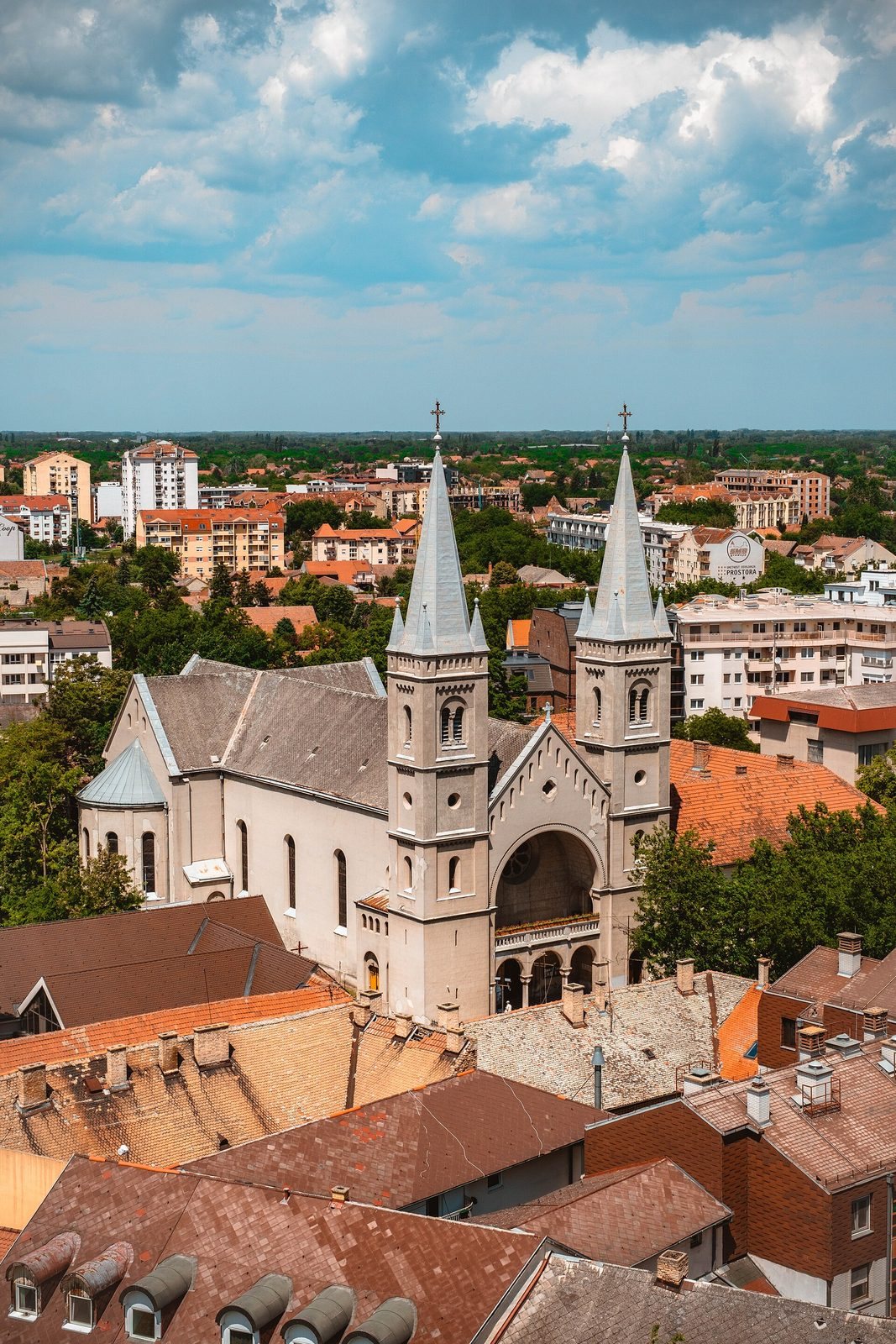
The complex combines the church with a two-storey monastery arranged around a spacious rectangular courtyard. Corridors run along both levels of the monastery, linking the rooms around the court.
Church of St Michael
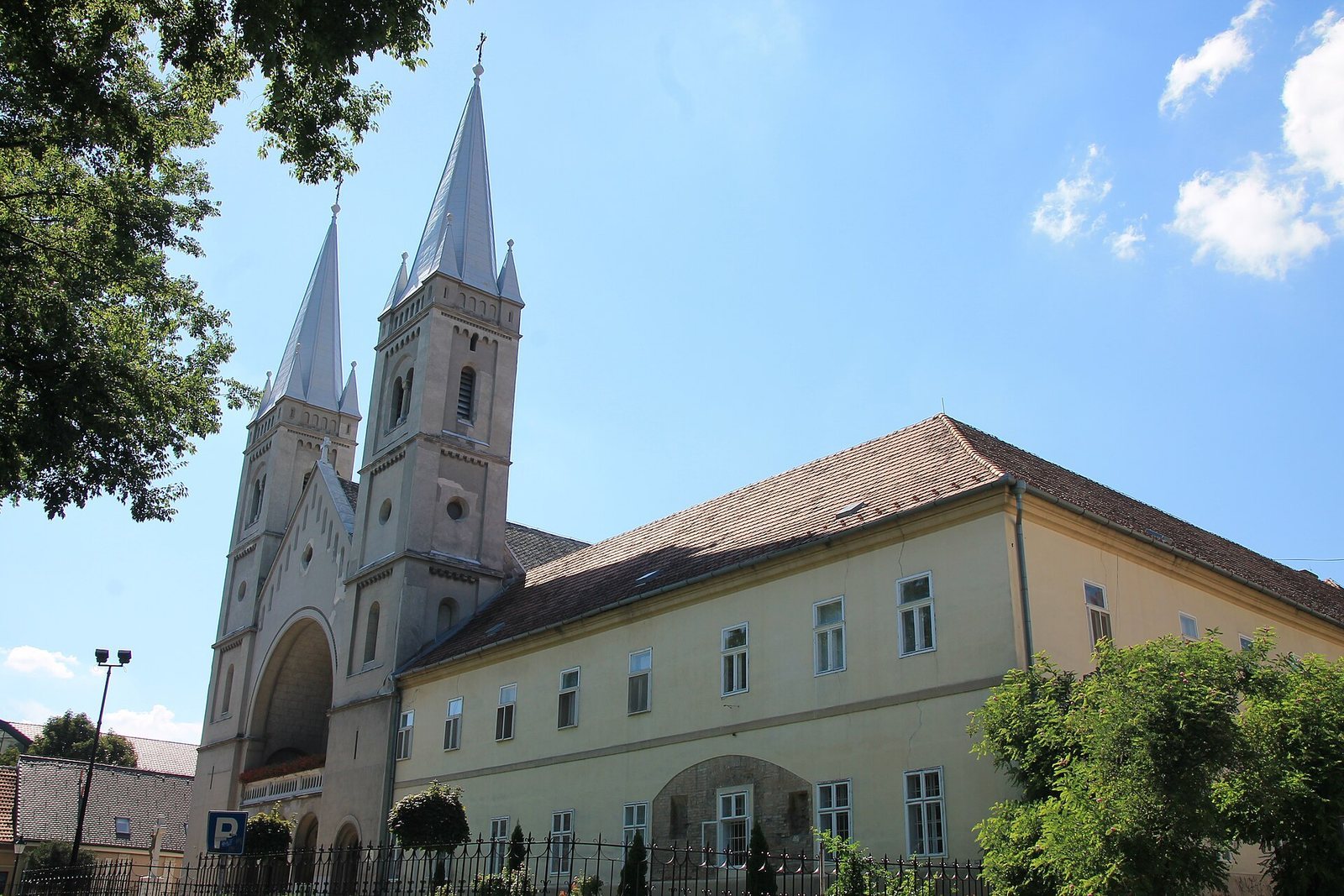
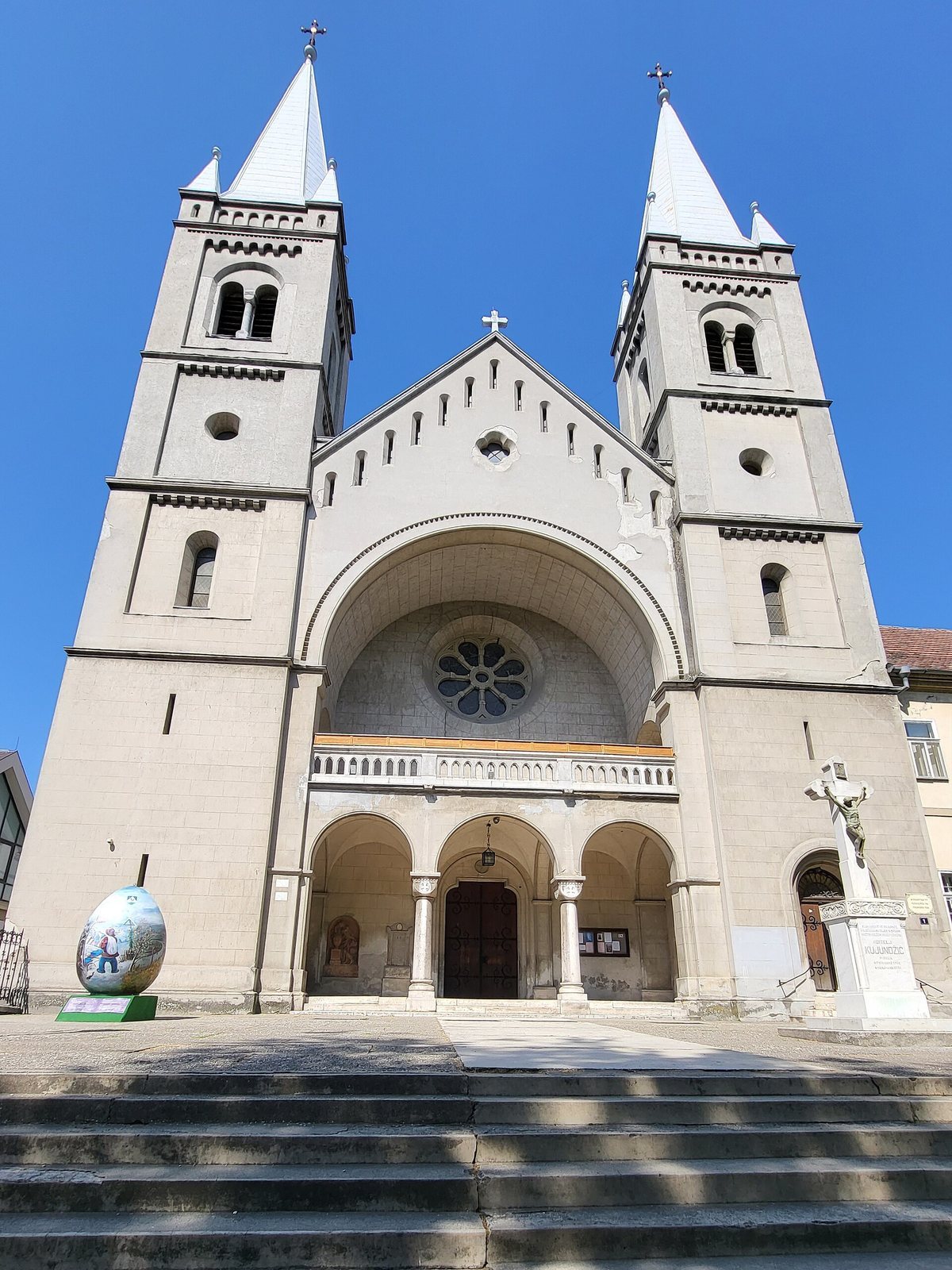
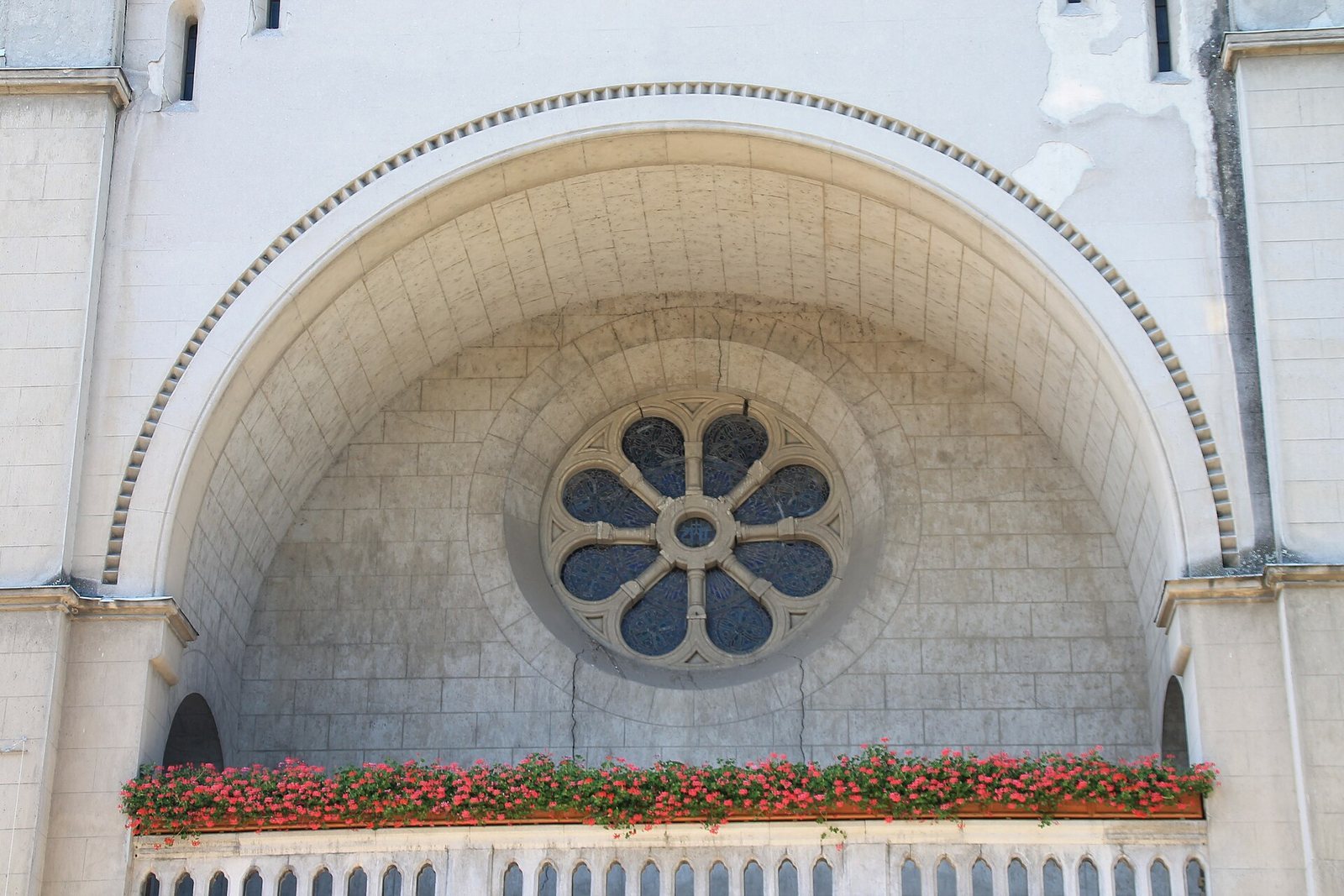
The church was formed by enlarging a chapel located in a large hall of the fortress tower. It has two bell towers, and the monastery entrance is at the foot of the church’s south tower, built during the Ottoman occupation. At the church’s consecration, its furnishings included a main altar and six additional altars.
Monastery building
The ground and upper floors have corridors with spherical vaults, curved ceilings with a rounded surface. The façades are generally plain, with a projecting horizontal molding dividing the walls into two sections. Inside are several confessionals, a Lourdes grotto, and the chapel of the Black Madonna, where devotion to the image continues. A bust of St Anthony of Padua also has a place of honour, with worshippers gathering to pray before it.
Library and artworks
The library holds more than 15,000 books, including a fifteenth-century book printed before 1501 that describes Bunjevac migrations and efforts to preserve their faith and traditions.
The monastery’s eighteenth-century works include 13 altarpieces and 33 paintings of Franciscan saints, as well as crucifixes and wooden statues. Wall paintings decorate the refectory, the monastery’s communal dining hall.