Fort Metal Cross: A British Trading Fort in Ghana
Site at a Glance
- Rating
- 4
- Popularity
- Low
- Country
- Ghana
- Primary era
- Early Modern
- External website
- Open
- Eras represented
- Early Modern
- Civilizations
- English
- Site type
- Military
- Remains
- Fort
On this page5 sections
History
Establishment and Atlantic Trade
Fort Metal Cross is a British fort and trading post in Dixcove, Ghana, established in 1683 under the name Fort Dixcove. Construction was completed sometime between 1691 and 1697. During this period, Brandenburg-Prussia, a European state with colonial interests on the West African coast, began building Fort Groß Friedrichsburg about 15 kilometres to the west to defend its colony.
The fort became an important station in the Atlantic slave trade, where enslaved people were imprisoned. It also supported trade between Europeans and Africans, supplied timber from nearby forests, and provided ship repairs. Much of the gold mined in the area was impure, and the anticipated returns failed to materialize. The writer Bosman consequently derided the fort as a deceptive source of gold wealth.
Sieges and Changes of Control
In 1712, John Kanu, also known as Jan Conny, besieged the fort twice. A local political and commercial intermediary between Prussian interests and inland communities, Kanu was a Prussian ally and was said to command a force of about 15,000 in a personal feud with the British and Dutch. British, Dutch, and African allied forces defeated his first attack. During the second, people from Dixcove supported Kanu, but the fort held. An explosion killed British soldiers and local supporters.
The British temporarily abandoned the fort in 1826 and returned in 1830. An Anglo-Dutch fort exchange, agreed in 1867 and carried out in 1868, transferred it to Dutch control. The Dutch renamed it Fort Metalen Kruis, meaning Fort Metal Cross, a name that remained in English use. The transfer helped bring about the Fanti Federation, a coalition of neighboring Fanti kingdoms and smaller peoples, including the Ahanta. After British forces departed, federation forces occupied the fort and repelled several Dutch attacks. Their resistance was one factor in the Dutch withdrawal from the Gold Coast, the historical name for the coastal region of present-day Ghana.
British Return and Later Use
Under the Anglo-Dutch Gold Coast Treaty of 1871, the fort returned to British control on 6 April 1872, along with the Dutch Gold Coast. British rule continued until Ghana became independent in 1957.
The fort was renovated between 1954 and 1956 and also served as a police station and postal station. In 1979, UNESCO inscribed it as part of Forts and Castles, Volta, Greater Accra, Central and Western Regions, together with 27 other forts. The listing uses criterion (vi), which recognizes direct associations with events, traditions, ideas, beliefs, or artistic and literary works of outstanding universal importance.
Remains
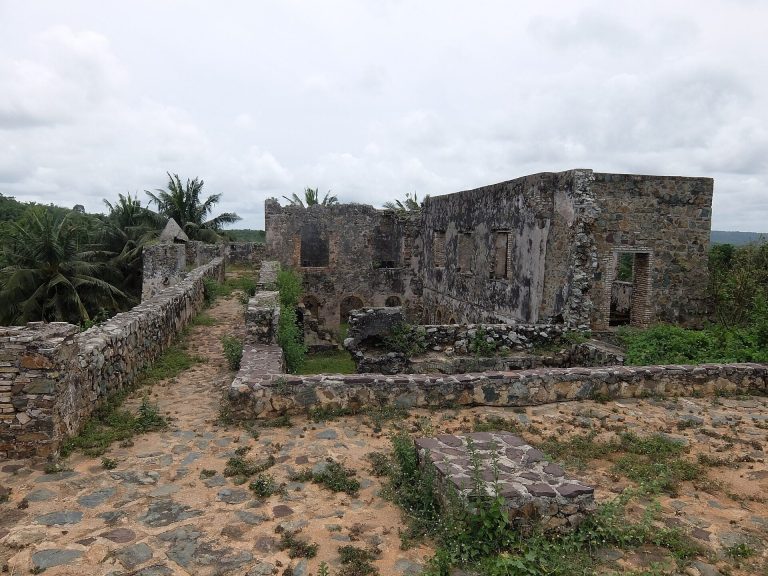
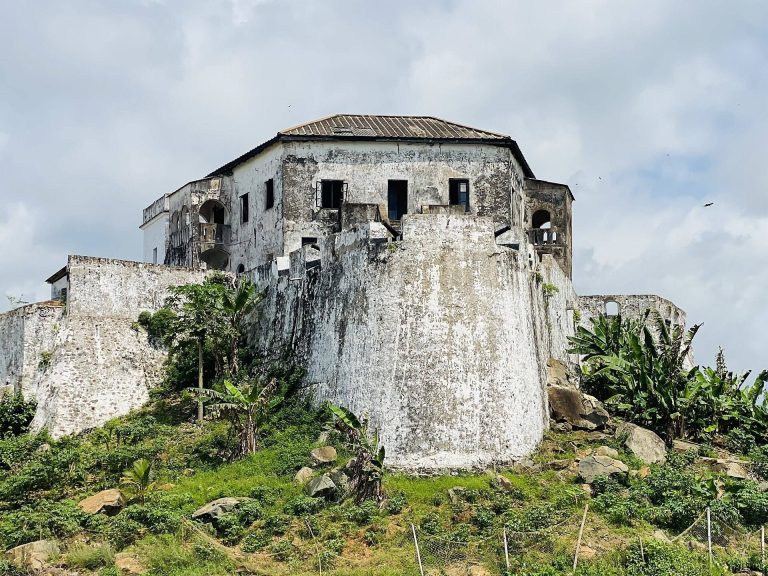
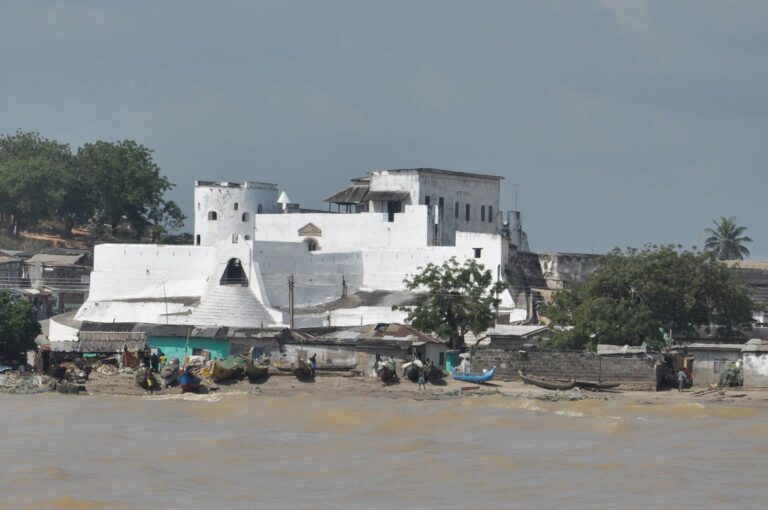
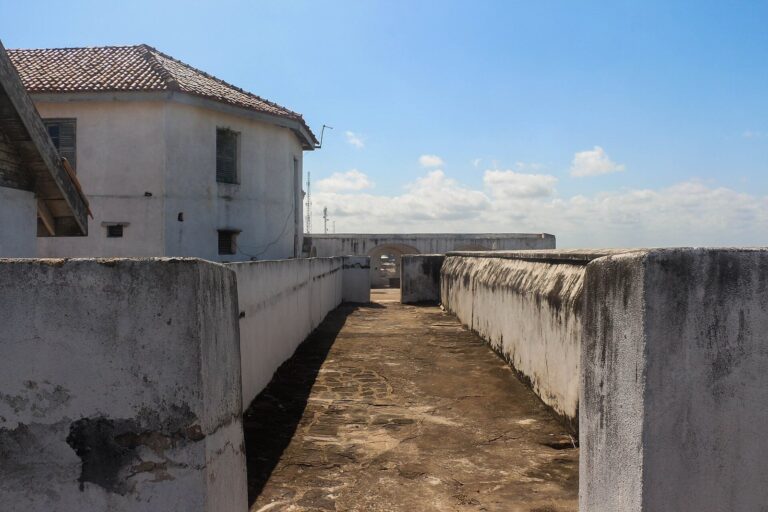
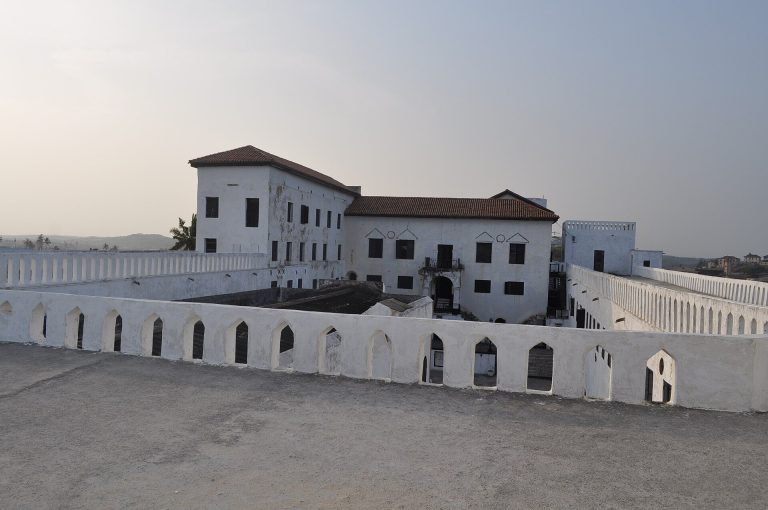
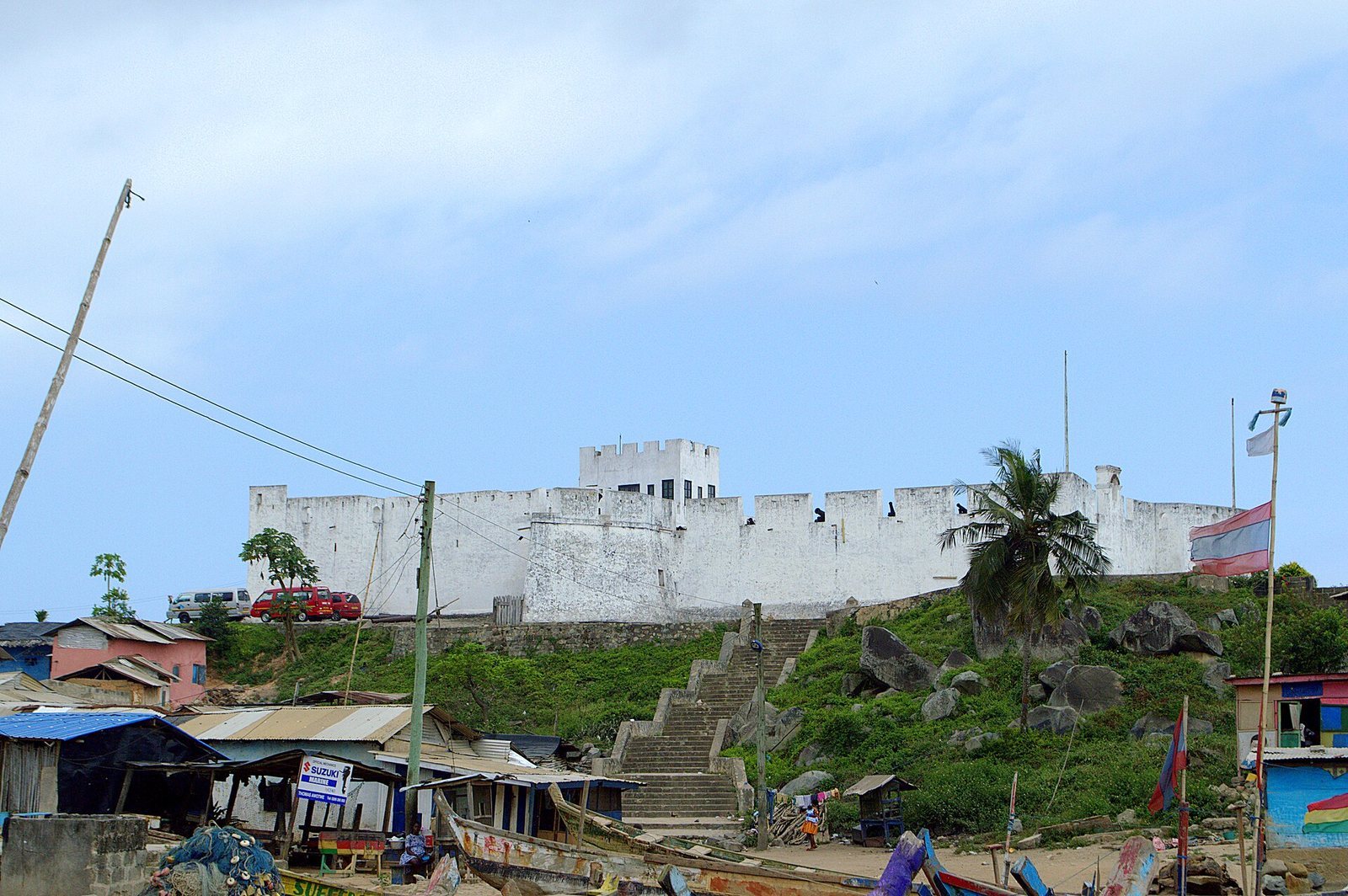
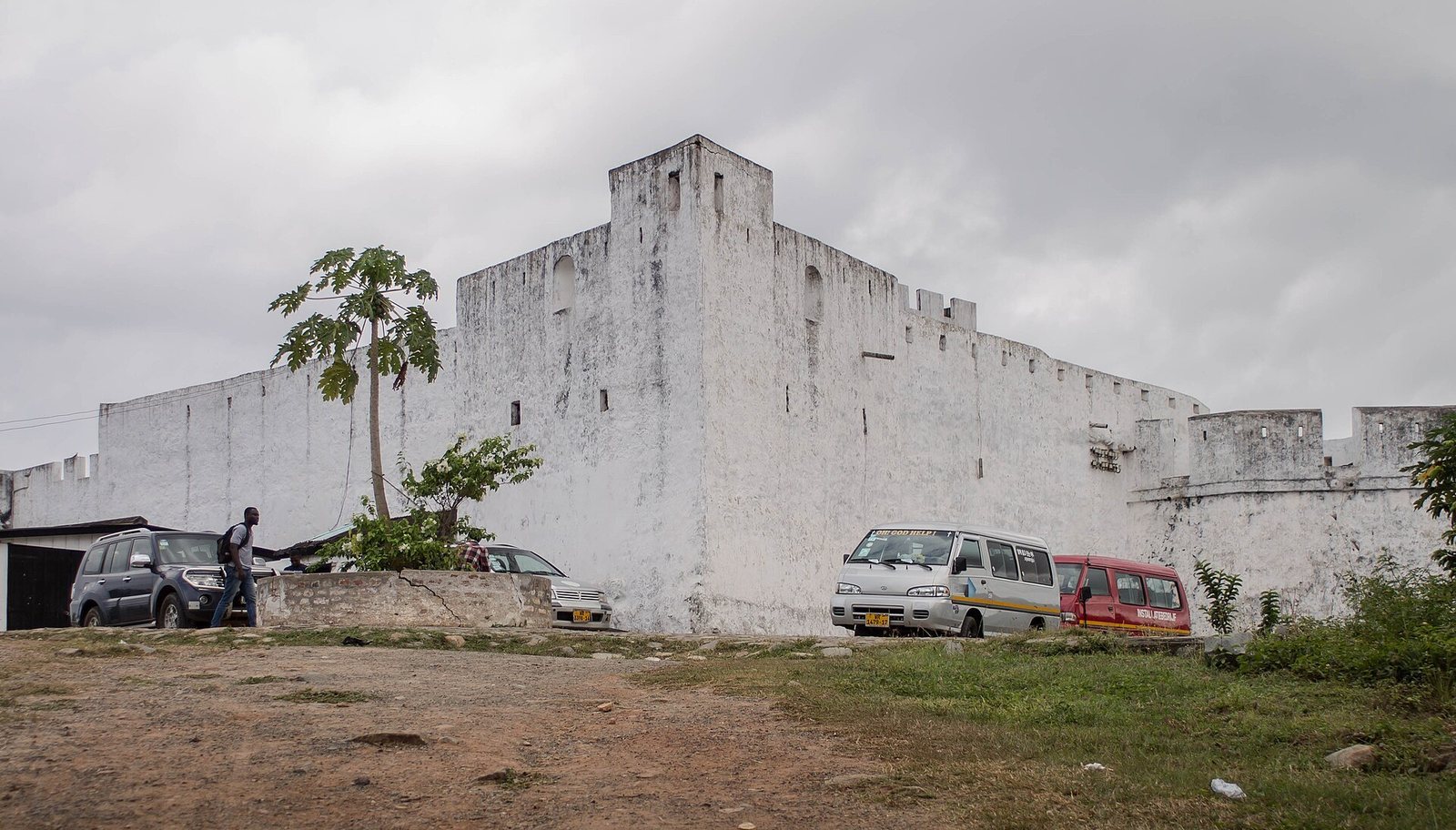
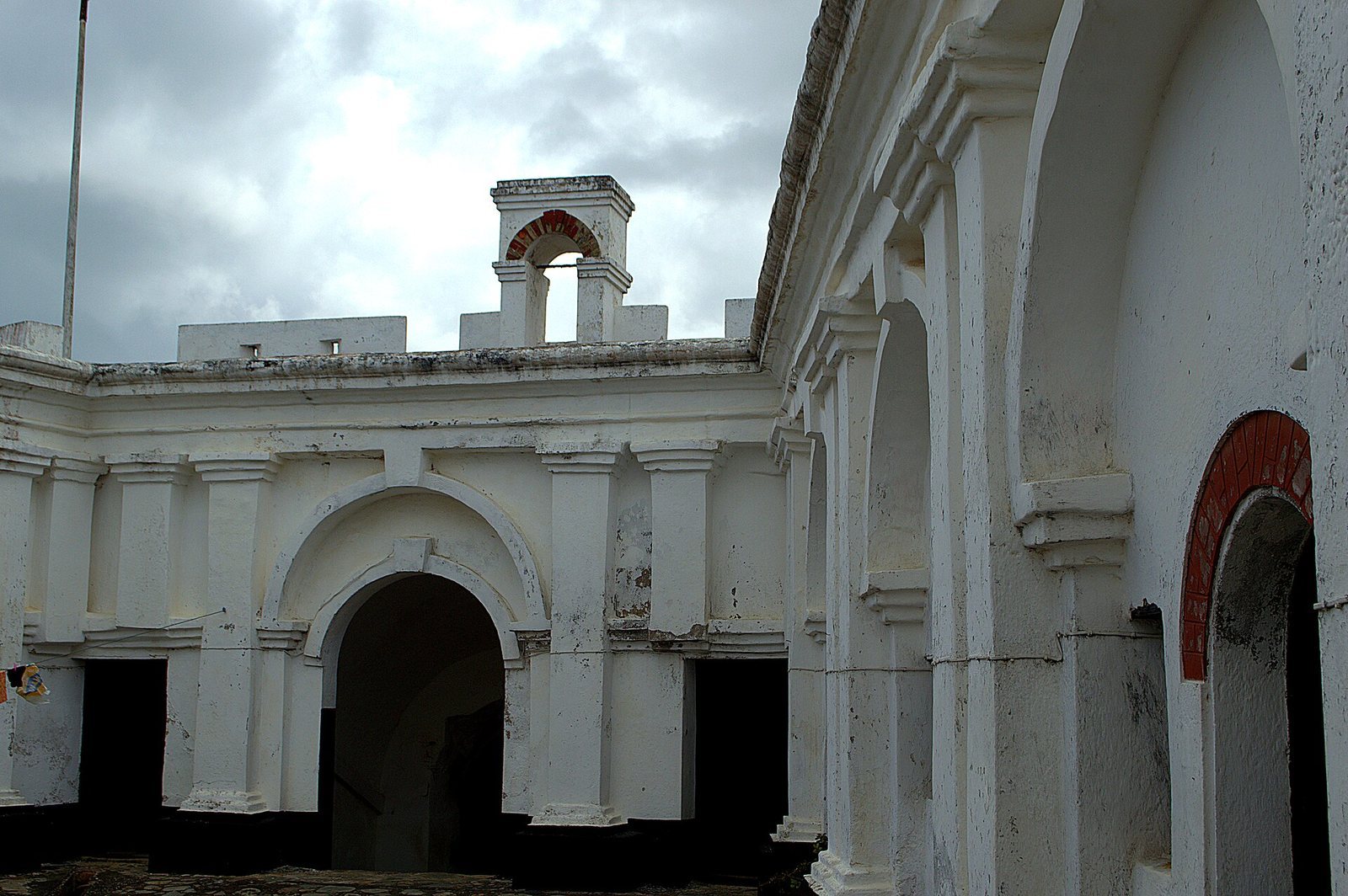
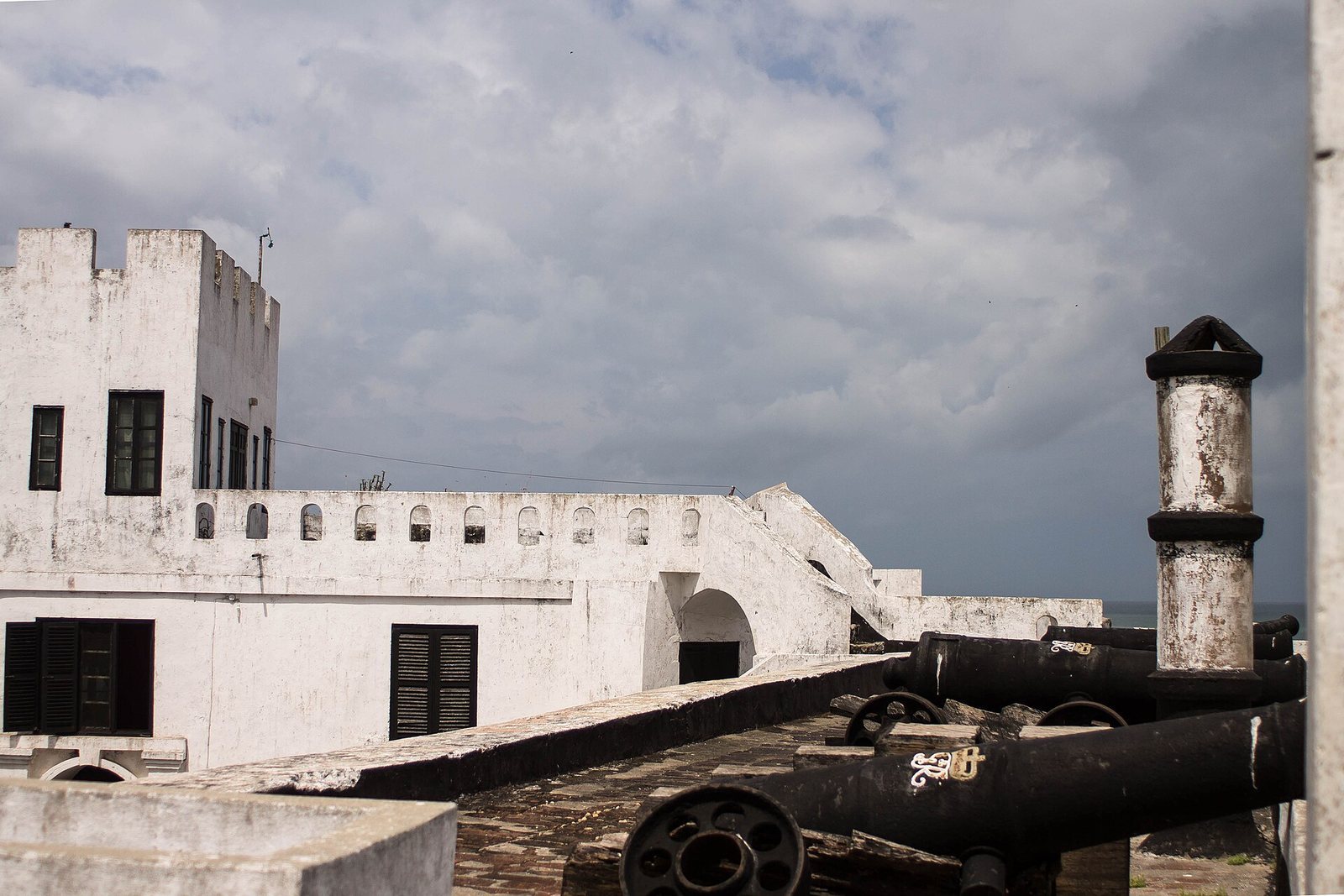
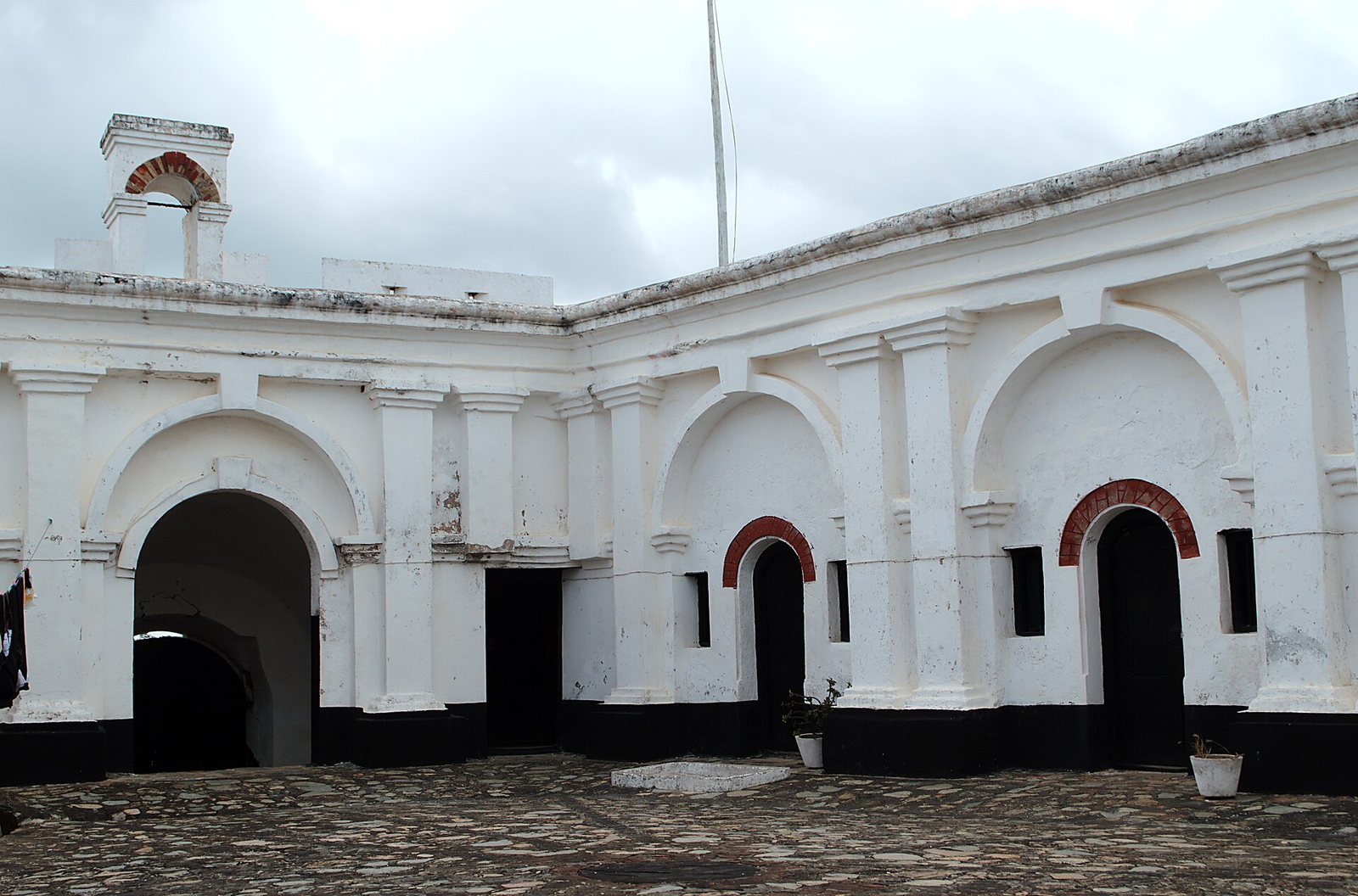
The fort is a fortified military and trading structure on elevated ground described as a promontory at Infuma, a fishing community within Dixcove in Ghana’s Western Region. It included a powder magazine, a secure store for gunpowder, which was destroyed in the explosion during the second siege of 1712.