Fort Coenraadsburg: A Dutch Defensive Fort at Elmina
Site at a Glance
- Rating
- 4
- Popularity
- Low
- Country
- Ghana
- Primary era
- Early Modern
- External website
- Open
- Eras represented
- Early Modern
- Civilizations
- Dutch, Portuguese
- Site type
- Military
- Remains
- Fort
On this page6 sections
History
Fort Coenraadsburg is a Dutch fort in Elmina, Ghana, whose permanent construction began in 1652 and continued into the 1660s under J. Valckenburgh, director-general at Elmina Castle. Built to secure a military position near the castle, it was not a commercial trading station and did not participate in the slave trade.
Portuguese chapel and Dutch conquest
The Portuguese established a trading post at Elmina in 1555, which became an important center of the slave trade. On a hill at the edge of the post, they built a chapel dedicated to Saint James between 1555 and 1558. In 1637, during the Battle of Elmina, Dutch forces seized the hill and burned the chapel, using the position to bombard Portuguese-held Elmina Castle. After taking the colony, they built an earthwork fortification there in 1638 to keep the position from being used against their own nearby stronghold.
Dutch military use and resistance
The permanent fort replaced the earthwork and was named Coenraadsburg. It served military and disciplinary functions: European convicts were imprisoned there, and officers who disobeyed Dutch laws could be confined as punishment. Its garrison numbered 25 soldiers, with replacements arriving every 24 hours. Outsiders were barred to prevent hostile reconnaissance.
In 1680 and 1681, local groups opposed to Dutch slave traders cut off Elmina’s forts from the surrounding country. They did not succeed in taking the town or its fortifications.
British attack and civilian reuse
In February 1781, during the Fourth Anglo-Dutch War, British forces tried to seize the fort while naval guns bombarded Elmina. The landing party arrived aboard HMS Leander and six transport ships, but its ladders were too short to reach the walls. After two days of intense fighting, the surviving members of two British regiments withdrew to their ships. The Dutch fort was never captured.
In 1872, the Netherlands ceded the fort to Britain along with the Dutch Gold Coast, its colonial possession on the coast of present-day Ghana. Under British control, the building was adapted for civilian use, serving at different times as a prison, hospital, and rest house. It also became a summer residence for local notables, with an extensive garden, and later served as a leisure center.
Ghanaian stewardship and heritage recognition
The fort was restored between 1956 and 1960. After Ghana became independent in 1957, it became one of the seats of the country’s Museums and Monuments Board. In 1979, it was inscribed on the UNESCO World Heritage List as part of the group of Ghanaian forts and castles. The listing, under cultural criterion VI, recognizes exceptional connections with events, traditions, ideas, beliefs, and creative works, and the group’s testimony to the Atlantic slave trade.
Remains
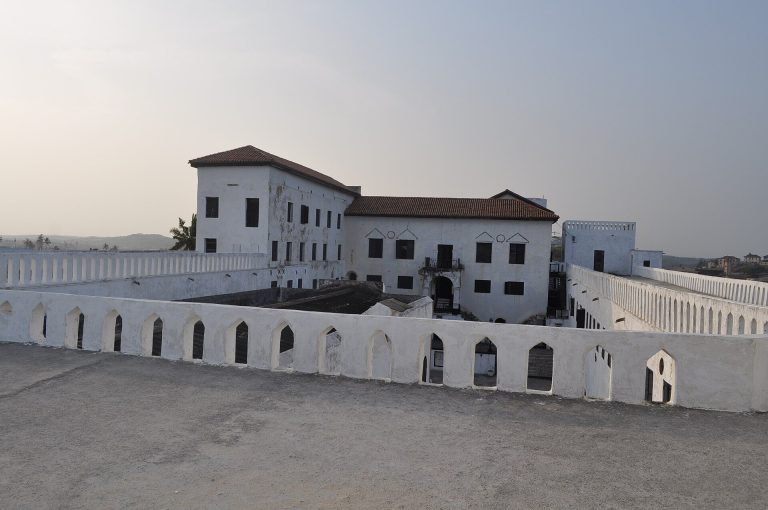
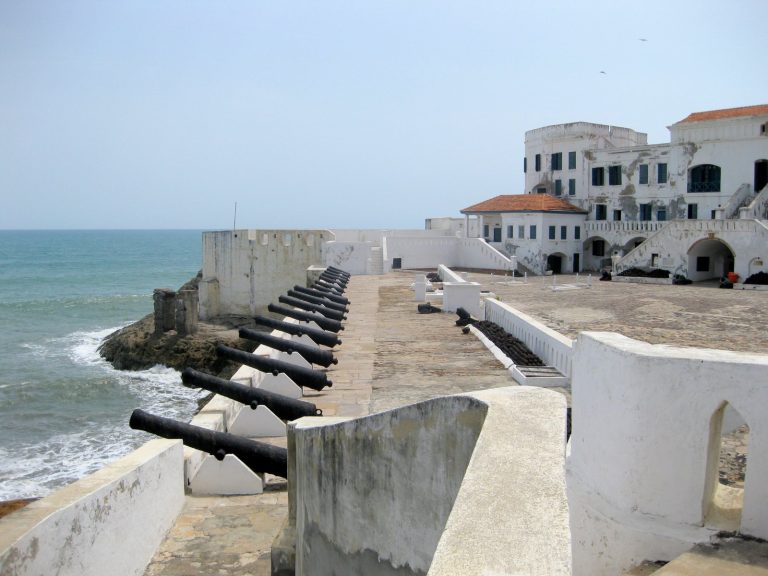
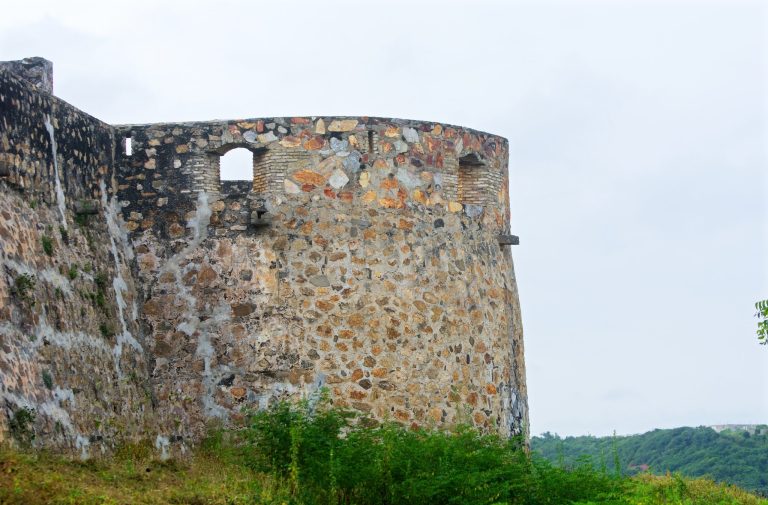
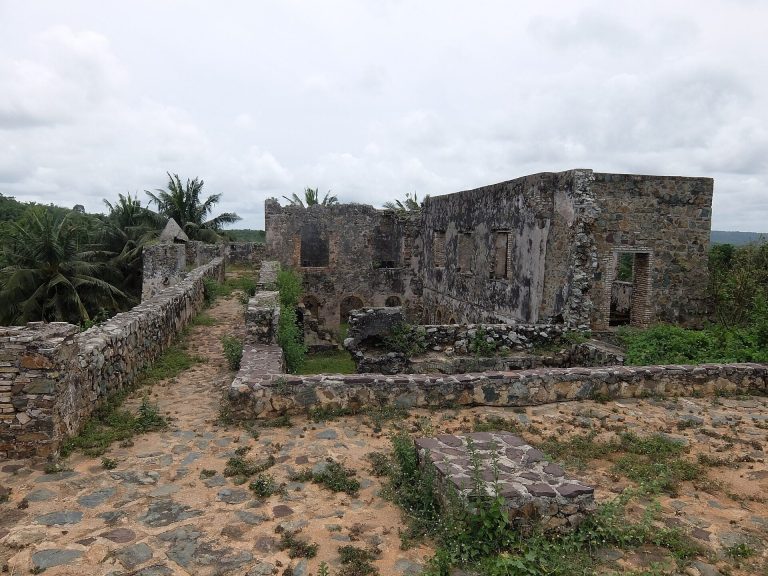
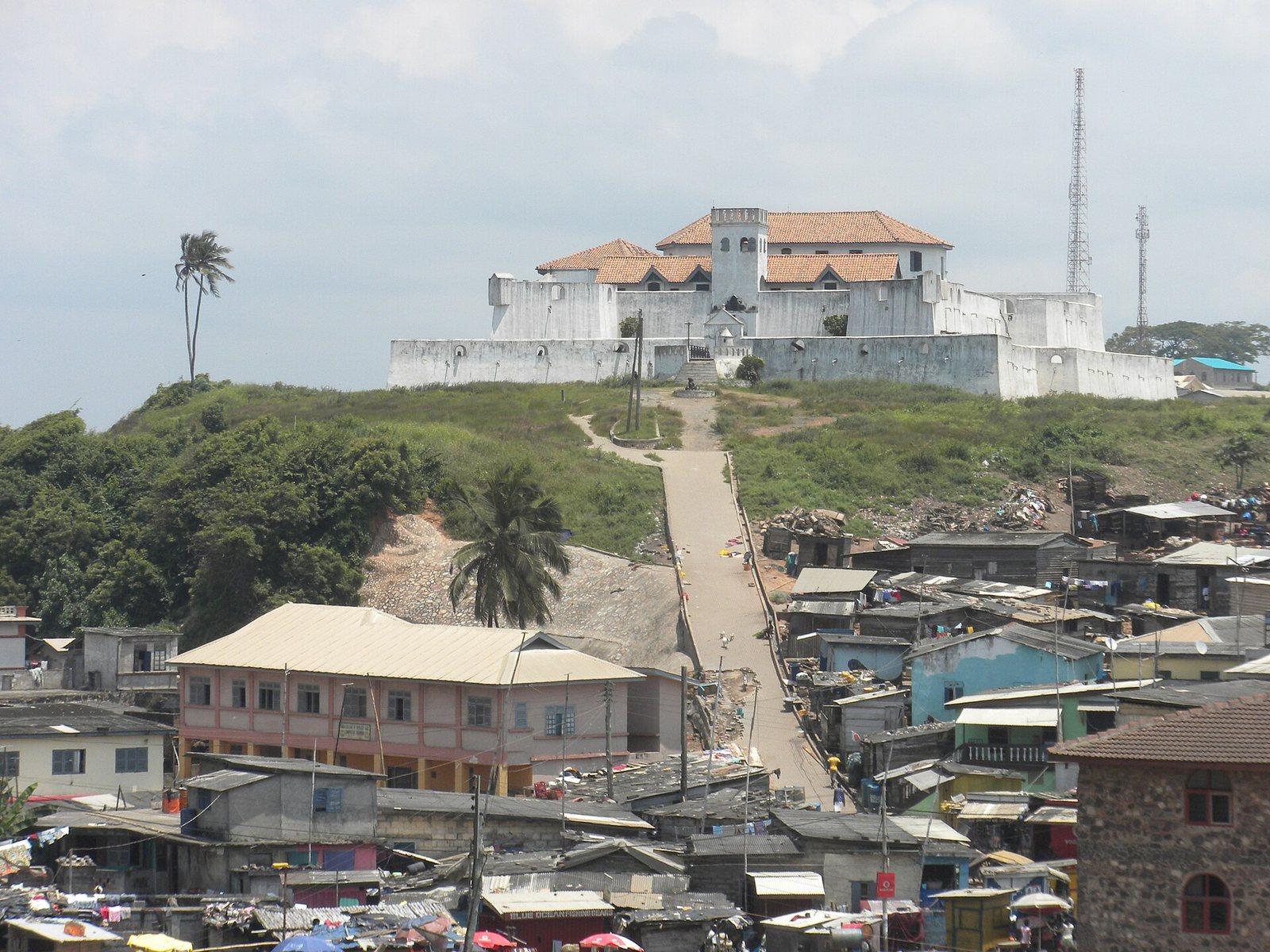
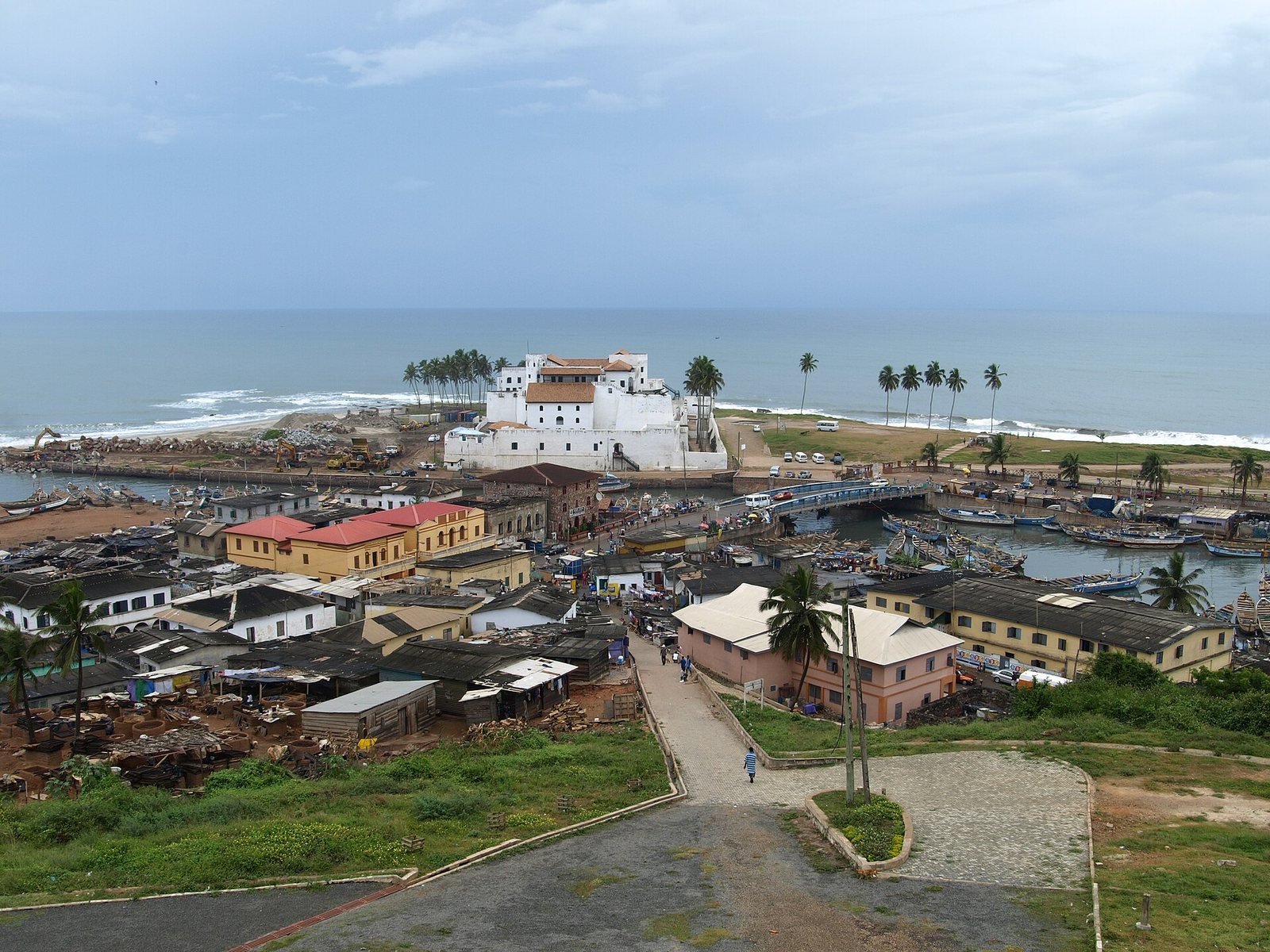
The compact fort occupies a hill opposite Elmina Castle, at a considerably higher elevation and about a musket’s firing range away. The two positions could support one another with cannon and small-arms fire. From the hill, the fort also had views over maritime approaches for nearly 30 nautical miles.
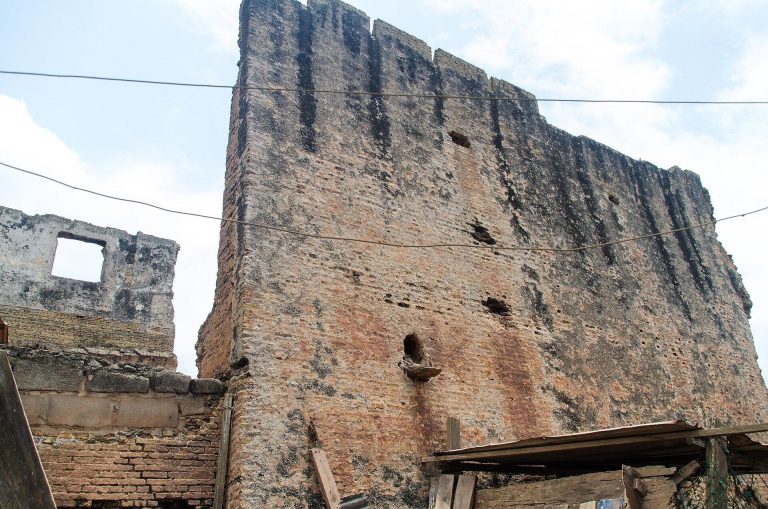
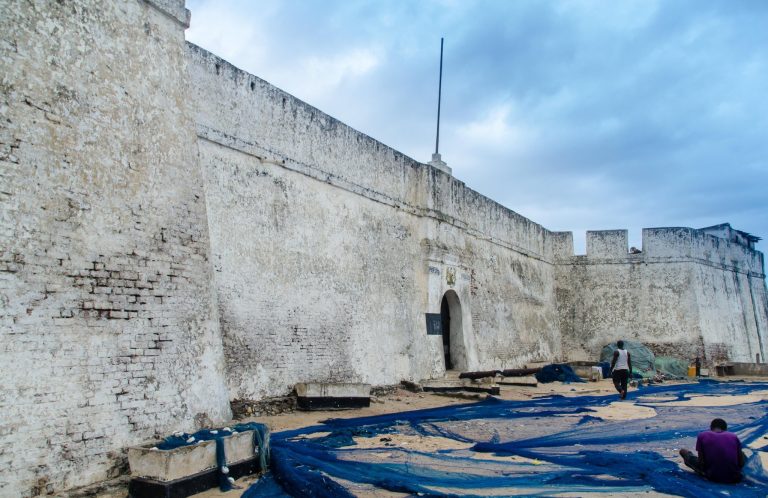
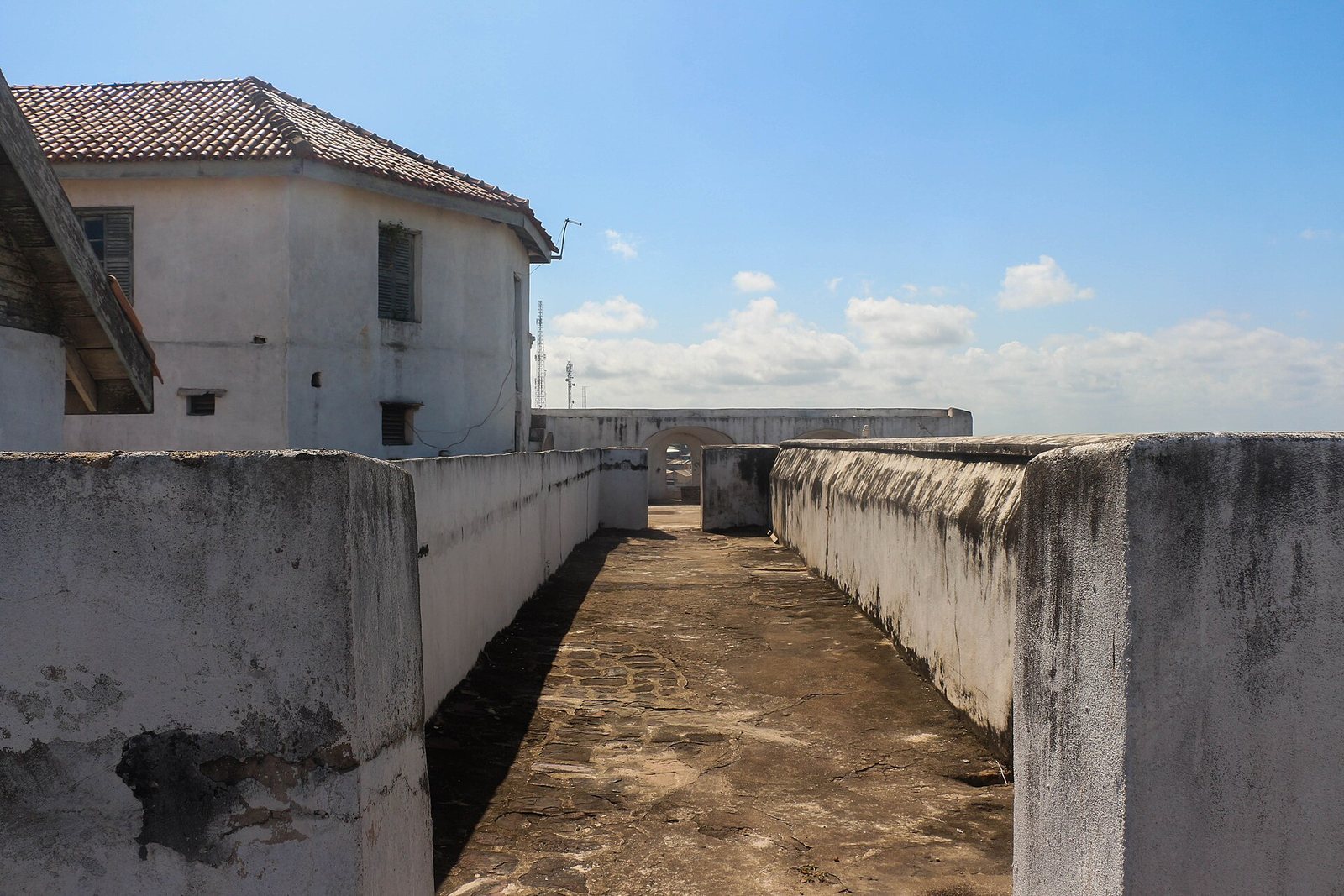
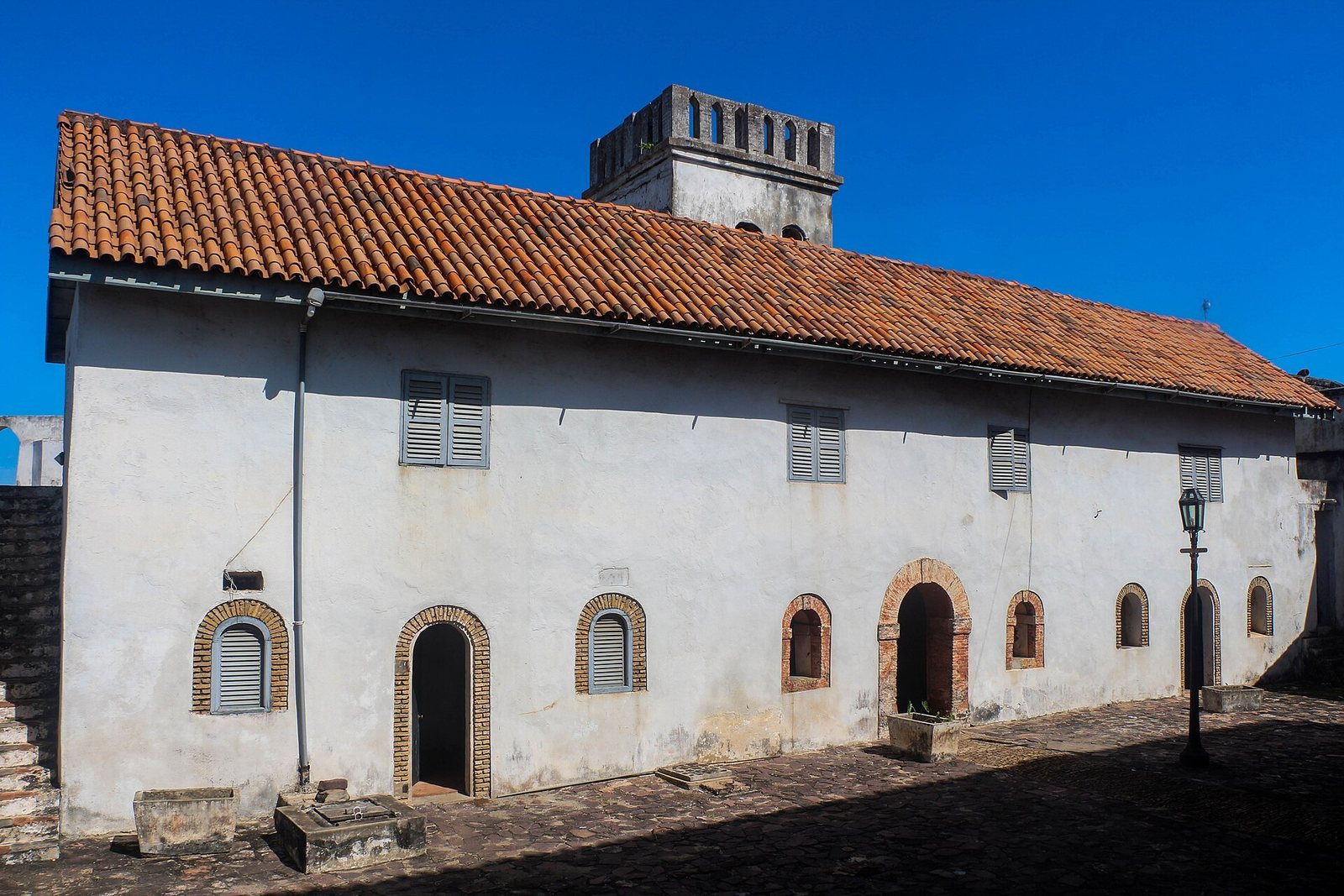
Built mainly of local sandstone, the fort developed around a small tower that served as a watchtower and barracks for a small garrison. The tower was partly rebuilt from the earlier chapel and retains decorative details attributed to the church. Its Manueline design belongs to a Portuguese style that combines late Gothic and Renaissance elements. A defensive wall and four gun batteries (artillery positions) set in corner bastions (projecting defensive platforms) complete the compact plan. The sole entrance was protected by a drawbridge, and the fort remains in good condition.