Auxiliary Infantry Fort 39 “Olszanica”: A Kraków Fortress Fort in Poland


Site at a Glance
- Rating
- 4.6
- Popularity
- Very Low
- Country
- Poland
- Primary era
- Modern
- External website
- Open
- Eras represented
- Modern
- Civilizations
- Habsburg
- Site type
- Military
- Remains
- Fort
On this page7 sections
History
Construction and Modernization
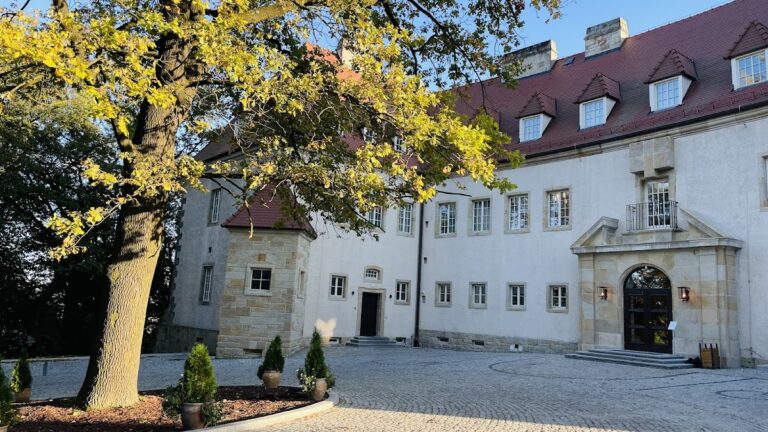
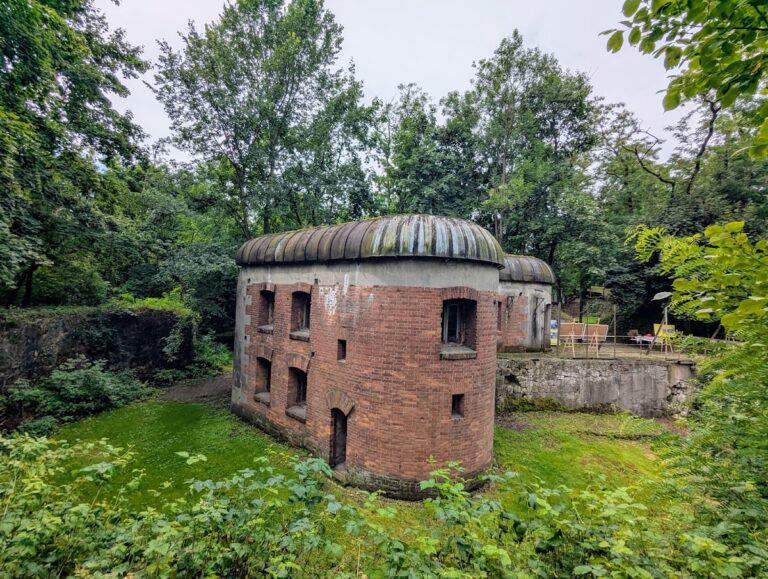
Auxiliary Infantry Fort 39 “Olszanica” is an armored fortification in Kraków, Poland, built by the Austro-Hungarian military as part of the Kraków Fortress. It was constructed on Prochowodka Hill in the Olszanica neighborhood in 1884–1885 as a semi-permanent fort, a defensive work intended to be less enduring than a permanent fortification.
In 1913, the fort was modernized and rebuilt as a permanent close-defence fort, designed to protect the immediate approaches to a larger fortified position. No fighting took place there during the First World War.
Protection and Later Use
The fort was entered in Poland’s register of historic monuments on 2 March 1983 under registration number A-637. Until 1984, it housed a Romet bicycle warehouse. That year, the property was transferred to the Kraków-Krowodrza Scout District of the Polish Scouting and Guiding Association, Poland’s national scouting organization, for use as a camping facility.
Several years later, an arson fire damaged the barracks while camping equipment was being stored there. The Scout Horseback Tourism Club subsequently managed the property on behalf of the scouting district. During a general renovation in the 1990s, the fort was adapted to include a small hotel for 26 people and a bar named “Fort 39.”
Remains
Defensive Complex
Armored Fort
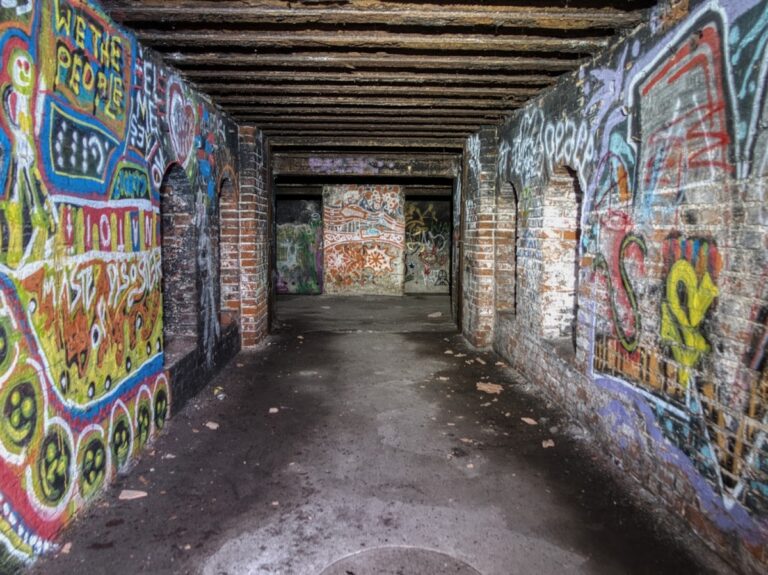
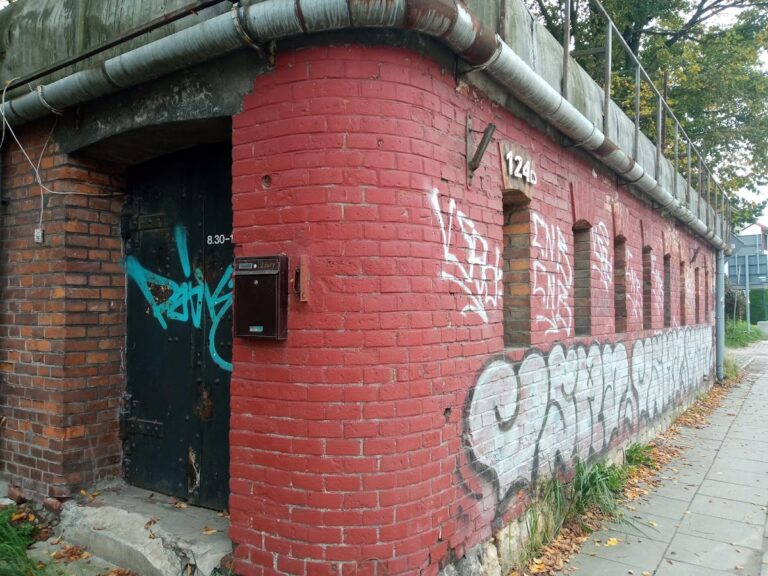
The surviving fort occupies Prochowodka Hill in Olszanica and forms the main element of the defensive complex. Its armored construction reflects the 1913 rebuilding, when the earlier semi-permanent work became a permanent close-defence fort. The fort is currently in good condition as a result of regular repairs.
Infantry and Artillery Works
The complex also includes infantry entrenchment IS-III-2, a fortified earthwork intended primarily for infantry defence, together with two associated artillery batteries, FB 40a and FB 40b. An artillery battery is a prepared position or installation for artillery weapons. These elements form part of the fort’s documented defensive arrangement.
Nearby sites