Fort de Mailly: A Coastal Redoubt at Port-Vendres
Site at a Glance
- Rating
- 4.2
- Popularity
- Very Low
- Country
- France
- Primary era
- Early Modern
- External website
- Open
- Eras represented
- Early Modern
- Civilizations
- French
- Site type
- Military
- Remains
- Fort
On this page4 sections
History
Construction and port improvement
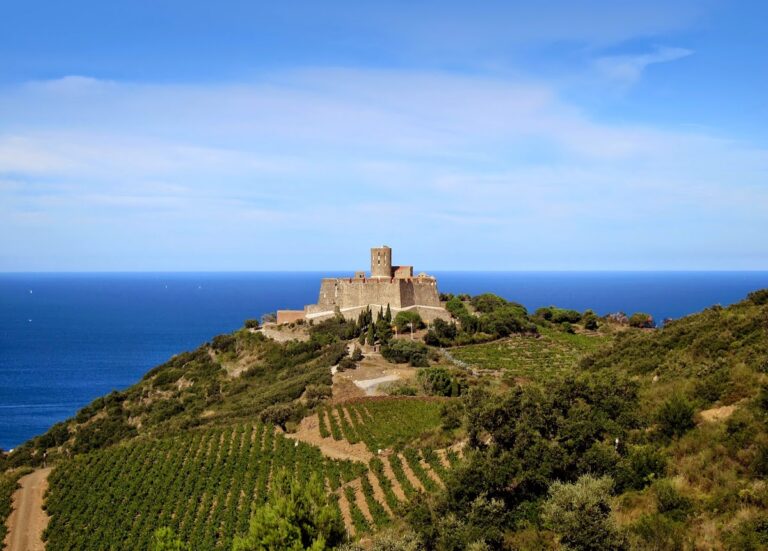
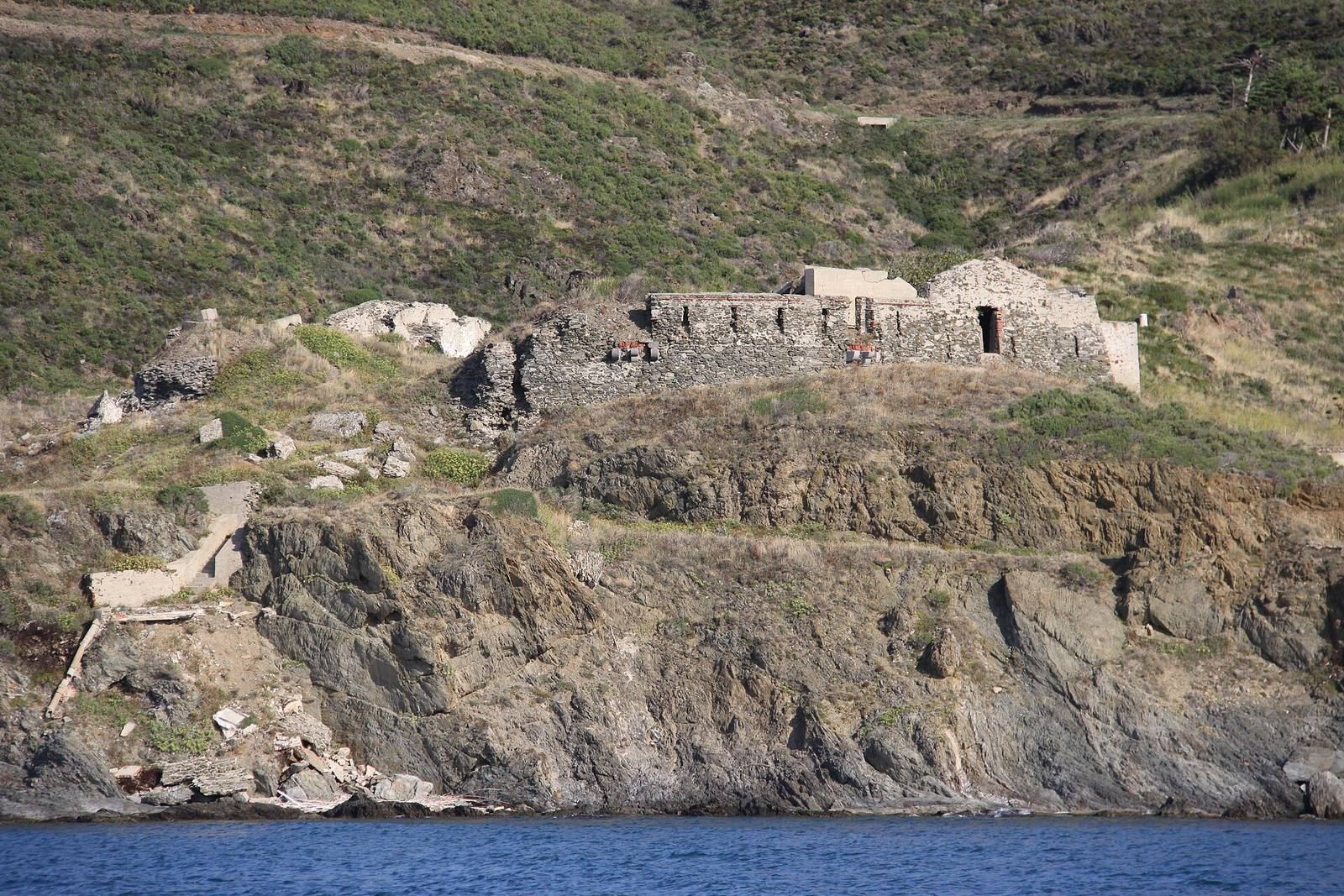
Fort de Mailly is a coastal redoubt at Port-Vendres, France, built between 1775 and 1780. Count Augustin-Joseph de Mailly began the work in 1775, with financial support from Louis XVI, then king of France. The project was intended to improve and excavate the port.
Military use and destruction
In the 1930s, the redoubt hosted the Mailly Holiday Camp, an initiative of the Federation of Secular and Republican Youth that organized camps and physical and moral education. The French Navy operated a battery there in 1939. German forces occupied the region from November 1942 and used the battery under changing designations. In February 1943 it was identified as Hallbatterie 1 / MAA 610, with MAA denoting a naval artillery battalion. Its designation changed to 4/MAA 615 in July 1943, then to 2/MAA 615 and MKB Mailly in April 1944; MKB meant a coastal artillery battery. The position was also designated strongpoint Wn Lgs 032. Its listed personnel strength changed from 72 sailors to 66, then to 79.
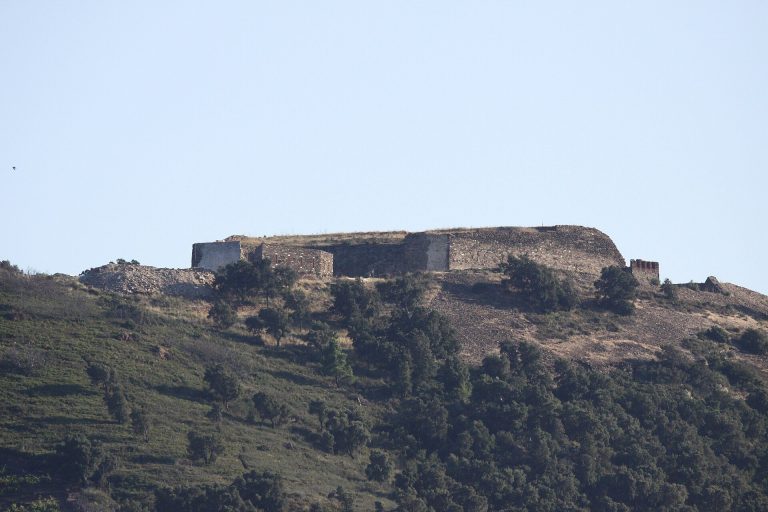
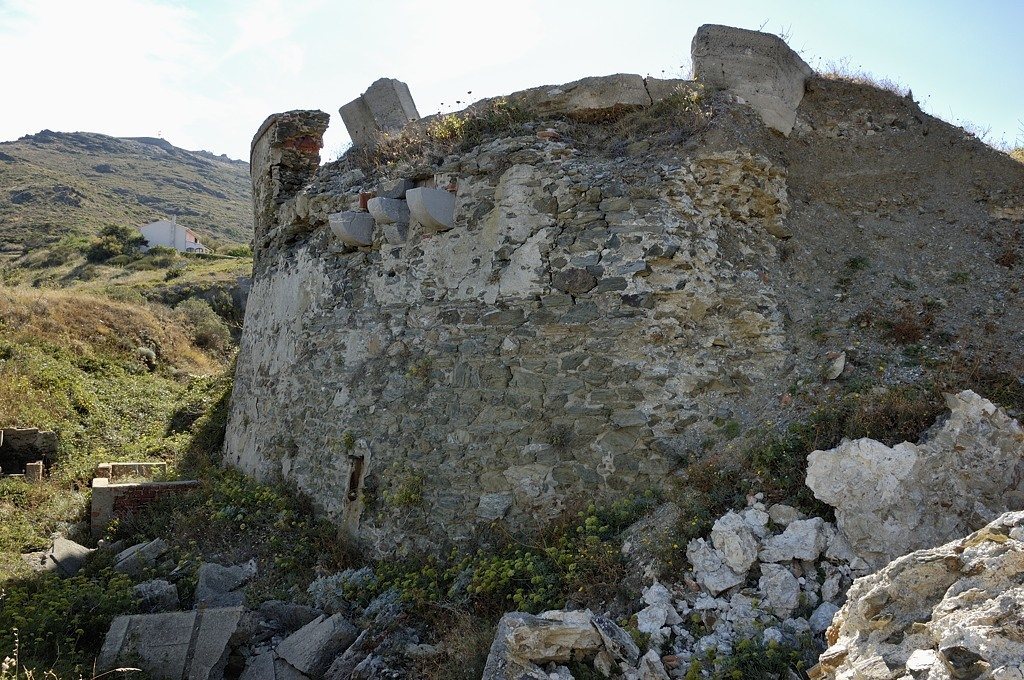
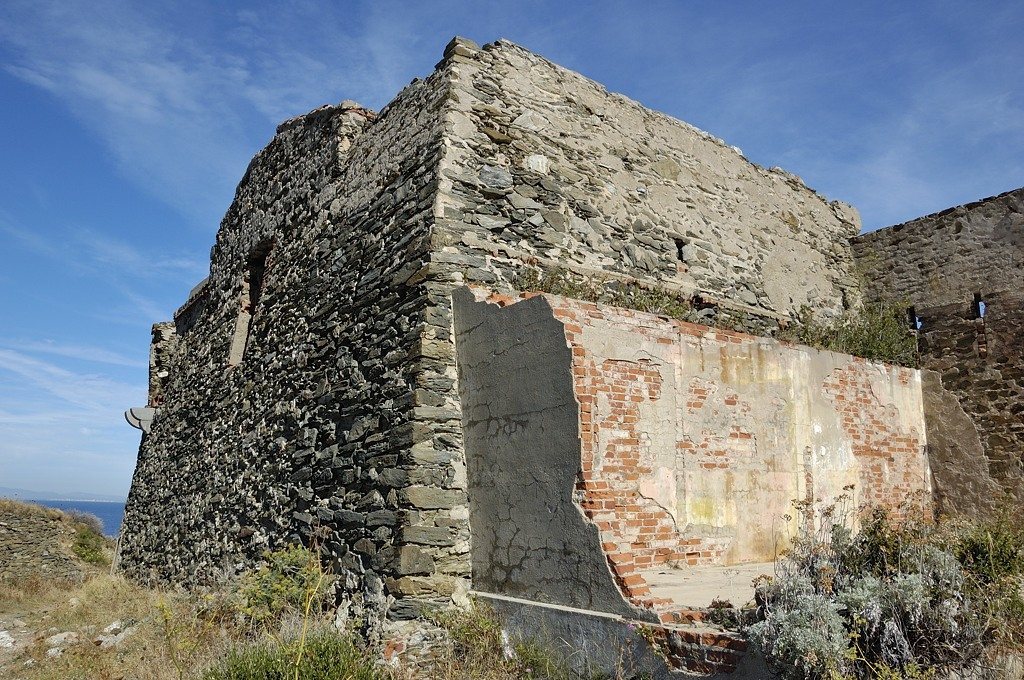
On 19 August 1944, as the German 19th Army withdrew, it destroyed the redoubt. German forces also detonated ammunition depots and numerous naval mines, destroying almost the entire town. The site is state-owned and was listed as a historic monument in 1991.
Remains
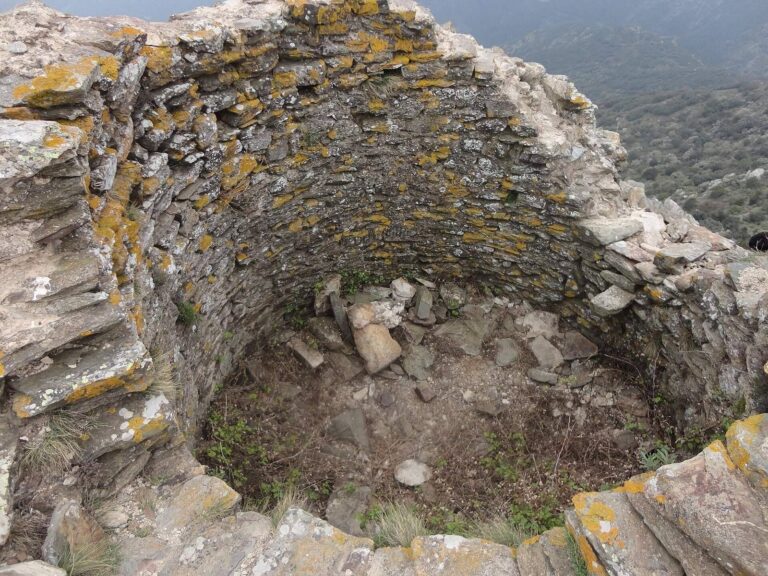
The redoubt stood 19 metres above sea level, overlooking the bay of Port-Vendres from above Tamarins Beach and facing the Redoute du Fanal. Its artillery was mounted on platforms, and the weapons changed over time. In 1939, the French battery had two 95 mm Model 1888 guns. The German battery had three of the same model by February 1943, including one transferred from the Cap Oullestreil battery.
The later German battery also included an 8.14 cm mortar and three French 2.5 cm Flak 39 anti-aircraft guns, which were removed in early 1944. A 7.5 cm field gun on a platform was later replaced by a Russian 7.62 cm FK 39 field gun. In June 1944, the 95 mm guns were withdrawn and replaced by four French 7.5 cm Model 1933 anti-aircraft guns and three 3.7 cm anti-aircraft guns.